
Chemical Reaction Kettle High-pressure Graybus Cable Working Principle
In a chemical reaction kettle, a high-pressure Graybus cable is the reliable link between the control cabinet and sensors, agitator motors, heating elements, and pressure or temperature transmitters. Its working principle is to maintain stable electrical transmission while resisting pressure, heat, vibration, and corrosive media. The cable uses high-conductivity copper conductors to carry power or low-level signals. Dense insulation prevents leakage and dielectric breakdown under voltage stress. A metallic shield, usually foil with braid, blocks electromagnetic interference, keeping measurement signals clean and accurate. The pressure-resistant jacket and hermetic sealing layers prevent liquids, gases, and vapors from entering the cable core. During reactor pressurization, compression-resistant materials and void-free construction distribute mechanical stress, so conductors do not deform and insulation does not crack. Proper grounding and sealed terminations provide a continuous return path and discharge static electricity. Flexible conductors and tough sheathing absorb agitator vibration and thermal expansion. As a result, the cable preserves electrical isolation, signal integrity, and mechanical strength, enabling safe continuous operation and precise control of chemical reactions in harsh high-pressure environments.
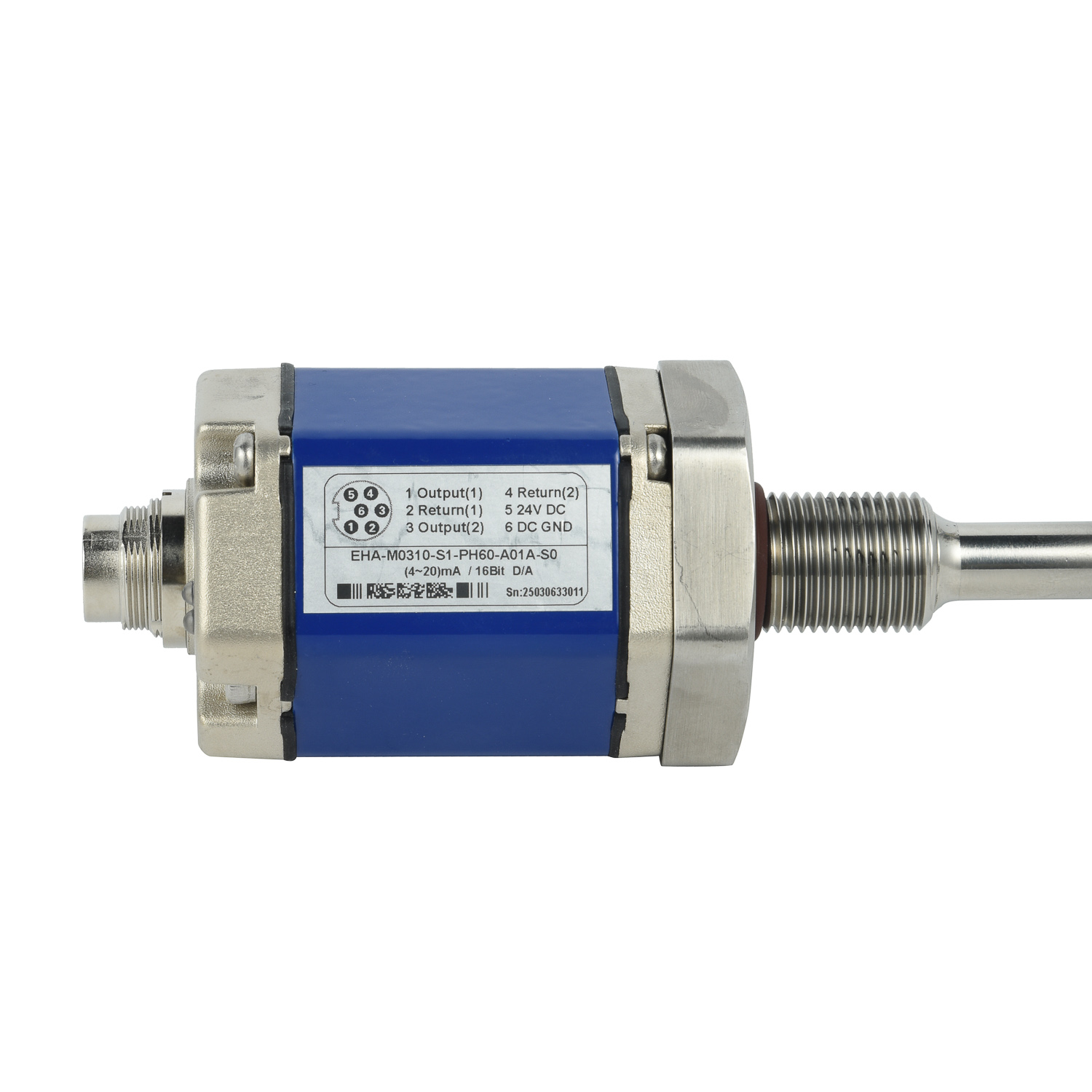
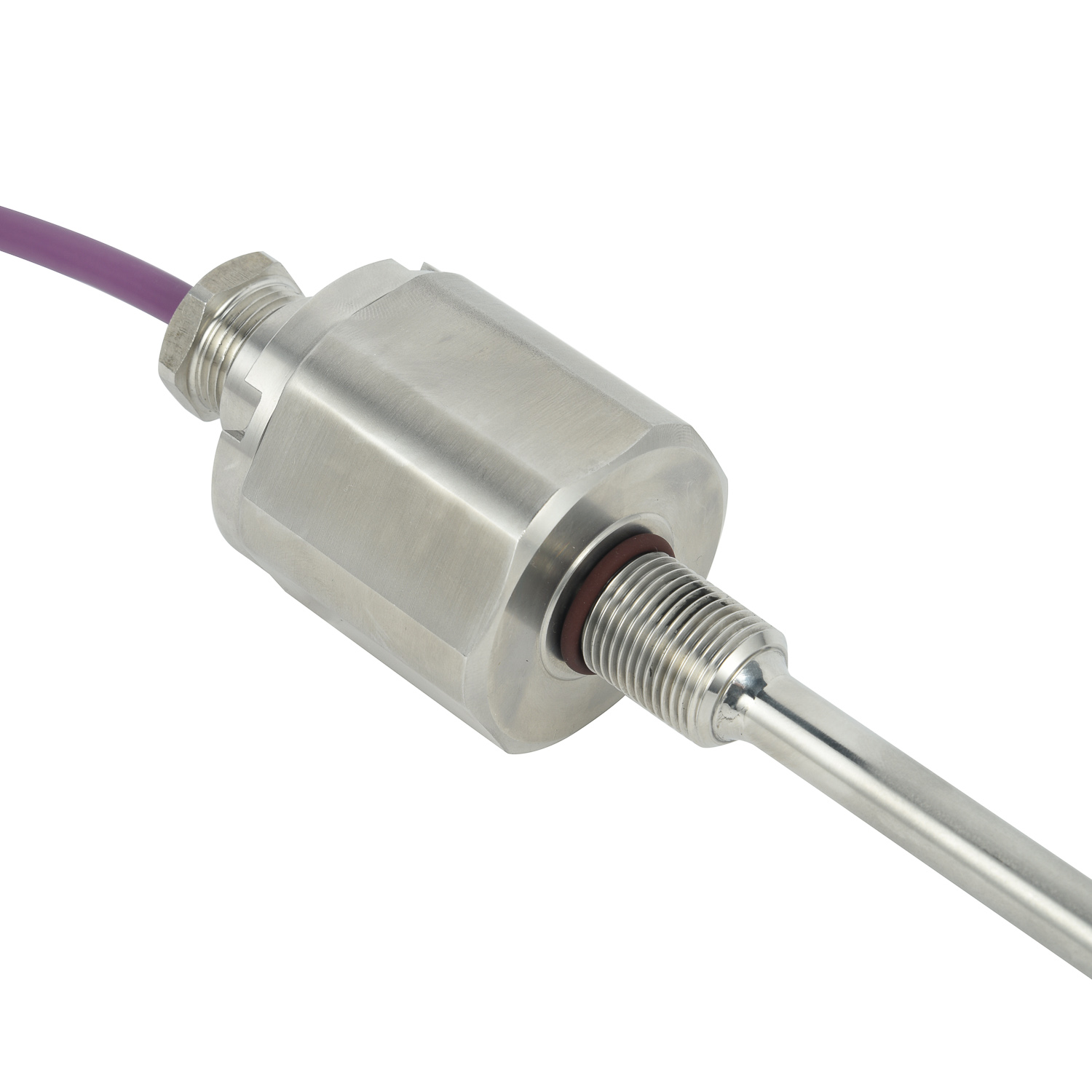 Chemical Industry Corrosion-re
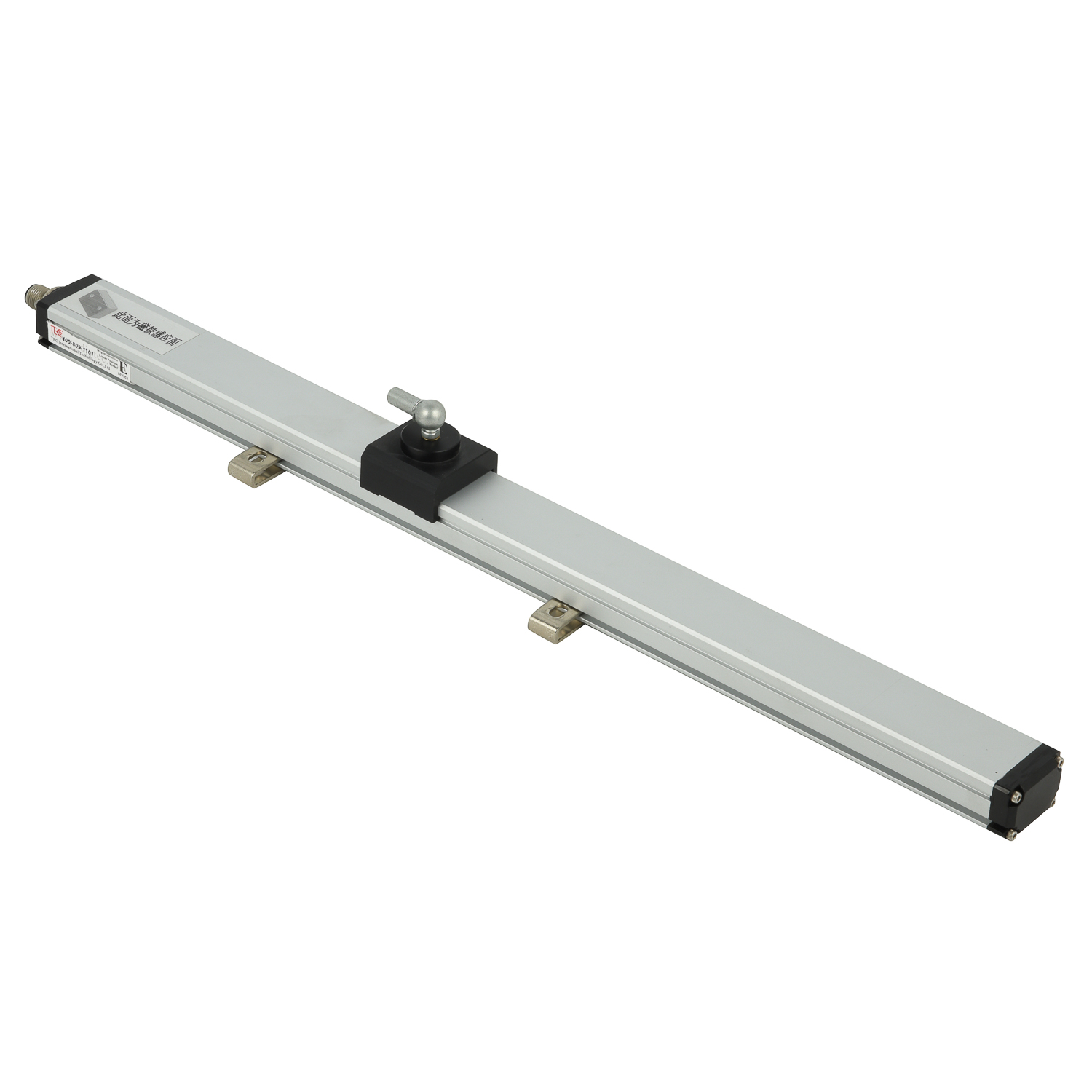 Power Plant Waterproof Crane a
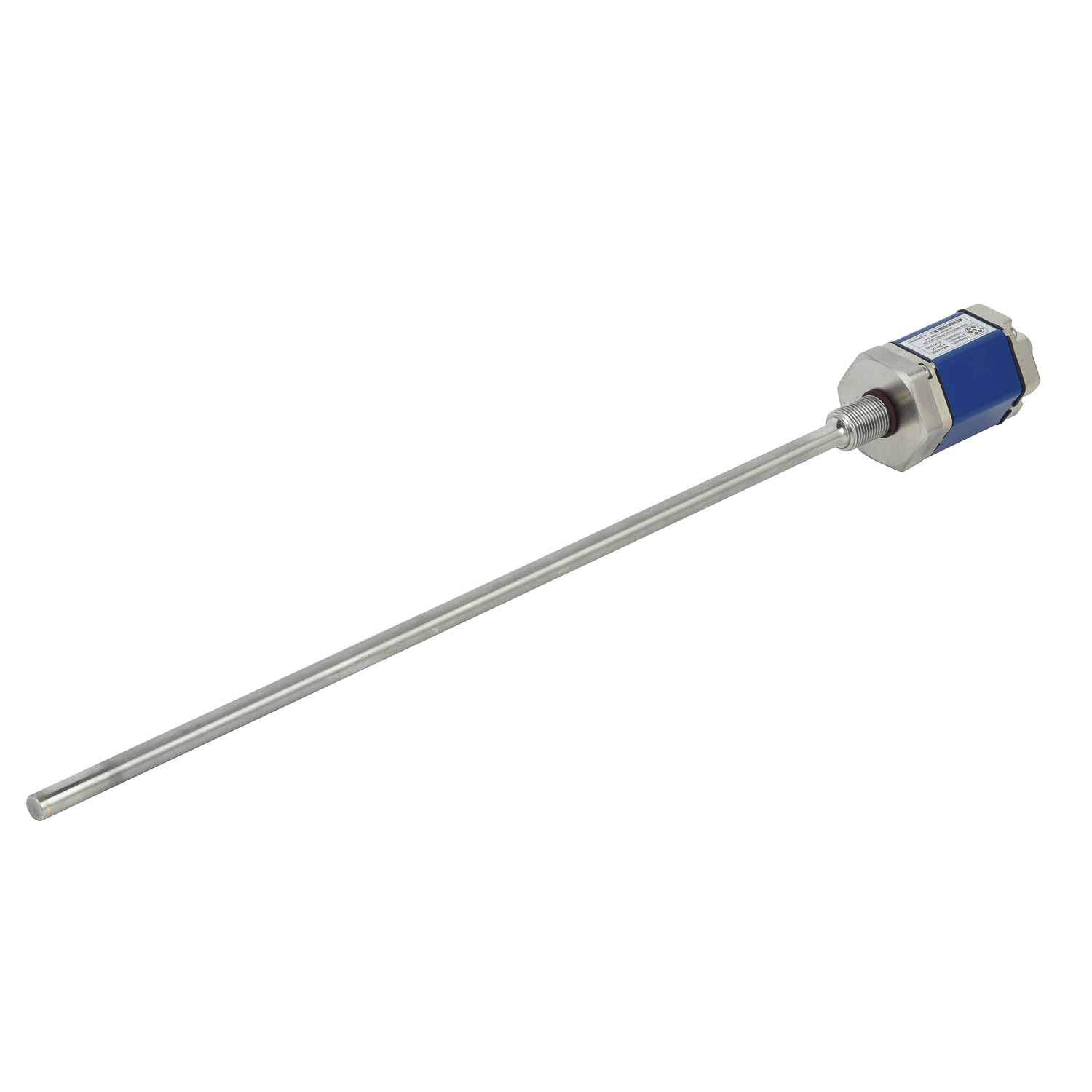 Metallurgy High-pressure Crane
 Mining High-temperature Crane