
Shield Tunneling High-temperature Graybus Cable Fault
Shield tunneling relies on reliable communication for guidance, monitoring, and control, so a Graybus cable fault can quickly interrupt operations. High temperatures are a common hidden cause. When cables run near hydraulic power units, motors, transformers, or poorly ventilated sections, heat accelerates insulation aging, increases conductor resistance, and weakens signal quality. Early symptoms include intermittent data loss, bus alarms, unstable readings, communication dropouts, and unexpected machine stops. Faults often appear at connectors, tight bends, damaged jackets, and areas exposed to moisture, dust, and vibration. To diagnose the problem, technicians should use thermal imaging to locate hot spots, check insulation resistance and continuity, verify shielding and grounding, and review communication-error trends. Cleaning and reseating connectors may provide a temporary recovery, but the root cause must be corrected. Practical prevention includes using high-temperature-rated Graybus cables, rerouting cables away from heat sources, improving ventilation and cooling, installing heat shields, securing connectors, and providing proper strain relief. Operators should also monitor ambient temperature and load cycles, because repeated heat stress can cause hidden damage that only appears under peak demand. Regular inspection, thermal scanning, and maintenance records help identify degradation before it becomes a failure. A planned cable-maintenance program improves shield tunneling safety, reduces downtime, and protects critical control systems.
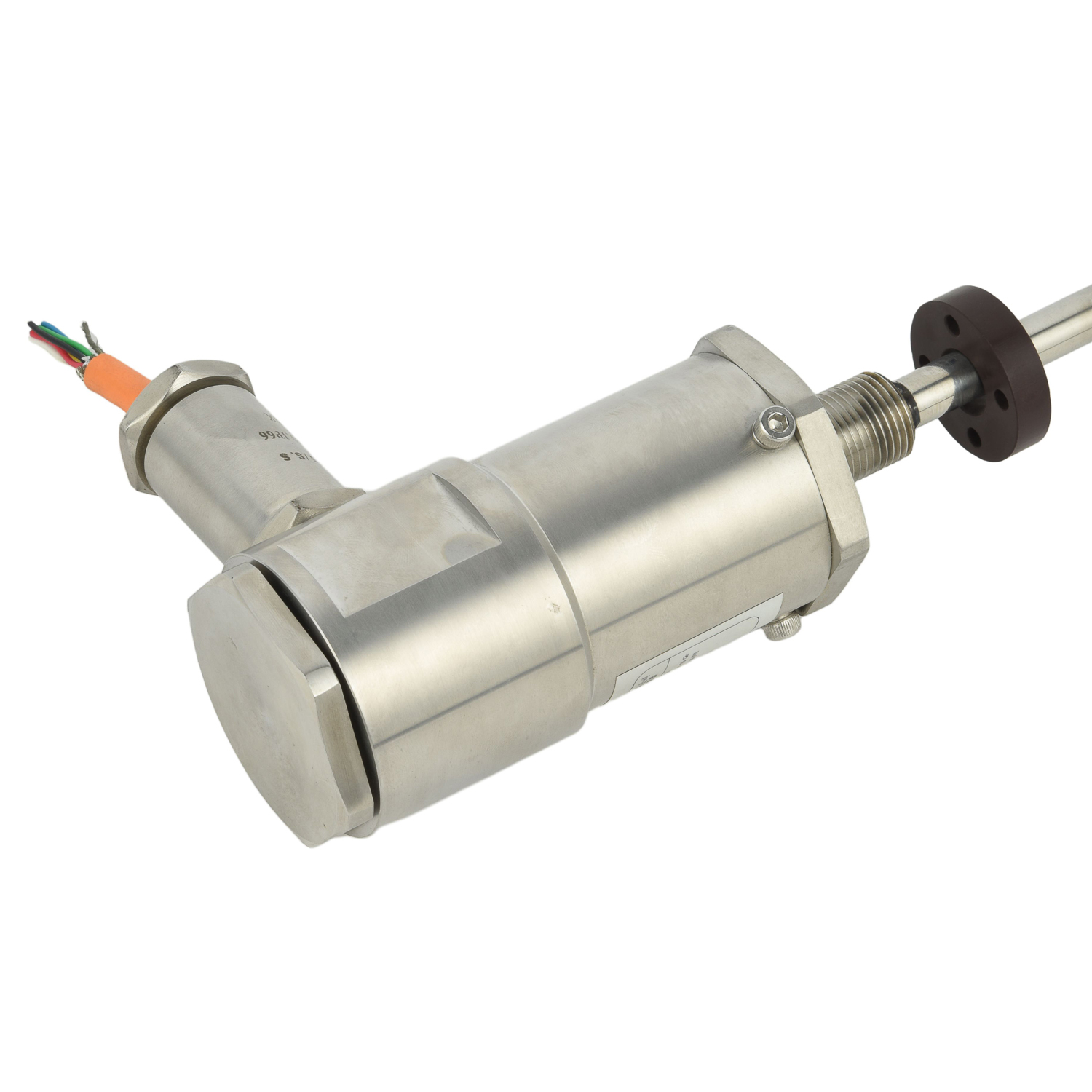
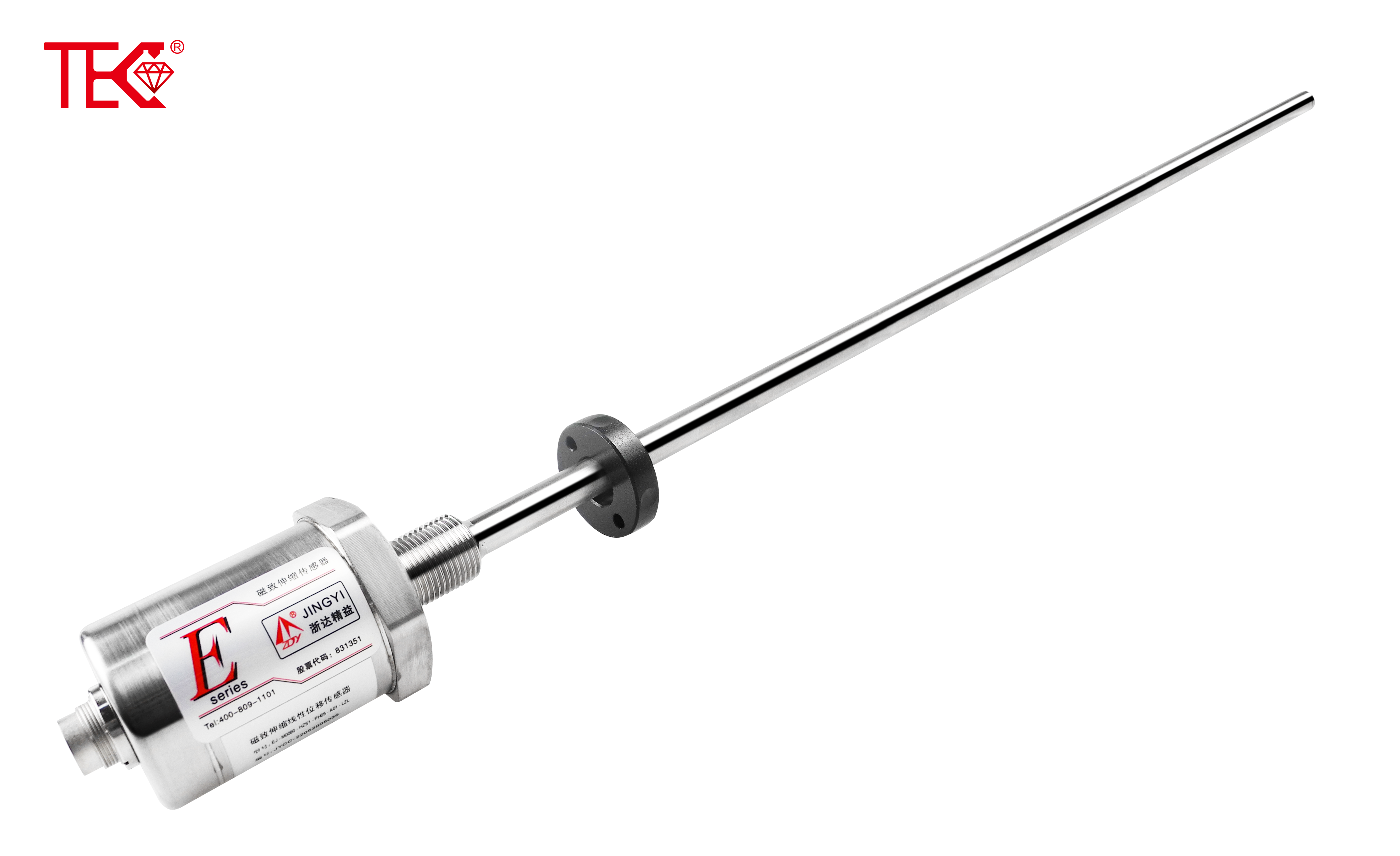 Metallurgy Material Tank Explo
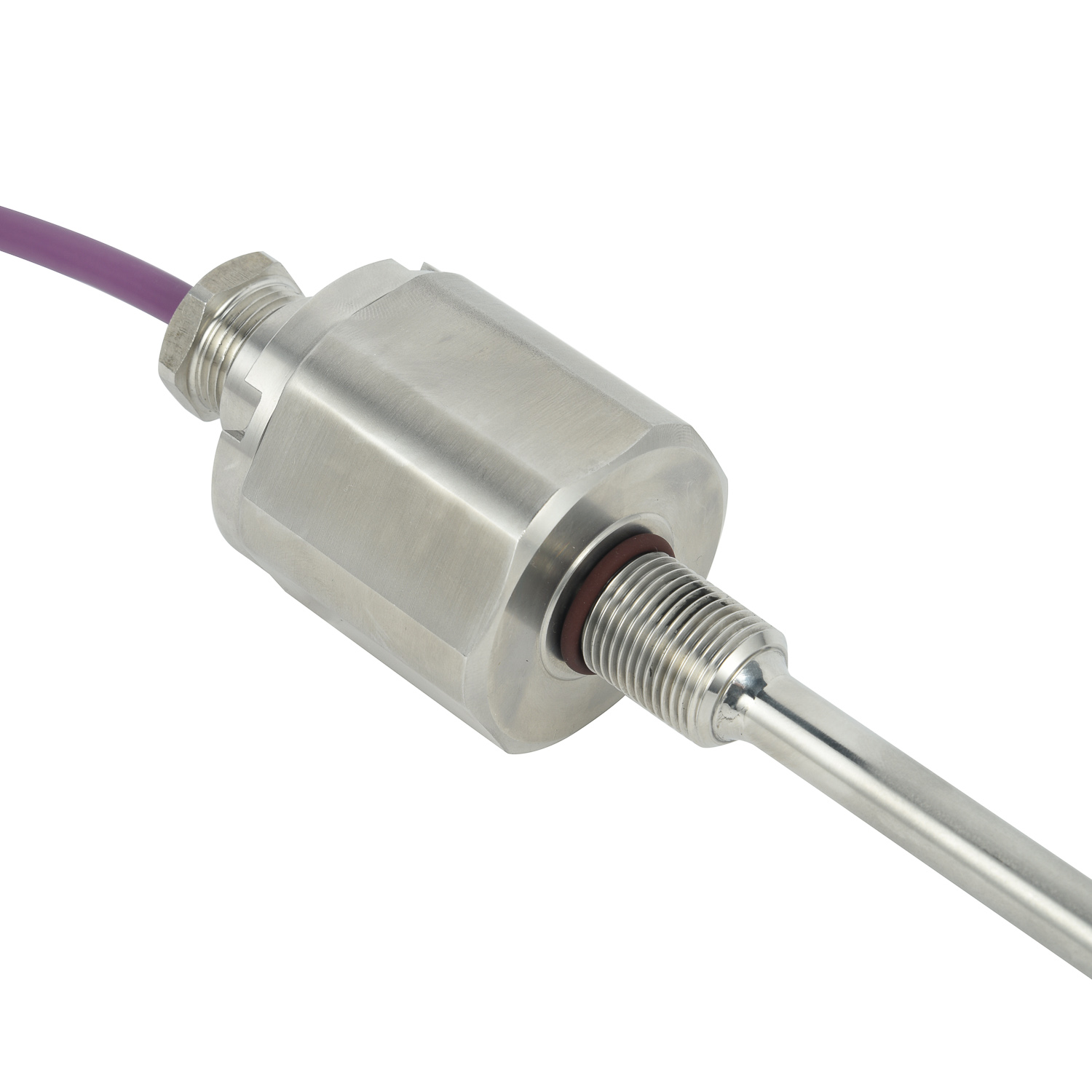 Chemical Industry Corrosion-re
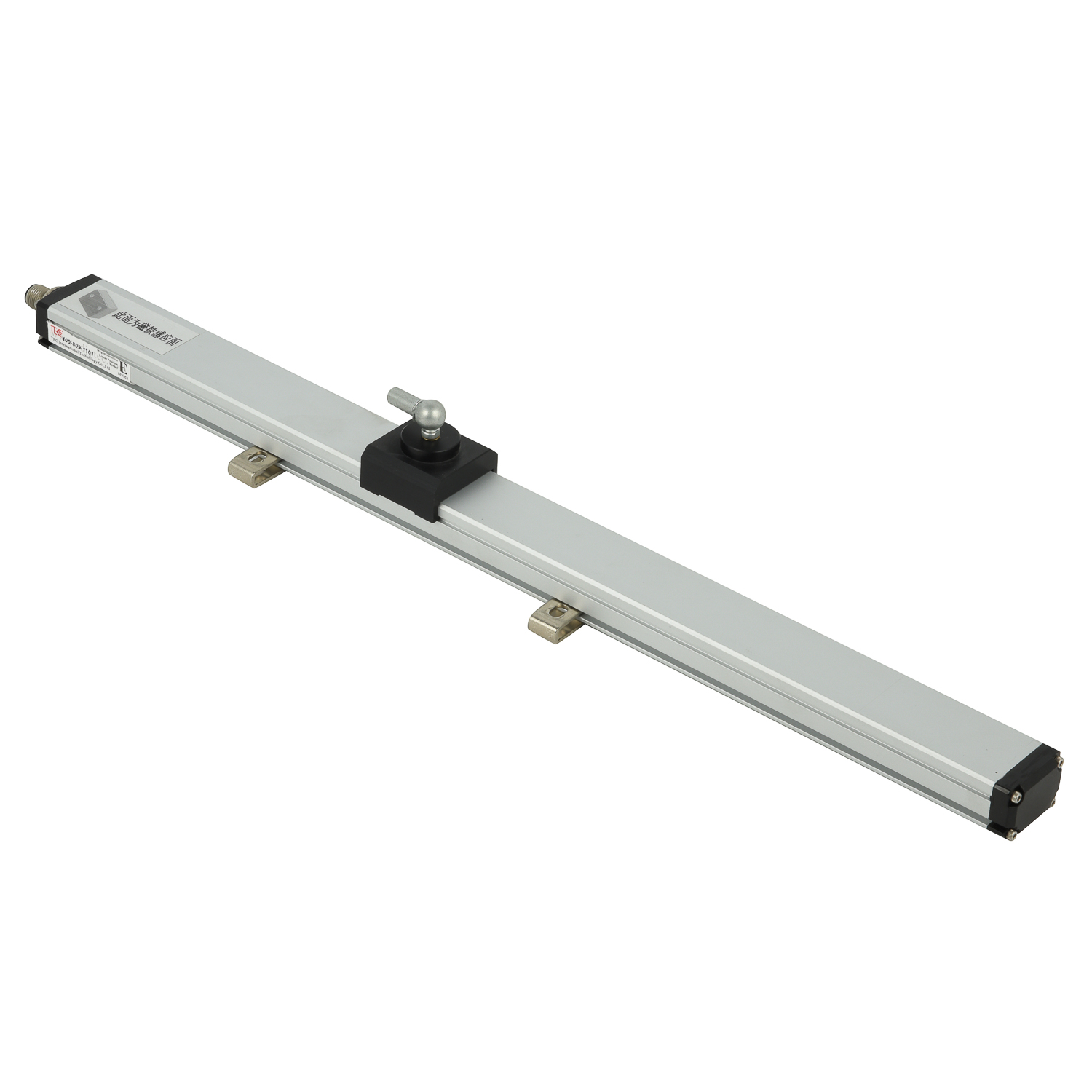 Power Plant Waterproof Crane a
 Metallurgy High-pressure Crane