
Injection Molding Machine Built-in Hydraulic Cylinder LVDT Displacement Sensor Selection
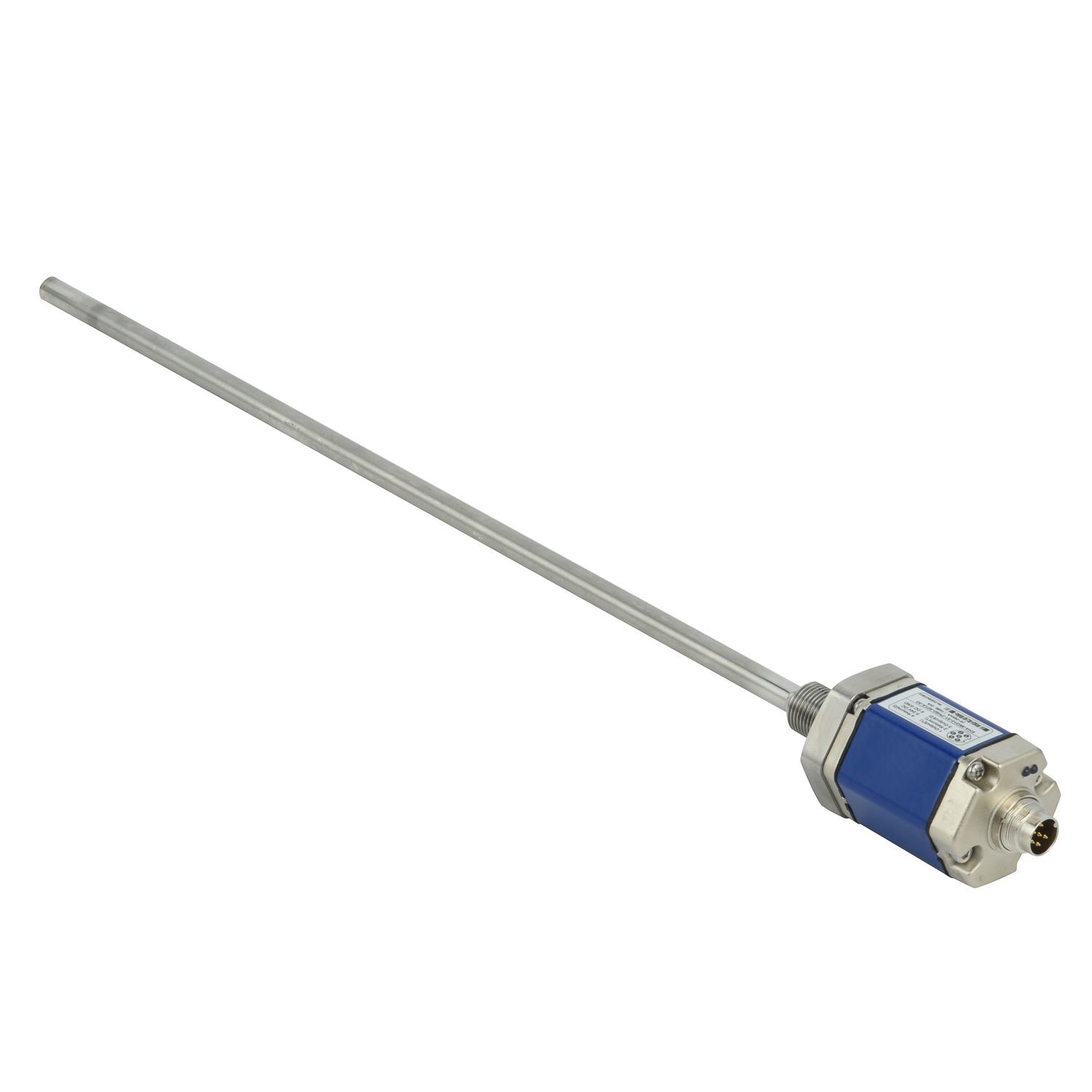
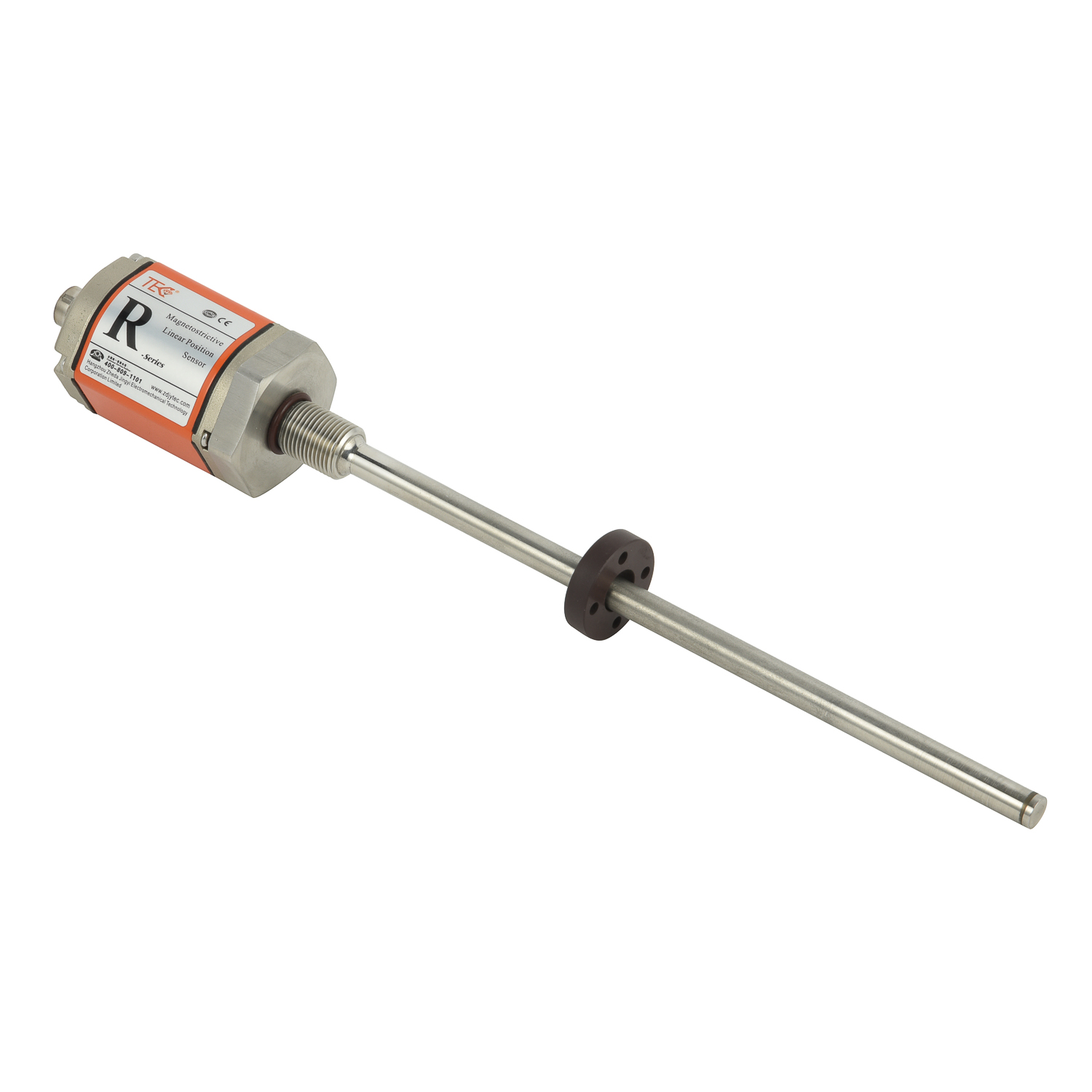
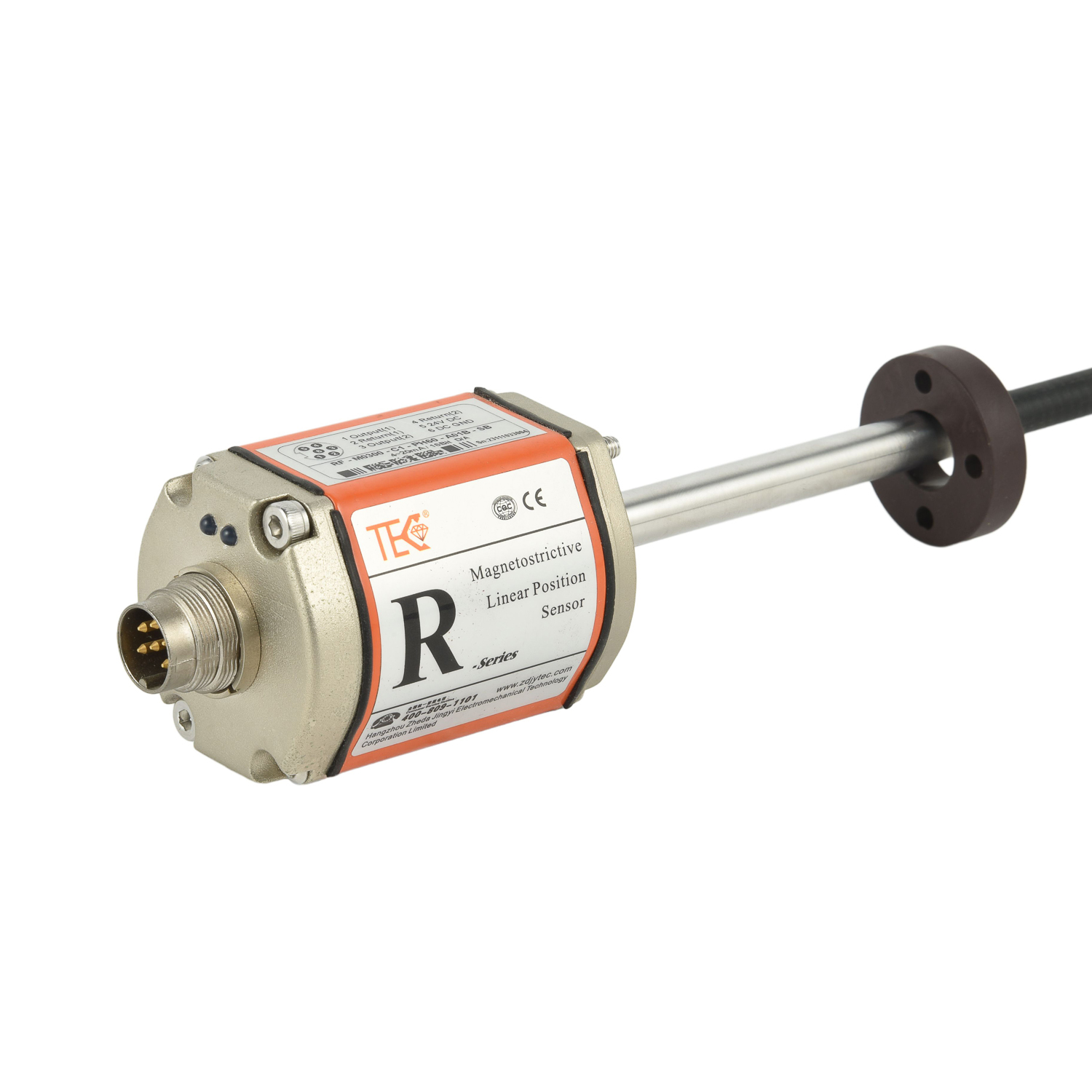
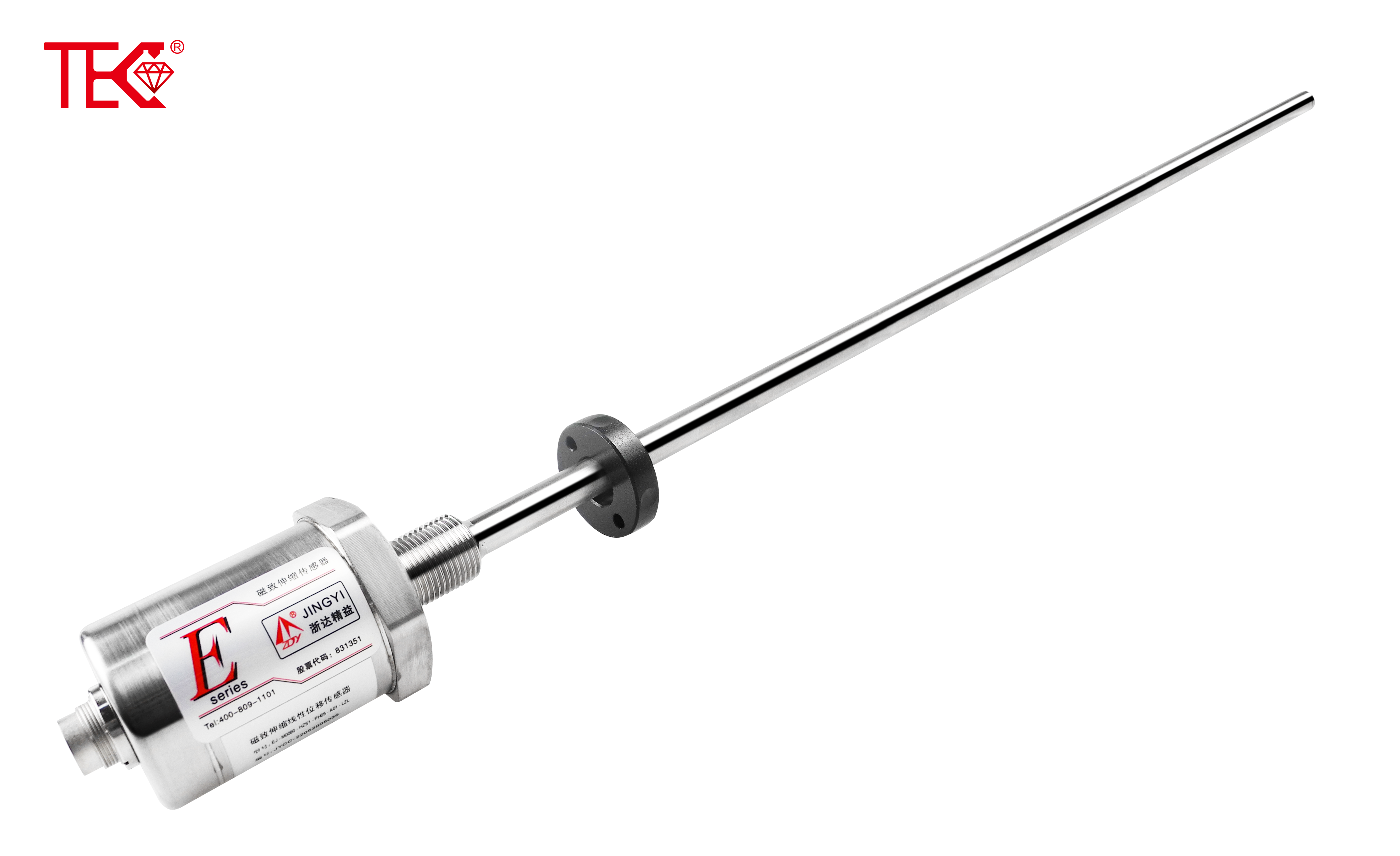
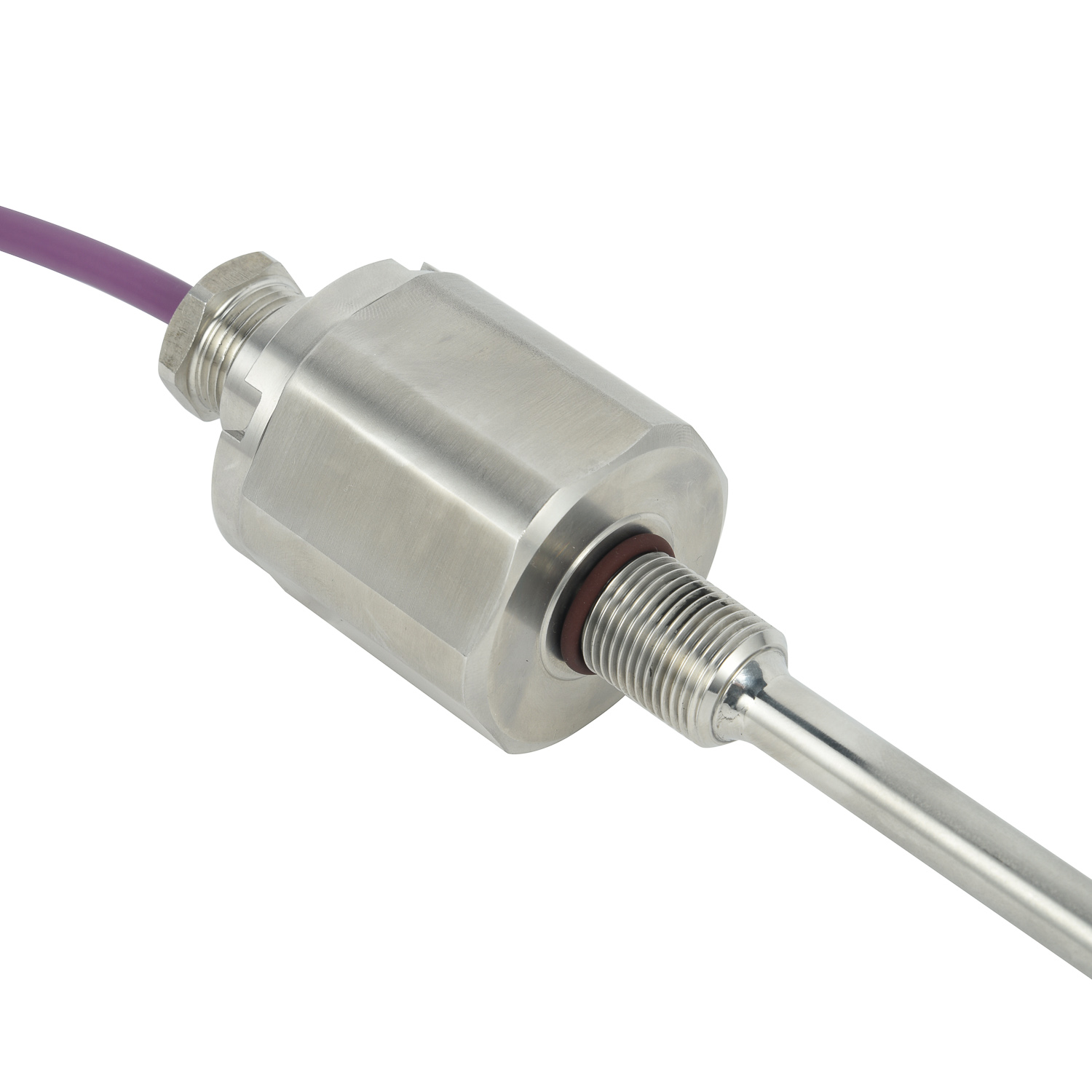
Choosing an LVDT displacement sensor for an injection molding machine's built-in hydraulic cylinder requires matching sensor performance to harsh machine conditions. First, define the cylinder stroke and required measuring range, adding over-travel protection. Select a sensor with suitable linearity, repeatability, and resolution for mold-position and injection-speed control. Because hydraulic cylinders operate under high pressure, vibration, and oil exposure, choose a rugged stainless-steel body, pressure-resistant feedthrough, and IP67 or higher protection. Confirm the LVDT can withstand the cylinder's temperature and thermal cycling, and verify compatibility with hydraulic fluid. For built-in mounting, check compact diameter, rod-end thread, core clearance, and cable exit. Electrical selection matters: choose 24 VDC or +/-10 V/4-20 mA output, low noise, and EMC shielding compatible with the machine controller. Ensure easy zero/span calibration and secure cable routing. Review the sensor datasheet for nonlinearity, hysteresis, and repeatability under rated stroke; confirm the core-to-body clearance and mounting thread match cylinder drawing. During commissioning, check signal stability at pressure hold, set safe over-travel limits, and document calibration for preventive maintenance. Finally, validate response time, shock resistance, and service access during maintenance. A well-selected LVDT improves injection repeatability, reduces downtime, and supports precise closed-loop control.
 Chemical Reaction Kettle High-
 Mining Storage Tank High-tempe
 Metallurgy Material Tank Explo
 Chemical Industry Corrosion-re