
Silo Rod-type LVDT Displacement Sensor Fault
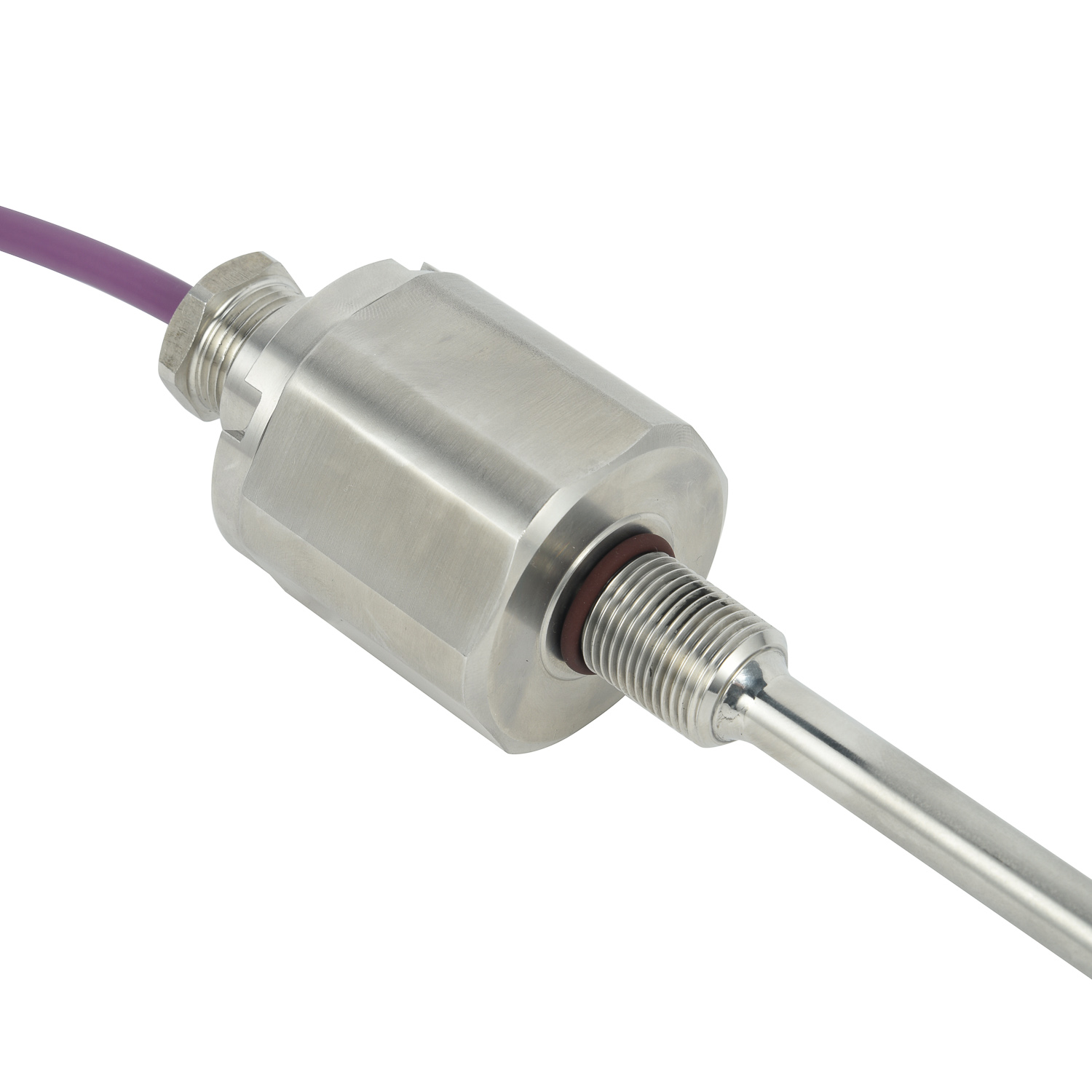
Silo rod-type LVDT displacement sensors are reliable, but faults can interrupt level measurement and control. Common symptoms include unstable readings, signal drift, zero offset, excessive noise, and no output. Before replacement, inspect the entire measurement loop.
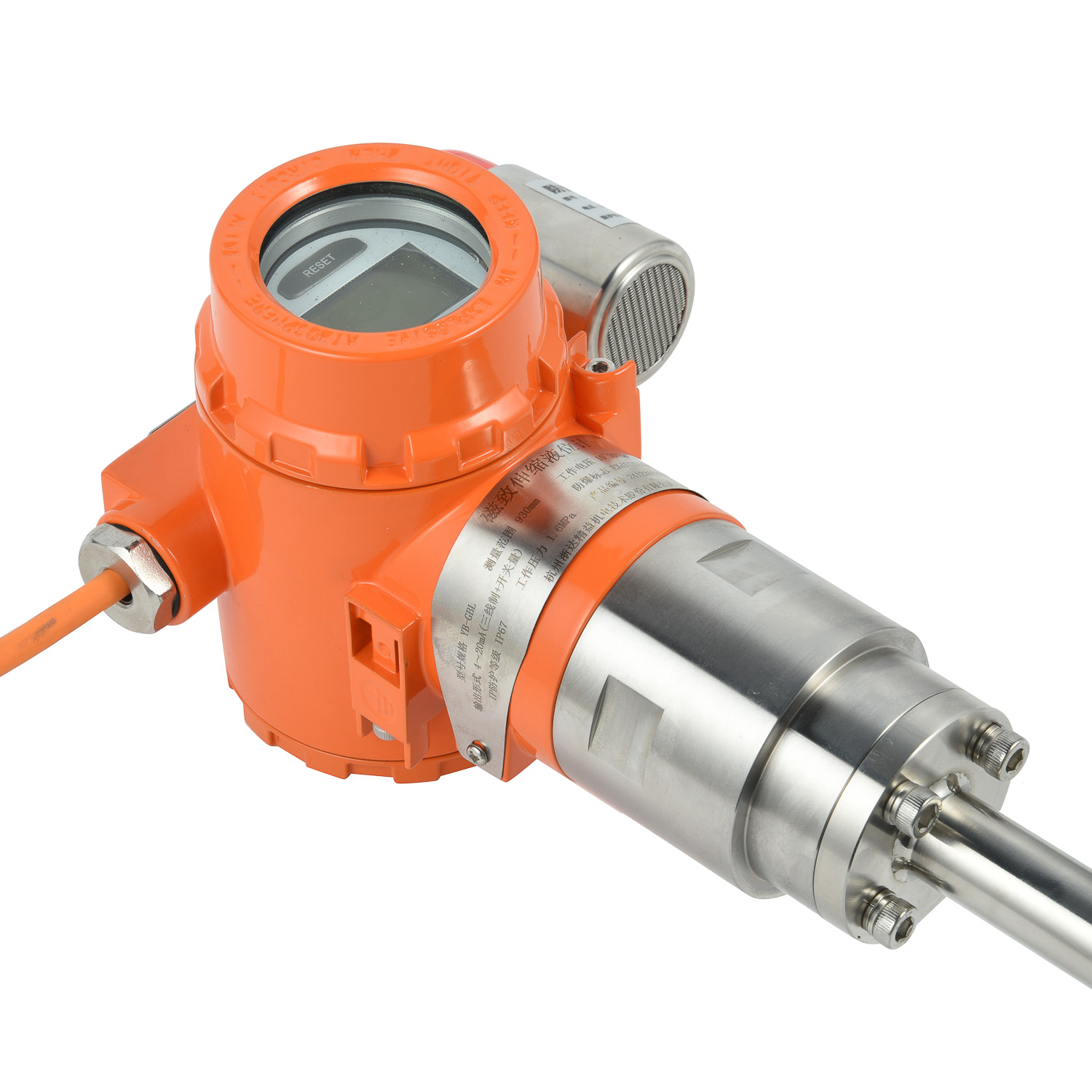
Mechanical causes often involve a bent or misaligned rod, worn core, loose mounting, or debris in the silo guide. These conditions change the core-to-coil coupling and produce nonlinear or jumpy signals. Check rod straightness, mounting rigidity, and free core travel. Clean dust, buildup, and metal particles carefully.
Electrical faults include damaged cable, water ingress, poor shielding, loose connectors, and excitation supply problems. Verify stable AC excitation, correct wiring, insulation resistance, and grounded shielding. Use a multimeter and oscilloscope to compare excitation and output signals. A noisy or intermittent output usually points to cable or grounding issues.
Environmental factors such as vibration, temperature swing, moisture, and electromagnetic interference can cause drift. Confirm the sensor rating, improve sealing, route cables away from drives, and add filtering if needed.
Calibrate the LVDT after repair. Set the mechanical zero, check stroke endpoints, and confirm linearity. If the coil is damaged or readings remain unstable after alignment and wiring checks, replace the sensor. Scheduled inspection, preventive maintenance, clean rods, secure mounts, and protected cabling reduce downtime.
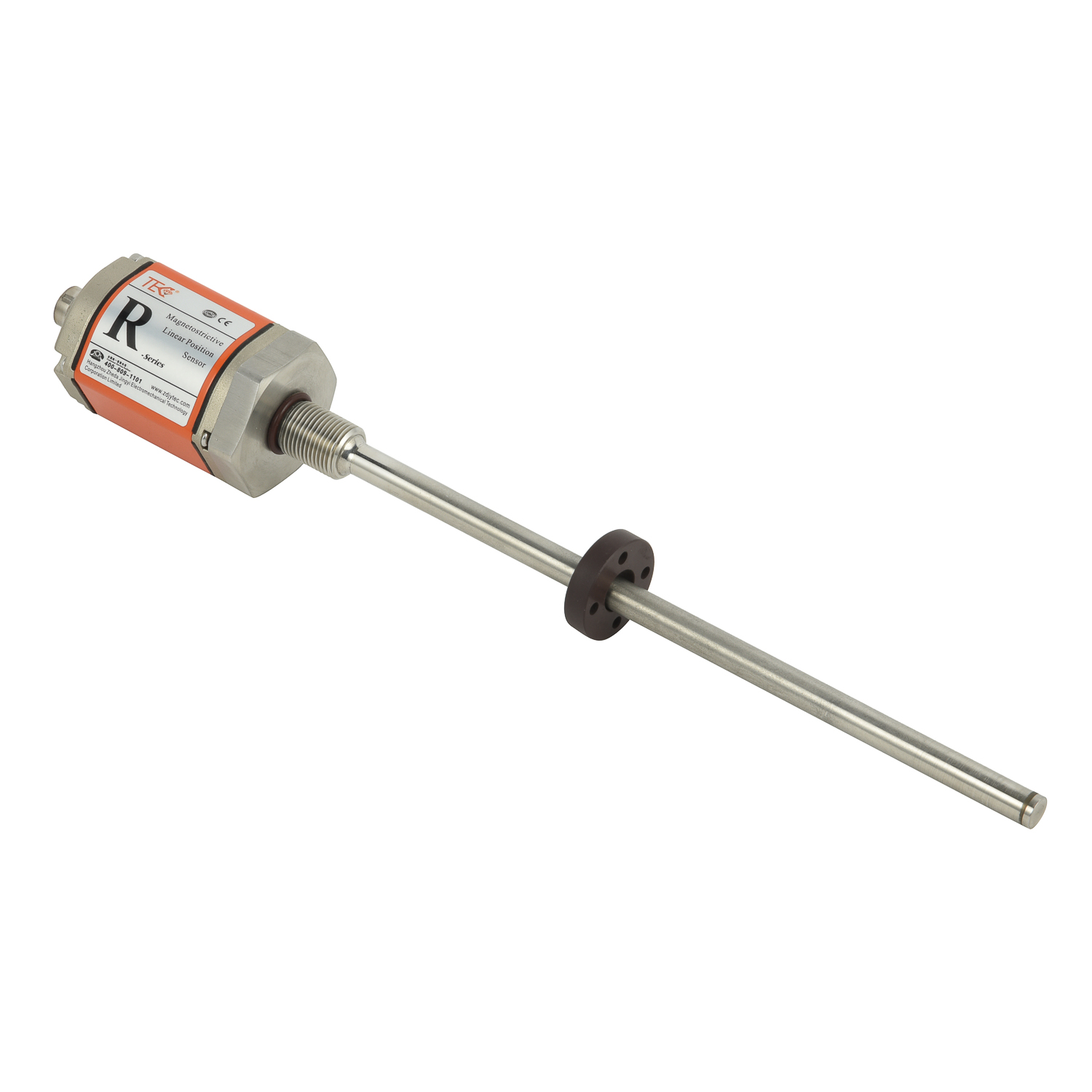 Chemical Reaction Kettle High-
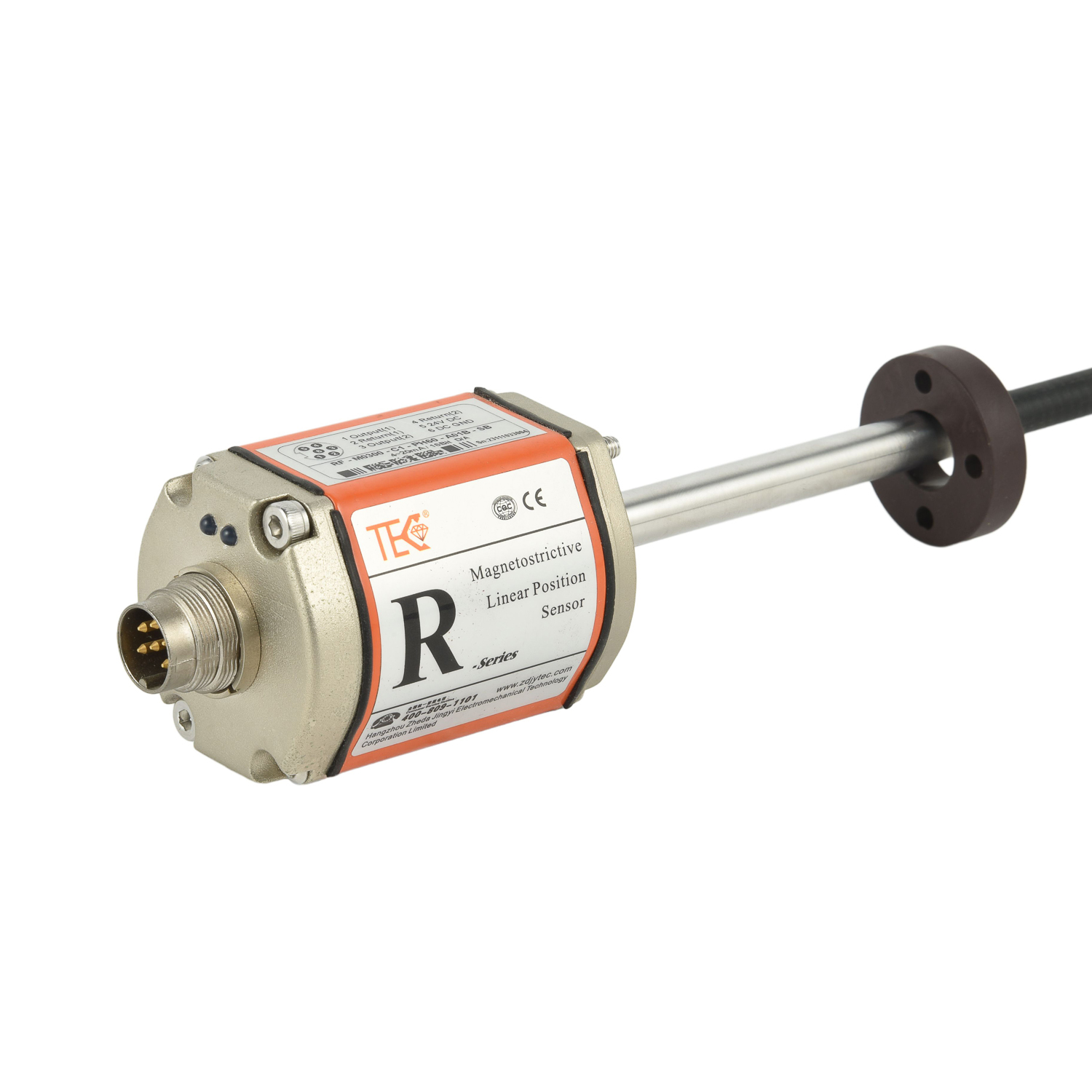 Mining Storage Tank High-tempe
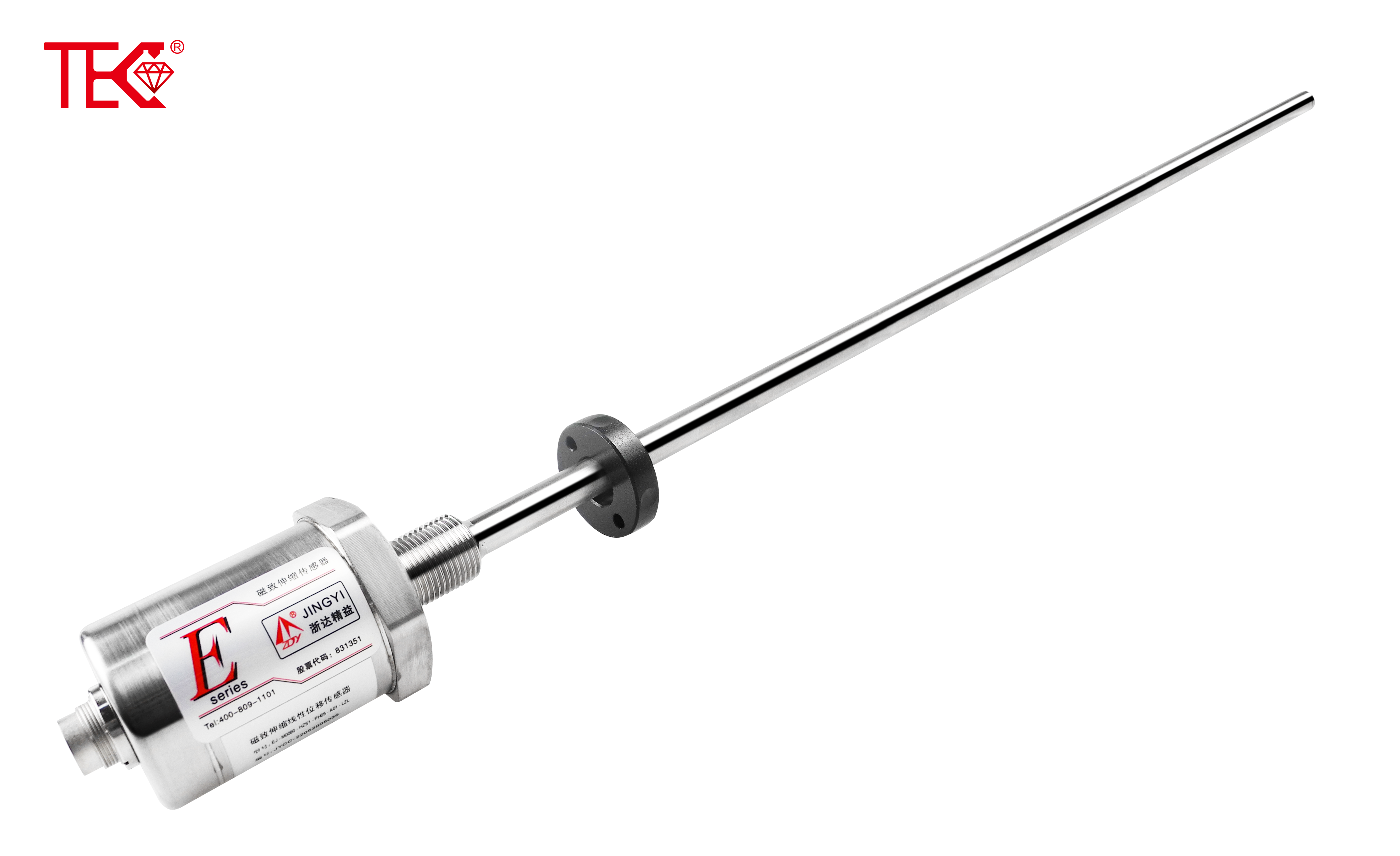 Metallurgy Material Tank Explo
 Chemical Industry Corrosion-re