
Bridge Crane Corrosion-resistant LVDT Displacement Sensor Installation Method
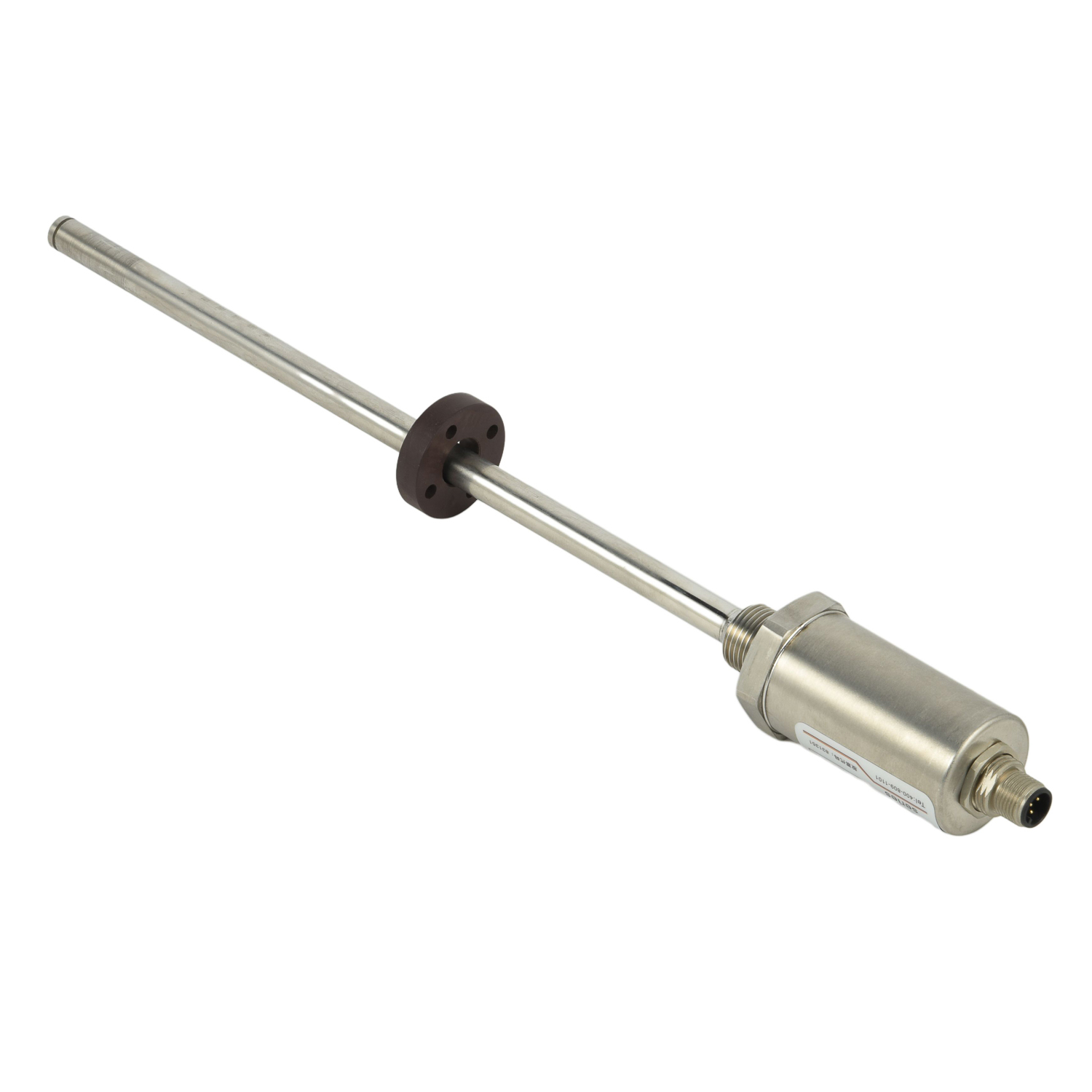
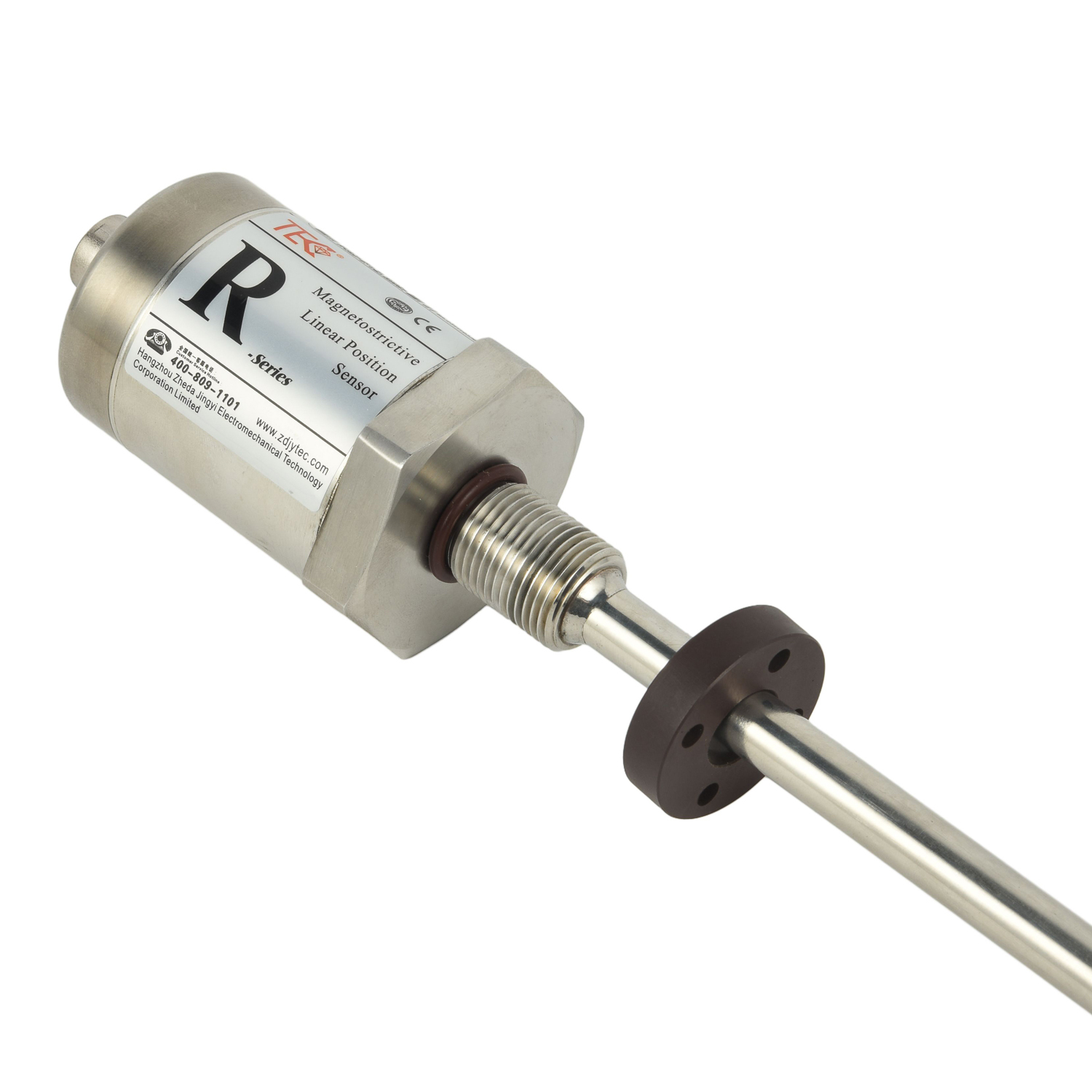
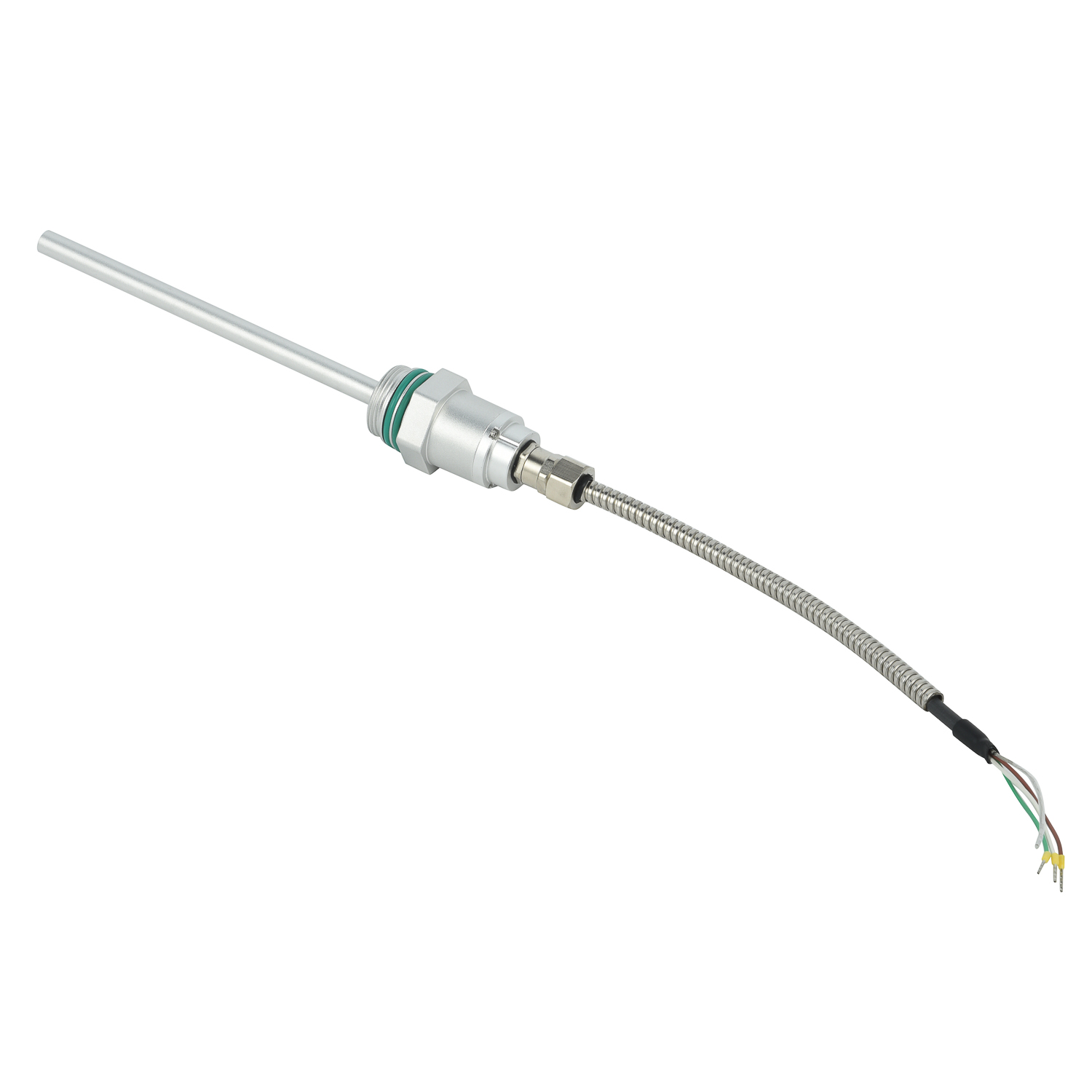
Bridge cranes operate in dust, moisture, and chemical-laden environments, so a corrosion-resistant LVDT displacement sensor must be installed with care. First, isolate the crane, lock out power, and verify the measuring point on the girder or trolley. Mount a rigid stainless-steel bracket close to the moving part, keeping the LVDT body parallel to the displacement axis. Keep the mounting surface flat and clean; use a laser or dial indicator to align centerlines within 0.5mm. Use sealed M8 bolts and anti-vibration washers. Use stainless or coated fasteners compatible with the sensor housing. Fit the sensor with its protective sleeve and IP67 cable gland. Connect the core rod to the target through a flexible coupling to avoid side load. Set the stroke at mid-range and confirm that the rod moves freely without binding. Route cables in a protected conduit away from heat, oil, and flexing zones. Provide a drip loop and strain relief so water cannot enter the sensor housing. Ground the shield at the control cabinet. After installation, cycle the crane slowly and check zero and full-scale readings. Record the zero, mid, and full-scale values in the maintenance log for trend analysis. Adjust alignment until output is stable. Apply corrosion-resistant grease to threads, inspect seals monthly, and replace damaged cable glands. If output drifts, check coupling wear and bracket tightness before replacement. This method improves accuracy, extends sensor life, and supports reliable bridge crane monitoring.
 Material Tank Intrinsically Sa
Bridge Crane Corrosion-resista
 Crane Waterproof LVDT Displace
 Overhead Crane High-pressure L