
Construction Machinery Crane LVDT Displacement Sensor Fault
LVDT displacement sensors are critical in construction cranes. They convert linear movement into electrical signals for boom extension, outrigger position, and load monitoring. A fault can cause inaccurate readings, erratic movement, alarms, or reduced lifting performance. Early diagnosis protects safety and uptime.
Common symptoms include signal drift, no output, jumping values, calibration failure, and controller error codes. Causes may be mechanical, electrical, or environmental. Loose mounting, bent cores, worn bearings, and contaminated oil affect measurement. Cable damage, poor connectors, moisture ingress, and electromagnetic interference disrupt signals. Coil failure or internal wear may require replacement.
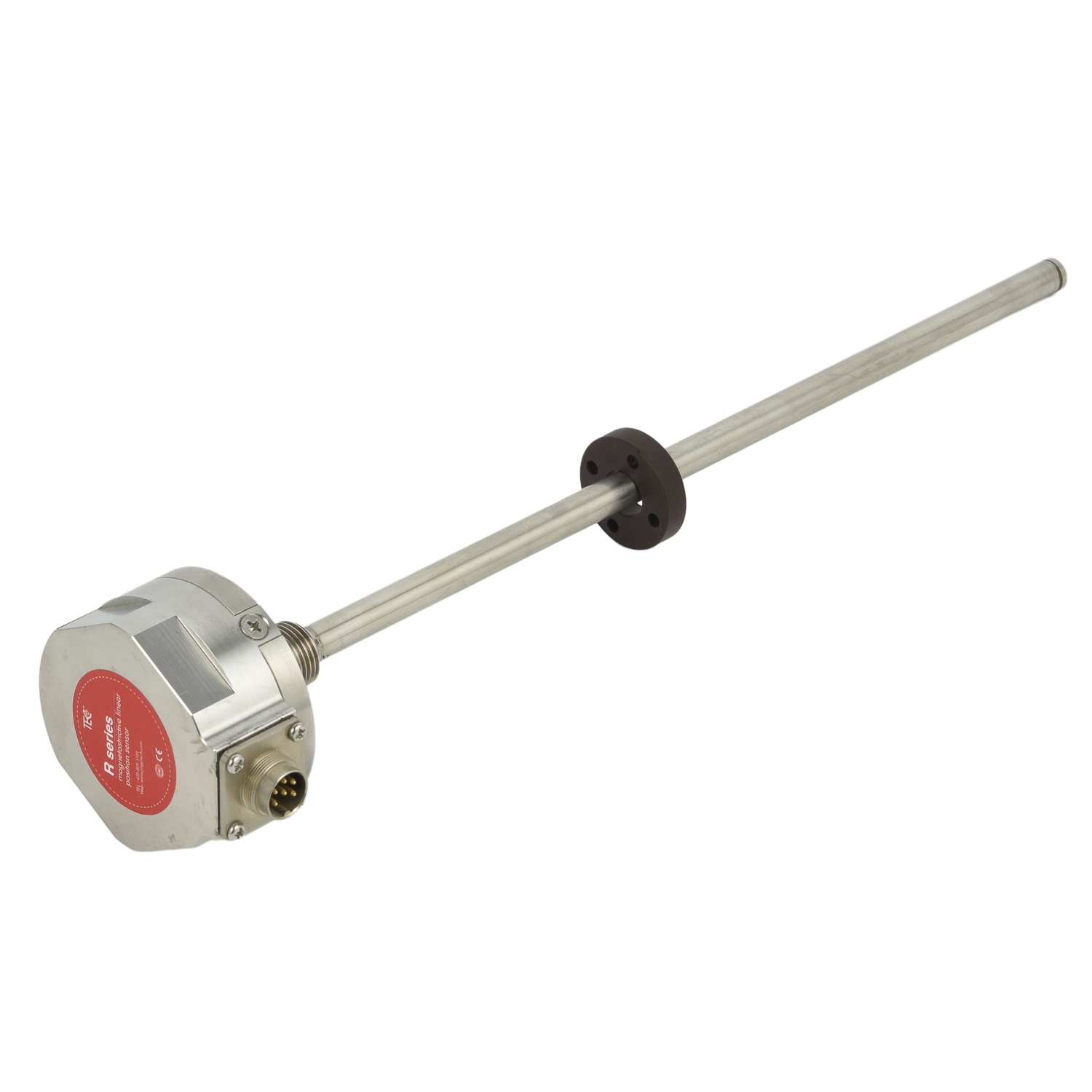
Inspect mounting, core alignment, wiring, connectors, and signs of oil or water. Use a multimeter to verify excitation voltage and output. Compare readings through full stroke. A stable LVDT should produce smooth, proportional output. Check coil resistance against manufacturer specification and confirm calibration parameters.
Clean connectors, replace damaged cables, remove moisture, and secure grounding. If the sensor is mechanically damaged or coil resistance is out of range, replace it. After installation, recalibrate zero and span, test full stroke, and monitor readings under load. Preventive maintenance includes inspection, cable protection, connector sealing, and calibration checks. Reliable LVDT performance keeps crane operations accurate, safe, and productive.
 Overhead Crane High-pressure L
 Stacker-reclaimer High-tempera
 Bucket Wheel Stacker-reclaimer
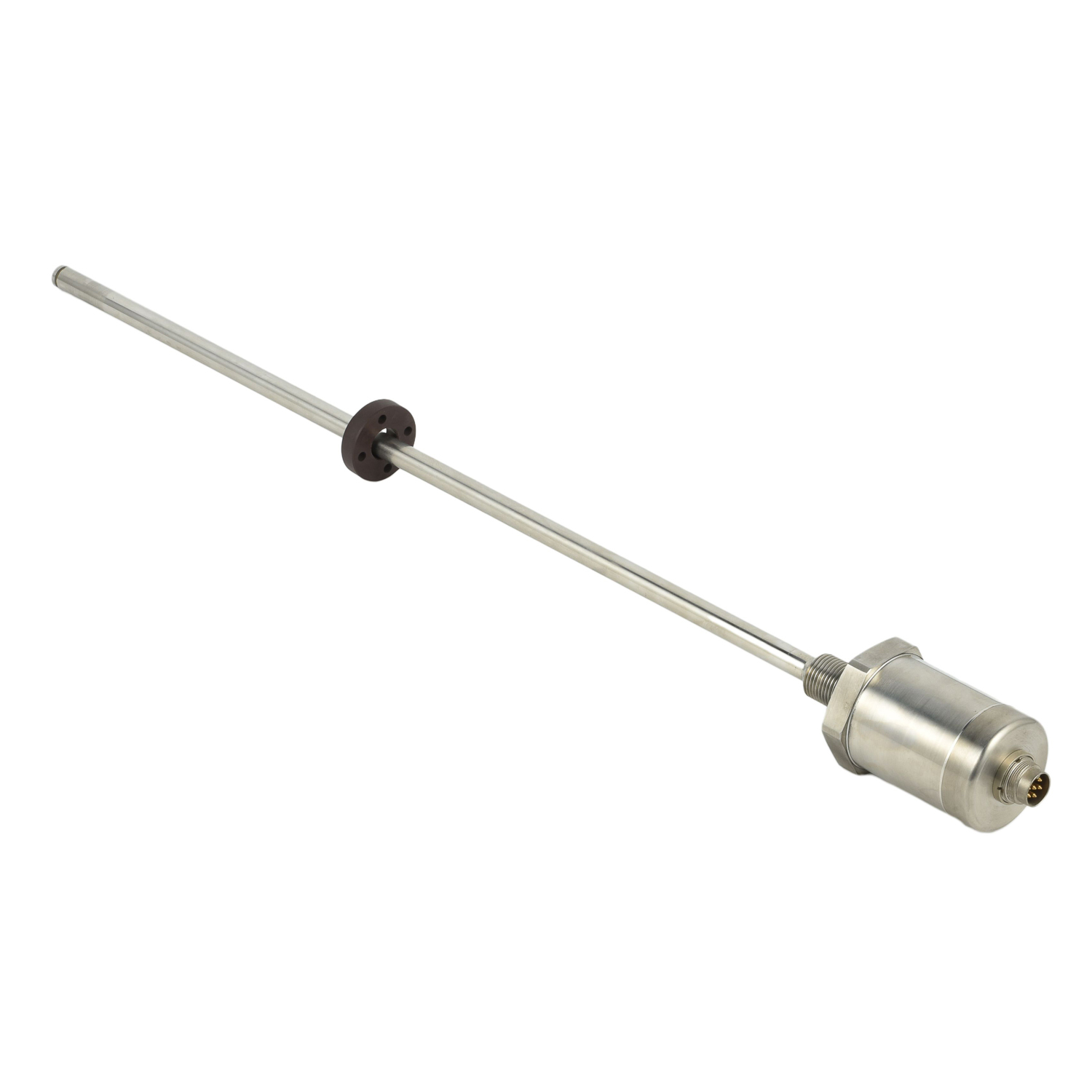 Hydraulic Cylinder Built-in LV