
Power Plant Bridge Crane Non-contact LVDT Displacement Sensor Field Application
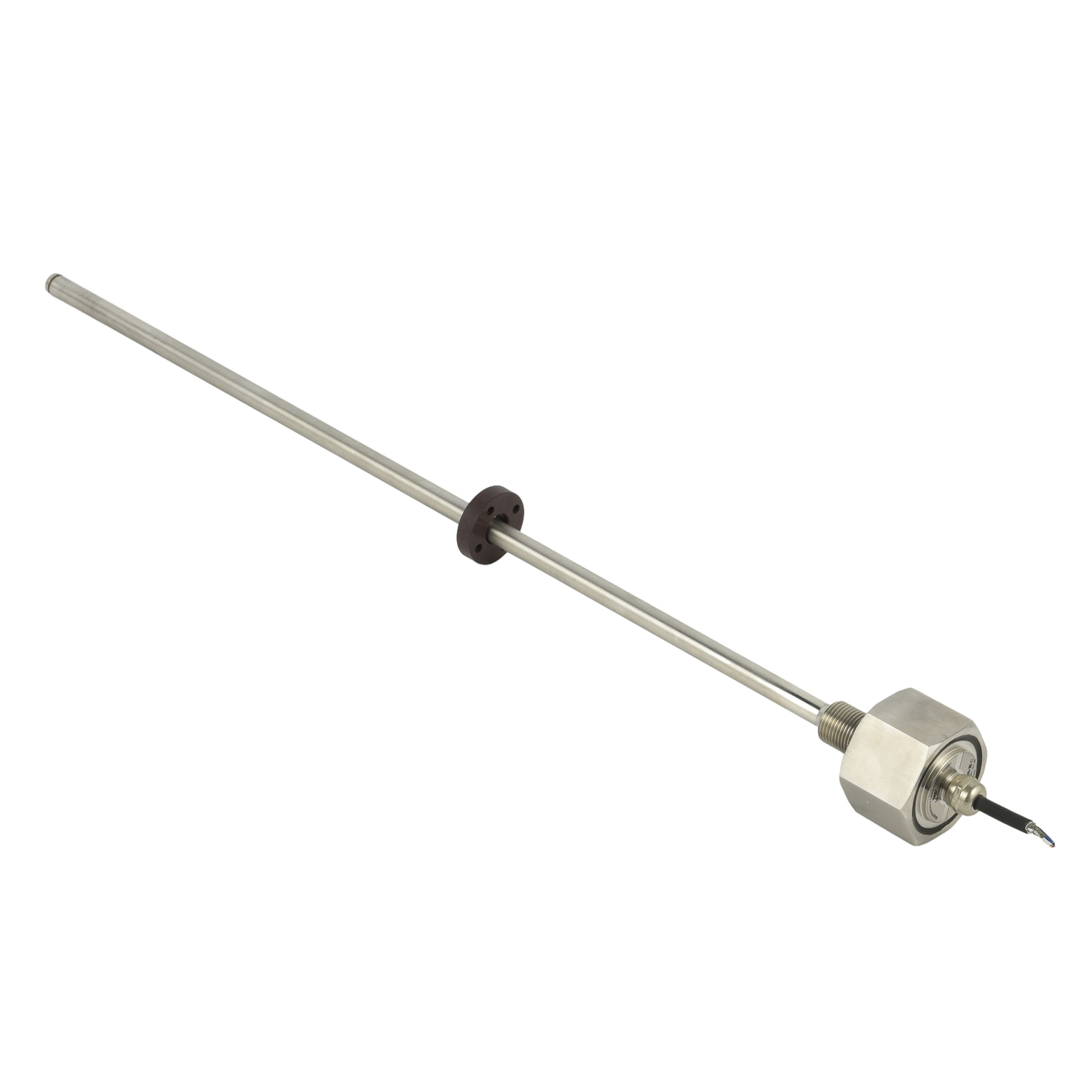
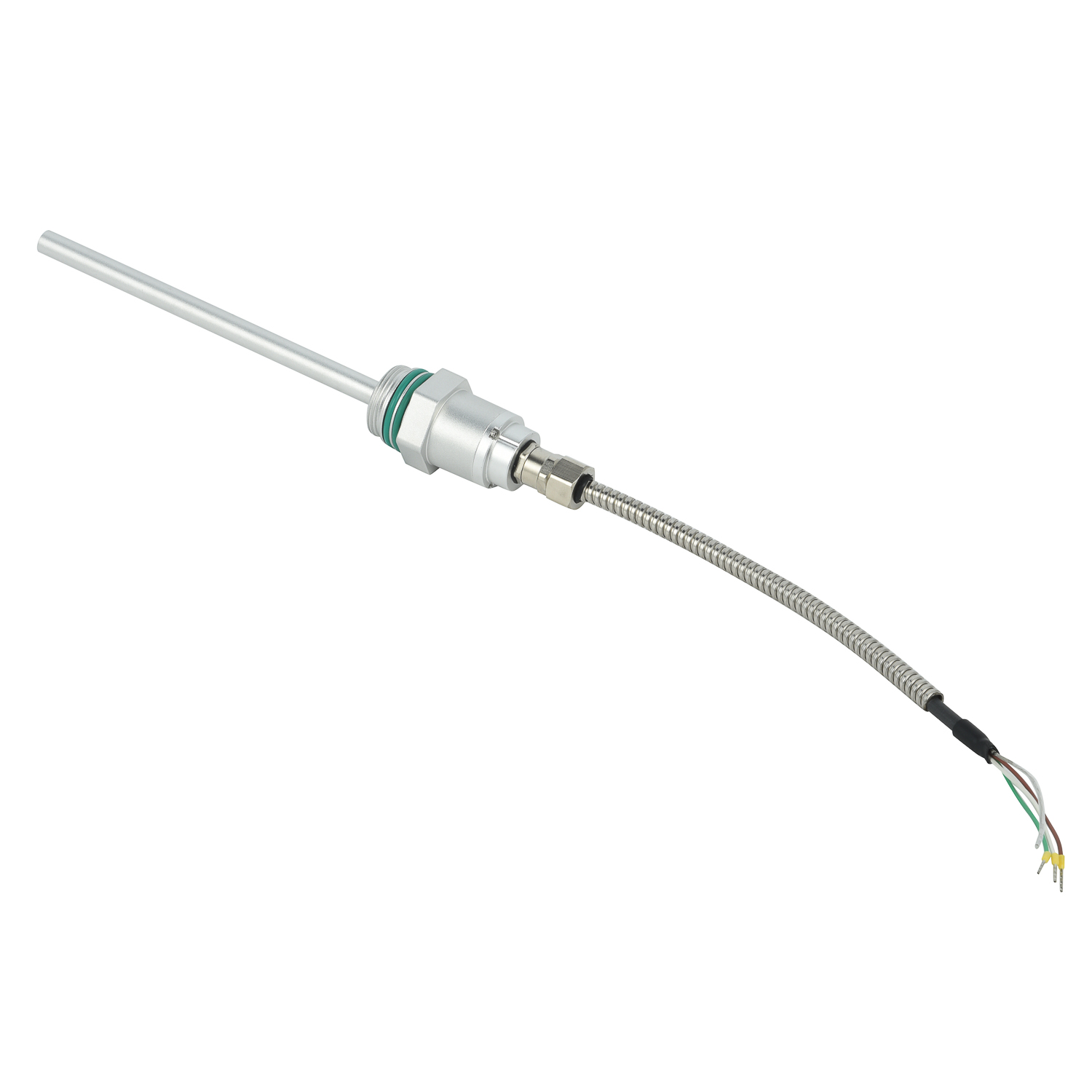
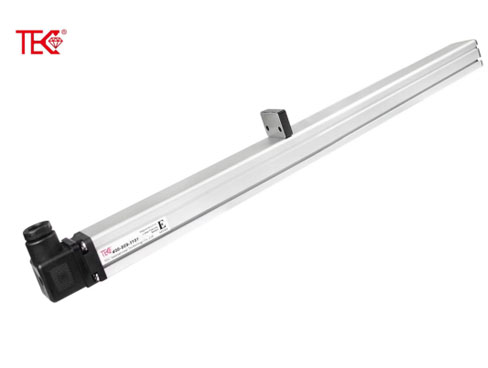
Power plant bridge cranes operate in hot, dusty, and vibration-rich environments where reliable positioning is essential for safe material handling and maintenance. Non-contact LVDT displacement sensors offer a practical field solution because they measure linear movement without mechanical contact, reducing wear and improving repeatability. In a typical installation, the sensor is mounted on the crane trolley or bridge structure, while a target is fixed to the moving component. The sensor outputs a proportional voltage or current signal that is sent to the PLC or crane control system for real-time position feedback. This supports accurate travel limits, anti-sway control, load positioning, and collision prevention. During commissioning, technicians verify mounting alignment, zero and span settings, and signal stability under load. Shielding and proper grounding are important because power plant sites contain motors, drives, and high-current cables. The non-contact design tolerates contamination and misalignment better than many contacting devices, lowering maintenance demand. In field applications, regular inspection of cable routing, target clearance, and connector sealing helps maintain long-term performance. Correct selection of stroke, IP rating, and output type further ensures stable operation. By integrating non-contact LVDT sensors, power plants can improve bridge crane safety, reduce downtime, and achieve more reliable displacement measurement in demanding operating conditions.
 Crane Waterproof LVDT Displace
 Overhead Crane High-pressure L
 Stacker-reclaimer High-tempera
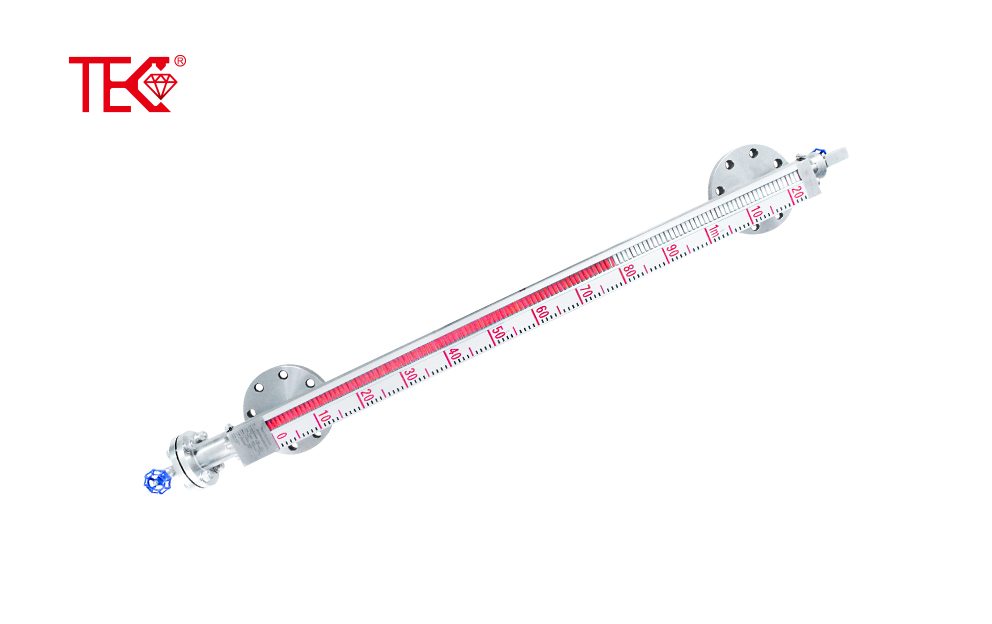 Bucket Wheel Stacker-reclaimer