
Mixing Station Explosion-proof Linear Displacement Sensor Price
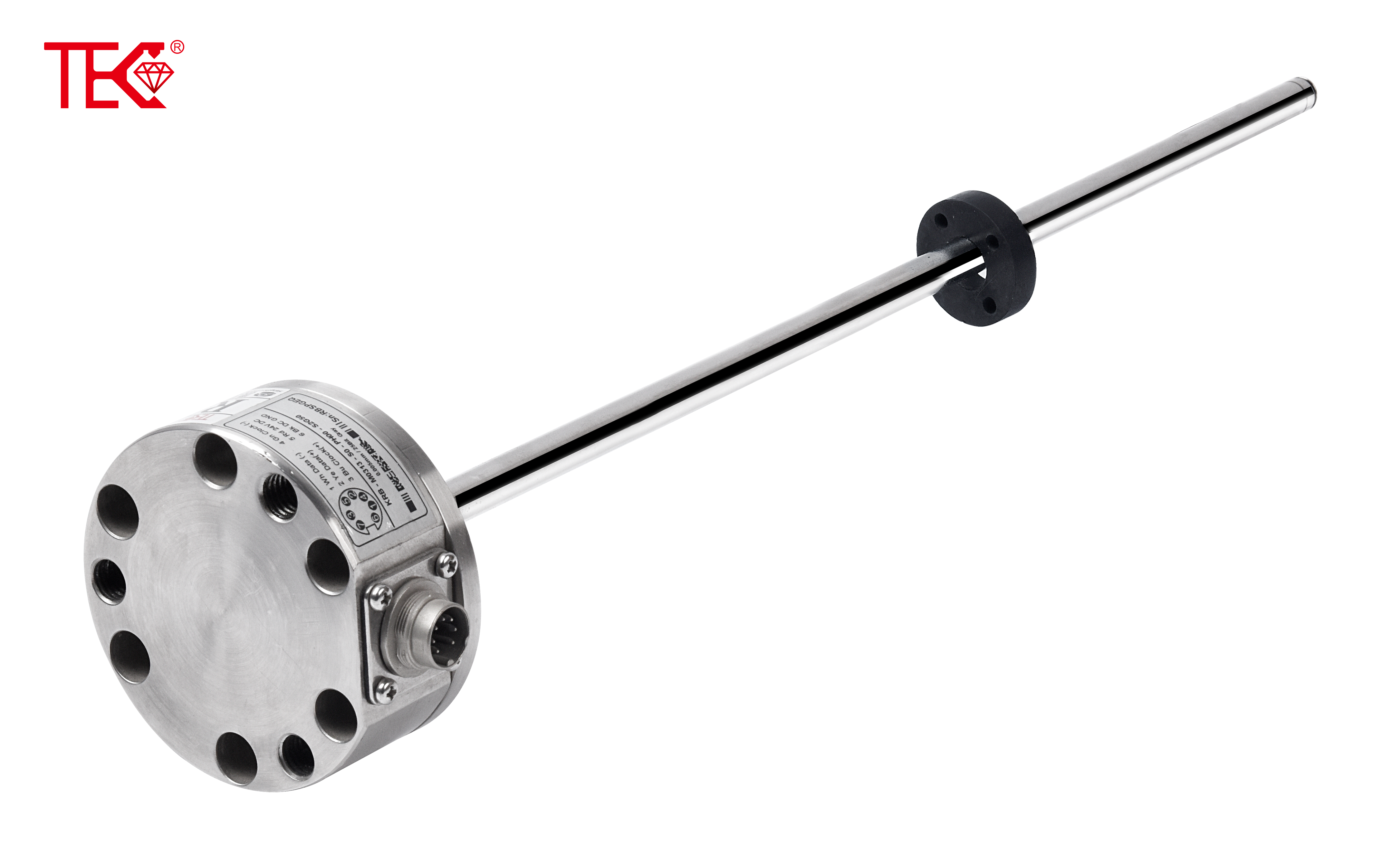
The price of an explosion-proof linear displacement sensor for a mixing station is influenced by stroke length, measuring accuracy, output signal, housing material, explosion-proof certification, protection rating, and installation style. A basic model may have a lower unit price, while a customized sensor with stainless steel housing, high IP protection, anti-corrosion treatment, and ATEX or local certification usually costs more. Buyers should evaluate total value instead of comparing only the initial price. Stable output, reliable sealing, and strong anti-interference performance can reduce downtime in dusty, humid, and flammable mixing environments. When requesting a quotation, provide the required measuring range, mechanical interface, electrical output, ambient temperature, explosion-proof grade, and order quantity. Small orders often carry higher unit costs, while bulk orders and long-term contracts may receive better pricing and delivery terms. Calibration support, warranty, after-sales service, lead time, and compatibility with the control system also affect the real cost. For mixing station projects, select a sensor that meets site safety rules and matches the existing PLC or control system. A suitable explosion-proof linear displacement sensor helps maintain mixing accuracy, improve equipment safety, and lower long-term maintenance costs. Confirm technical specifications and request a formal quotation before purchase. This approach supports safer and more efficient mixing operations.
 Crane Waterproof Linear Displa
 Overhead Crane High-pressure L
 Stacker-reclaimer High-tempera
 Bucket Wheel Stacker-reclaimer