
Mining High-temperature Magnetostrictive Level Gauge Selection
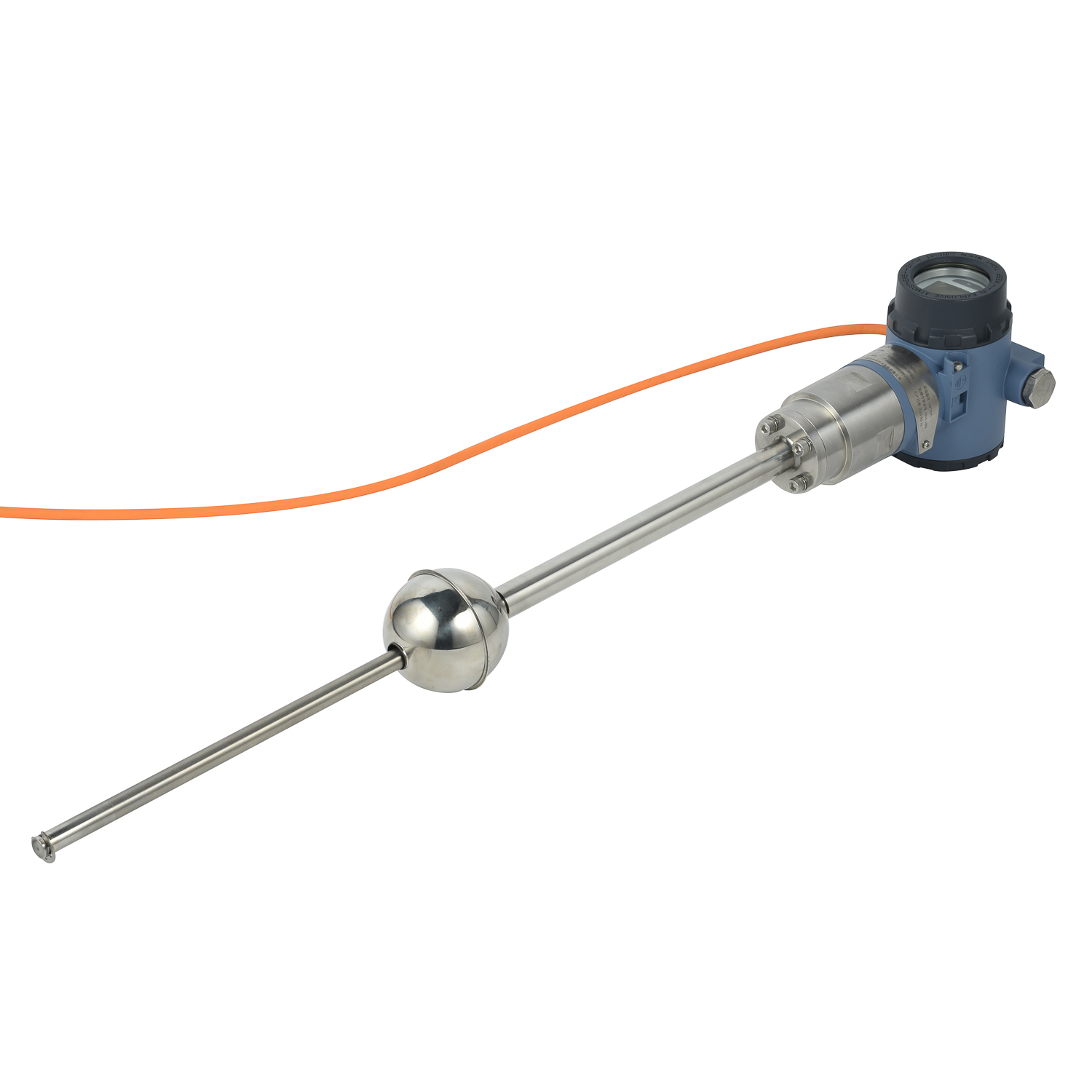
Selecting a magnetostrictive level gauge for mining high-temperature applications requires attention to process conditions, safety, and long-term reliability. First, confirm the maximum operating temperature and thermal cycling range. Standard probes may fail above 80–100°C, so specify a high-temperature model with suitable insulation and electronics separated from the hot zone. Next, match the probe material and flange to the slurry: stainless steel 316L for corrosive water, Hastelloy or PTFE coatings for acid mine drainage, and abrasion-resistant guides for dense ore slurries. Verify pressure rating, tank depth, and mounting position, avoiding turbulent inlet zones. In mining, dust, vibration, and explosive atmospheres are common; choose IP66/IP67 housing and certified explosion-proof versions where required. The gauge should provide 4–20 mA, HART, or Modbus output for integration with SCADA. Consider dual-float or interface versions for oil-water or froth layers. Installation needs a stilling well or bypass chamber when surface agitation is strong. Calibration and local support matter: check temperature compensation, diagnostic functions, and spare-parts availability. Finally, review maintenance access, cleaning methods, and expected service life. A correctly selected high-temperature magnetostrictive level gauge improves safety, reduces downtime, and delivers stable level measurement in demanding mining operations. Confirm certifications and spare parts before purchase. This reduces risk.
 Chemical Industry High-pressur
Mining High-temperature Magnet
 Metallurgy Explosion-proof Mag
 Grain and Oil Storage Tank Sil