
Port Material Tank Float-type Magnetostrictive Level Gauge Installation Method
Installing a float-type magnetostrictive level gauge in a port material tank requires careful preparation to ensure accurate, stable level measurement. First, confirm the tank's dimensions, medium properties, pressure, temperature, and connection type. Select a mounting position away from the inlet, agitator, and turbulent flow. The gauge must be installed vertically; any tilt can restrict float movement and cause measurement error.
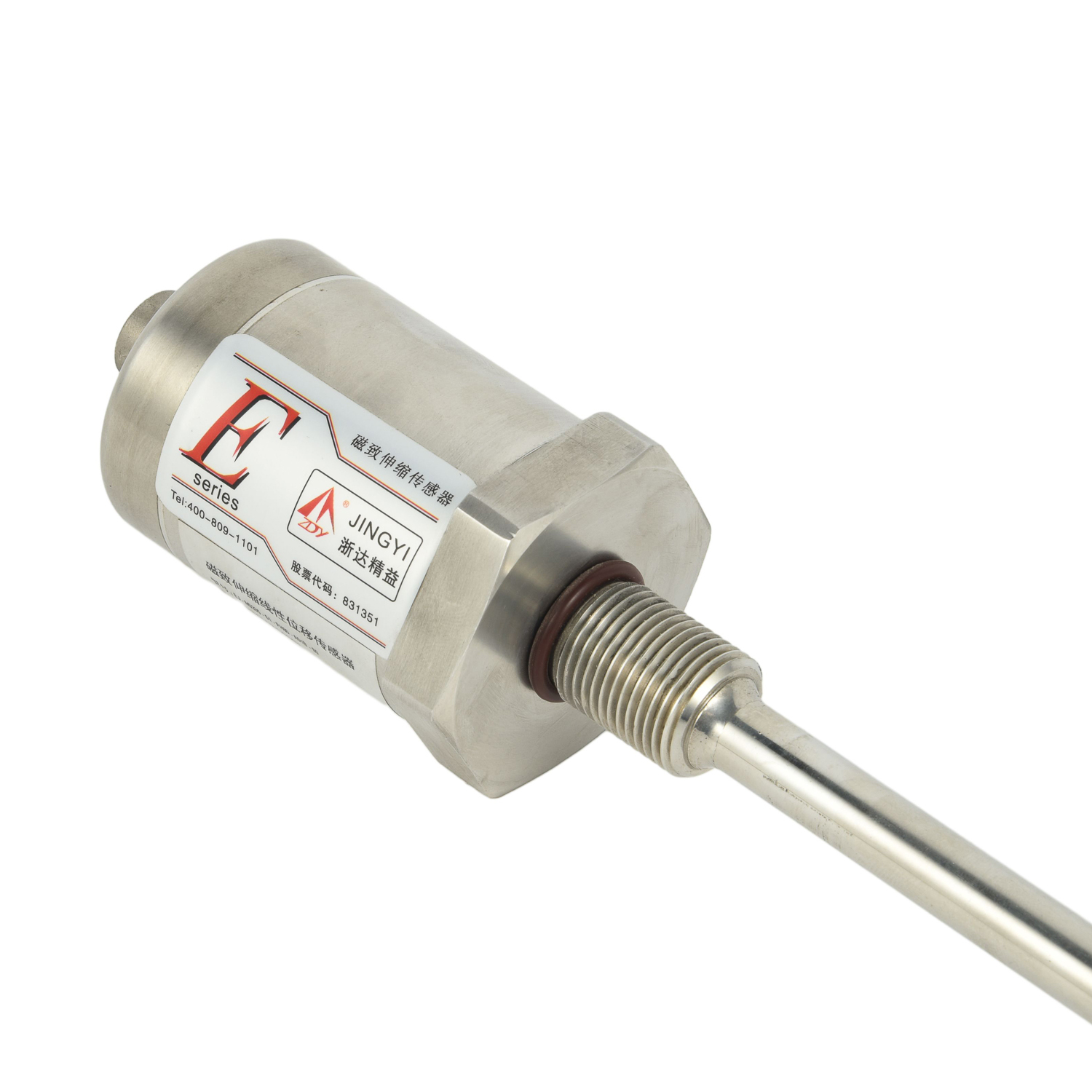
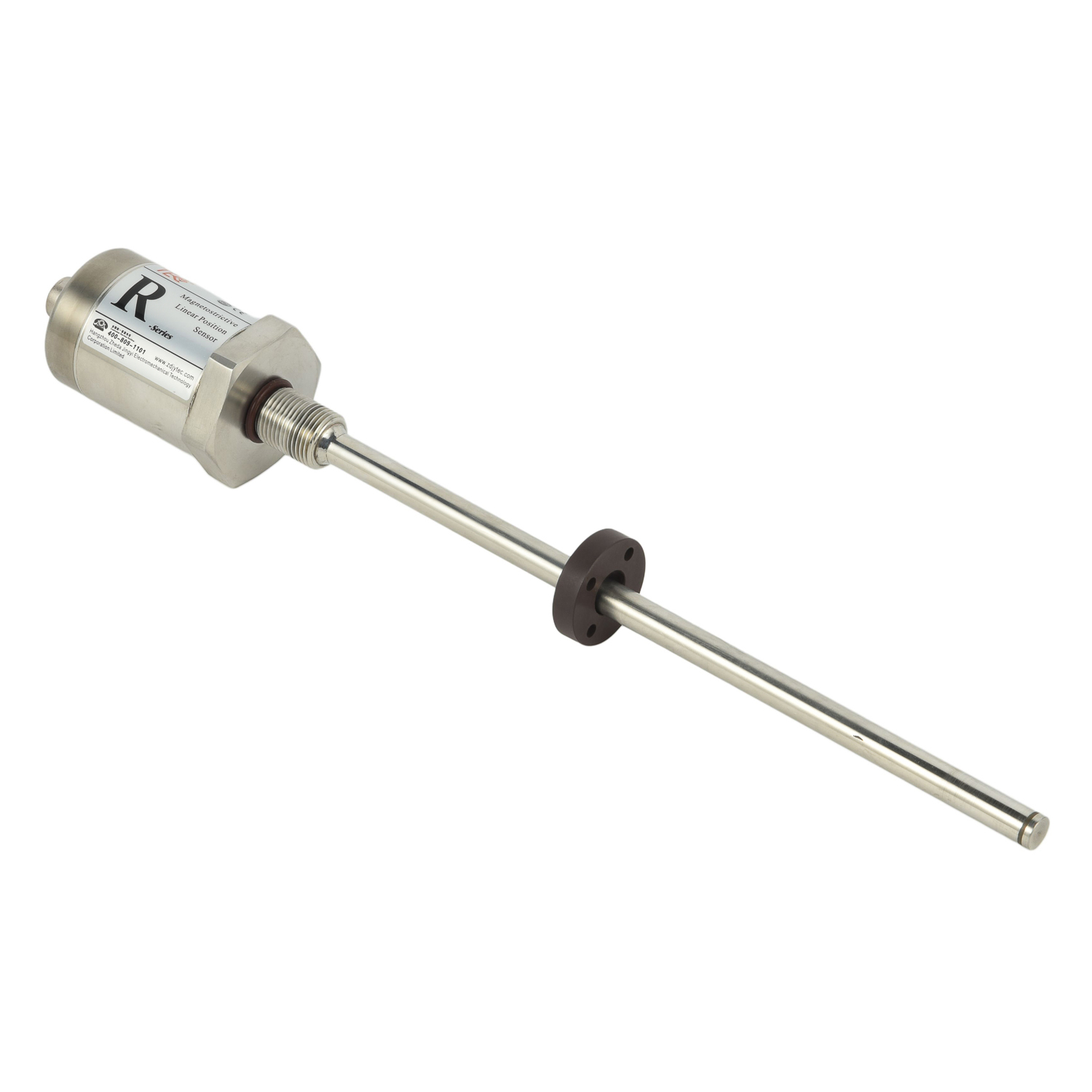
Before installation, check the flange or thread, float orientation, and probe length. Clean the mounting port and replace the gasket. For top-mounted units, lower the probe slowly into the tank to avoid bending. Confirm the float moves freely and does not touch the tank wall, baffles, heating coils, or other internals. Keep a suitable clearance below the float and set the lower dead zone according to the manual.
Tighten the flange bolts evenly or the threaded connection securely, but do not over-torque the probe. Electrical wiring should follow the wiring diagram. Use shielded cable, separate power and signal cables, and ground the gauge and tank properly to reduce interference. After wiring, verify insulation and power supply. During commissioning, set the zero and full-scale points and compare readings with a manual measurement. Record all settings and keep the installation records for future maintenance. If the signal jumps, check float blockage, grounding, and parameter settings. Regular inspection keeps the gauge reliable in port material tank service.
 Power Plant Reaction Kettle Fl
Port Material Tank Float-type
 Water Conservancy Hoist Corros
 Sewage Treatment Gate Waterpro