
Injection Molding Machine Built-in Hydraulic Cylinder Magnetostrictive Displacement Sensor Selection
Selecting a magnetostrictive displacement sensor for an injection molding machine's built-in hydraulic cylinder requires matching sensor performance to the real working cycle. First confirm stroke length, mounting space, rod bore, and whether the sensor can be installed inside the cylinder without interfering with piston travel. Specify absolute position output, repeatability, resolution, and update rate that meet clamping, injection, and ejection control needs. Because hydraulic cylinders operate under high pressure, oil temperature, vibration, and contamination, choose a robust probe, pressure-resistant flange, sealed connector, and suitable IP rating. Check the pressure rating and material compatibility with hydraulic oil, and protect the electronics from heat soak and mechanical shock. The sensor must resist electromagnetic interference from drives and heaters; shielded cable and stable grounding are essential. Review output interfaces such as analog, SSI, CANopen, or IO-Link for compatibility with the machine controller. Define cable routing, connector orientation, and spare-part availability for fast maintenance. Consider temperature range, linearity, hysteresis, and long-term stability, then verify calibration and service access. Also verify stroke coverage and dead zones to avoid signal loss at cylinder ends. Where needed, request factory calibration data and a test report. A correctly selected built-in sensor improves closed-loop control, reduces downtime, and supports precise, repeatable injection molding.
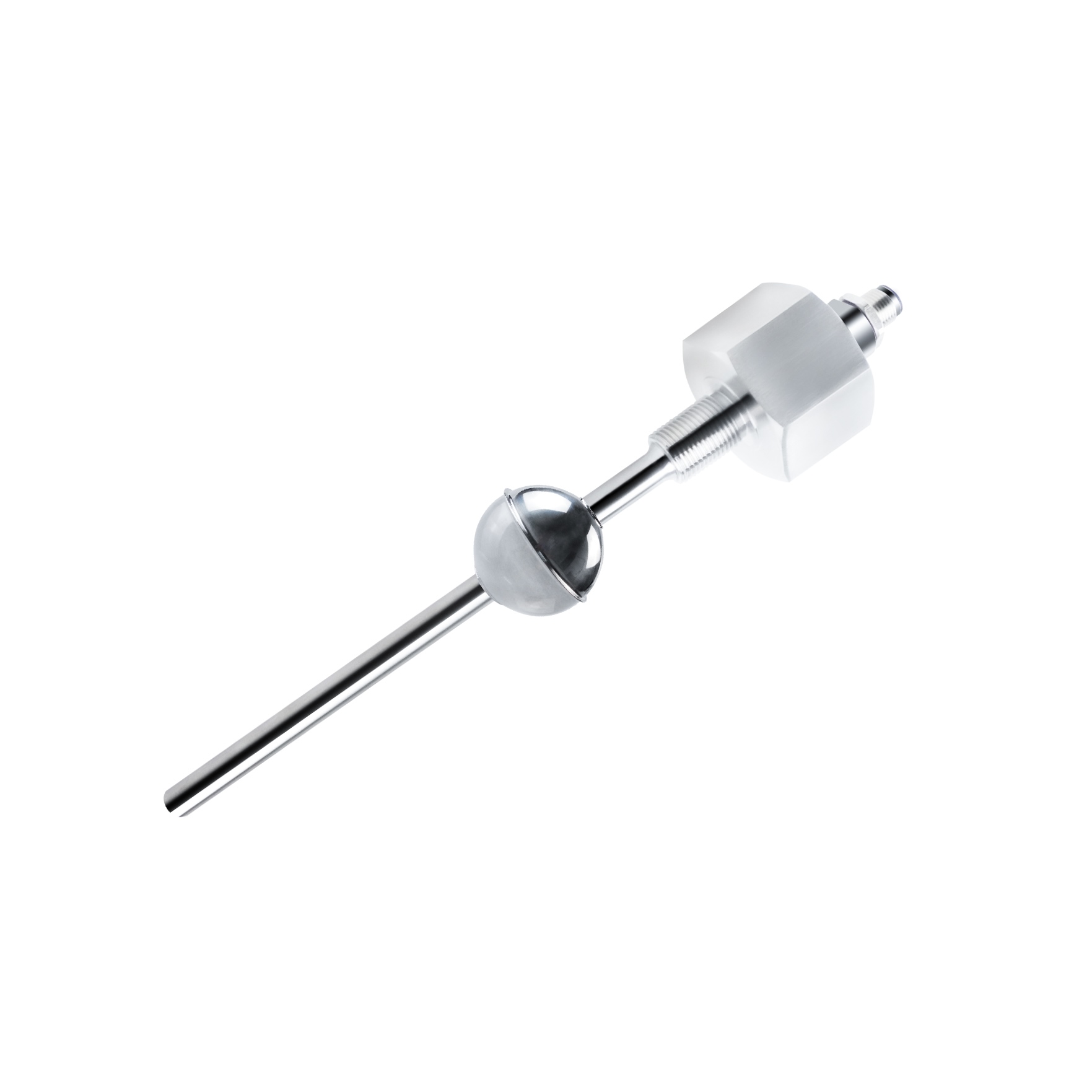
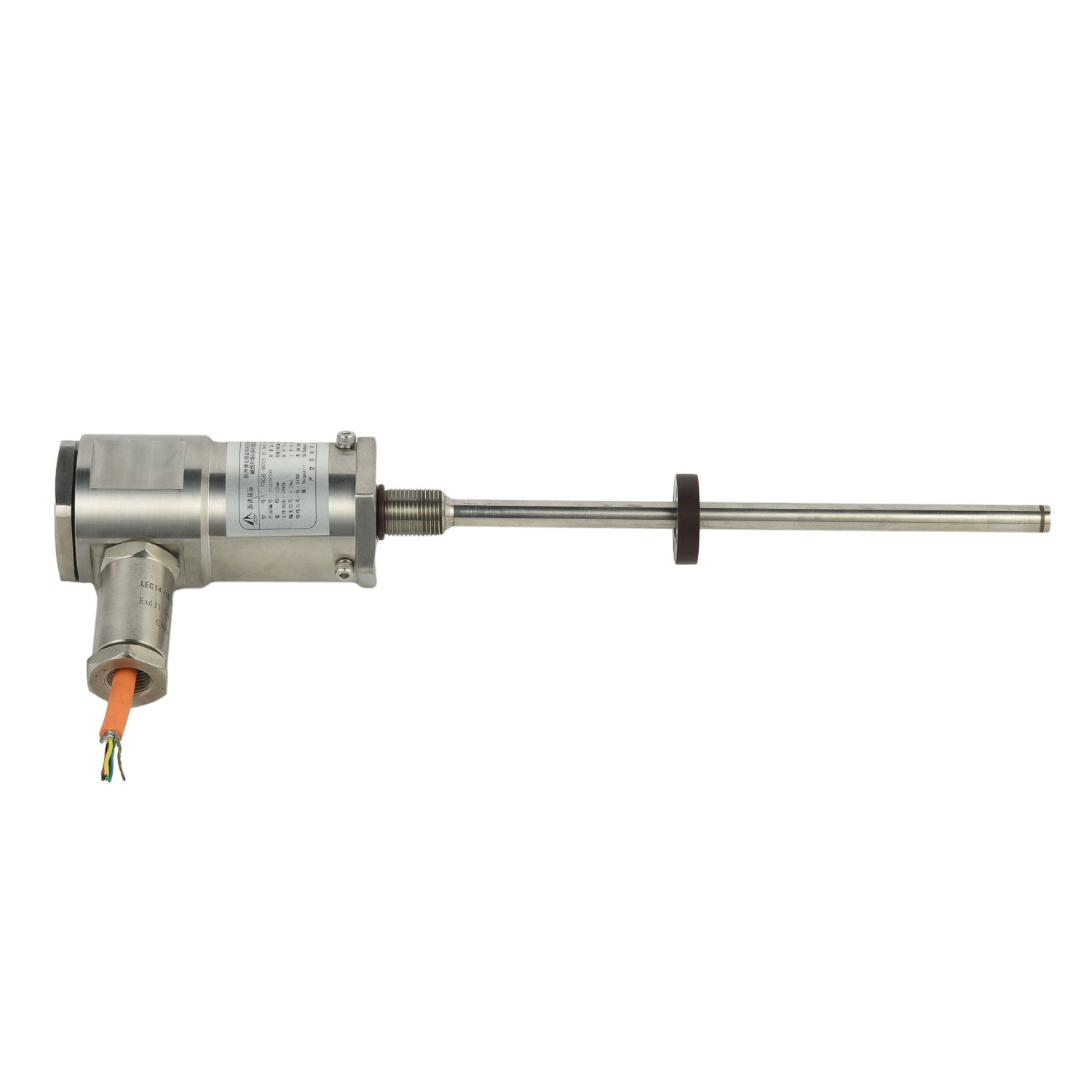 Die Casting Machine Explosion-
Injection Molding Machine Buil
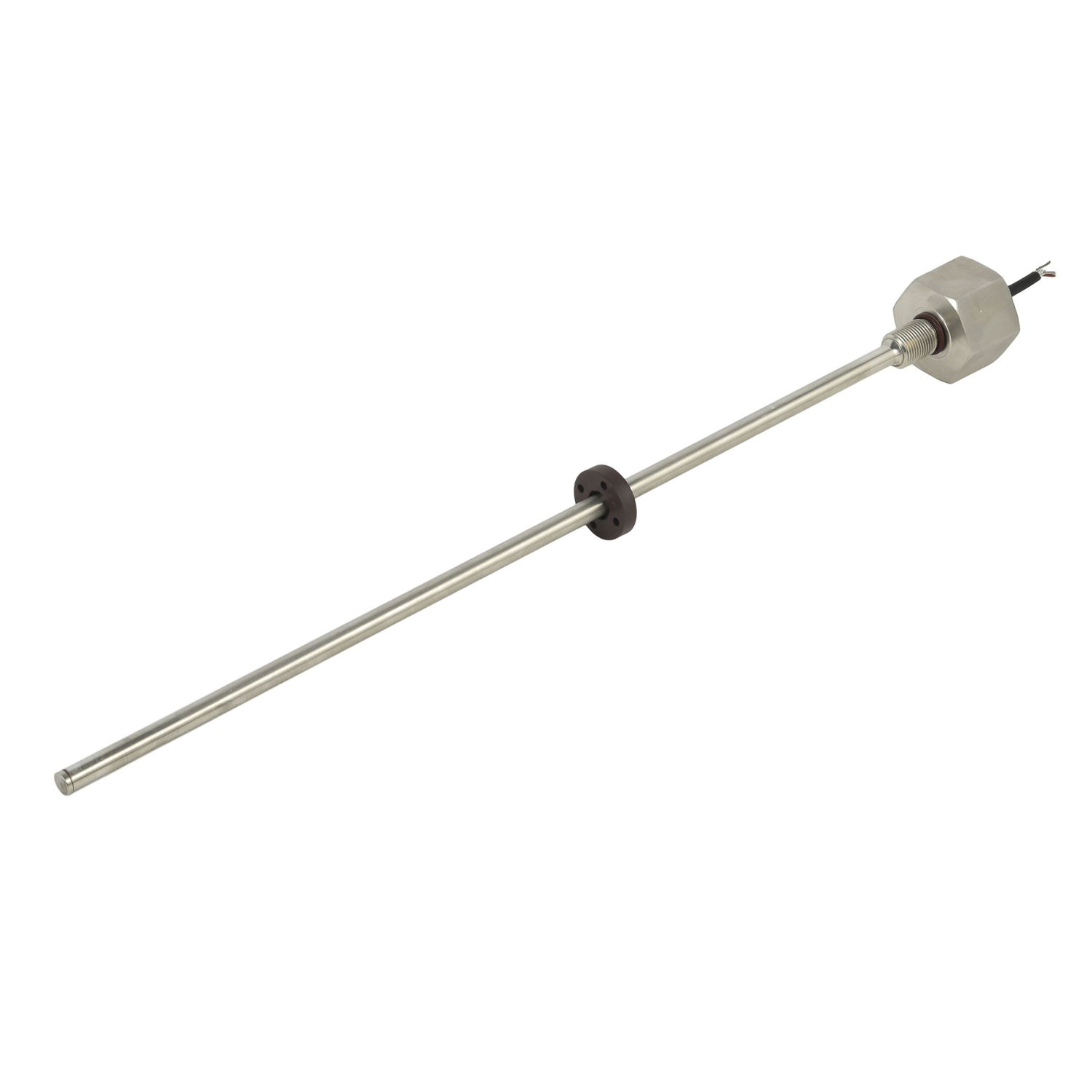 Hoist High-temperature Magneto
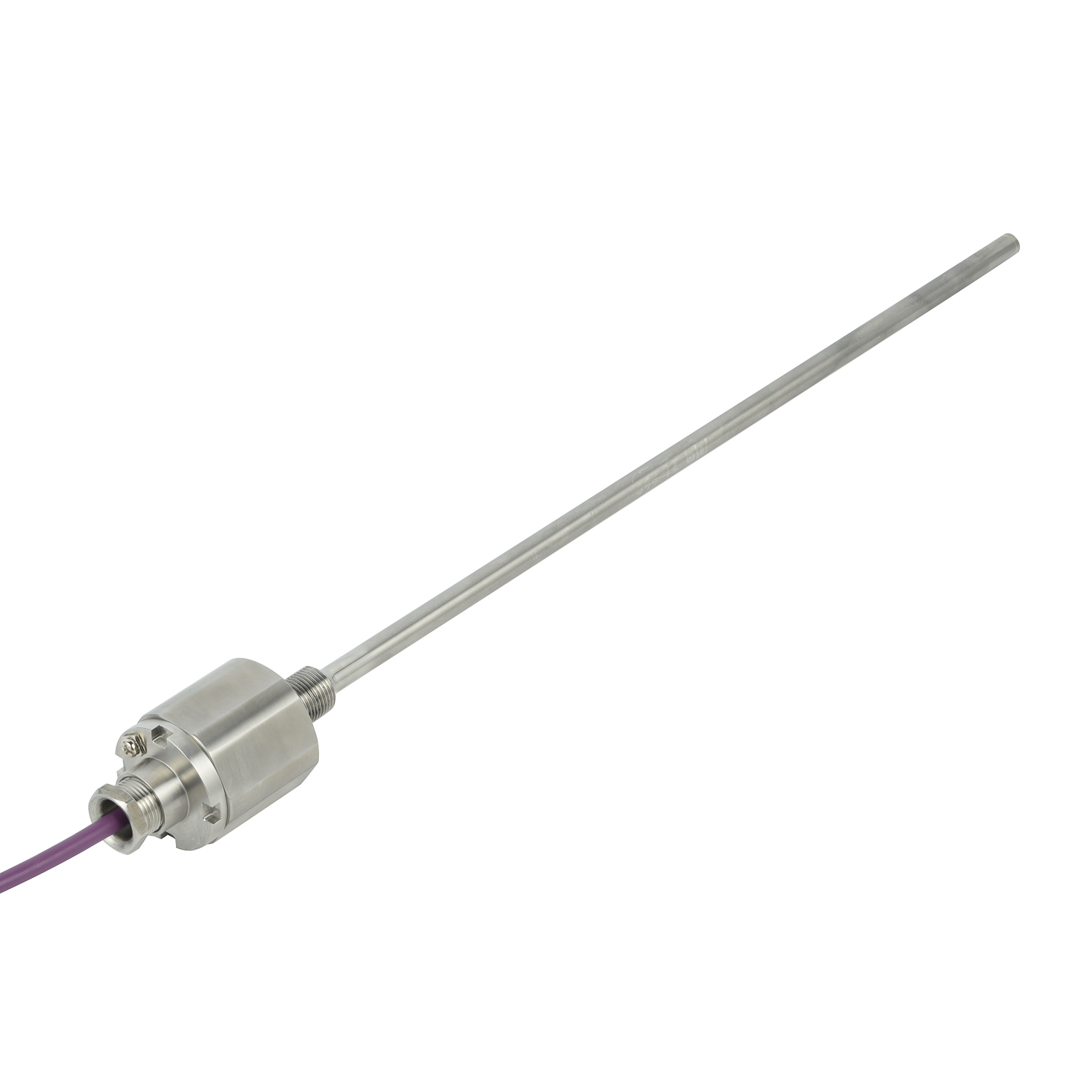 Gate Explosion-proof Magnetost