
Mining High-temperature Magnetostrictive Displacement Sensor Selection
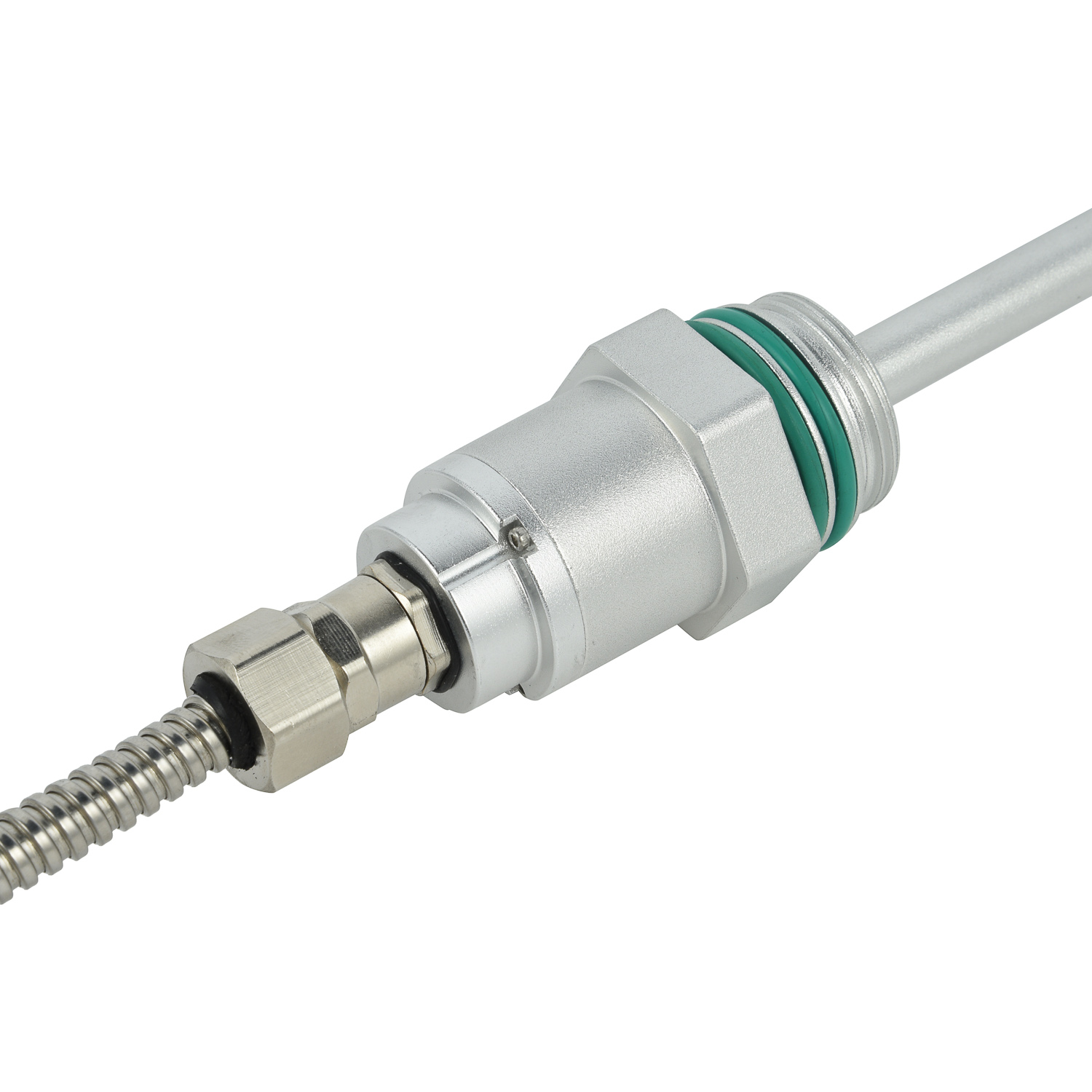
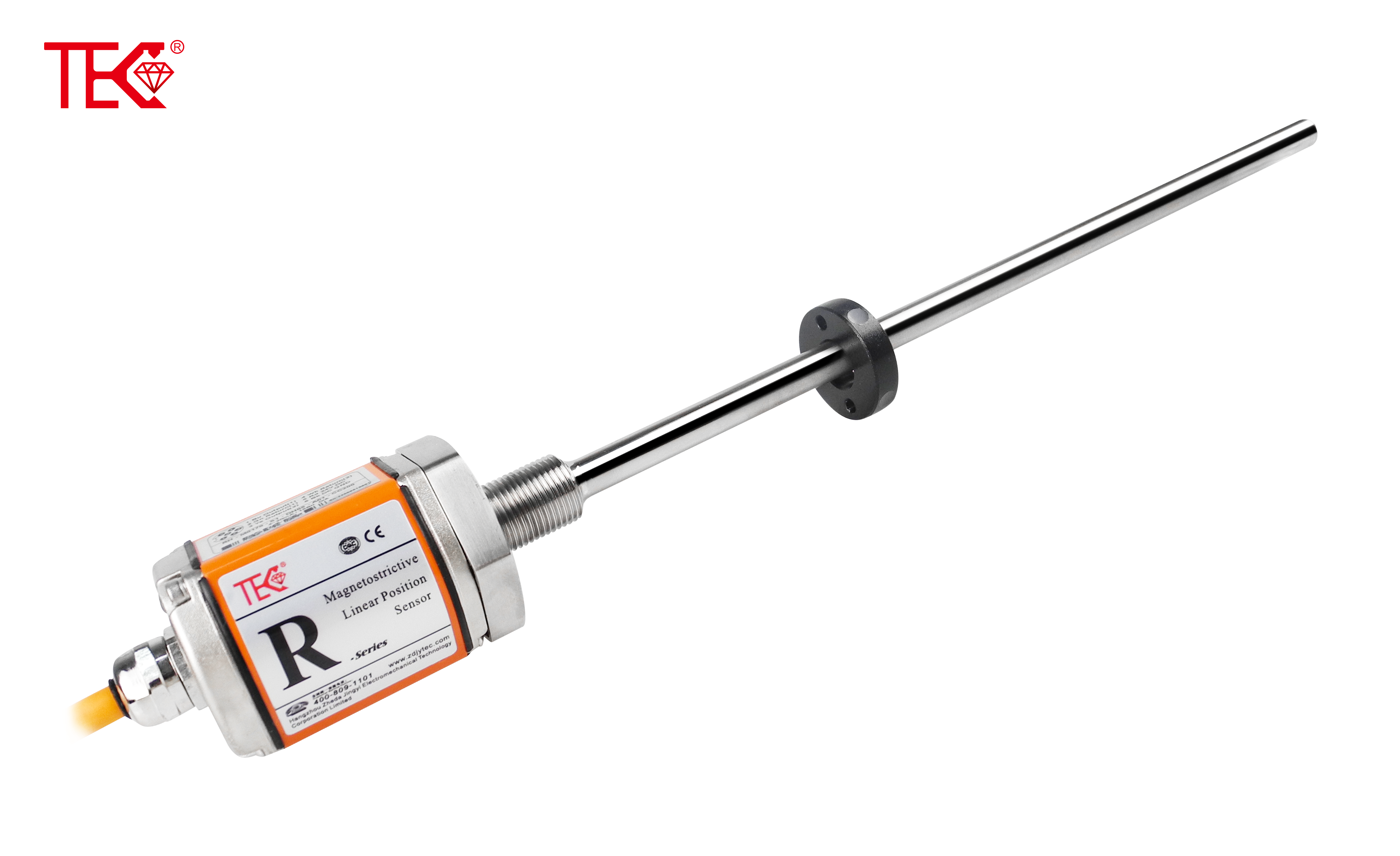
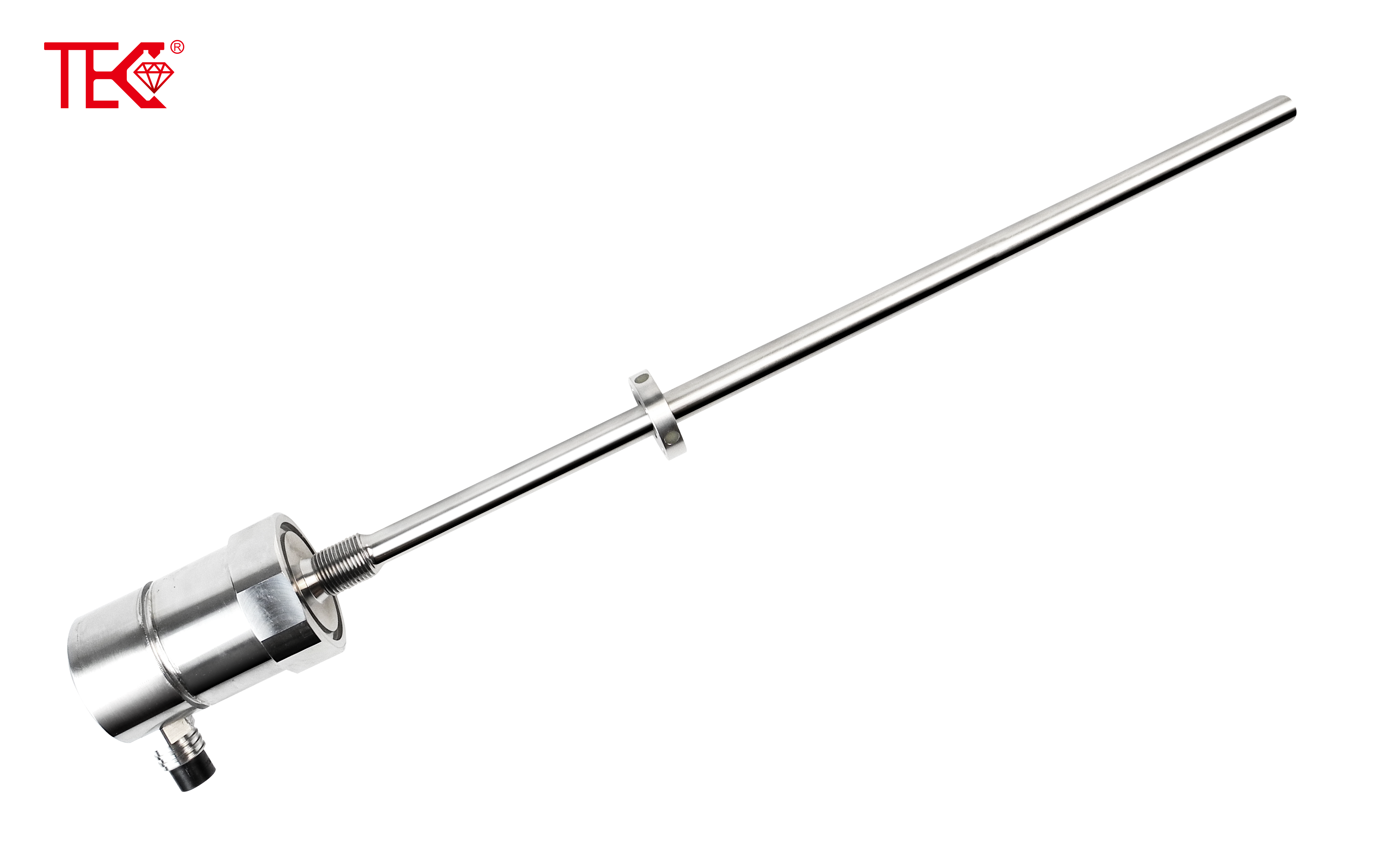
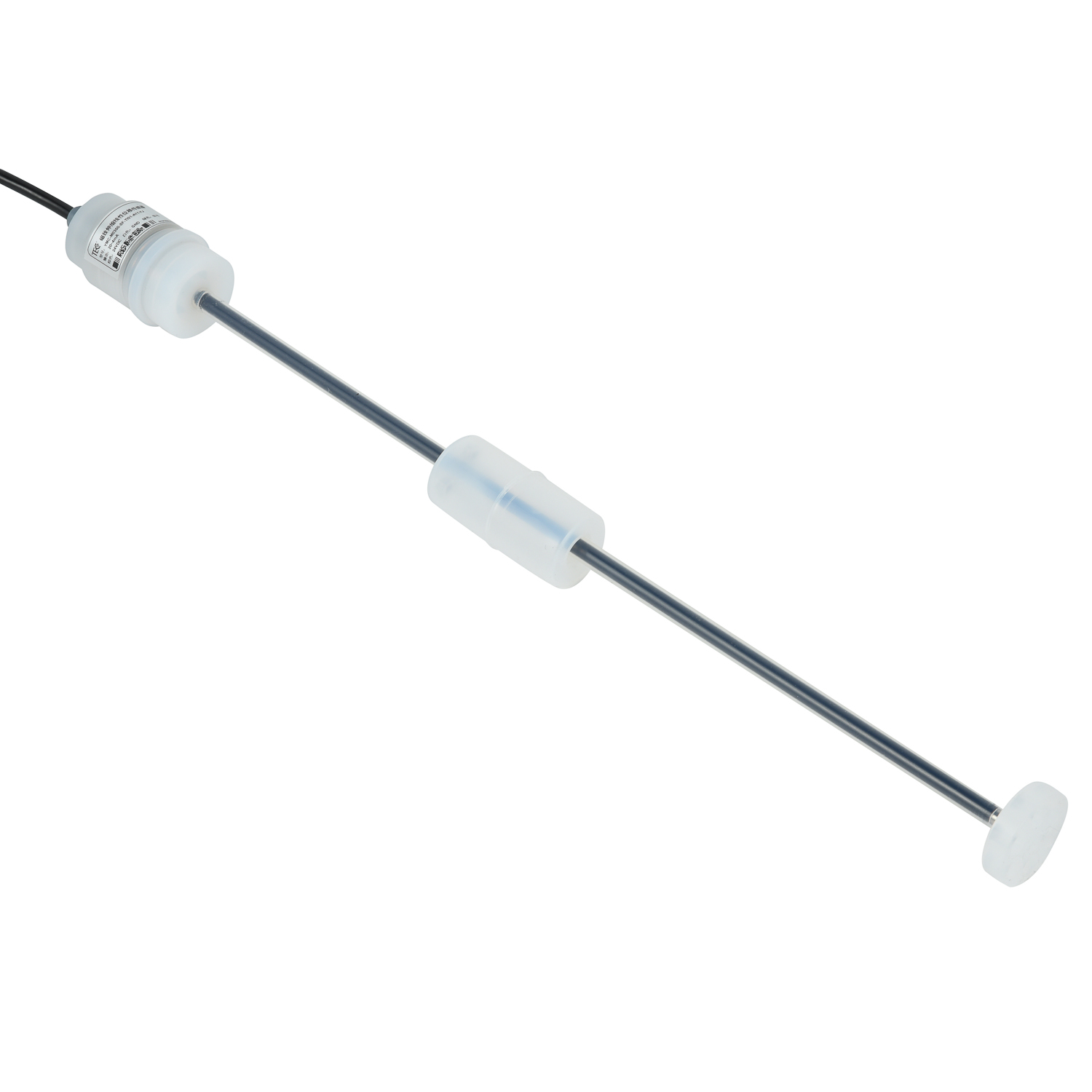
Selecting a high-temperature magnetostrictive displacement sensor for mining requires more than matching stroke length. Mining equipment operates under heat, dust, vibration, impact, moisture, and electromagnetic interference, so the sensor must be specified as a system. First, confirm the maximum continuous and peak temperatures at the mounting point. Choose a sensor rated above the highest expected temperature, with stable thermal compensation and heat-resistant cables. Next, define stroke, resolution, repeatability, and linearity based on hydraulic cylinder or gate control needs. A robust magnetostrictive element and guided magnet assembly improve reliability in dirty conditions. Enclosure protection should suit washdown, dust, and corrosion; stainless steel housings, IP67 or higher, and sealed connectors are preferred. For underground or explosive areas, select certified explosion-proof models with suitable ATEX/IECEx ratings. Output must match the PLC or controller: analog 4-20 mA, 0-10 V, SSI, CAN, or fieldbus. Check EMC immunity because mining drives and welders create noise. Mounting is critical: avoid mechanical stress, ensure alignment, protect rods from impact, and route cables away from heat and moving parts. Maintenance access and spare-part availability also affect cost. Finally, request test data for temperature drift, shock, vibration, and service life. A well-selected sensor improves positioning accuracy, reduces downtime, and keeps mining operations safe and productive.
 Overhead Crane High-pressure M
 Stacker-reclaimer High-tempera
 Bucket Wheel Stacker-reclaimer
 Hydraulic Cylinder Built-in Ma