
Shield Tunneling Rod-type Magnetostrictive Displacement Sensor Fault
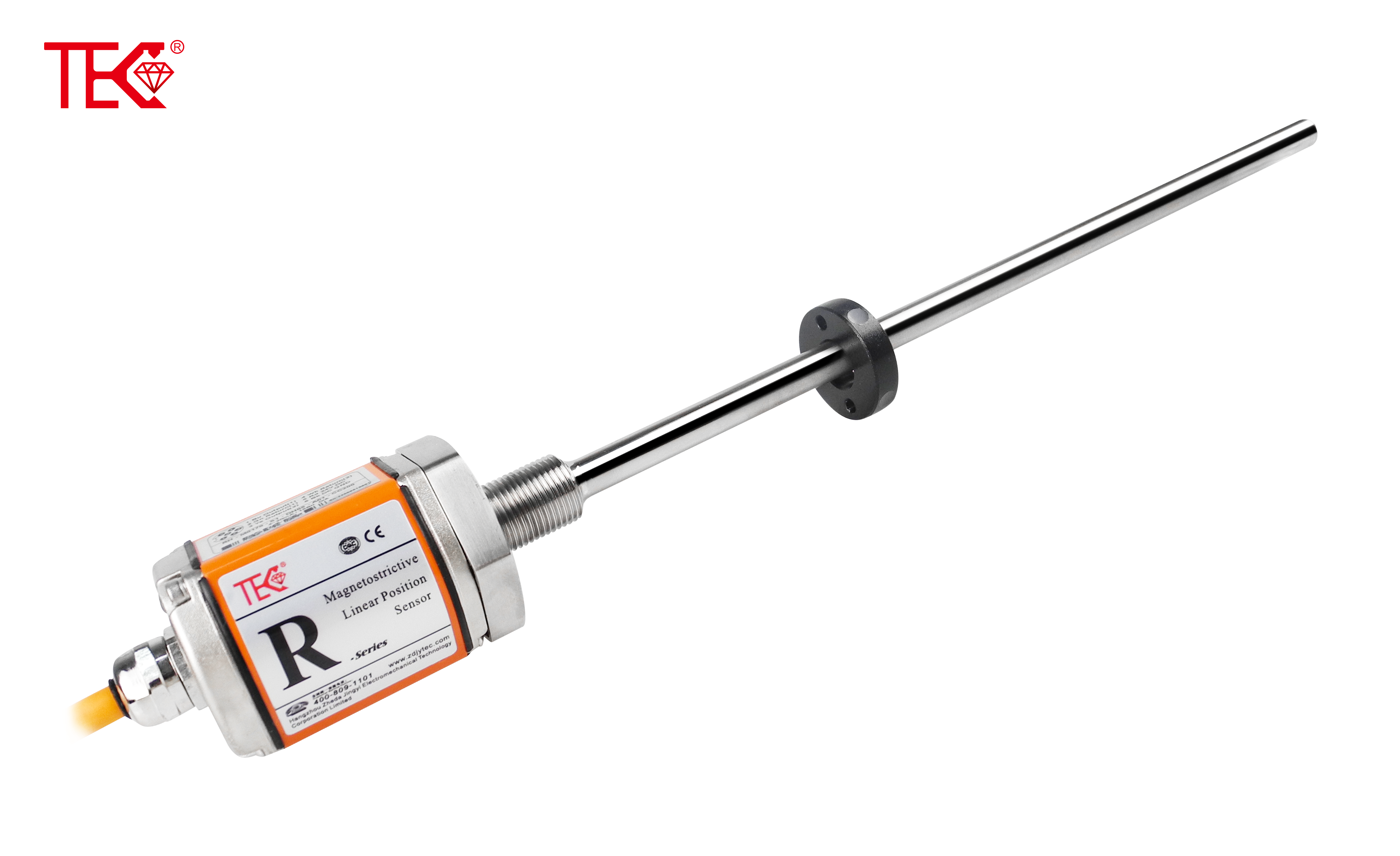
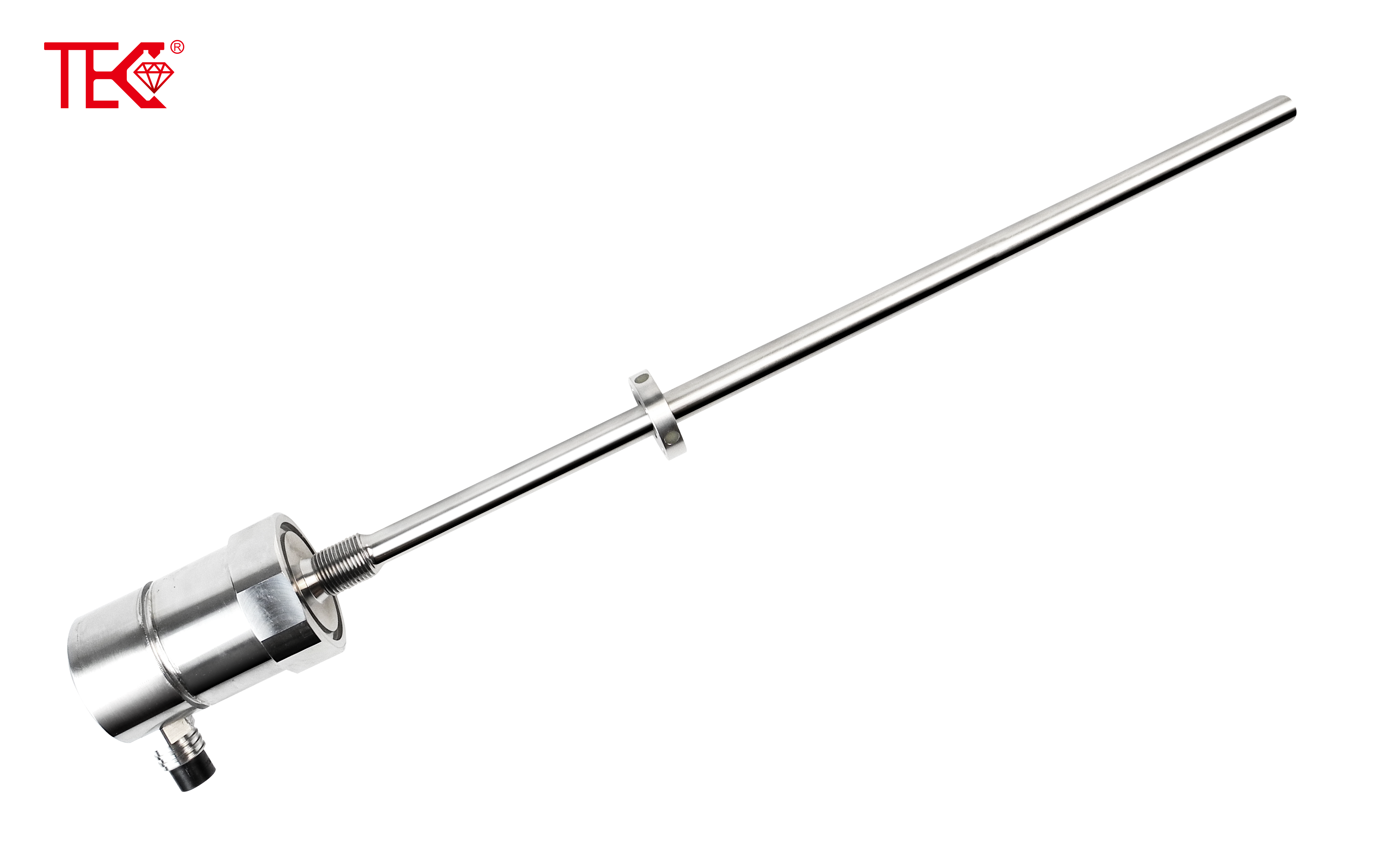
Shield tunneling machines rely on rod-type magnetostrictive displacement sensors to monitor hydraulic cylinder stroke, thrust, and cutterhead positioning. A sensor fault often appears as signal jumps, zero drift, unstable readings, or complete loss of output. Common causes include rod bending or wear, damaged seals, contaminated hydraulic oil, loose connectors, cable damage, poor grounding, and electromagnetic interference from inverters and motors. Moisture, dust, and continuous vibration in the tunnel can also reduce insulation resistance and accelerate mechanical wear. To diagnose the fault, first check the supply voltage and output signal with a multimeter or PLC trend. Inspect the cable, connector, and shielding, and verify grounding. Compare the reading with a mechanical reference or a spare sensor. Clean the rod, check alignment and mounting, and replace worn seals or a bent rod. For electrical faults, test insulation and observe signal stability under vibration. Preventive maintenance should include regular calibration, vibration damping, sealed protection, cable routing away from power lines, and scheduled inspection of hydraulic oil and seals. A damaged rod can bend under side load and cause nonlinear output, so check cylinder alignment and mechanical guides during every maintenance window. Keeping the sensor rod clean and aligned is important. Fast fault identification improves shield tunneling safety, reduces downtime, and protects the guidance system. Early warning is vital.
 Overhead Crane High-pressure M
 Stacker-reclaimer High-tempera
 Bucket Wheel Stacker-reclaimer
 Hydraulic Cylinder Built-in Ma