
Sewage Treatment Pipeline Electromagnetic Ultrasonic Thickness Probe
Sewage treatment pipelines operate under harsh conditions. Wastewater, sludge, hydrogen sulfide, and abrasive particles can gradually reduce pipe wall thickness, creating leak and failure risks. An electromagnetic ultrasonic thickness probe offers a practical way to inspect these pipelines without removing protective coatings or shutting down every process. The probe uses electromagnetic acoustic transduction to generate and receive ultrasonic waves directly in the metal wall. Because it does not require a liquid couplant, it is suitable for rough, coated, and hard-to-access surfaces often found in wastewater plants. Regular thickness measurement helps maintenance teams track corrosion rates, locate thinning areas, and plan repairs before safety or environmental incidents occur. This helps reduce unplanned downtime. The probe can be used on carbon steel, stainless steel, and other conductive materials. It supports spot checks, portable surveys, and online monitoring when integrated with fixed sensors. Key benefits include non-contact measurement, reduced surface preparation, fast scanning, and reliable data in humid or dirty environments. For best results, operators should clean loose debris, verify material properties, calibrate the instrument, and record readings at fixed grid points. Coupled with trend analysis, an electromagnetic ultrasonic thickness probe supports predictive maintenance, extends pipeline service life, and improves the safety and efficiency of sewage treatment operations.
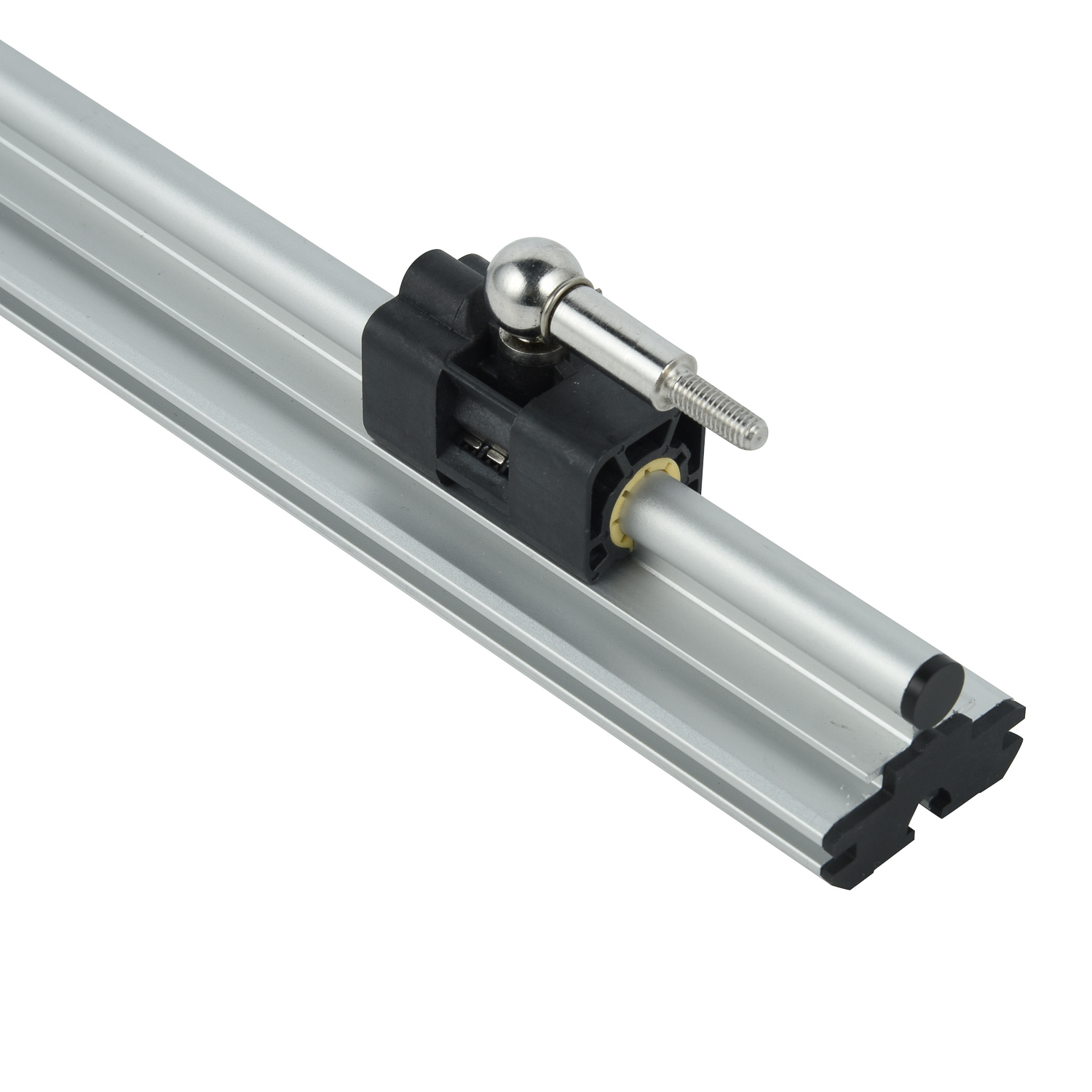 Sewage Treatment Pipeline Elec
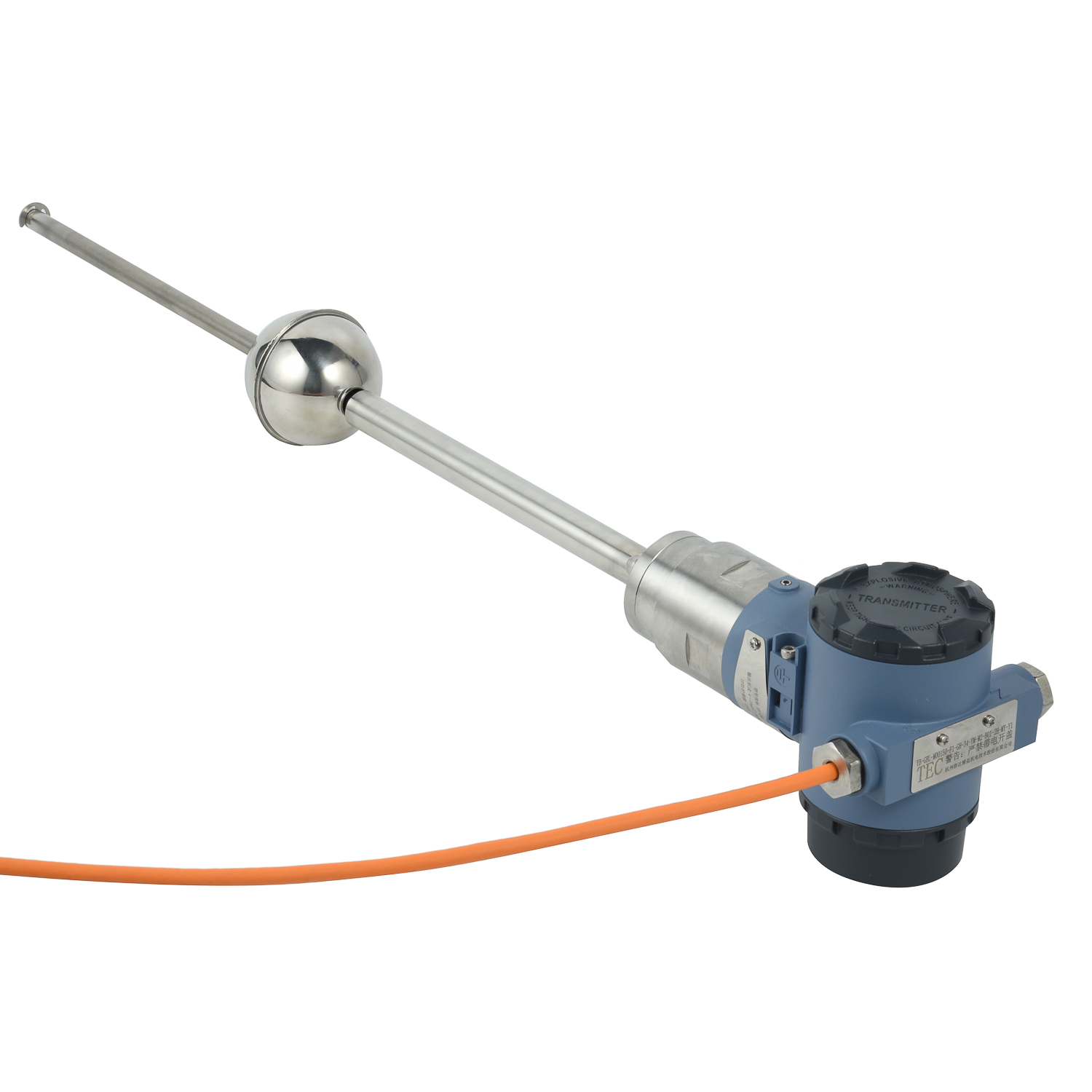 Grain and Oil Storage Tank Bod
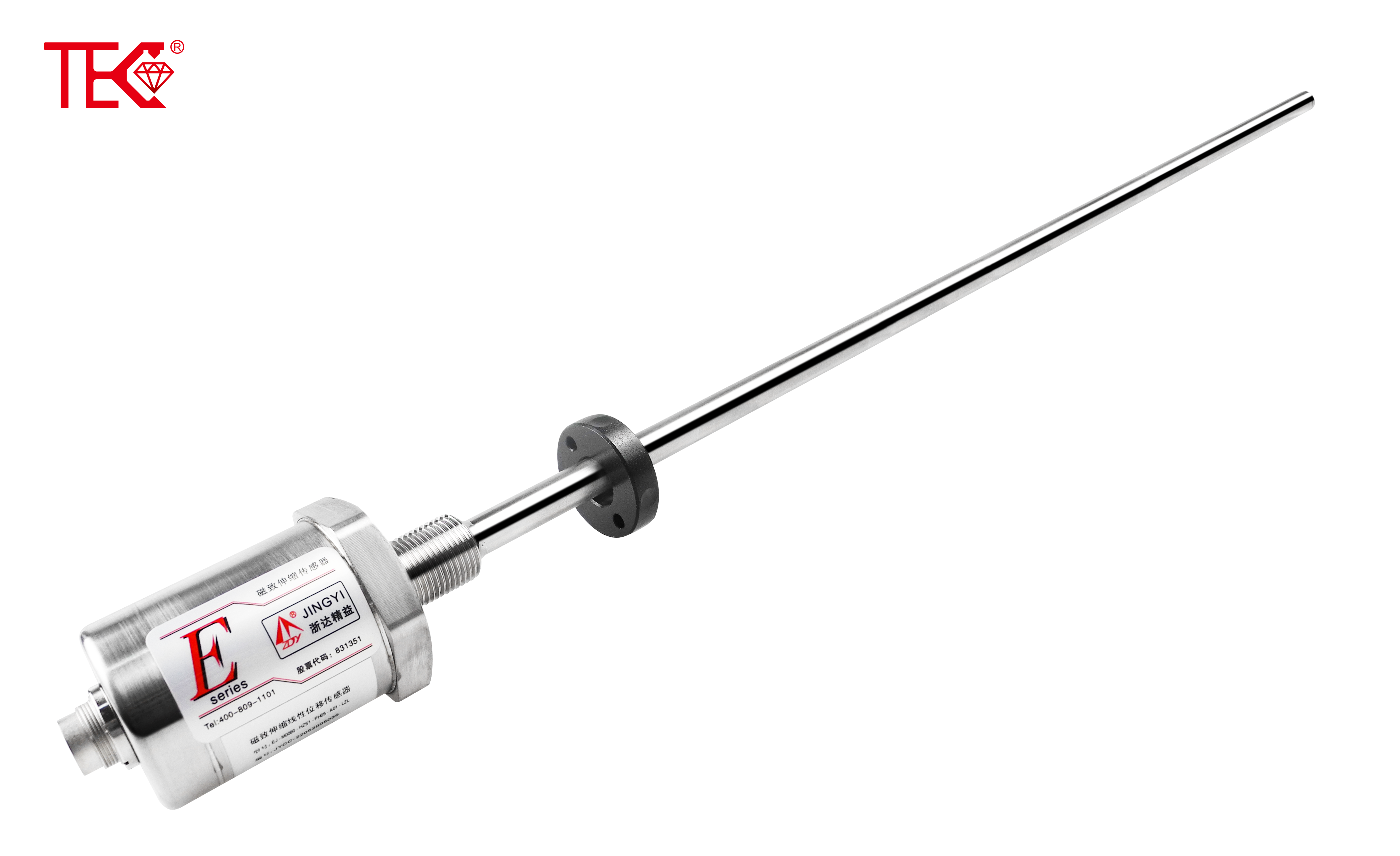 Power Plant Boiler Electromagn
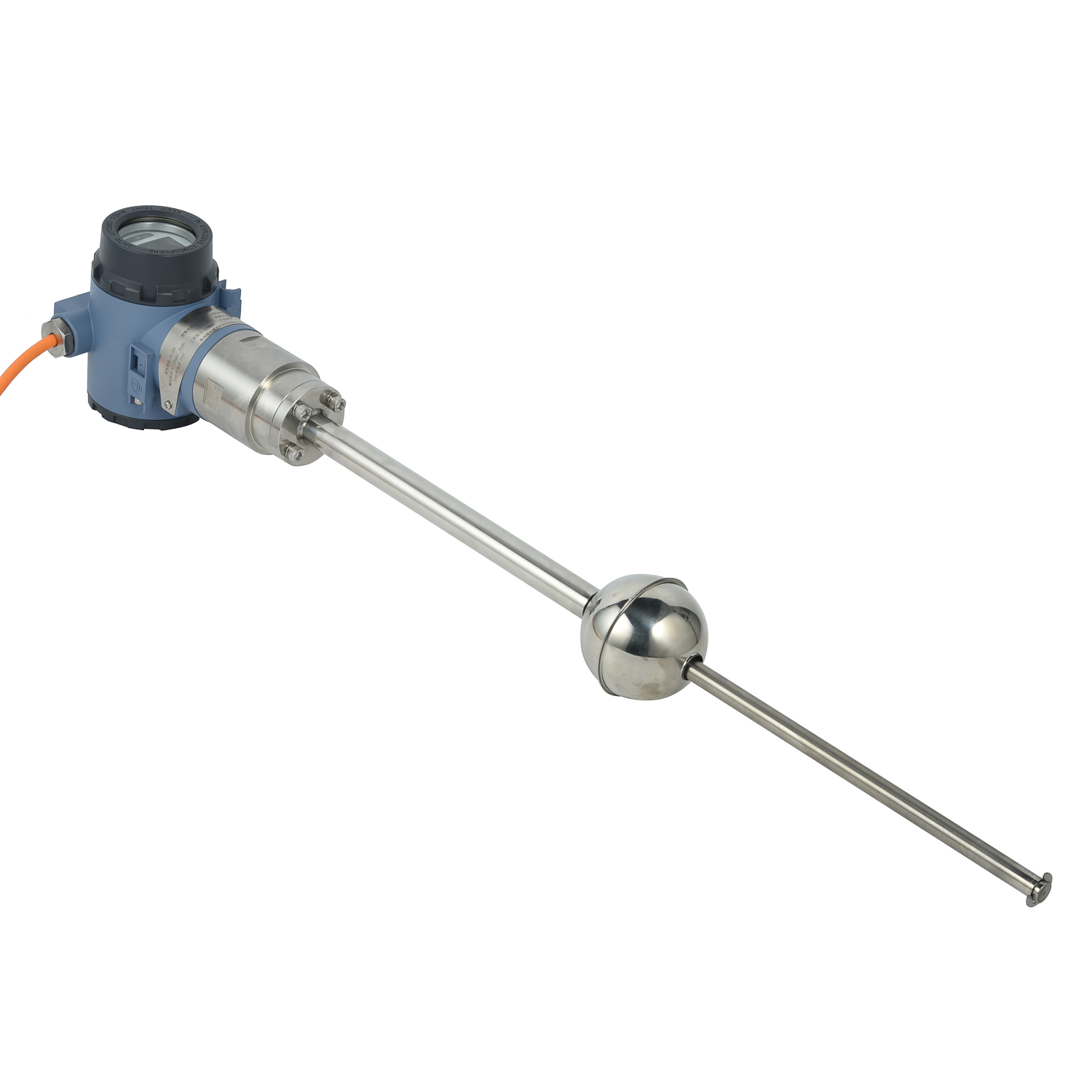 Chemical Pipeline Electromagne