
Intrinsically Safe Explosion-proof Electromagnetic Ultrasonic Thickness Probe Selection
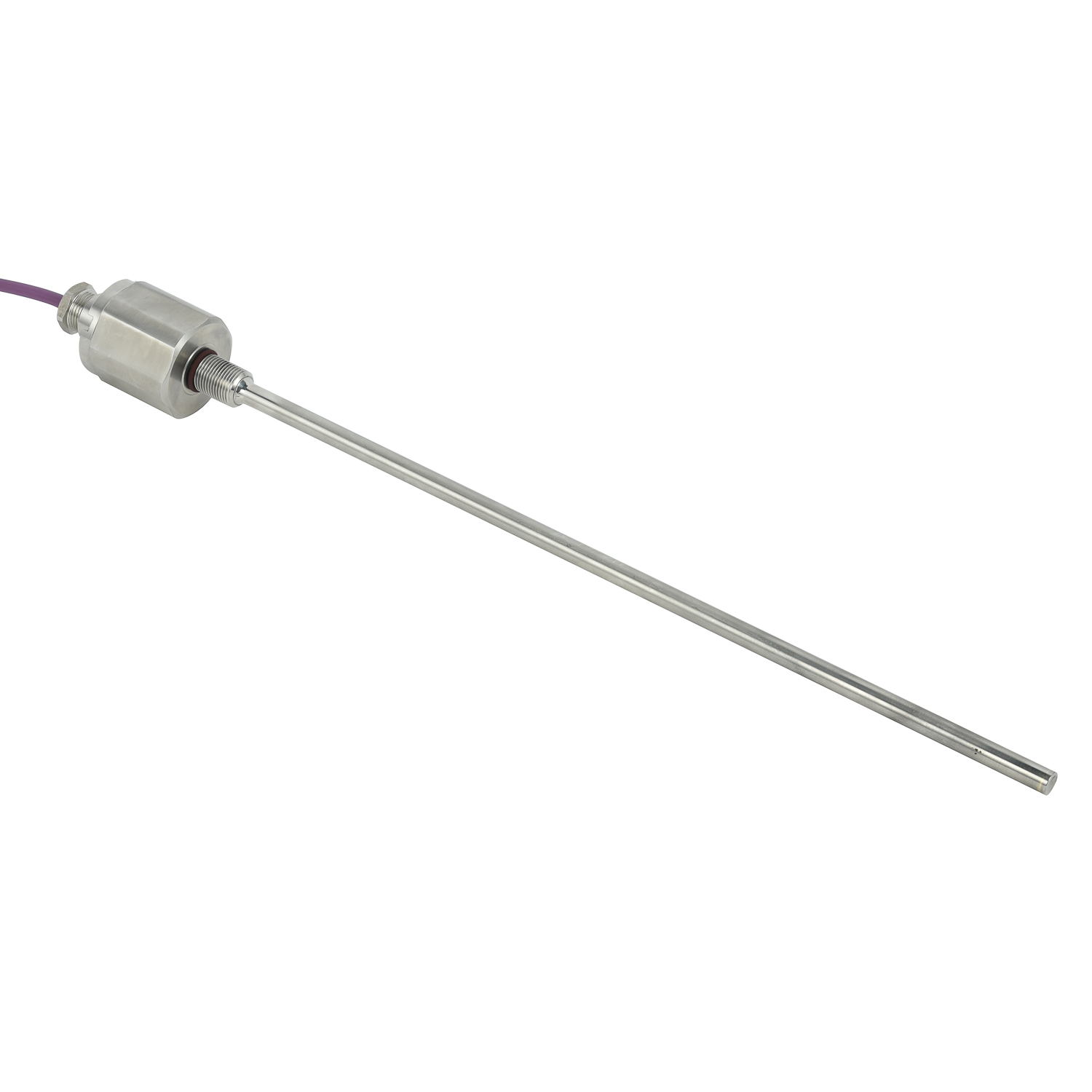
Selecting an intrinsically safe explosion-proof electromagnetic ultrasonic thickness probe requires more than checking the thickness range. First, confirm the hazardous-area classification, gas/dust group, temperature class, and required ATEX/IECEx or local certification. Verify intrinsic safety parameters—Ui, Ii, Pi, Ci, and Li—and ensure they match the associated barrier or isolator and the approved cable. The probe must suit the pipe material, surface condition, temperature, and expected thickness. Choose the frequency and coil design for adequate penetration and resolution, then check coupling, standoff, and curvature compatibility. A robust stainless-steel housing, sealed connector, and shielded cable improve reliability in wet or corrosive plants. Confirm EMC performance and grounding instructions to avoid measurement drift. Start with a documented risk assessment. Intrinsic safety is a system property: probe, barrier or isolator, cable, and grounding must be approved together. For hot or curved pipes, check temperature rating, wear face, and curvature compatibility. Confirm the gas/dust group and temperature class for hydrogen, acetylene, or dust. Check ingress protection and cable strain relief. A low-power EMAT design reduces ignition risk, but correct installation remains essential. Choose a supplier with clear safety instructions and compatible accessories. A certified, compatible, and application-matched probe protects personnel and delivers stable wall-thickness data in explosive environments.
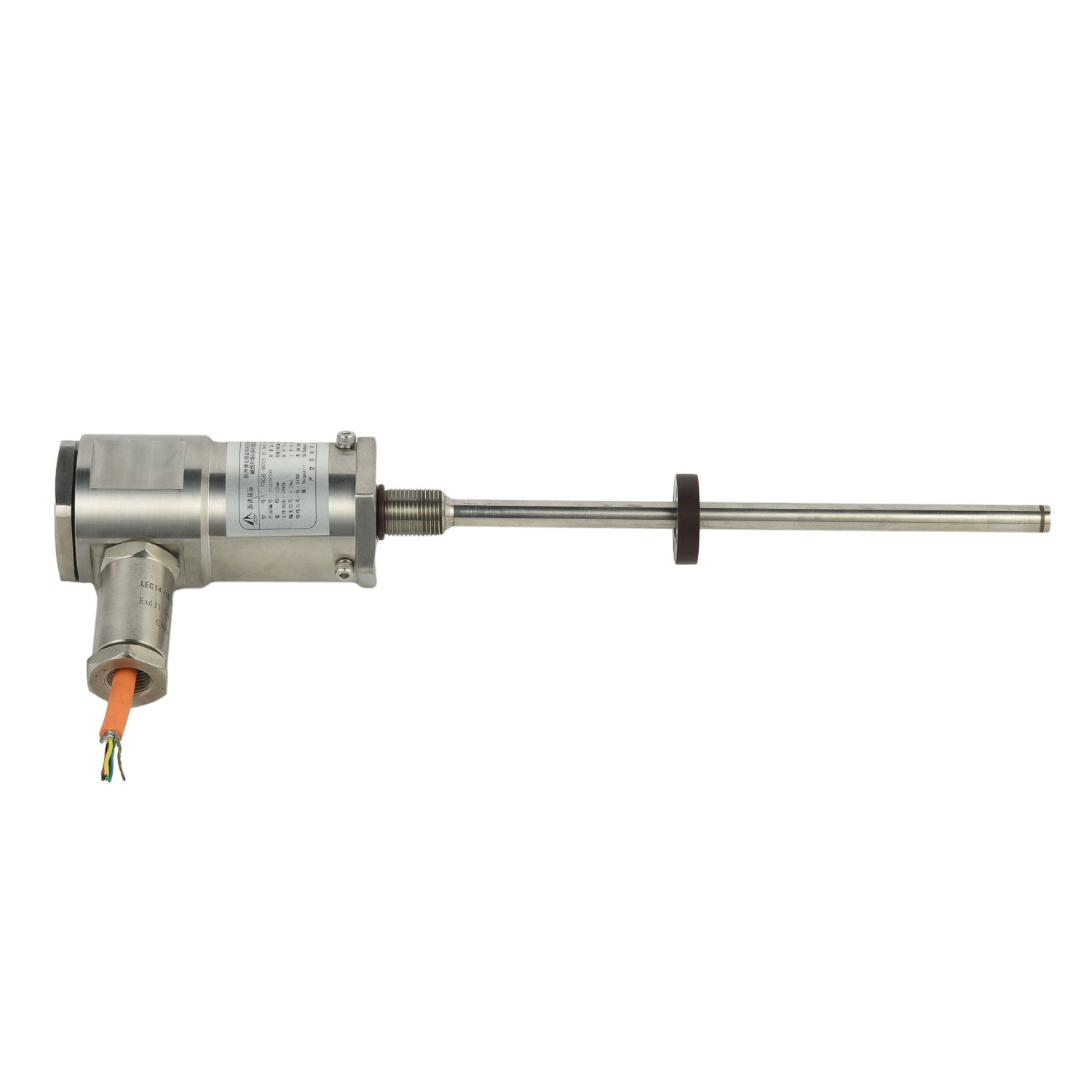
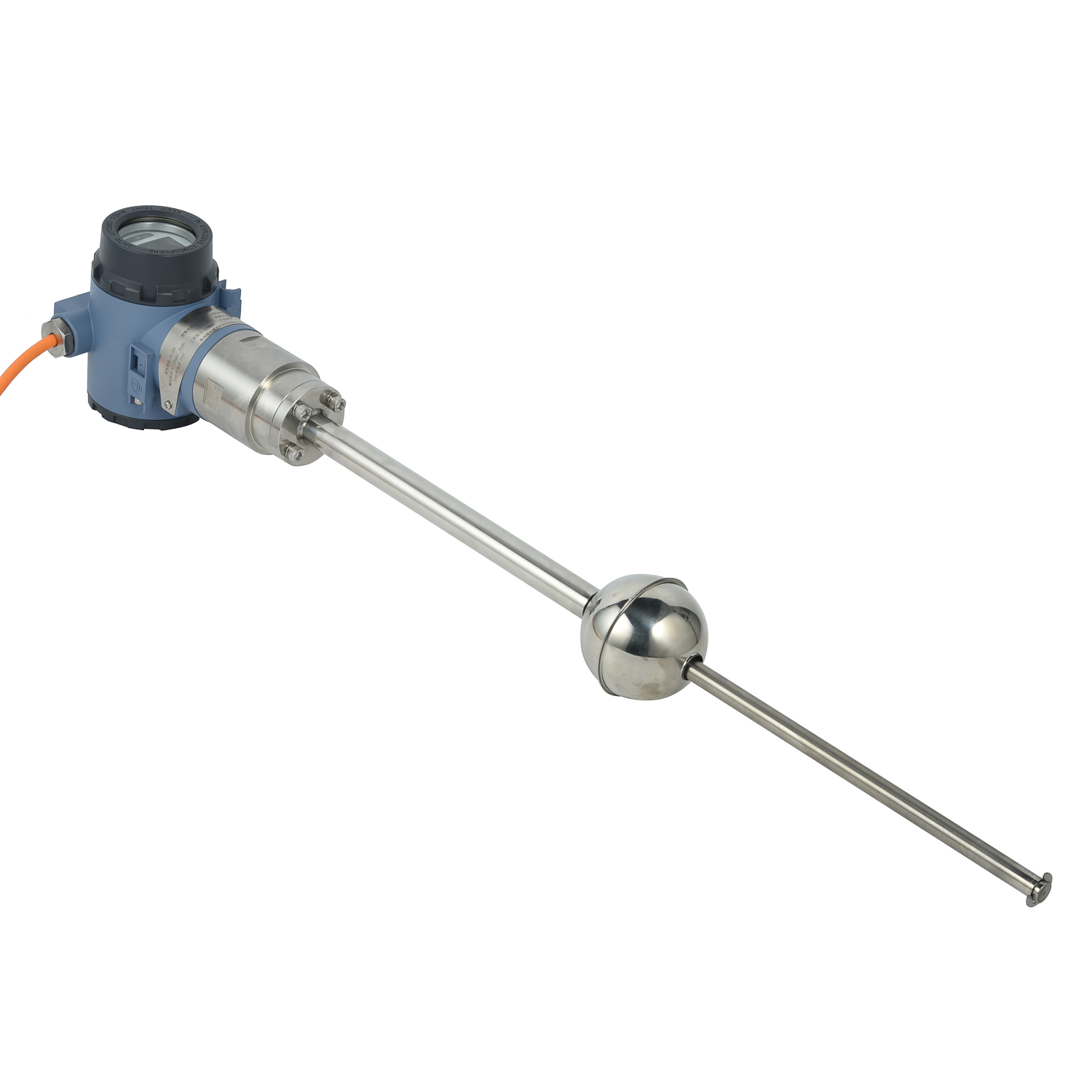 Chemical Pipeline Electromagne
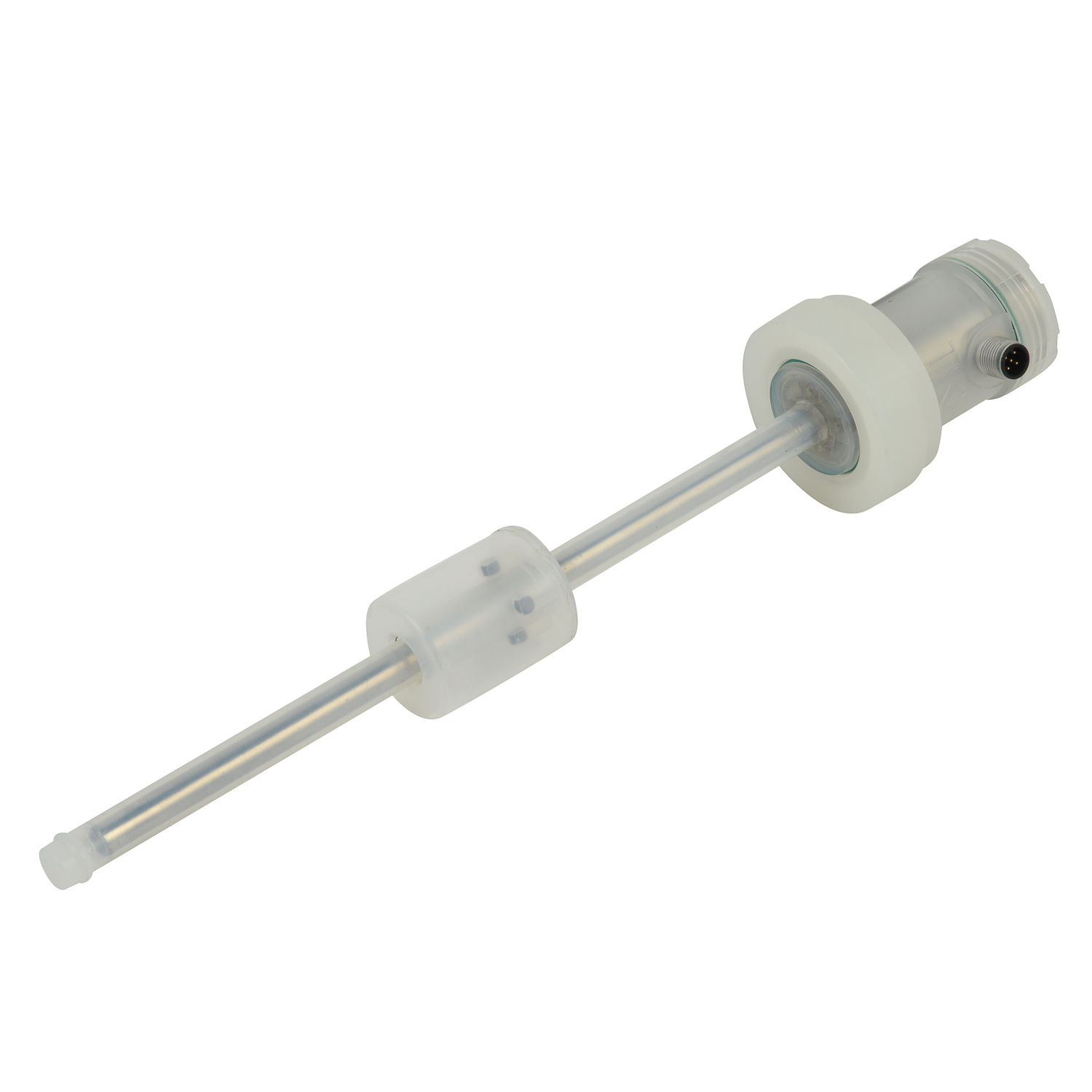 Port Corrosion-resistant Elect
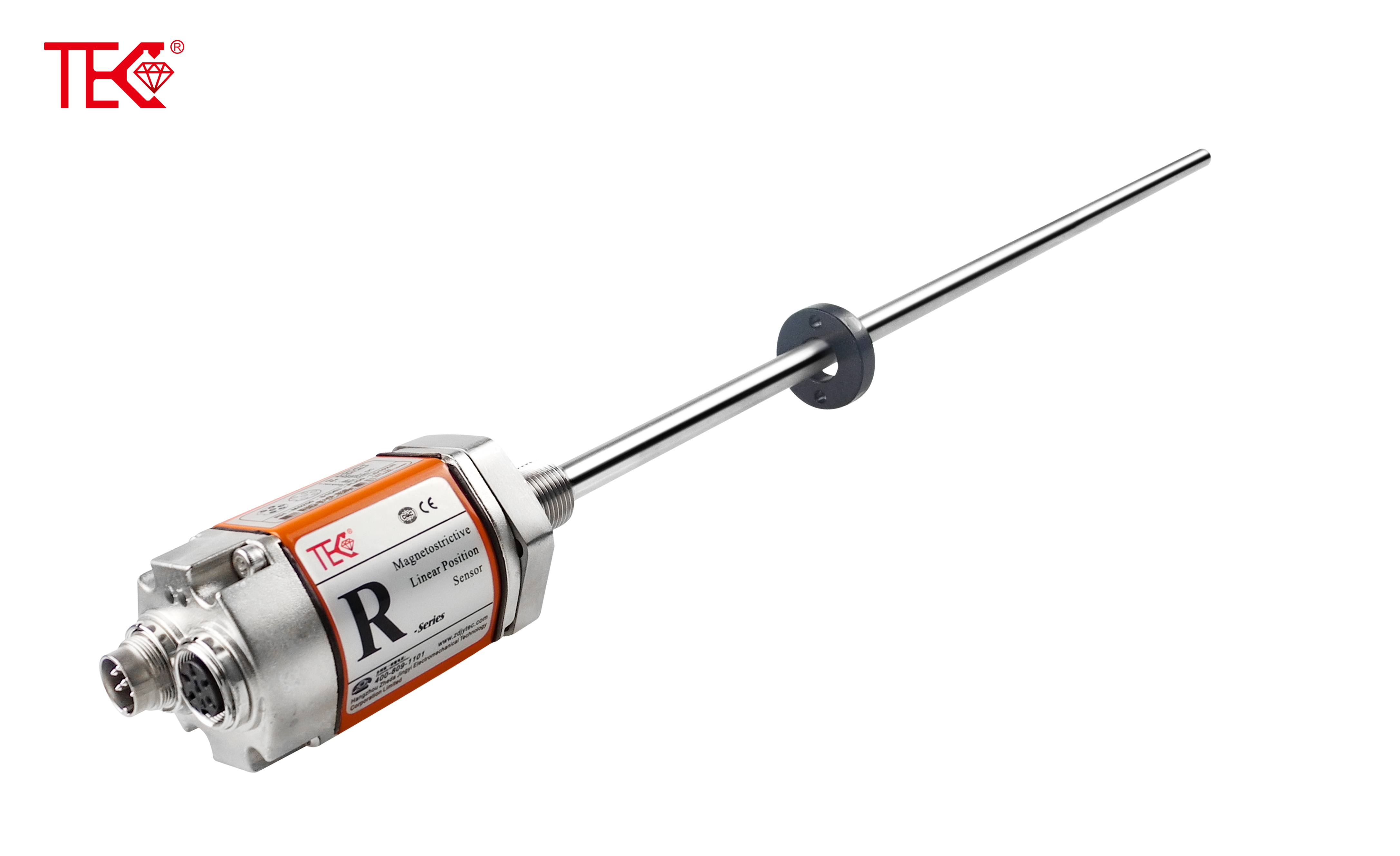 Power Plant Waterproof Electro
 Chemical Industry High-pressur