
Electromagnetic Ultrasonic Thickness Probe for Boilers
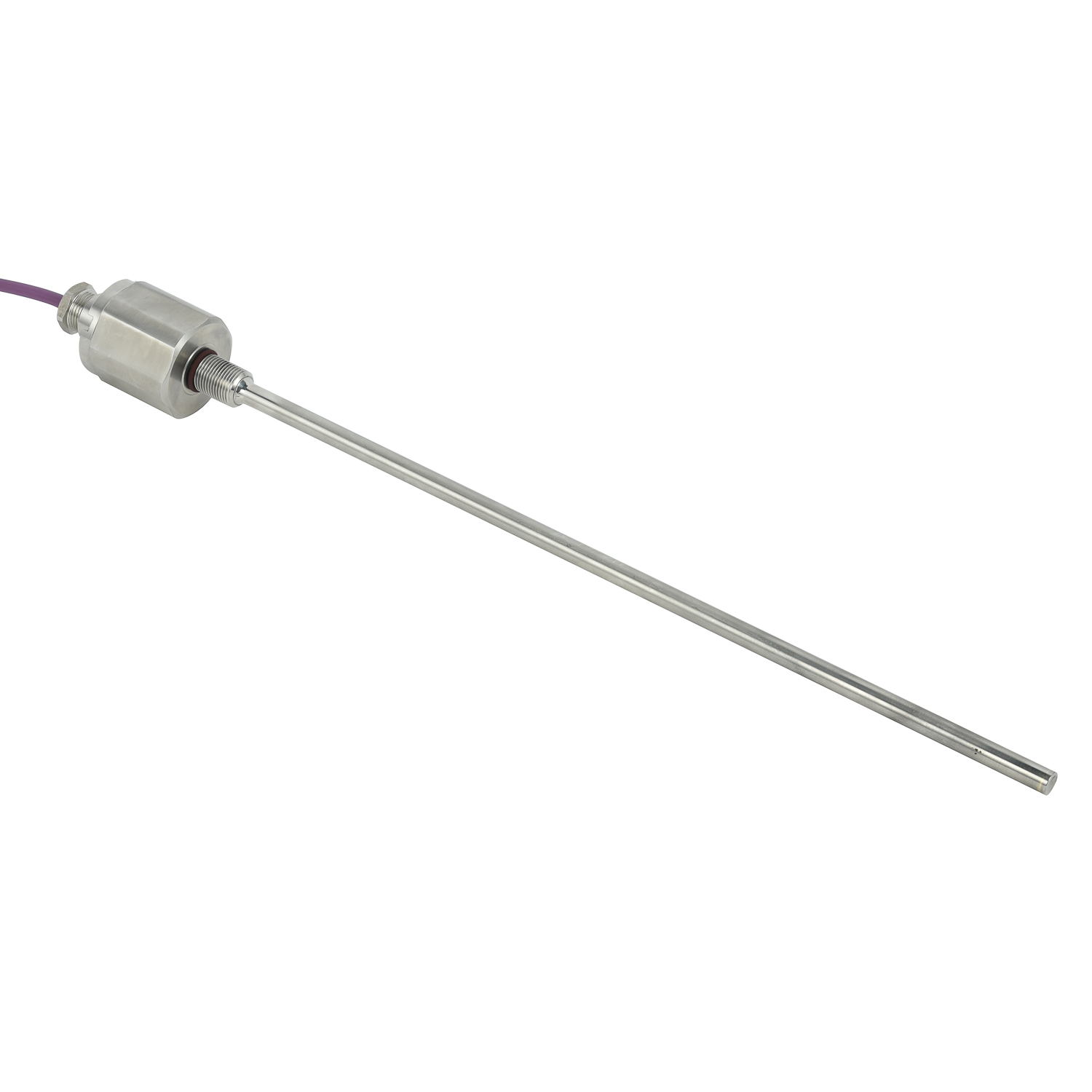
Electromagnetic ultrasonic thickness probes provide a reliable way to measure boiler tube wall thickness without couplant or direct contact. Using electromagnetic acoustic transducers, the probe generates and receives ultrasonic waves directly in the metal. This makes inspection faster and more practical on hot, rough, or coated surfaces. In boiler systems, wall thinning caused by corrosion, erosion, and oxidation is a major safety and efficiency concern. Regular thickness measurement helps operators detect metal loss early, plan maintenance, and avoid unexpected shutdowns. The probe is especially useful for inspecting water walls, superheaters, reheater tubes, headers, and other critical components where access is limited or surface preparation is difficult. Because it does not require gel couplant, it can operate at elevated temperatures and reduce preparation time. Modern instruments offer portable operation, digital signal processing, and clear thickness readings for field inspection. Probes support high-temperature scanning in short shutdowns or online checks. To achieve accurate results, users should calibrate on reference samples, control probe placement, and account for temperature and material effects. With proper use, electromagnetic ultrasonic thickness probes support predictive maintenance, extend boiler life, and improve operational safety. They are valuable tools for power plants, industrial boilers, and maintenance teams seeking efficient, non-contact wall thickness assessment.
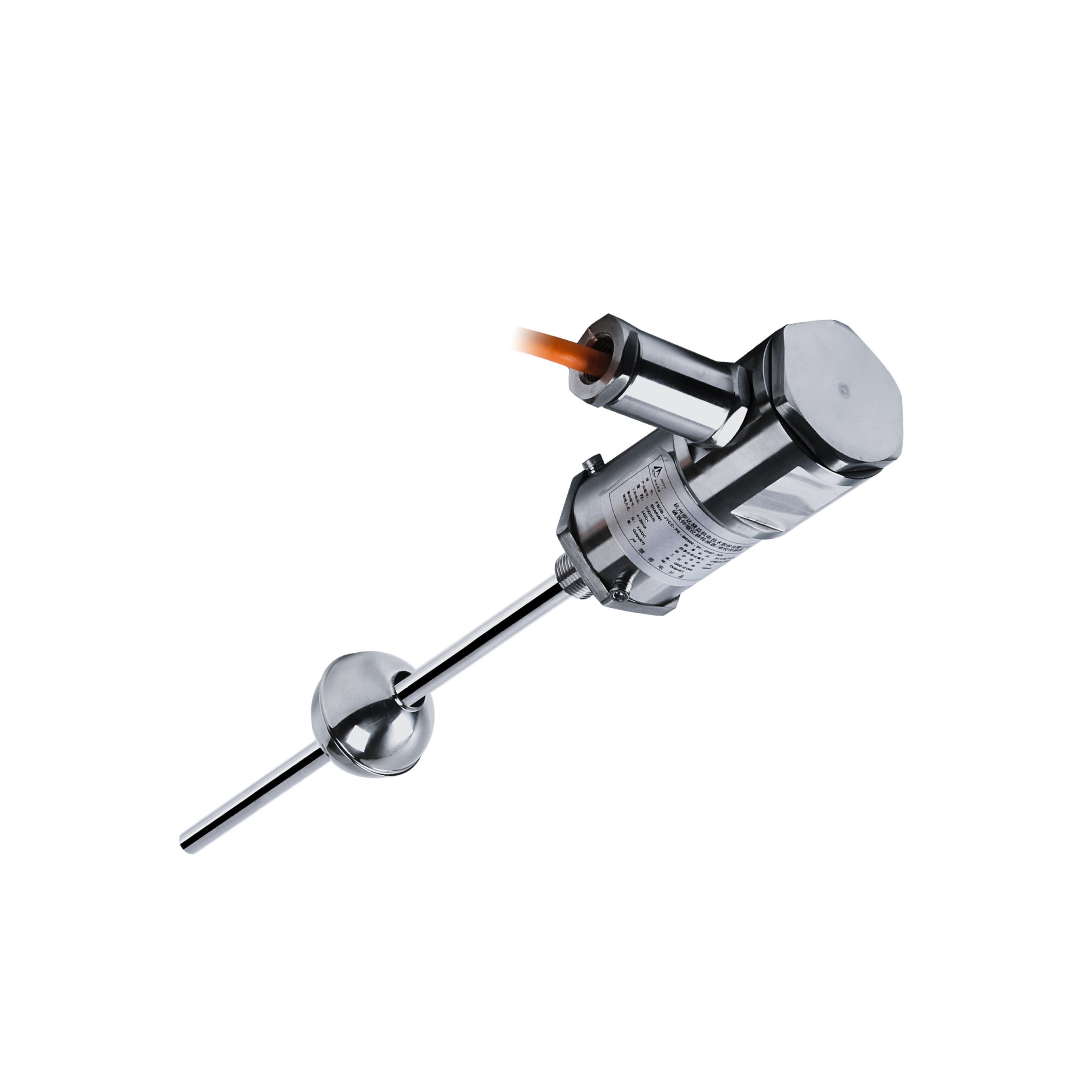
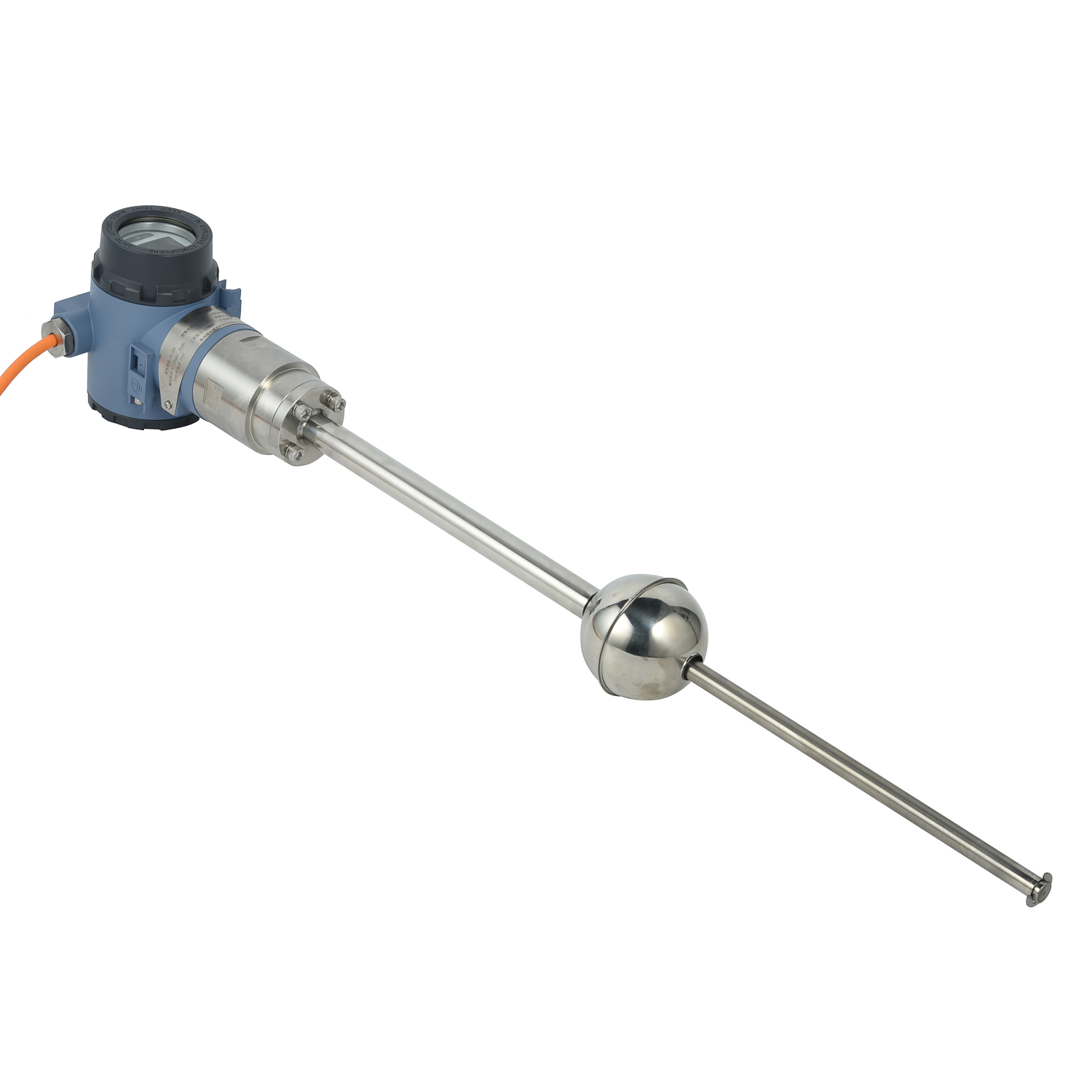 Chemical Pipeline Electromagne
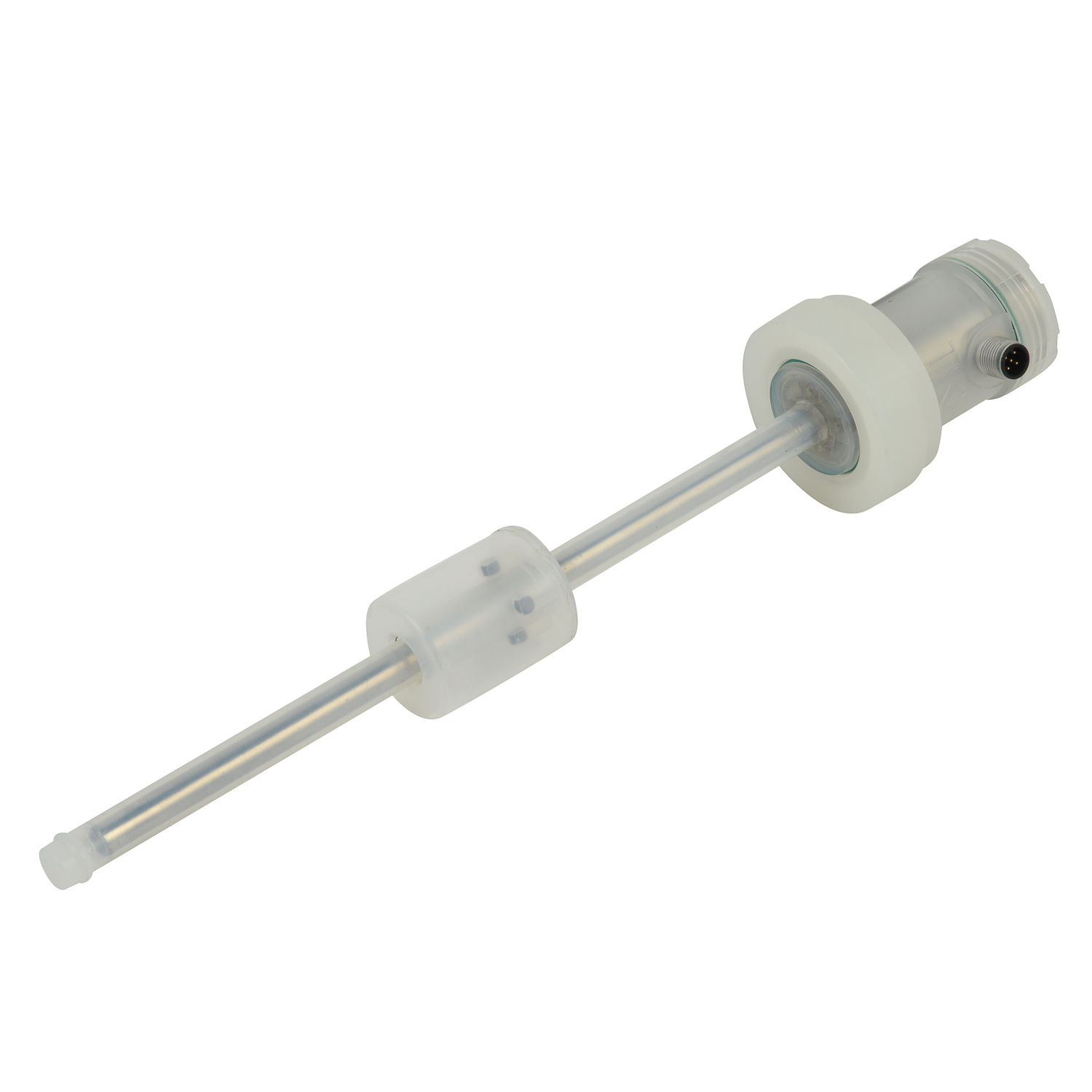 Port Corrosion-resistant Elect
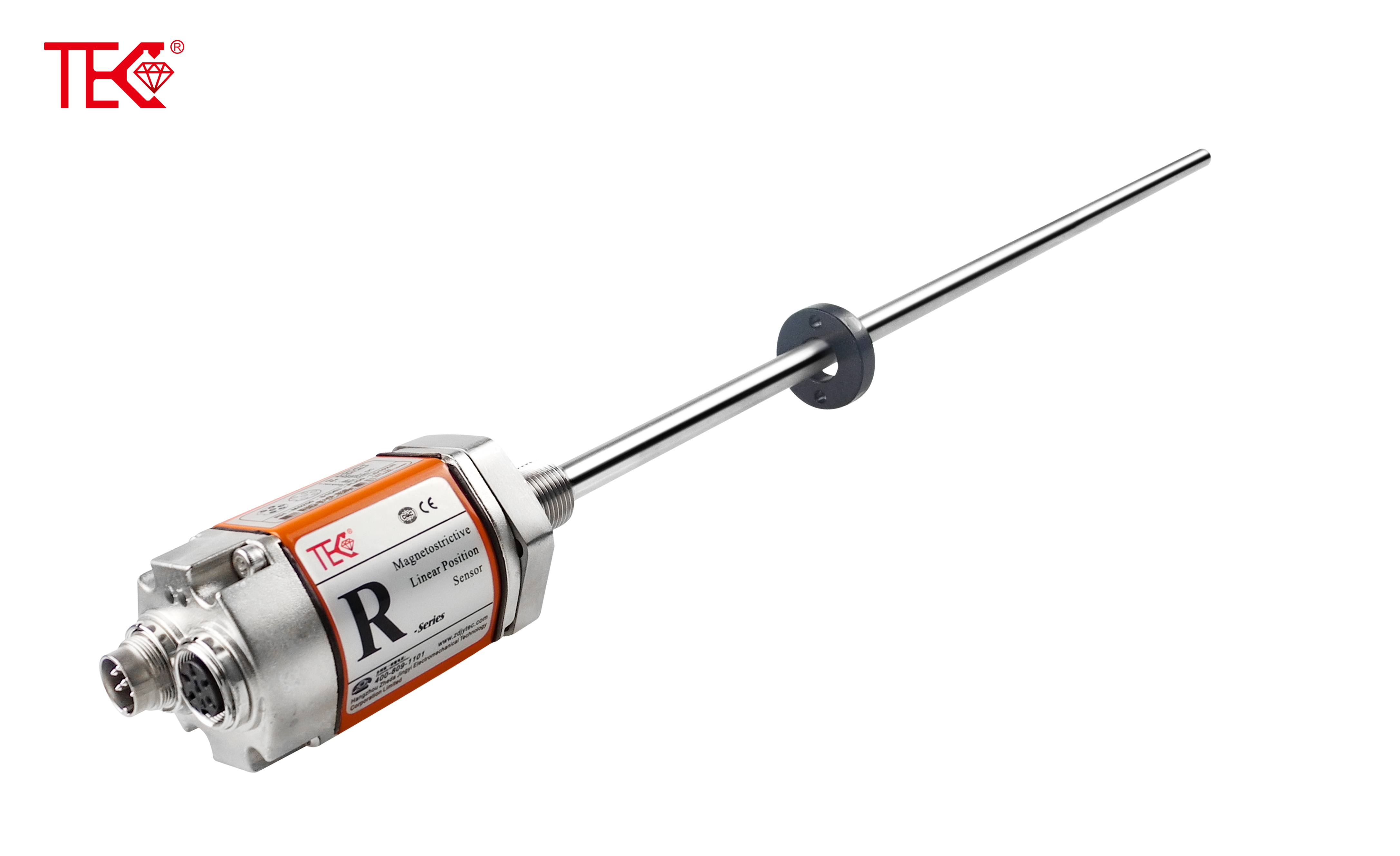 Power Plant Waterproof Electro
 Chemical Industry High-pressur