
Pressure Sensor for Hoists
Pressure sensors for hoists are essential components for safe and efficient lifting operations. In hydraulic hoists, a pressure sensor monitors system pressure and converts it into a usable electrical signal. This data helps operators and control systems understand real-time load conditions, detect overloads, and prevent dangerous lifting situations. Unlike simple limit switches, pressure sensors provide continuous feedback, making them ideal for demanding industrial environments where precision and reliability matter. This makes them valuable for both new hoist designs and retrofit projects.
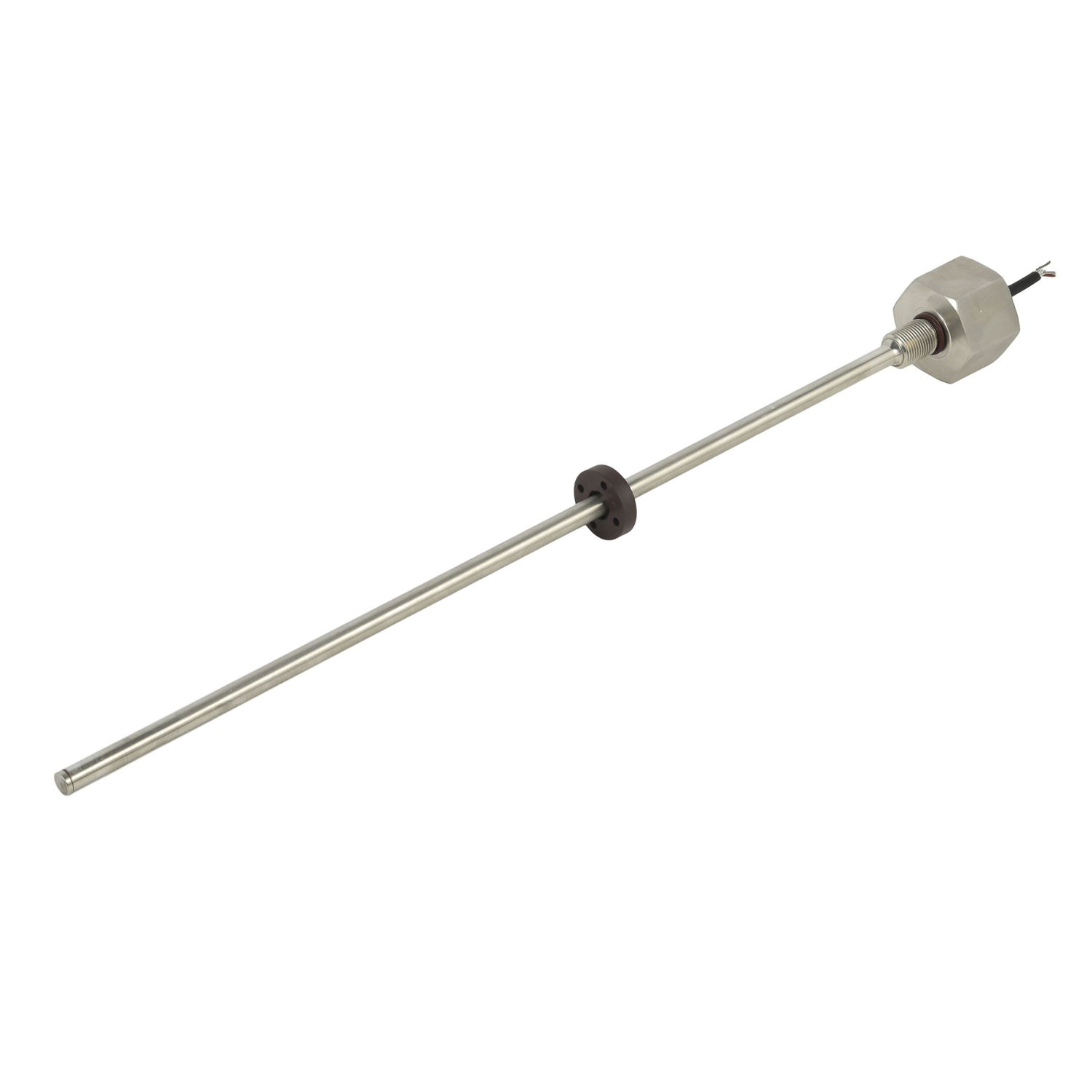
Modern hoist pressure sensors are designed for rugged use. They resist vibration, shock, temperature changes, and hydraulic fluid exposure. Accurate pressure measurement supports overload protection, load indication, and preventive maintenance. When pressure exceeds a preset threshold, the control system can stop the hoist, reduce speed, or trigger an alarm. This protects the hoist structure, wire rope, motor, and nearby workers. These sensors are also used in cranes, winches, lift platforms, and material handling equipment.
Choosing the right sensor requires attention to pressure range, accuracy, response time, output signal, mounting style, and environmental rating. Compatibility with the hoist control system is also critical. Regular calibration and inspection help maintain measurement accuracy and extend sensor life. Proper installation and shielding also prevent signal interference in noisy plants. A well-matched sensor improves uptime, reduces unplanned downtime, and supports predictive maintenance. For hydraulic and industrial hoists, a reliable pressure sensor is more than a monitoring device—it is a key part of a safer, smarter lifting system.
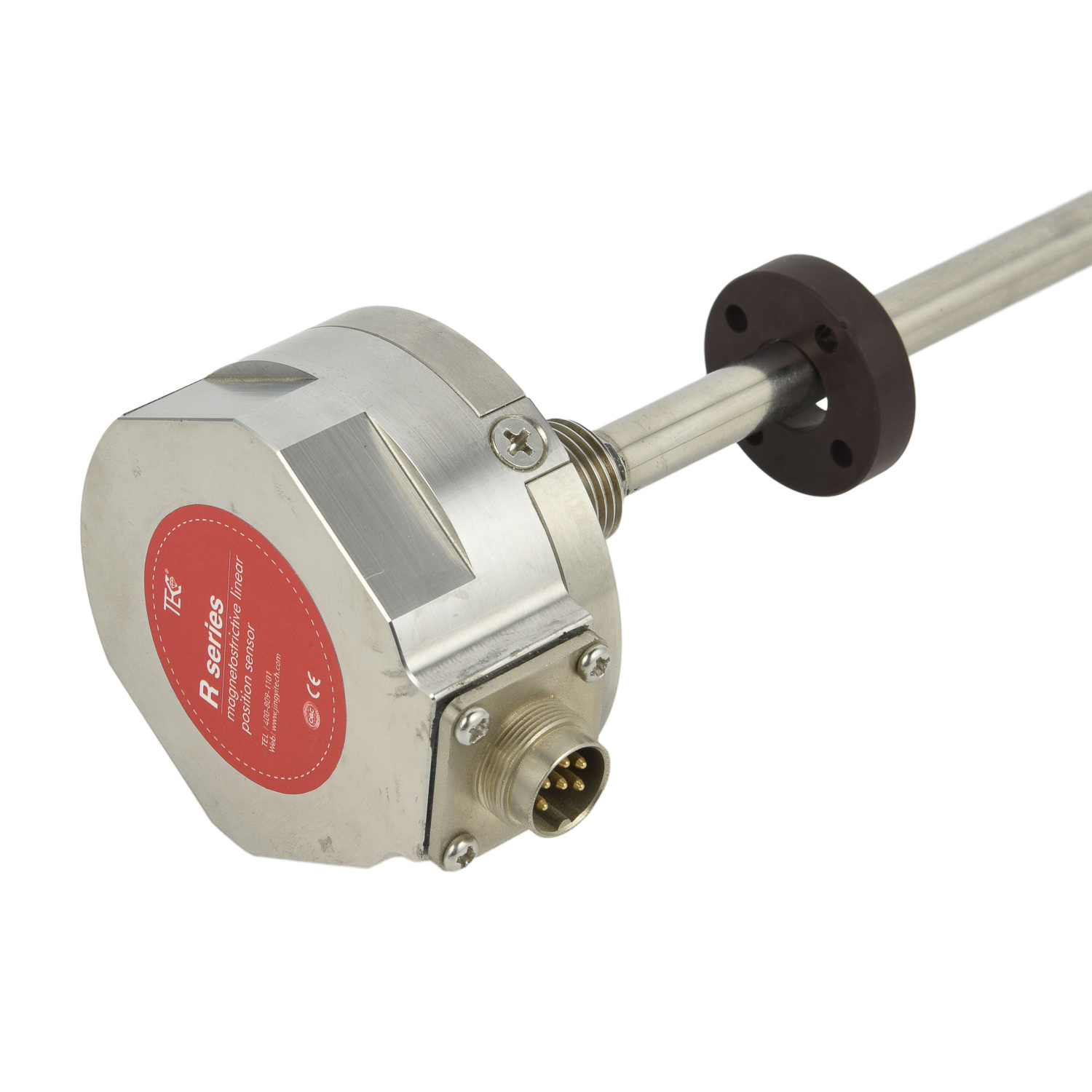 Intrinsically Safe Explosion-p
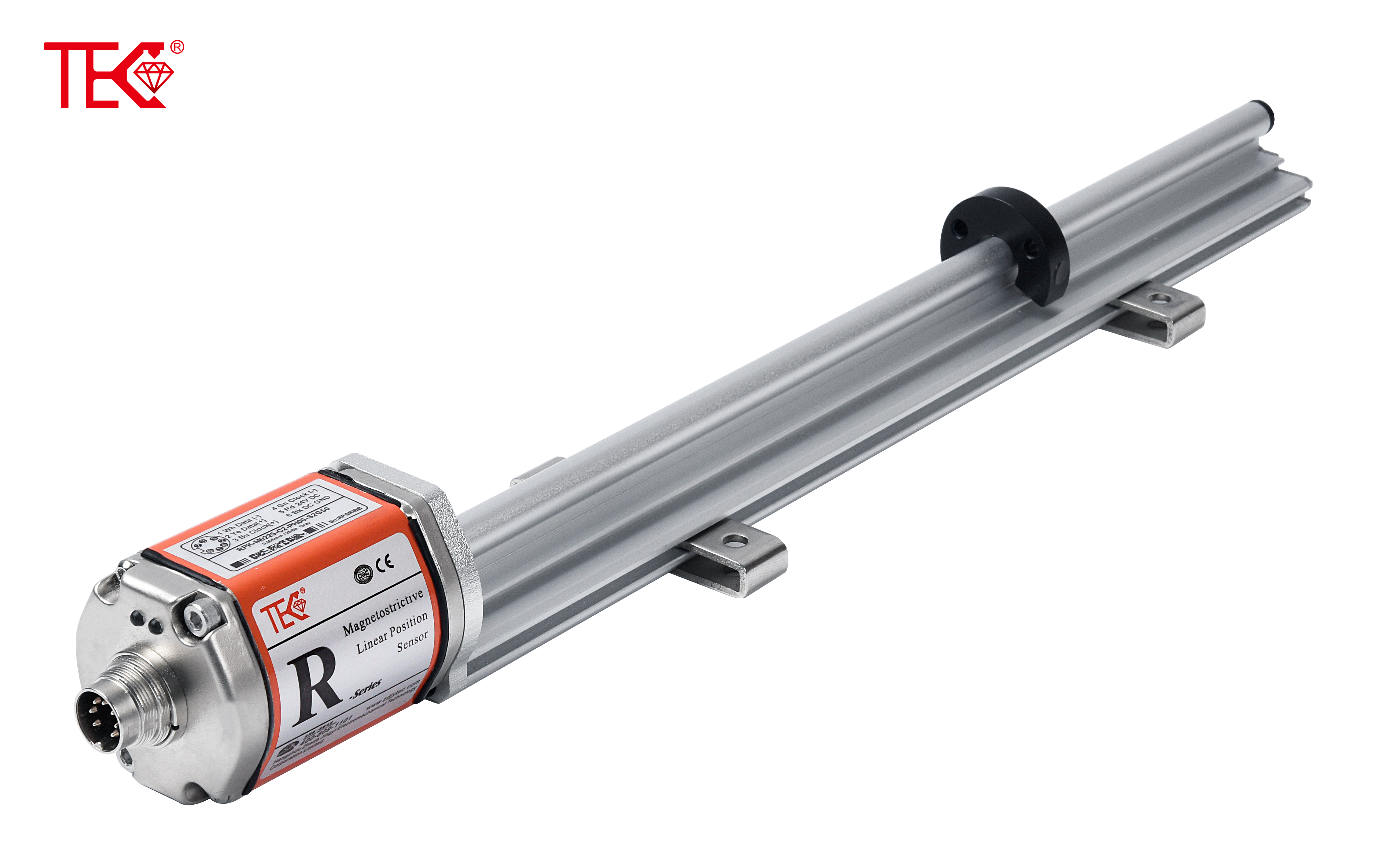 Explosion-proof Pressure Senso
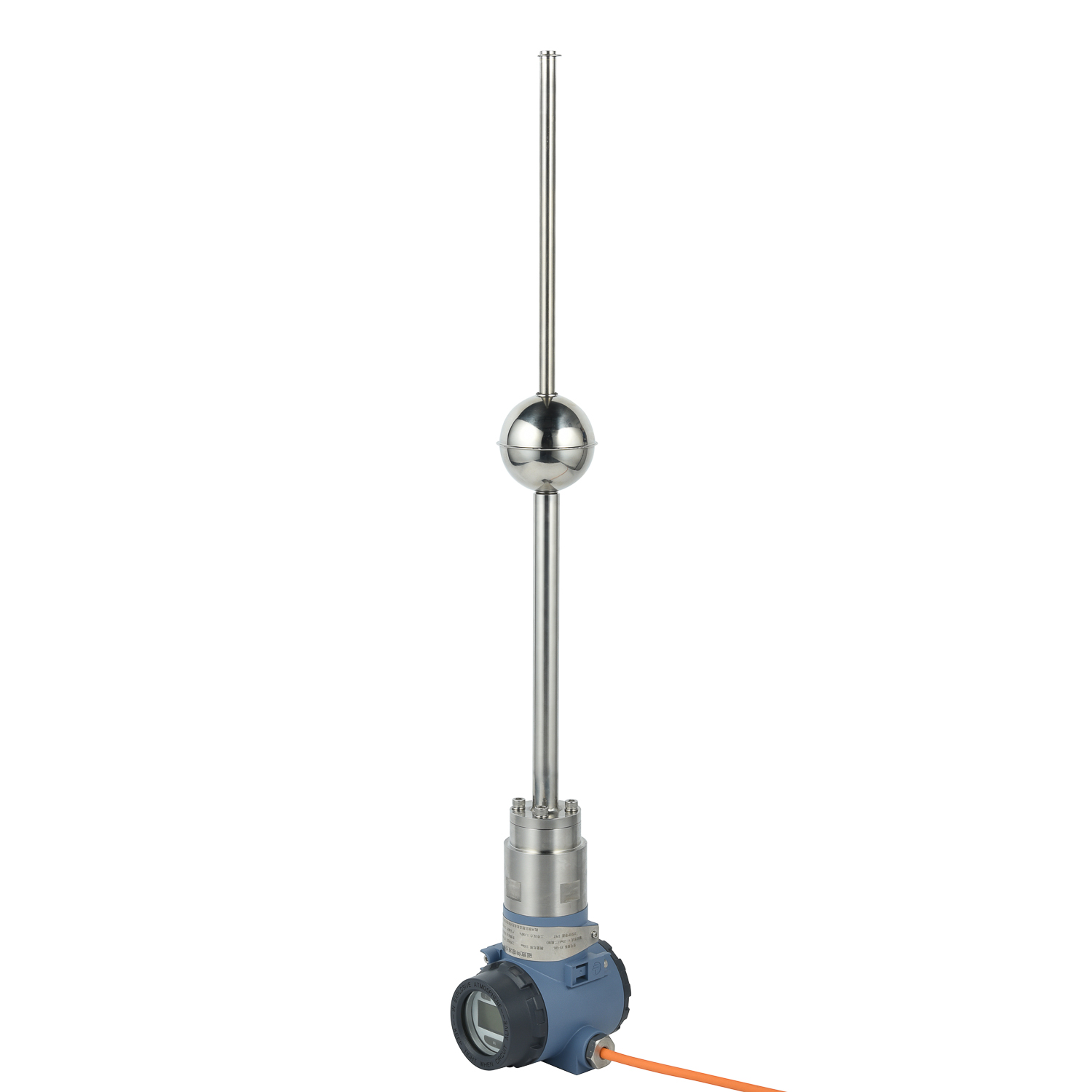 Pressure Sensor for Die Castin
 Pressure Sensor for Injection