
Pressure Sensor for Bridge Crane
Pressure sensors play a vital role in the safe and efficient operation of bridge cranes. In industrial lifting, every load movement creates changing forces in hydraulic and mechanical systems. A pressure sensor for a bridge crane monitors these changes and converts pressure signals into accurate electrical output. This real-time data helps the control system estimate load weight, detect overload conditions, and support safer lifting decisions. Because cranes handle heavy and variable loads, even small pressure errors can affect safety and positioning. Modern bridge cranes often use hydraulic hoists, brakes, and clamping devices. Installing a rugged pressure sensor in these circuits allows operators to monitor system pressure continuously. When pressure exceeds a preset limit, the sensor sends a signal to the controller, which can trigger alarms, limit movement, or stop the hoist. This overload protection reduces the risk of structural damage, rope failure, and accidents. It also improves maintenance planning by revealing pressure drops, leakage, or abnormal operating trends. Wired or wireless options can integrate with PLCs and overload limiters for automated protection. For reliable performance, choose a sensor with high accuracy, strong vibration resistance, IP protection, and compatibility with the crane control system. Proper installation, regular calibration, and routine inspection are essential. With a well-matched pressure sensor, bridge cranes can achieve better load control, lower downtime, and higher safety in demanding industrial environments.
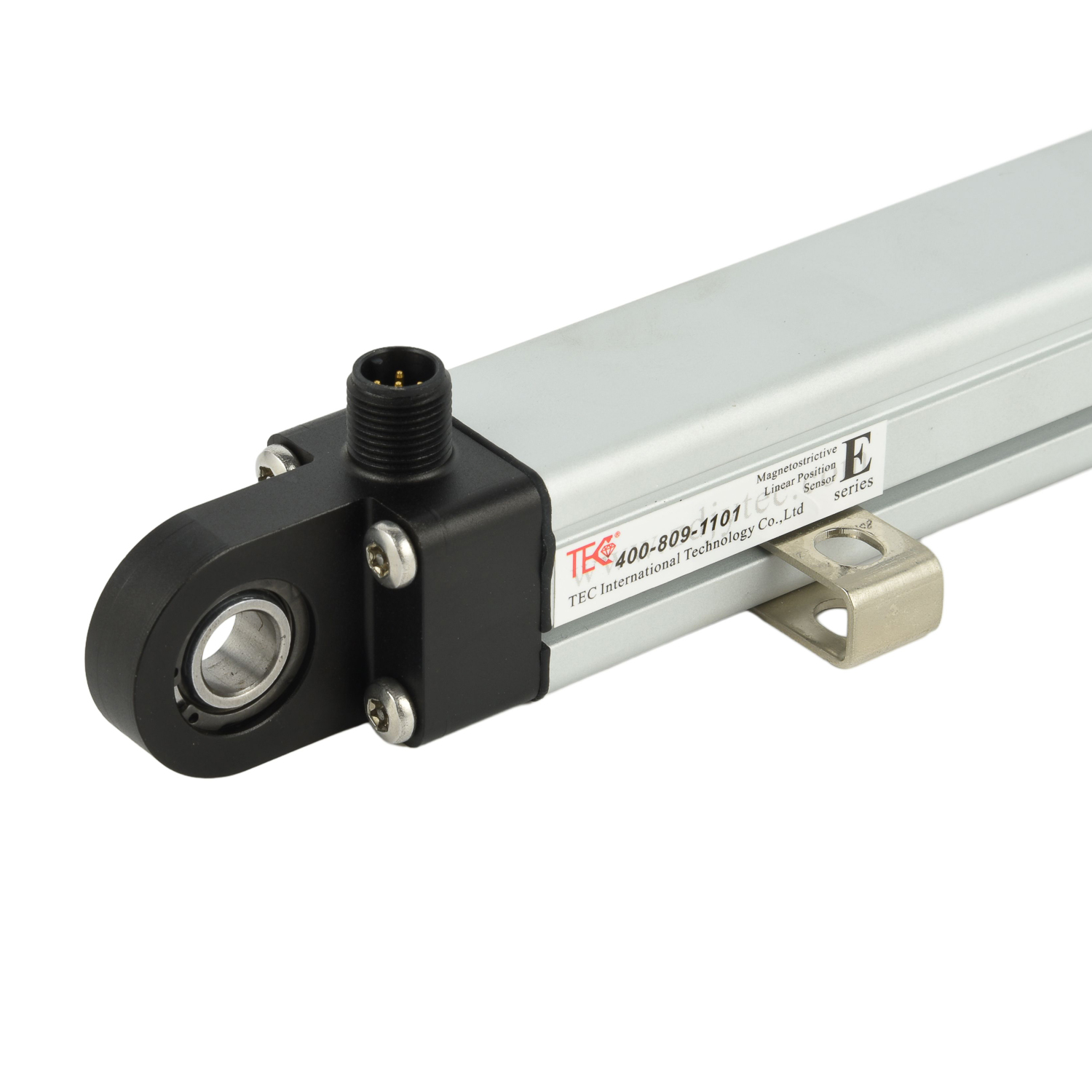
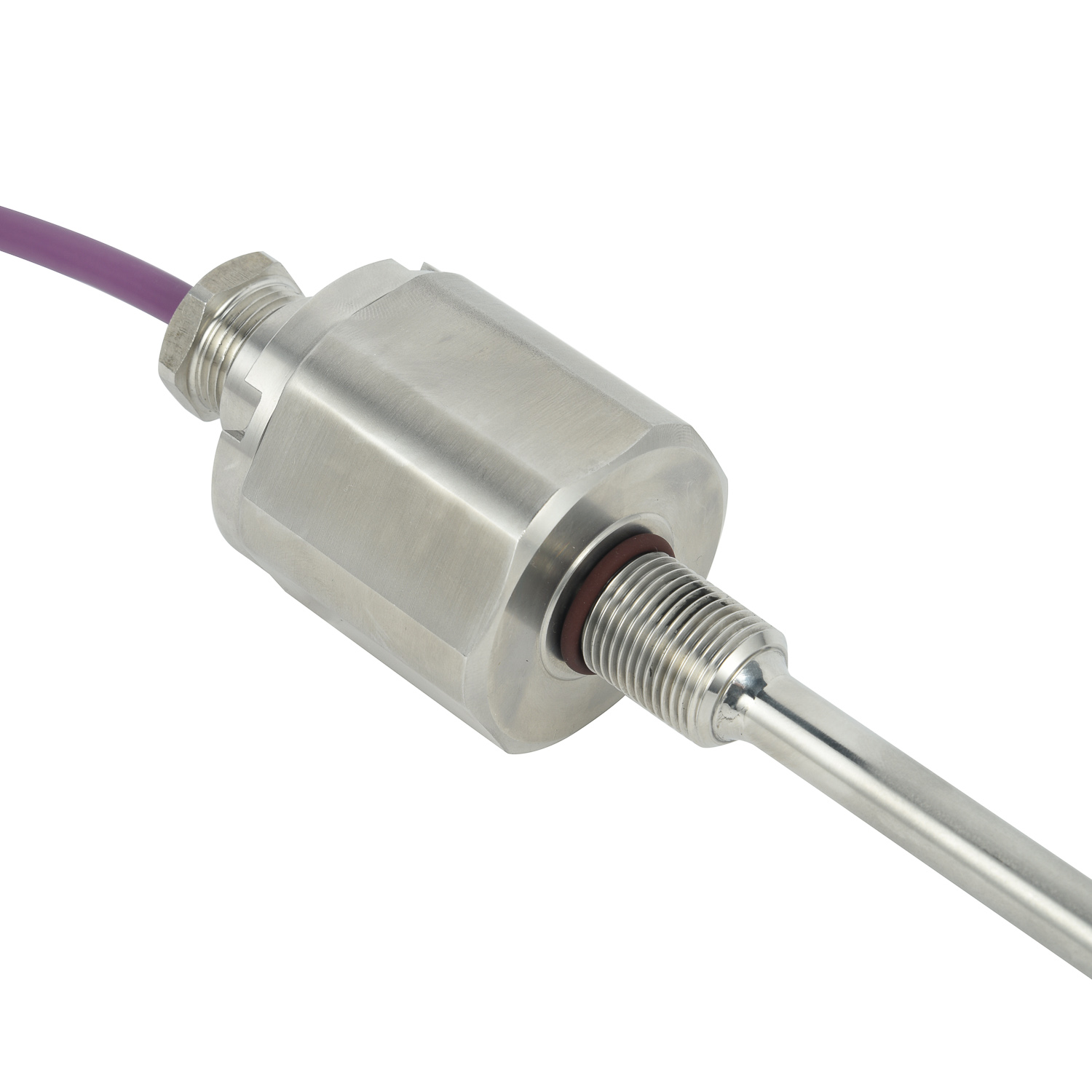 Pressure Sensor for Material T
Pressure Sensor for Bridge Cra
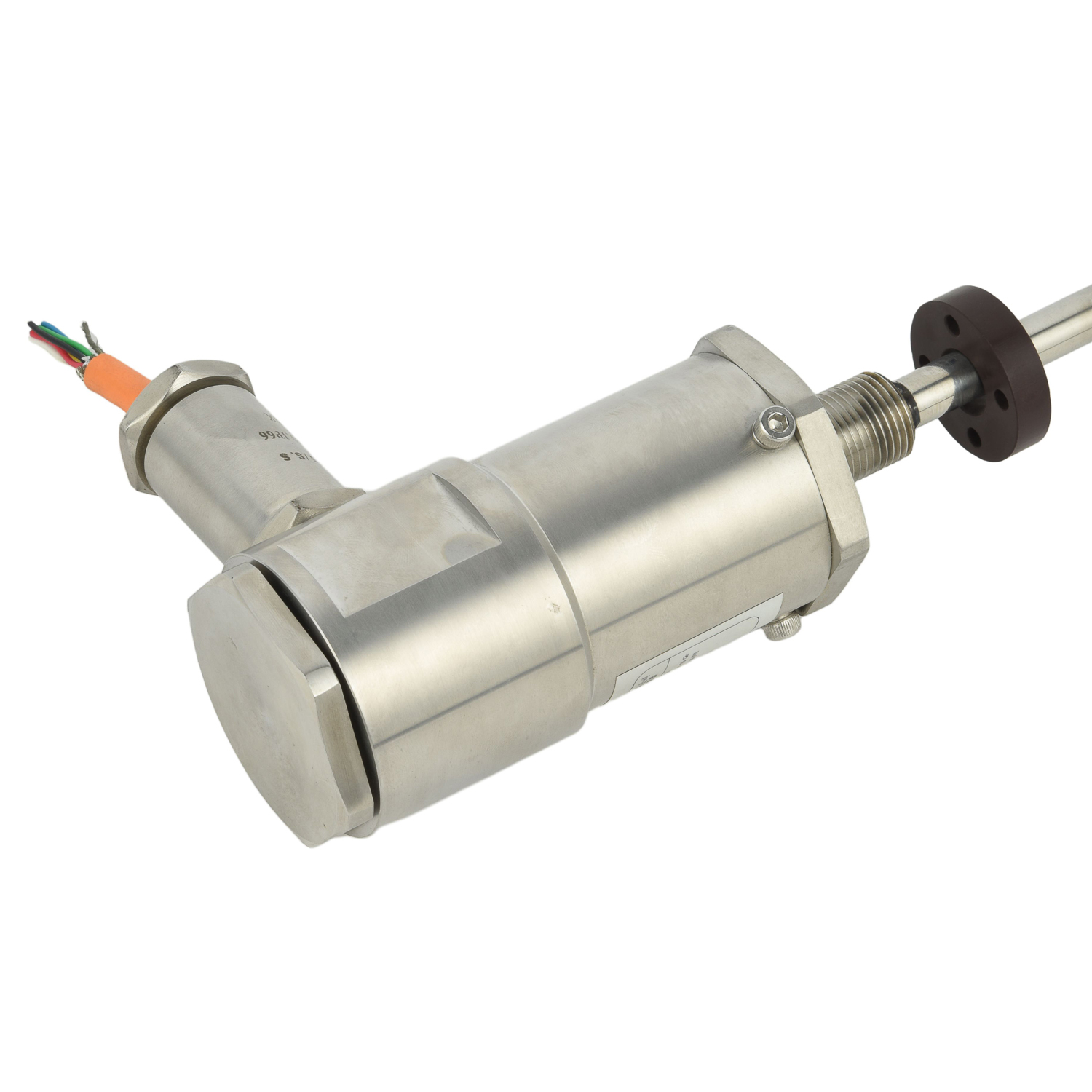 Pressure Sensor for Crane
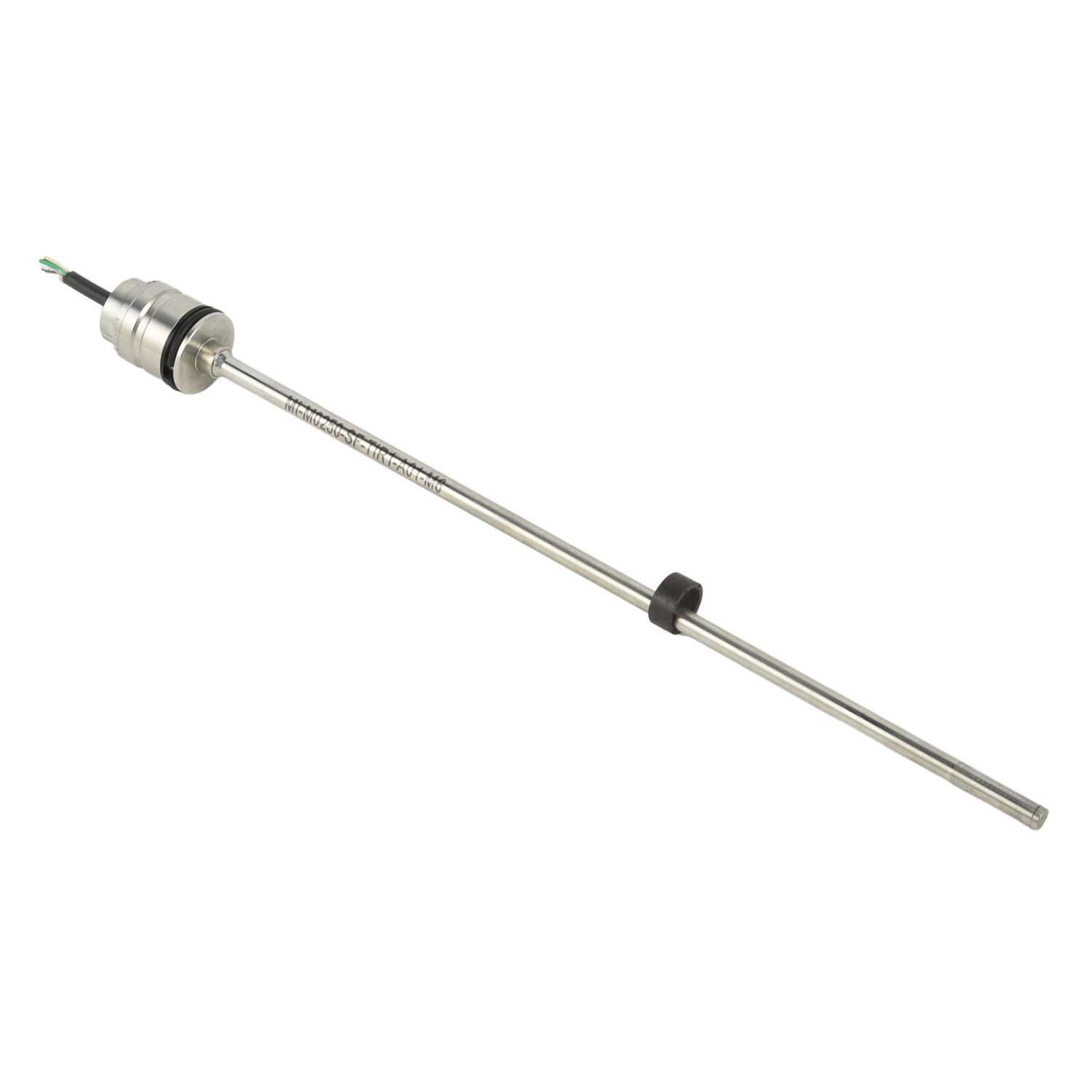 Pressure Sensor for Overhead C