
Pressure Sensor for Construction Machinery
Pressure sensors are essential components in construction machinery, where hydraulic systems power excavators, loaders, cranes, and bulldozers. These sensors monitor oil pressure in real time, helping operators maintain stable performance and avoid costly downtime. In harsh job sites, a reliable pressure sensor must resist vibration, dust, moisture, and wide temperature changes. Accurate pressure feedback supports efficient hydraulic control, protects pumps and cylinders, and improves fuel economy. When selecting a sensor for heavy equipment, engineers should consider measuring range, output signal, ingress protection, pressure overload capacity, and compatibility with hydraulic oil. Common outputs include 4-20 mA, 0-5 V, and CAN bus signals for integration with modern control systems. OEMs and fleet managers should also verify IP ratings, pressure peaks, and electromagnetic compatibility before installation. A robust sensor with stable accuracy can reduce maintenance costs and extend service life. Proper installation also matters. Mount the sensor in a clean, accessible location, use suitable seals, and follow torque specifications to prevent leaks. Regular inspection of wiring and connectors helps avoid signal faults. As construction machinery becomes smarter, pressure sensors play a growing role in predictive maintenance and automation. Choosing the right sensor improves safety, productivity, and total cost of ownership on demanding construction sites. This supports safer, smarter sites.
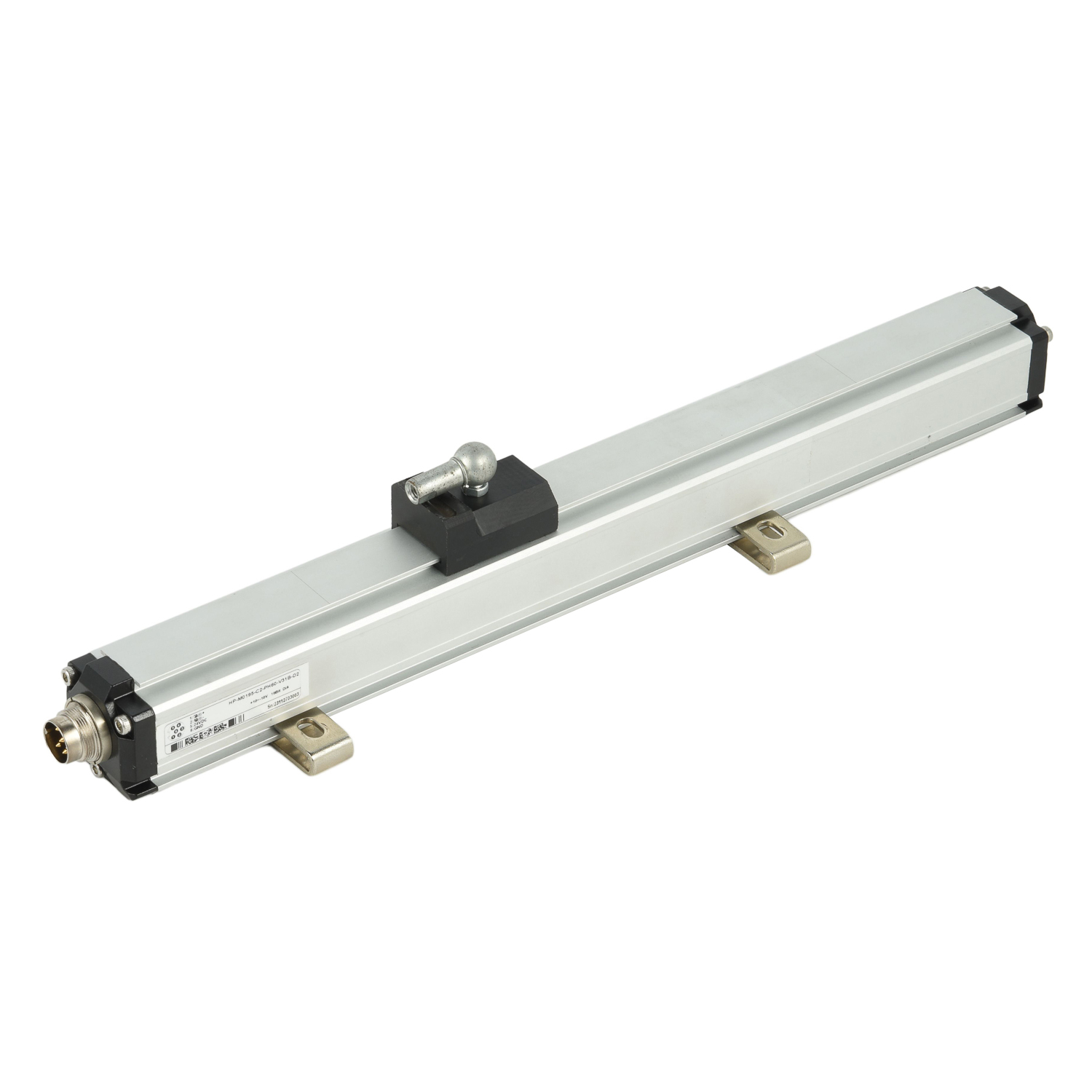
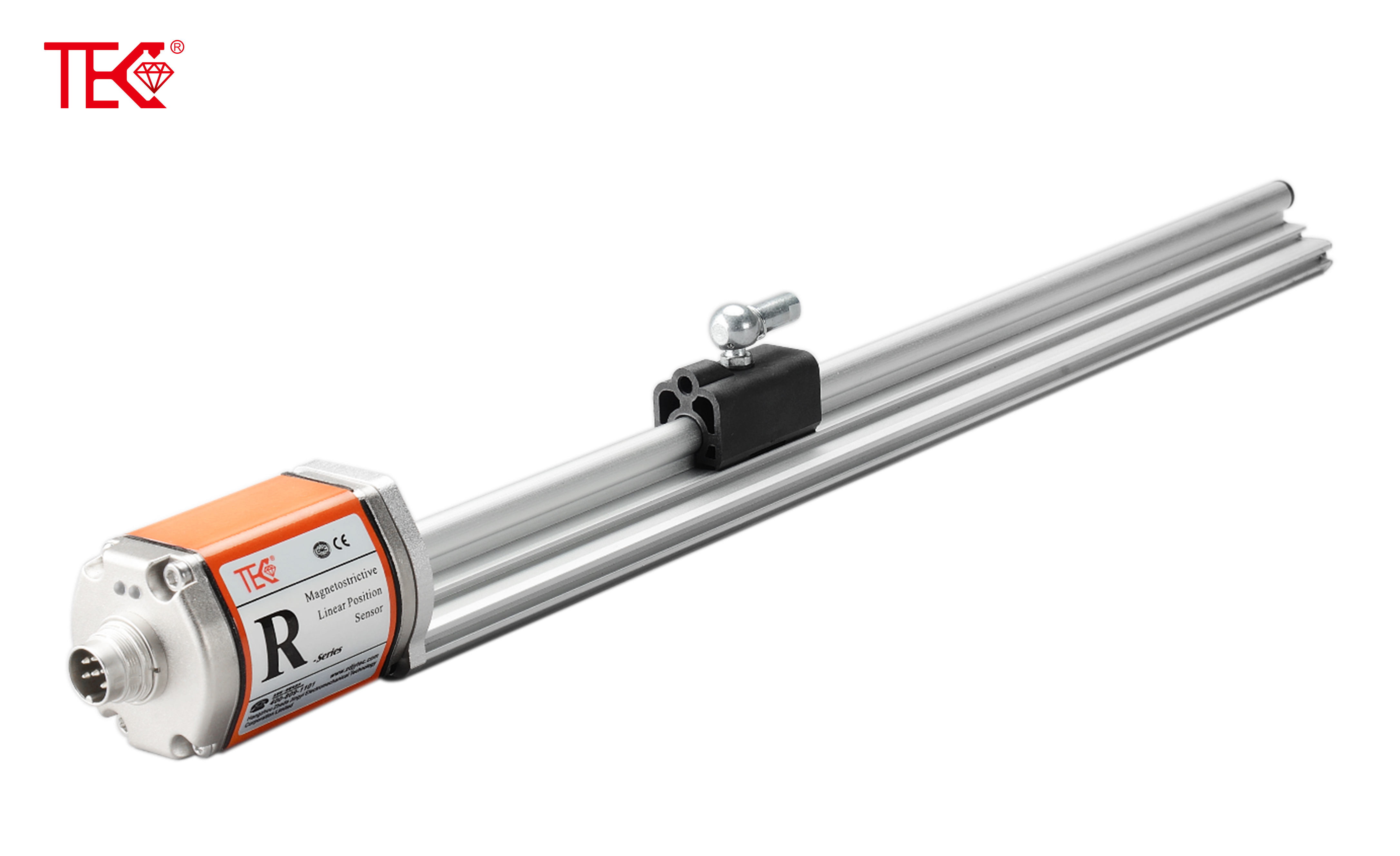 Pressure Sensor for Injection
Pressure Sensor for Constructi
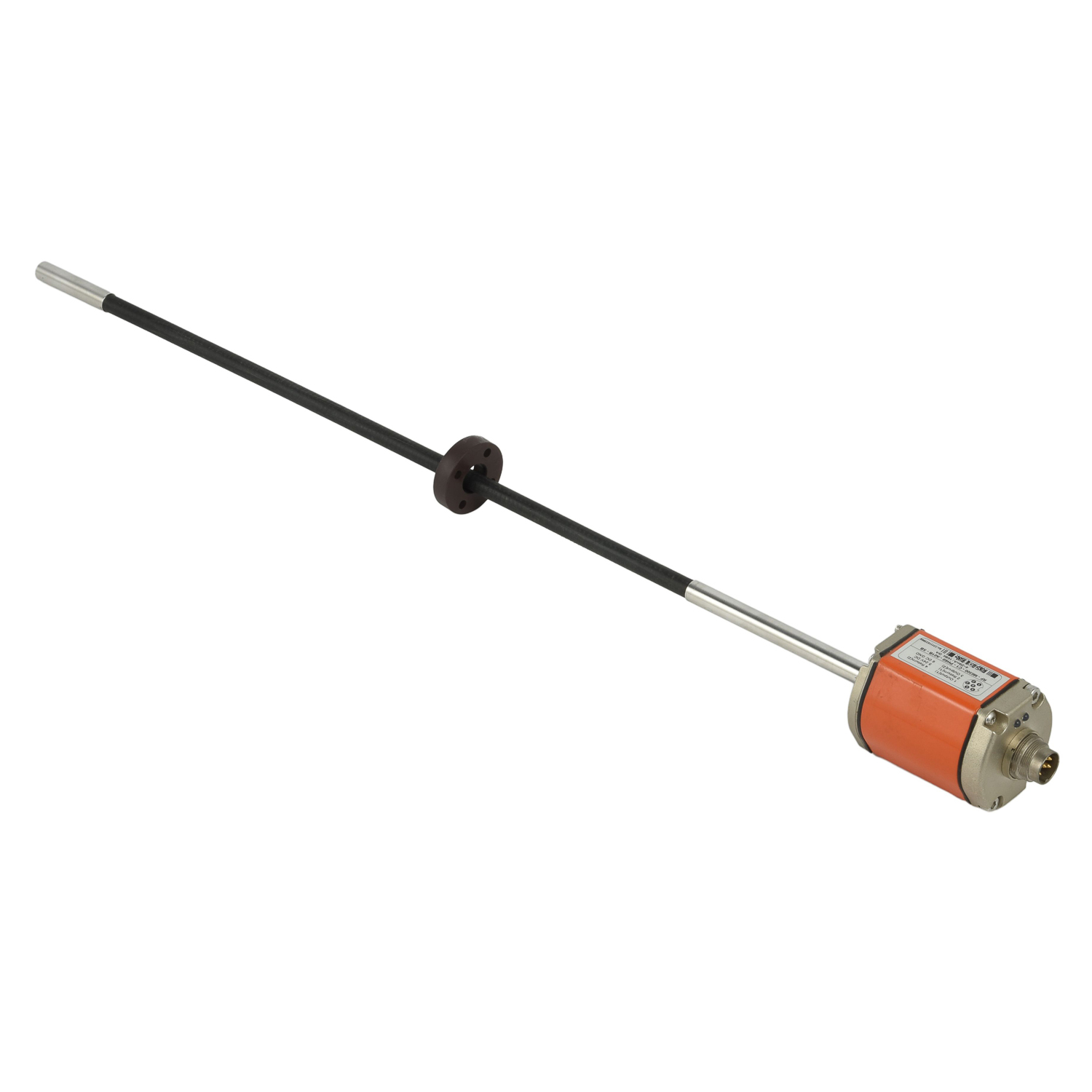 Pressure Sensor for Power Plan
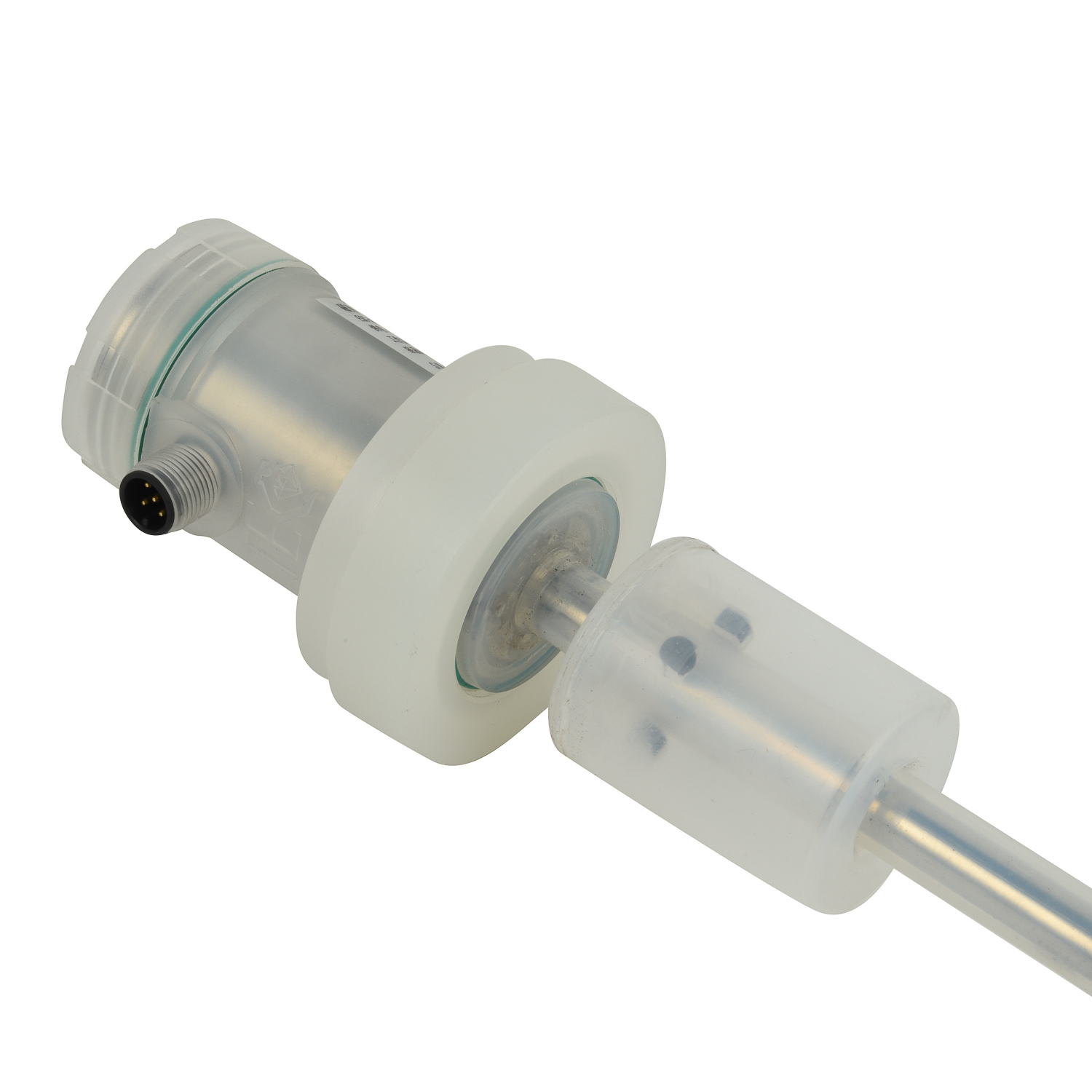 Pressure Sensor for Port