
Pressure Sensor for Water Conservancy
Pressure sensors are essential in modern water conservancy, where reliable data supports flood control, irrigation, water supply, and dam safety. A pressure sensor for water conservancy converts water pressure into electrical signals, enabling continuous monitoring of water levels, pipeline pressure, and groundwater conditions. Unlike manual measurement, these sensors deliver real-time data, reduce inspection costs, and improve emergency response.
In rivers, reservoirs, and canals, submersible pressure sensors track depth and level changes with high accuracy. They resist humidity, sediment, and temperature variation, making them suitable for outdoor stations and remote sites. In pump stations and water supply networks, they help detect leakage, blockage, and abnormal pressure, supporting energy-efficient pumping and stable operation. This real-time insight supports smarter scheduling, reduces the risk of sudden failures, and helps teams respond quickly to peak demand and extreme weather for public safety.
When selecting a device, engineers should consider measurement range, accuracy, protection rating, output signal, and long-term stability. Stainless steel housings and anti-clogging designs are valuable in harsh water environments. IoT-ready sensors with RS485, 4-20 mA, or wireless output can connect to SCADA platforms, allowing operators to view trends and receive alarms.
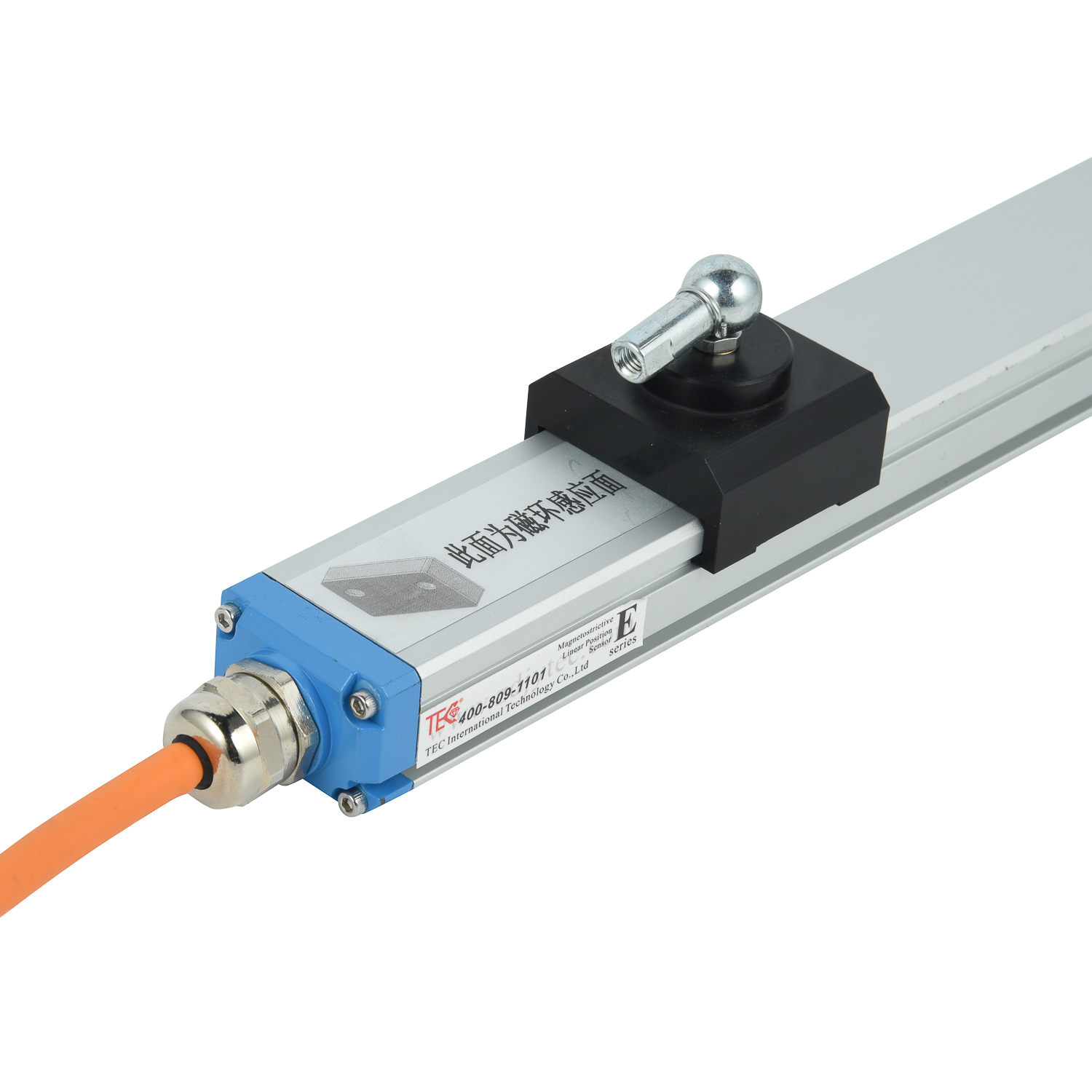
Regular calibration and anti-corrosion maintenance extend service life. With smart pressure sensors, water conservancy systems become safer, more efficient, and easier to manage, supporting sustainable water resource use.
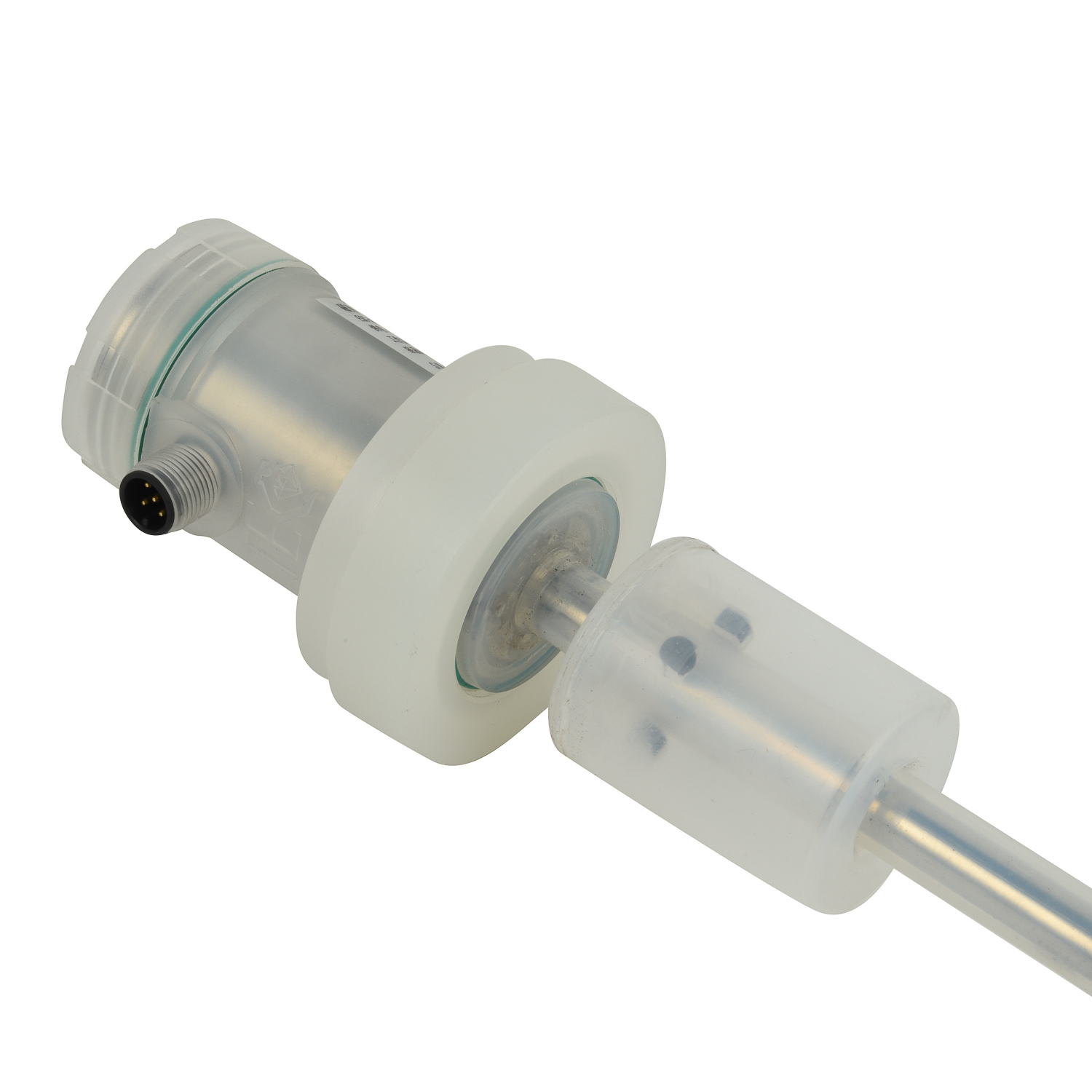 Pressure Sensor for Port
Pressure Sensor for Water Cons
 Pressure Sensor for Sewage Tre
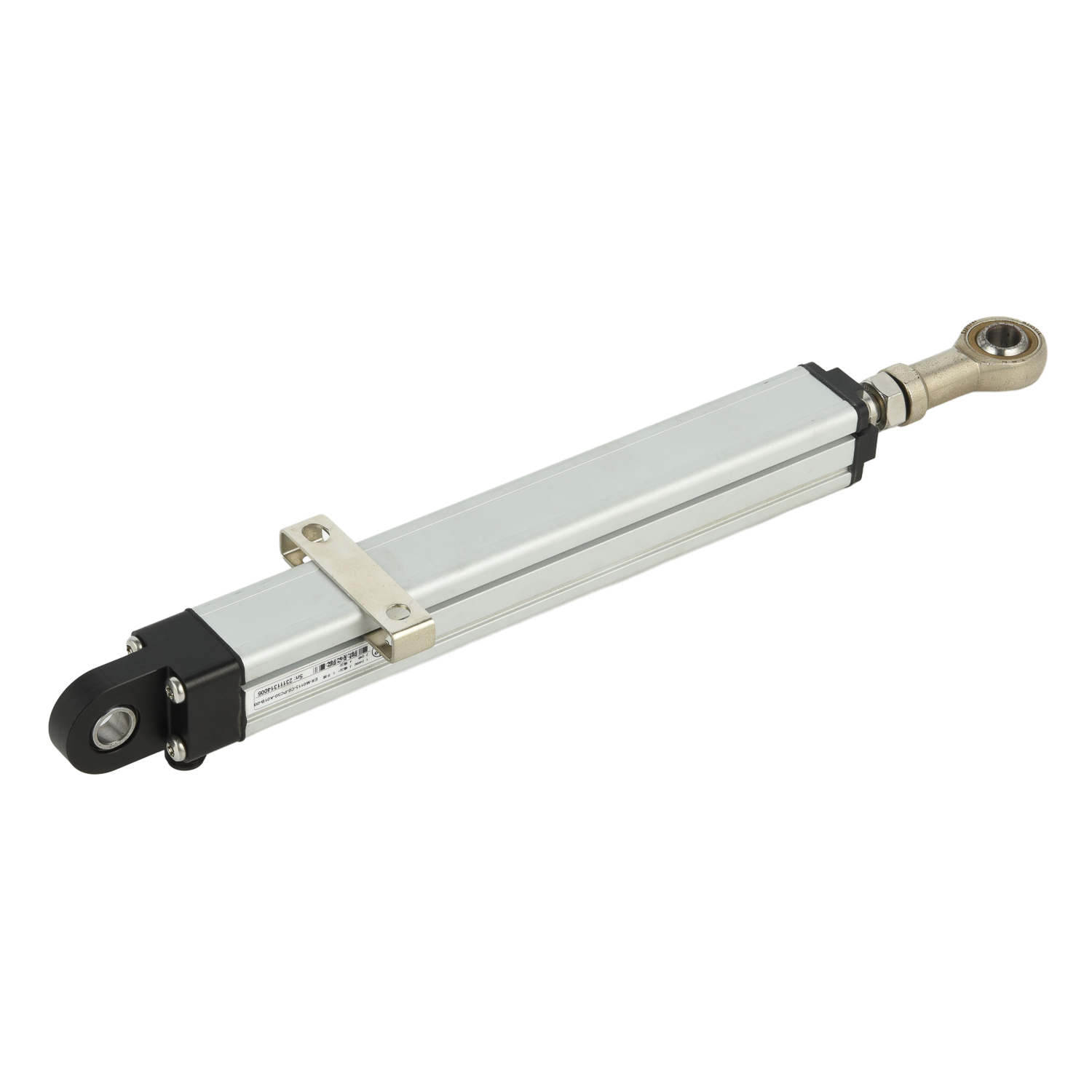 Pressure Sensor for Chemical I