
Pressure Sensor for Metallurgy
Pressure sensors for metallurgy must survive extreme heat, vibration, dust, and electromagnetic interference while delivering stable measurements for furnace, rolling, casting, and hydraulic systems. In steel plants, accurate pressure data supports safe combustion control, cooling water monitoring, hydraulic roll positioning, and gas pressure regulation. A rugged sensor design typically combines stainless steel or Inconel wetted parts, high-temperature compensation, welded construction, and IP67/IP69K protection. Silicon-on-insulator or piezoresistive sensing elements help maintain accuracy under thermal shock. Selecting the right sensor requires matching pressure range, process temperature, output signal, and mounting thread to the application. Flush diaphragms reduce clogging in slurry or molten-metal-adjacent lines, while isolated fills protect electronics from heat. Regular calibration and smart diagnostics cut downtime and improve predictive maintenance. For Industry 4.0, IO-Link, HART, or 4-20 mA outputs connect sensors to control systems for real-time monitoring. Reliable pressure measurement improves safety, energy efficiency, and product quality in metallurgical operations. Engineers should also consider overpressure protection, surge resistance, and corrosion resistance when specifying sensors for aggressive process media. Partnering with a supplier experienced in metallurgy ensures correct material selection, traceable calibration, and long service life.
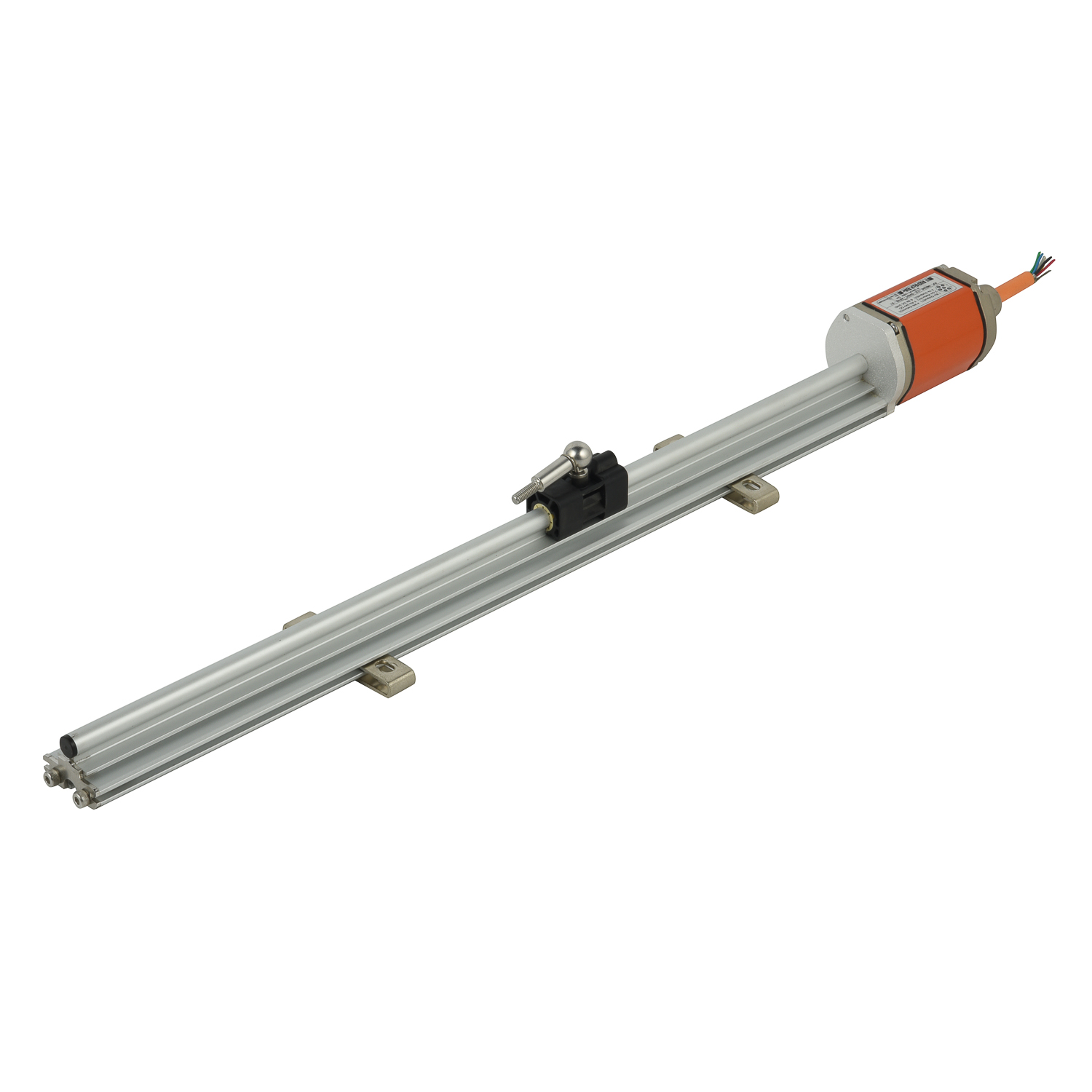
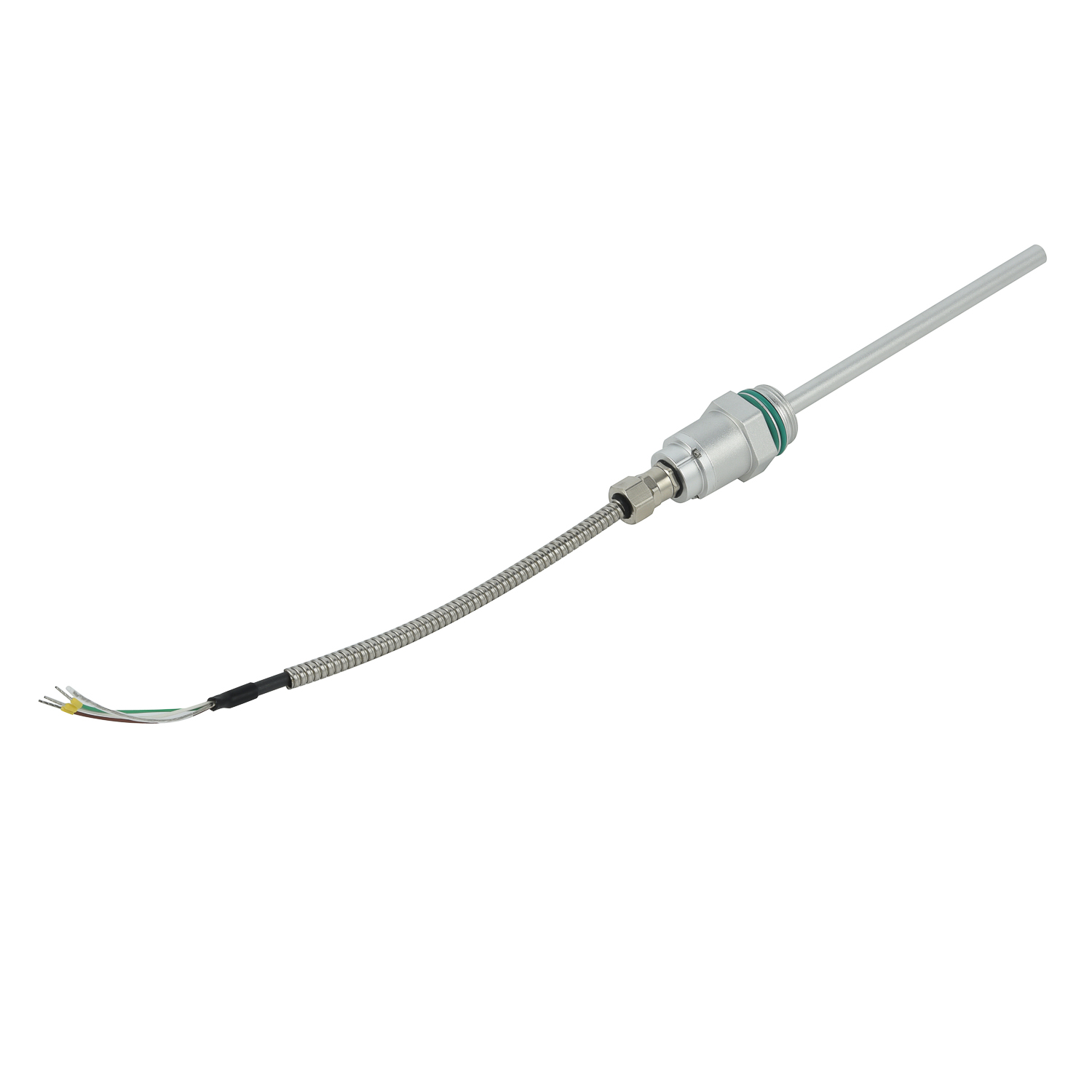 Pressure Sensor for Mining
Pressure Sensor for Metallurgy
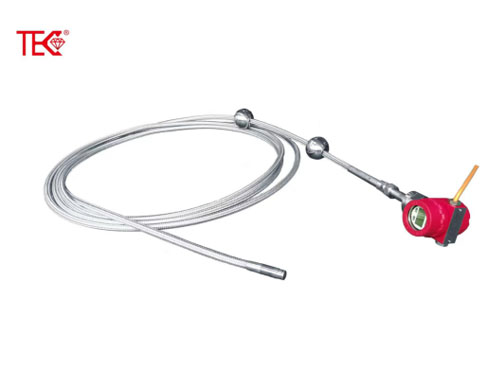 Grain and Oil Storage Tank Cor
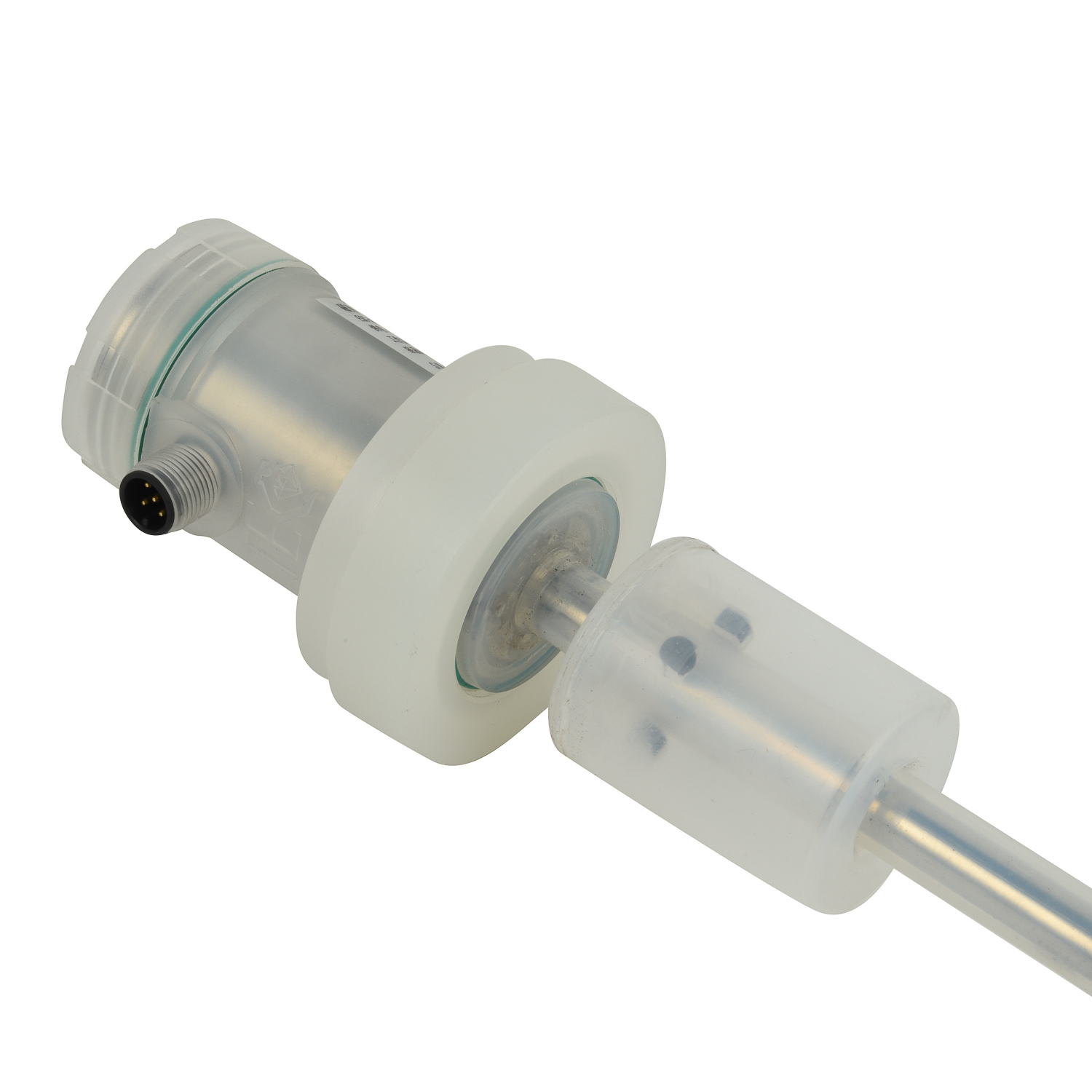 Mixing Station Material Tank T