
Sewage Treatment Flange-mounted Turbine Flowmeter
Flange-mounted turbine flowmeters are widely used in sewage treatment because they combine compact installation with reliable flow measurement. The flanged connection allows fast, secure mounting between pipeline sections, reducing leakage risk and simplifying maintenance. In wastewater treatment plants, these meters monitor influent, effluent, recycled sludge, and chemical dosing lines where accurate flow data supports process control and compliance reporting.
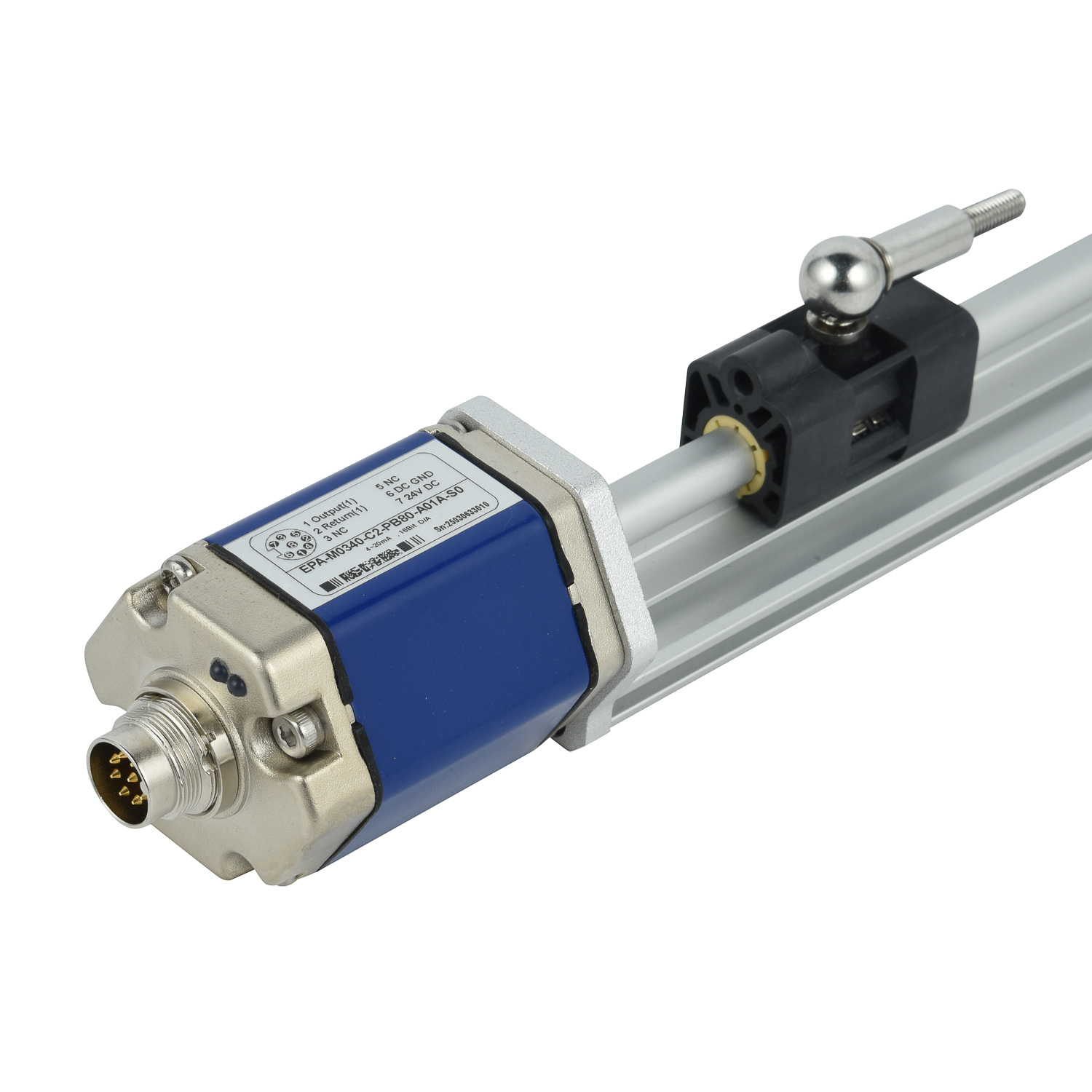
A typical sewage treatment flange-mounted turbine flowmeter uses a multi-blade rotor driven by fluid flow. The rotor speed is proportional to flow velocity, and the sensor converts it into pulses or a digital signal. Stainless steel or corrosion-resistant materials help resist suspended solids, moisture, and aggressive additives. Selecting the right liner, rotor material, and protection rating is essential for long service life. Users should also confirm flow range, pressure rating, pipe size, and signal output before purchase to match plant conditions. They are suitable for continuous duty in demanding municipal and industrial wastewater environments.
Installation matters. The meter should be mounted with sufficient straight pipe upstream and downstream, kept full during operation, and oriented to avoid air pockets or sediment build-up. Regular inspection and cleaning prevent debris from affecting the rotor. With proper sizing and maintenance, flange-mounted turbine flowmeters deliver repeatable measurement, low pressure loss, and efficient performance in sewage treatment flow monitoring.
 Water Conservancy Rod-type Tur
Sewage Treatment Flange-mounte
 Port Corrosion-resistant Turbi
 Power Plant Waterproof Turbine