
Electromagnetic Flowmeter for Hoists
Electromagnetic flowmeters provide dependable flow measurement for hoist systems that use conductive liquids. In industrial, construction, and mining hoists, accurate flow data supports cooling circuits, dust suppression, lubrication support, and hydraulic auxiliary systems. Because the meter applies Faraday's law and contains no moving parts, it minimizes wear, pressure loss, and maintenance while handling continuous duty. For hoist installations, choose a robust meter with high IP protection, vibration resistance, stable electrodes, and shielding against motor and brake interference. Correct grounding and suitable straight-pipe runs are essential to reduce signal noise from variable-frequency drives and heavy electrical equipment. Select liner and electrode materials to match the fluid, temperature, and pressure. Verify the minimum conductivity and choose a full-bore size that avoids low-flow errors and excessive pressure drop. Install the sensor where the pipe remains full, with enough upstream and downstream straight length and safe access for service. A 4-20 mA or pulse output links easily to PLCs and monitoring platforms for alarms, trend analysis, and preventive maintenance. Routine zero checks, electrode cleaning, and calibration checks help sustain accuracy. With proper sizing and installation, an electromagnetic flowmeter improves safety, reduces downtime, and gives operators clear insight into hoist fluid performance. This supports safer, more efficient hoist operation.
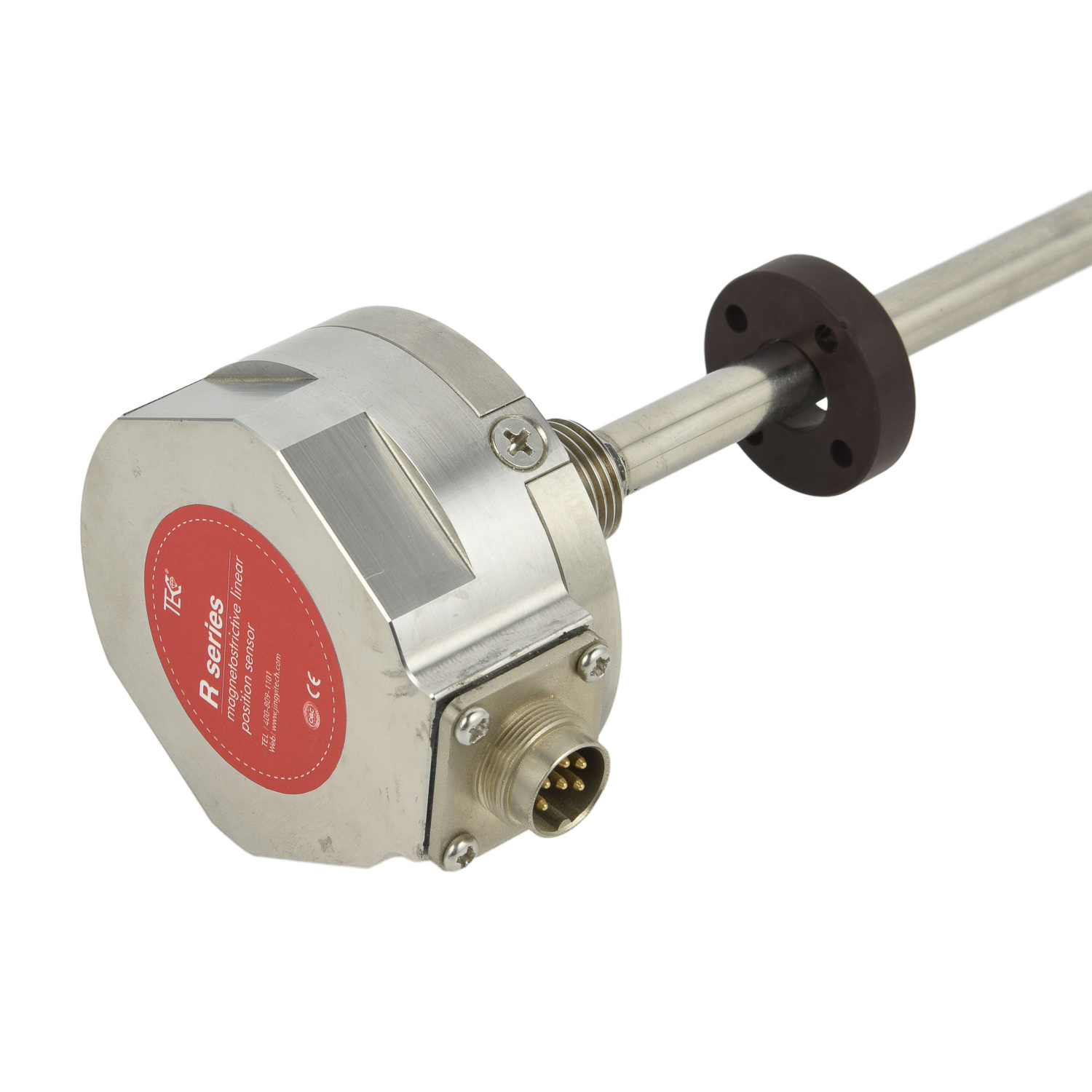
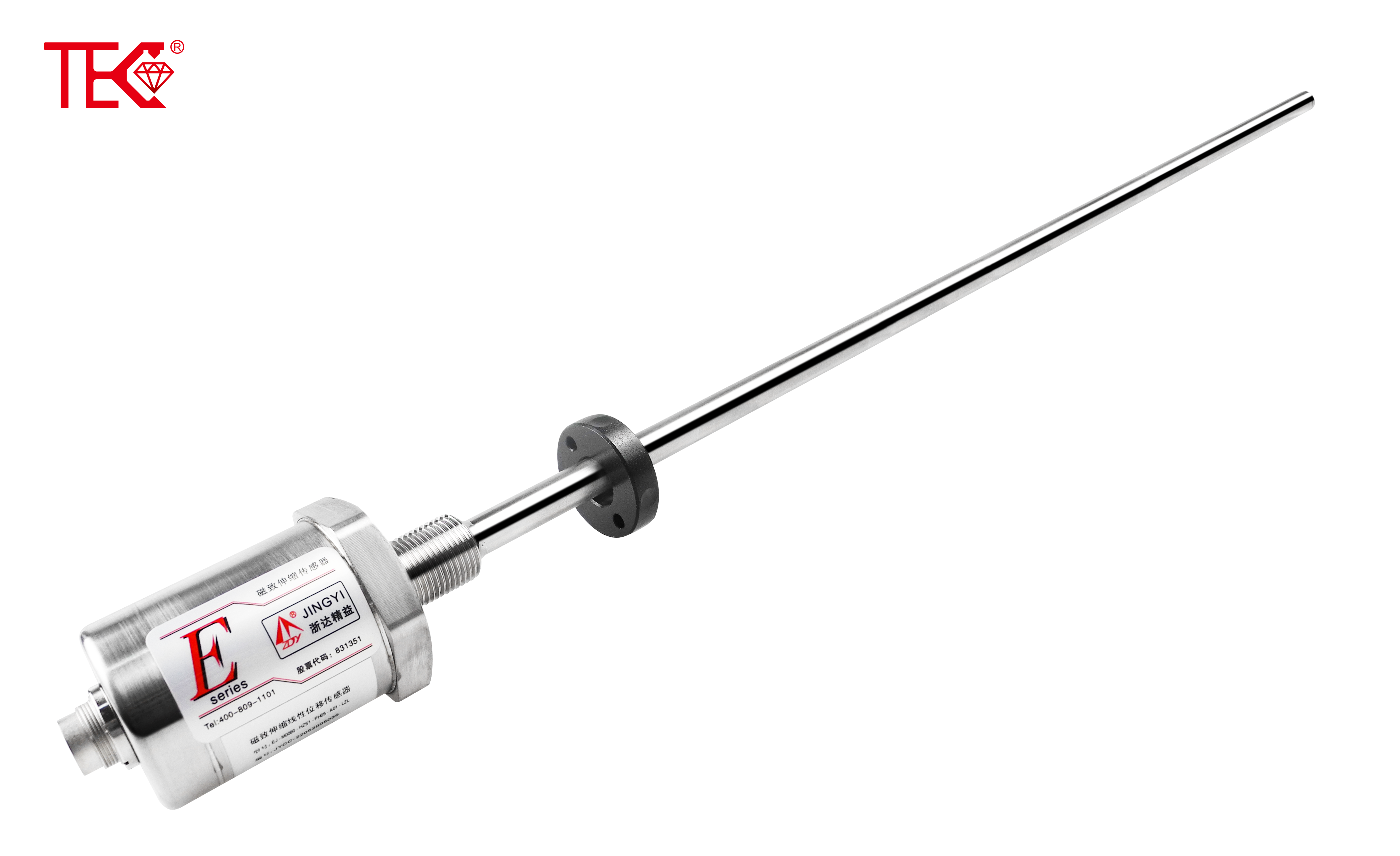 Turbine Flowmeter for Chemical
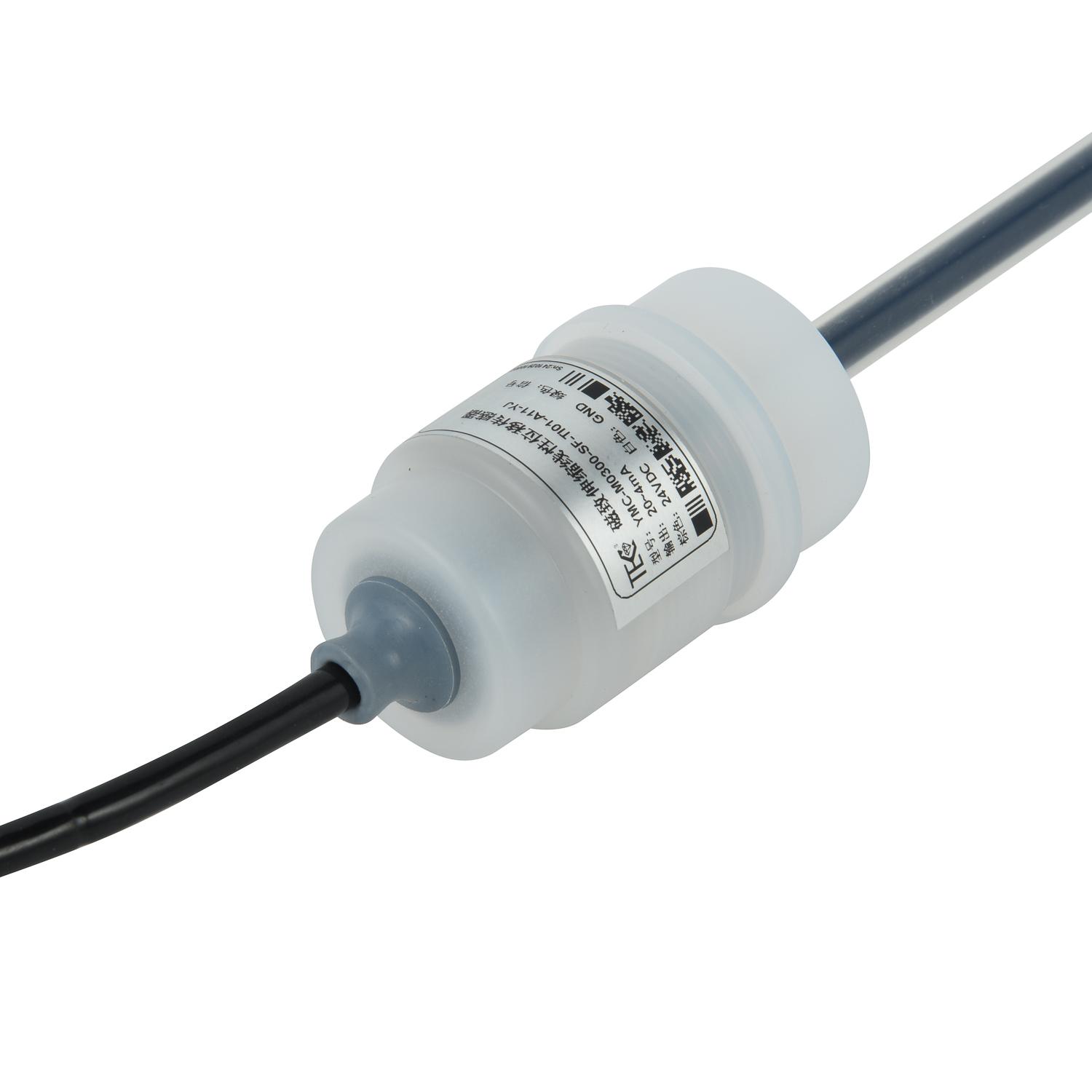 Turbine Flowmeter for Cement I
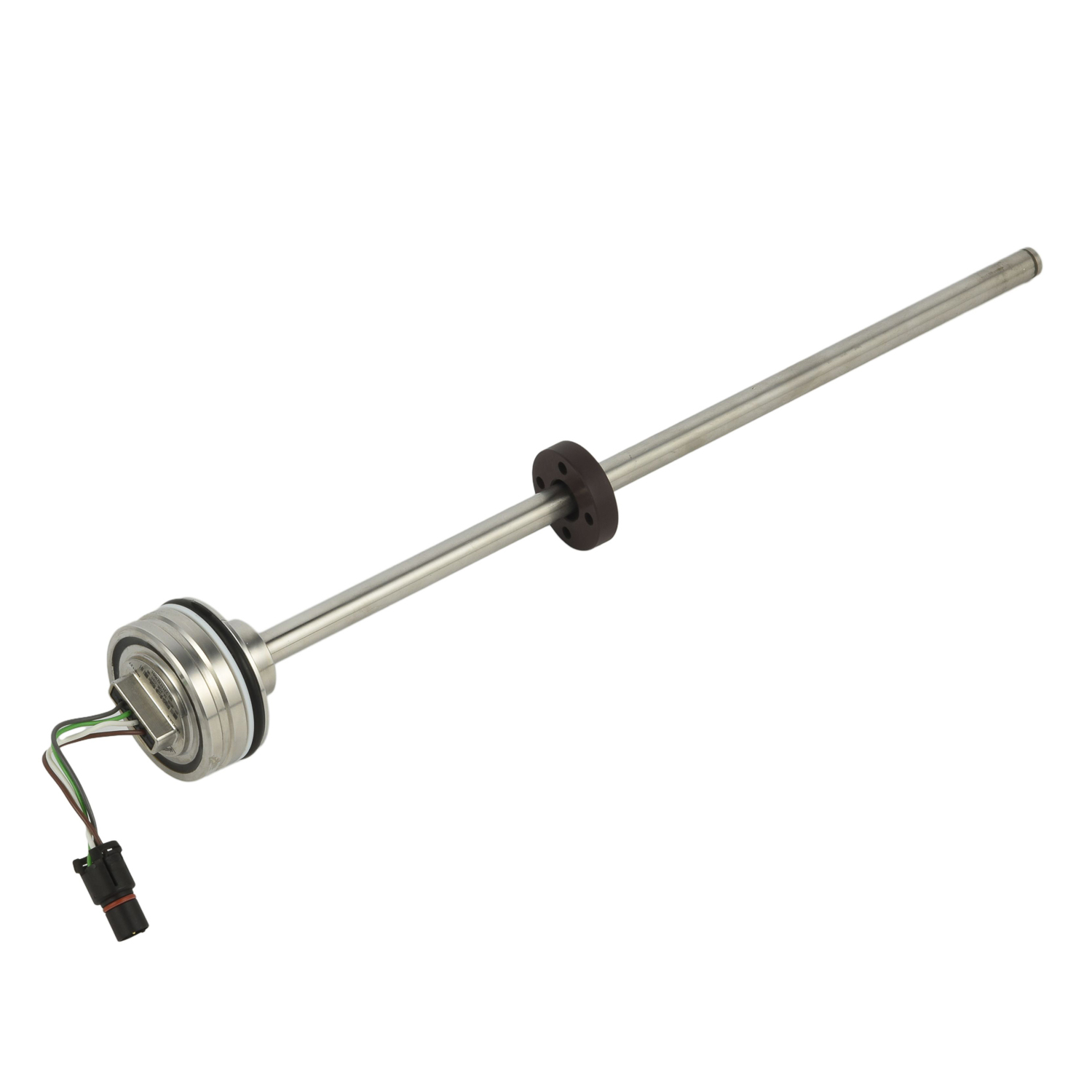 Turbine Flowmeter for Mining
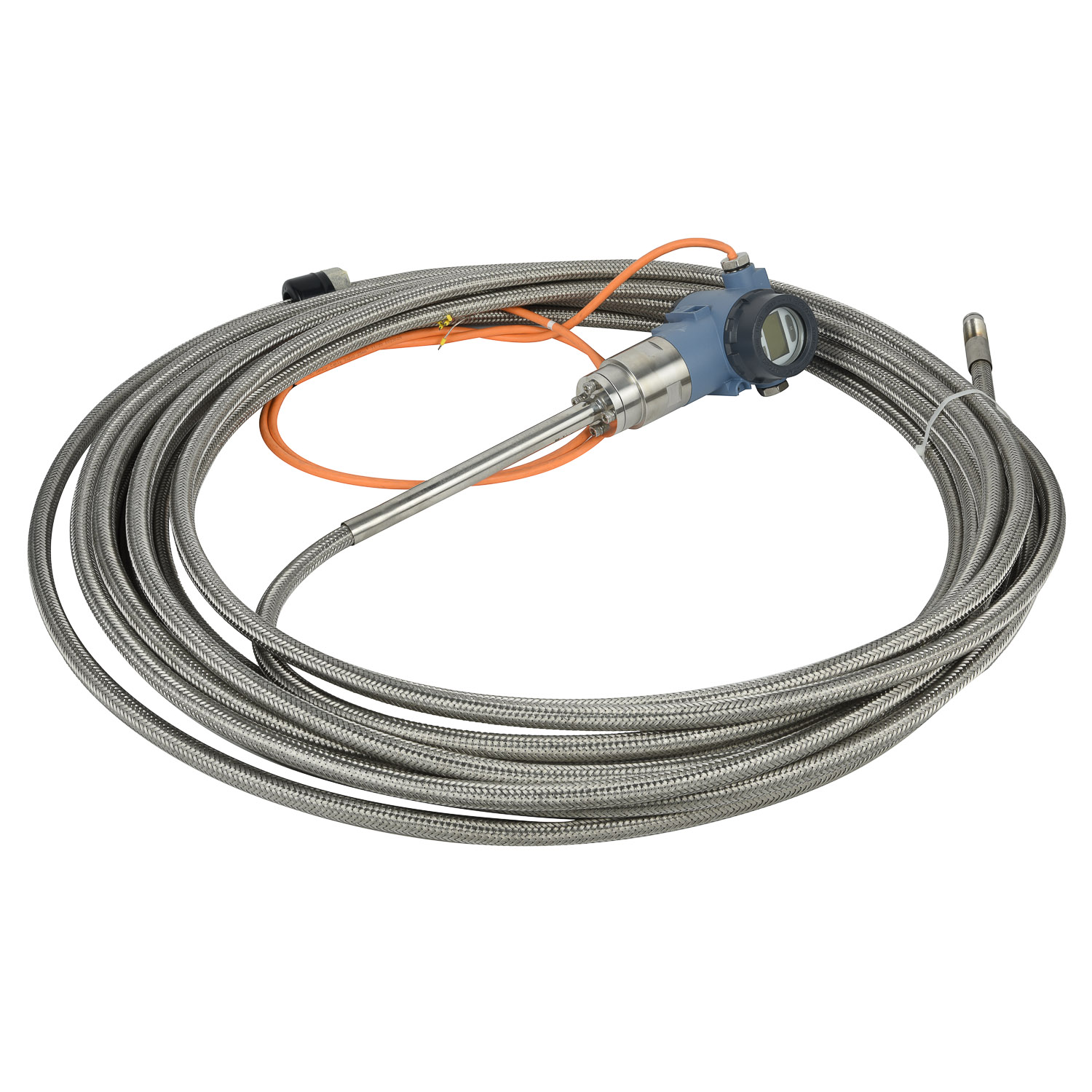 Turbine Flowmeter for Metallur