
Model and Specification of Corrosion-resistant Radar Sensor
Corrosion-resistant radar sensors are designed for continuous level measurement in aggressive liquids, slurries, and chemical tanks. The CR-RS80 model uses an 80 GHz non-contact radar module with a sealed PVDF/PTFE antenna. It resists acids, alkalis, salt spray, and condensation, making it suitable for chemical processing, wastewater treatment, and offshore platforms.
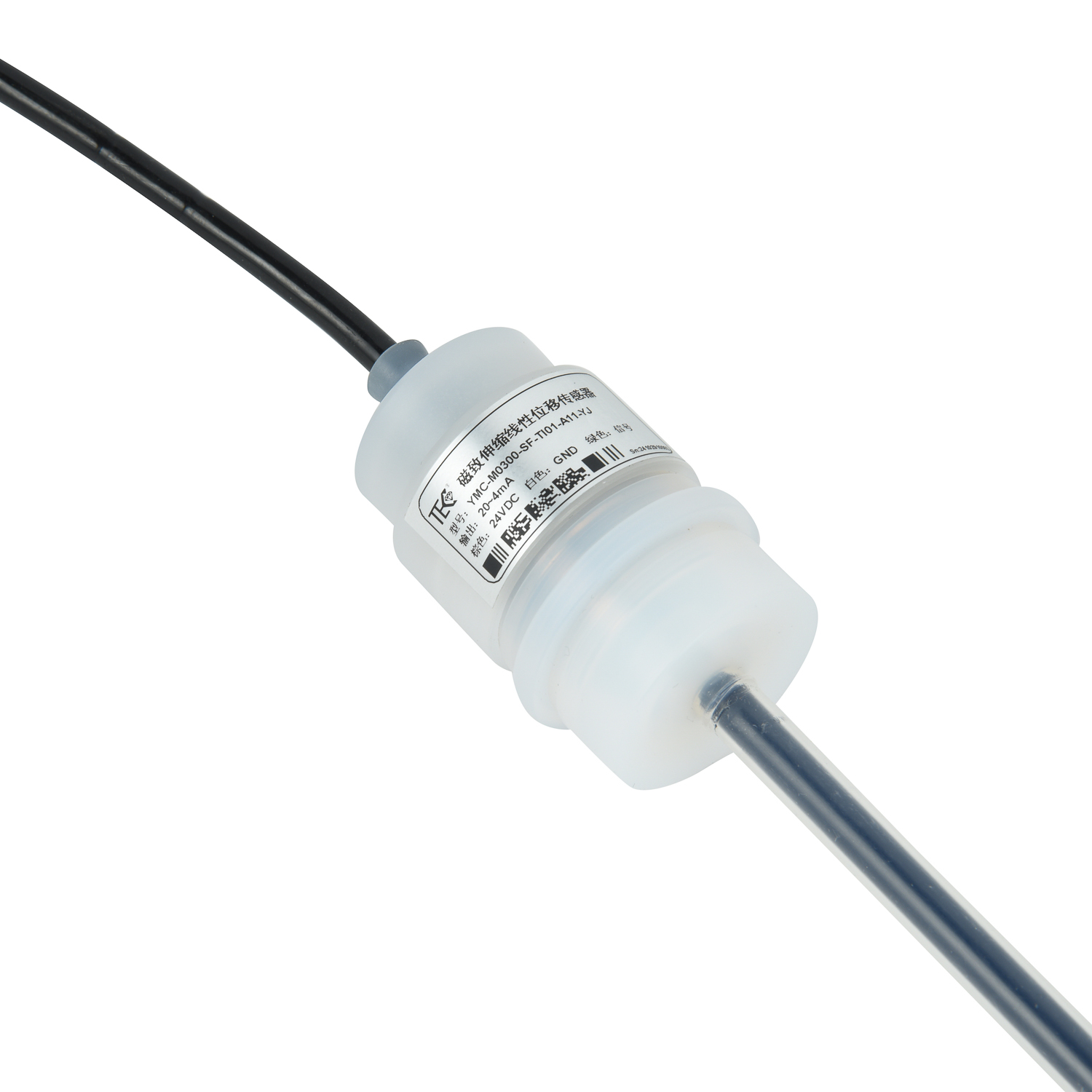
The CR-RS80 offers a 0.2–30 m measuring range, ±2 mm accuracy, and an 8° beam angle. Its IP68 housing protects against dust and prolonged immersion, while the operating temperature spans -40°C to 85°C. Power is 12–30 VDC, with outputs including 4–20 mA, HART, RS485/Modbus, and relay alarm. Configuration via magnetic buttons or PC software reduces maintenance downtime.
For smaller tanks, the CR-RS20 model provides a 0.1–10 m range, ±3 mm accuracy, and a compact PTFE antenna. It shares IP68 protection and corrosion-resistant wetted parts. Both models use echo-processing algorithms to suppress foam and agitator interference. Optional Ex ia IIC T6 certification supports hazardous-area use. Install the sensor away from direct nozzle reflections and keep the beam path clear.
Check process connection, flange material, antenna seal, and ambient humidity during specification review. Match the sensor's wetted materials to the chemical compatibility chart of the measured medium. Inspect the antenna surface and sealing ring regularly to extend service life. With correct model selection, these corrosion-resistant radar sensors deliver stable measurement in harsh environments.
 Sewage Treatment Flange-mounte
 Port Corrosion-resistant Turbi
 Power Plant Waterproof Turbine
 Chemical Industry High-pressur