
Long-distance Positioning System for Hoists
Long-distance positioning systems for hoists are transforming how industrial teams control lifting equipment across large facilities. Traditional limit switches and local encoders work well over short spans, but they struggle when hoists travel hundreds of meters or operate across multiple bays. A long-distance positioning system combines rugged sensors, wireless or wired communication, and real-time software to track trolley, bridge, and hook positions with high accuracy. This visibility helps operators avoid collisions, reduce load sway, and coordinate cranes in shared work zones.
Modern systems often use laser rangefinders, GNSS where suitable, UWB anchors, magnetic tape, or encoder networks. The best choice depends on indoor or outdoor conditions, dust, vibration, and required precision. Data is sent to a PLC or cloud platform, where software displays live positions, sets virtual boundaries, and logs movements for maintenance and safety audits.
For facility managers, the benefits are clear: faster cycle times, fewer damaged loads, and safer operations. Remote monitoring also supports predictive maintenance by revealing abnormal travel patterns. When selecting a system, check accuracy, update rate, communication range, environmental rating, and integration with existing crane controls. With a well-designed long-distance positioning system, hoist fleets can operate reliably across expansive warehouses, ports, steel plants, and construction sites. Clear alerts and reports make adoption easier.
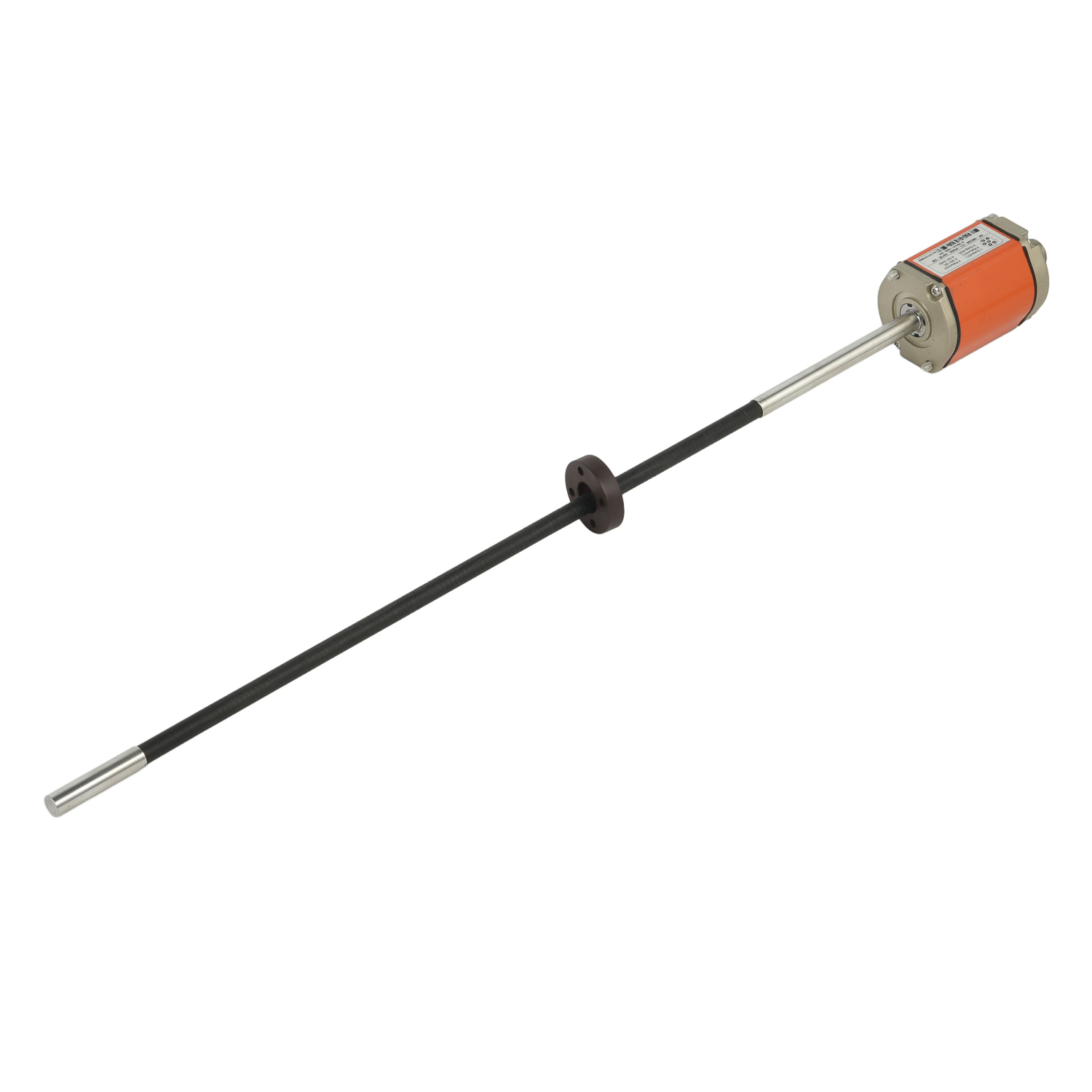 Long-distance Positioning Syst
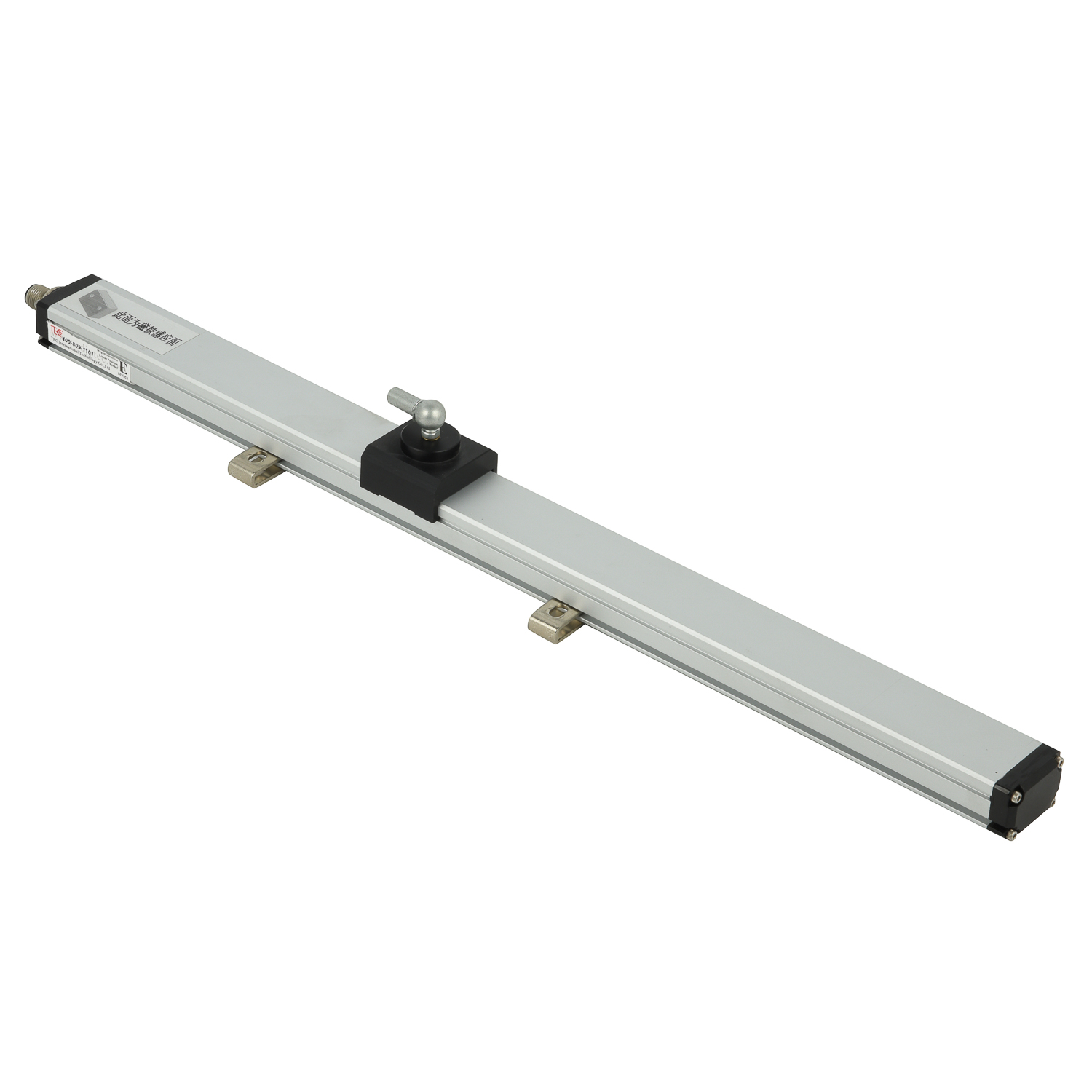 Long-distance Positioning Syst
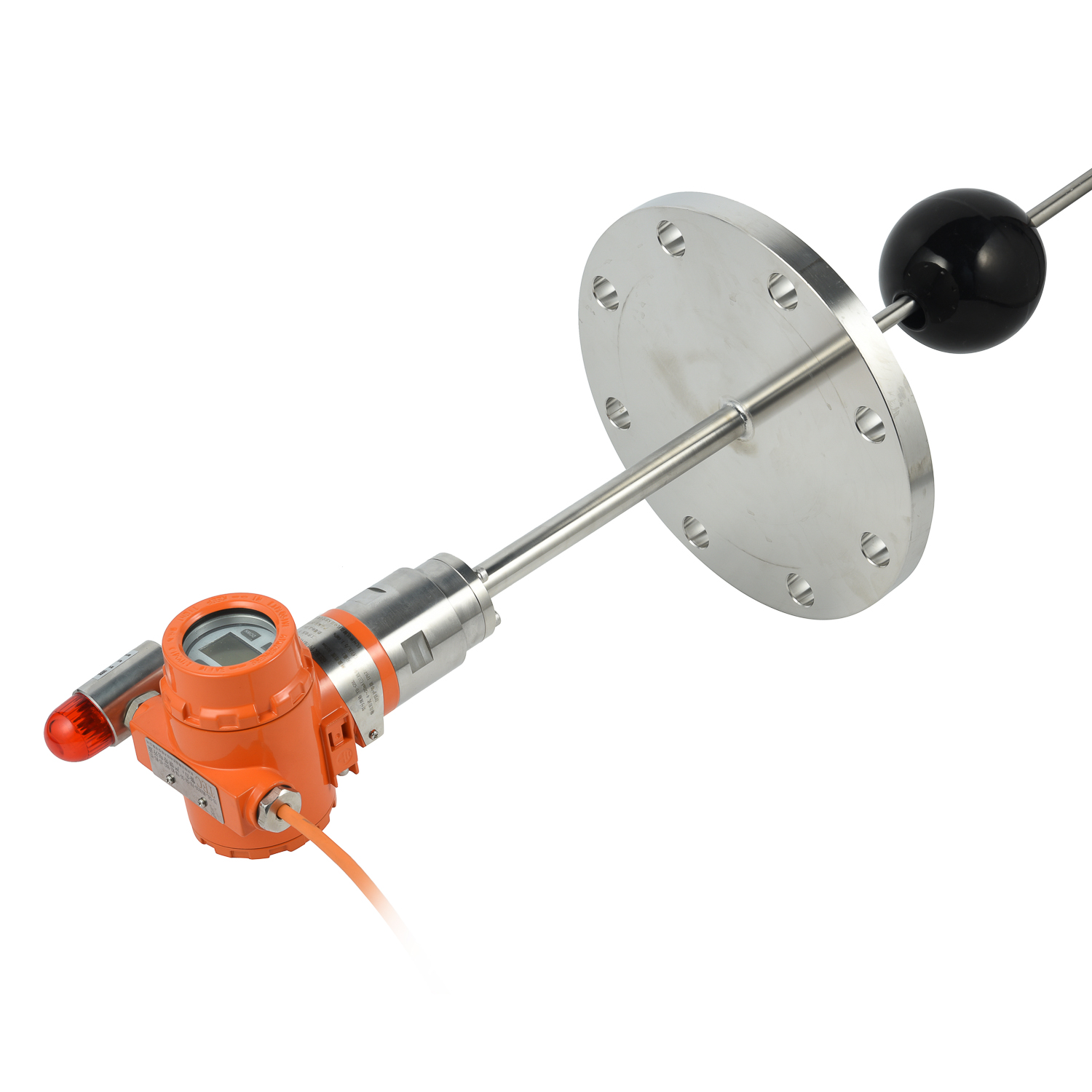 Long-distance Positioning Syst
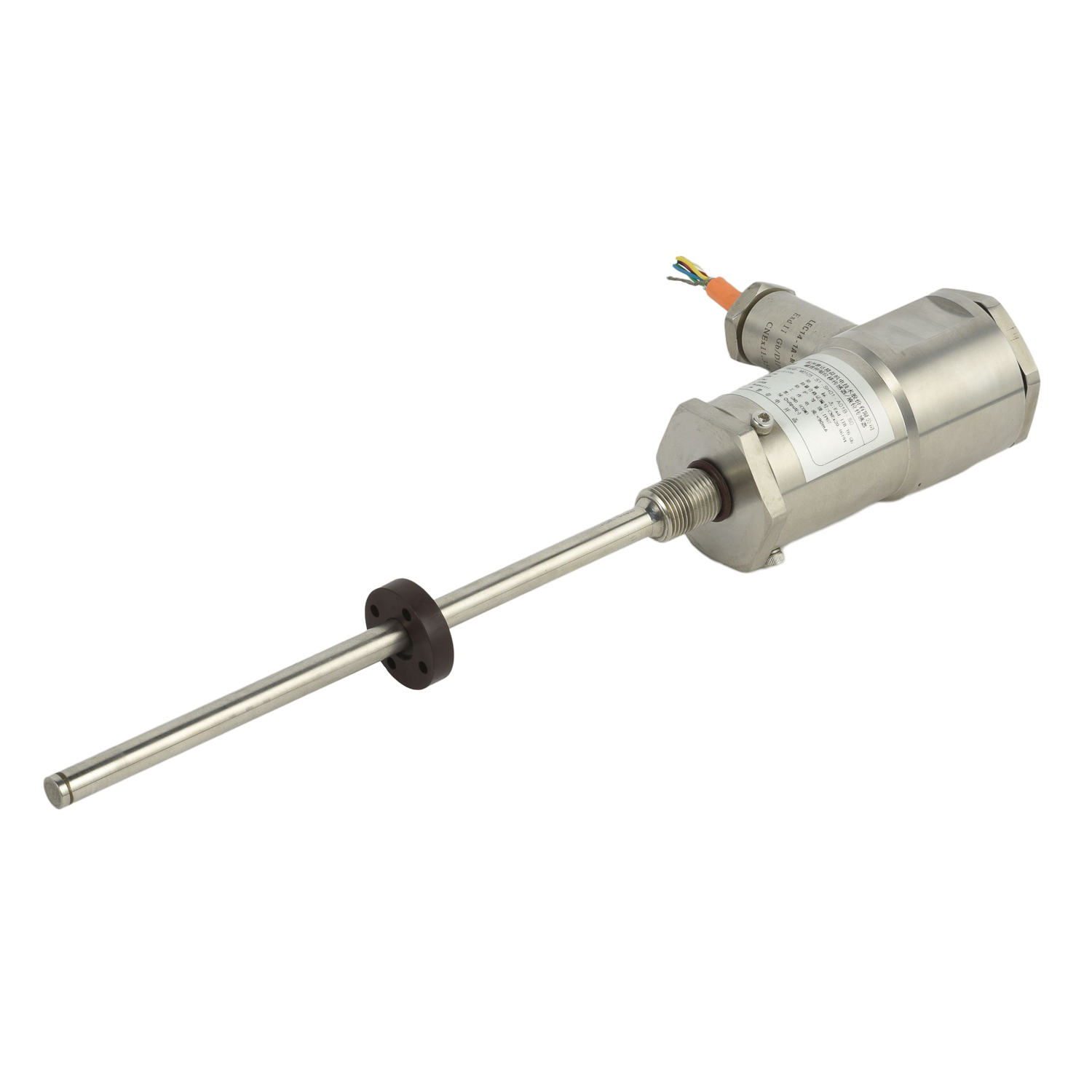 Long-distance Positioning Syst