
Long-distance Positioning System for Overhead Crane
Long-distance positioning systems are transforming overhead crane operations by providing reliable location data across industrial sites. Traditional limit switches and encoders work well on short spans, but they often struggle with long travel distances, multiple cranes, and complex plant layouts. A modern positioning system combines GNSS, UWB, laser ranging, LiDAR, and machine vision with wireless communication to track trolley, bridge, and hoist positions accurately. Edge computing filters noise and compensates for steel structure interference, while a central controller shares live coordinates with the crane management system. This enables anti-collision zones, automatic slowdowns, precise load placement, and safer coordination between cranes and ground vehicles. The system also supports remote monitoring, predictive maintenance, and digital twins. For harsh environments, redundant sensors and fail-safe algorithms maintain performance under dust, vibration, and temperature changes. Easy calibration and modular hardware reduce installation time and downtime. By improving visibility and control over long distances, it increases throughput, reduces human error, and protects people and equipment. It is especially valuable in ports, steel mills, warehouses, and heavy manufacturing plants where cranes travel hundreds of meters. With scalable architecture and open interfaces, long-distance positioning helps facilities move toward safer, smarter, and more automated material handling.
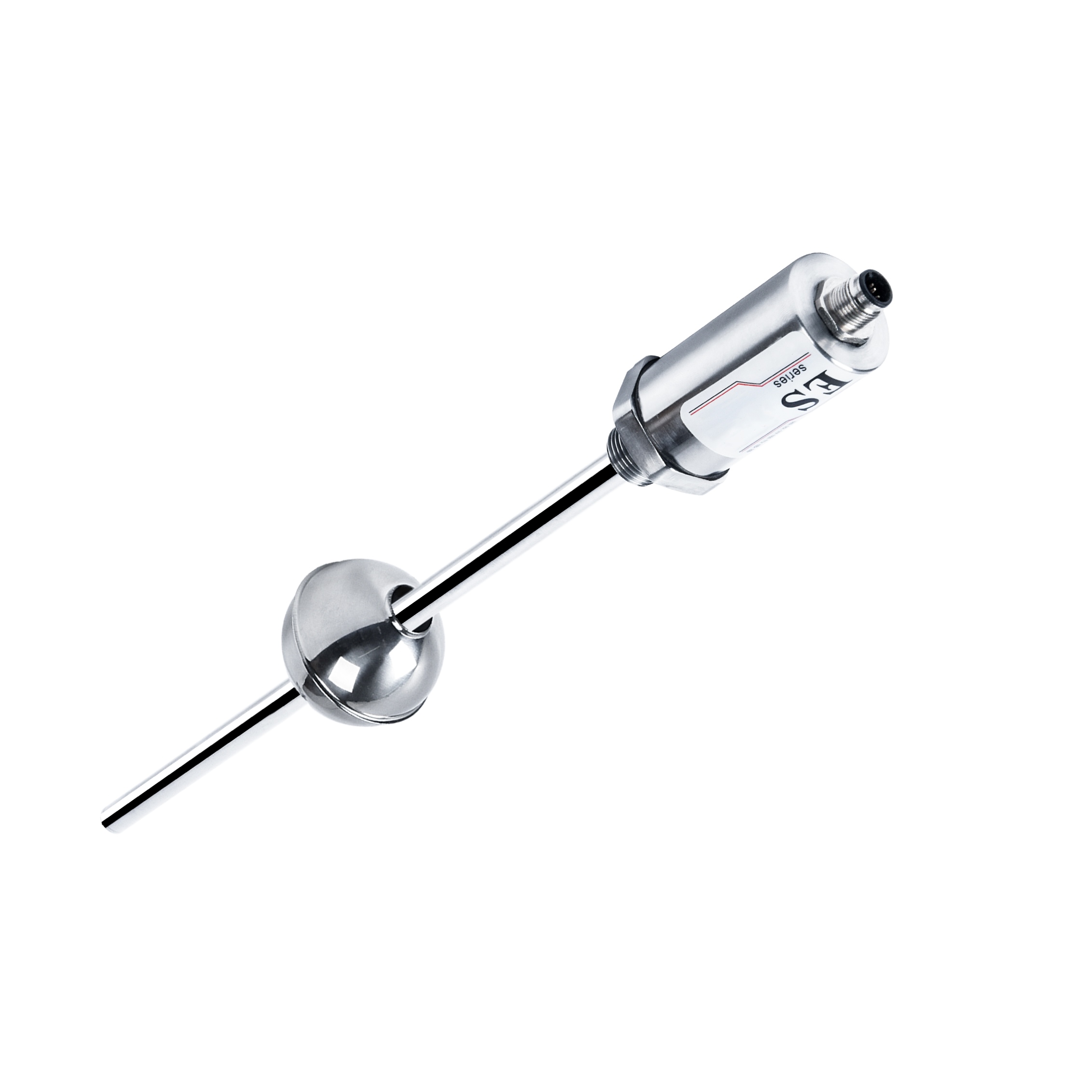
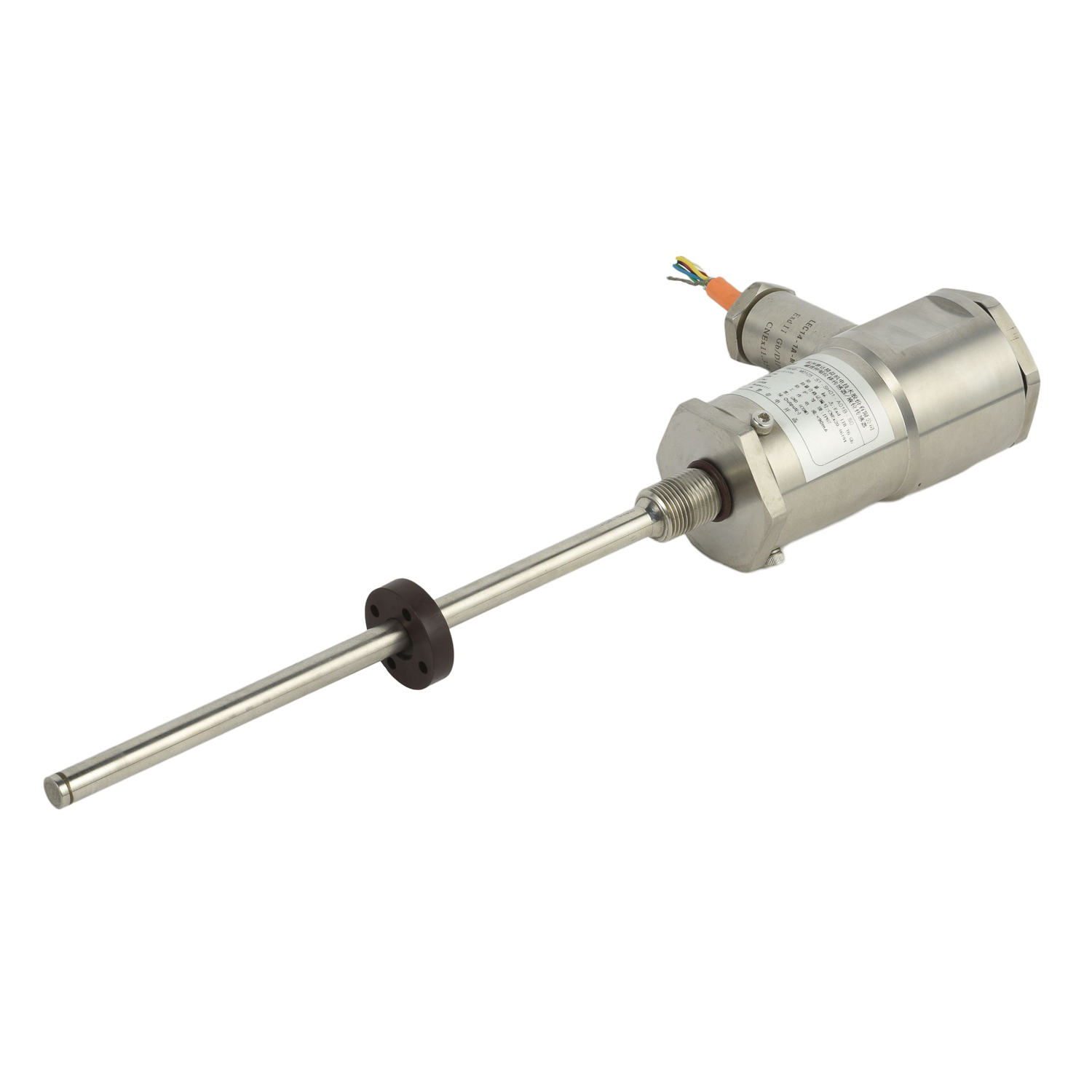 Long-distance Positioning Syst
Long-distance Positioning Syst
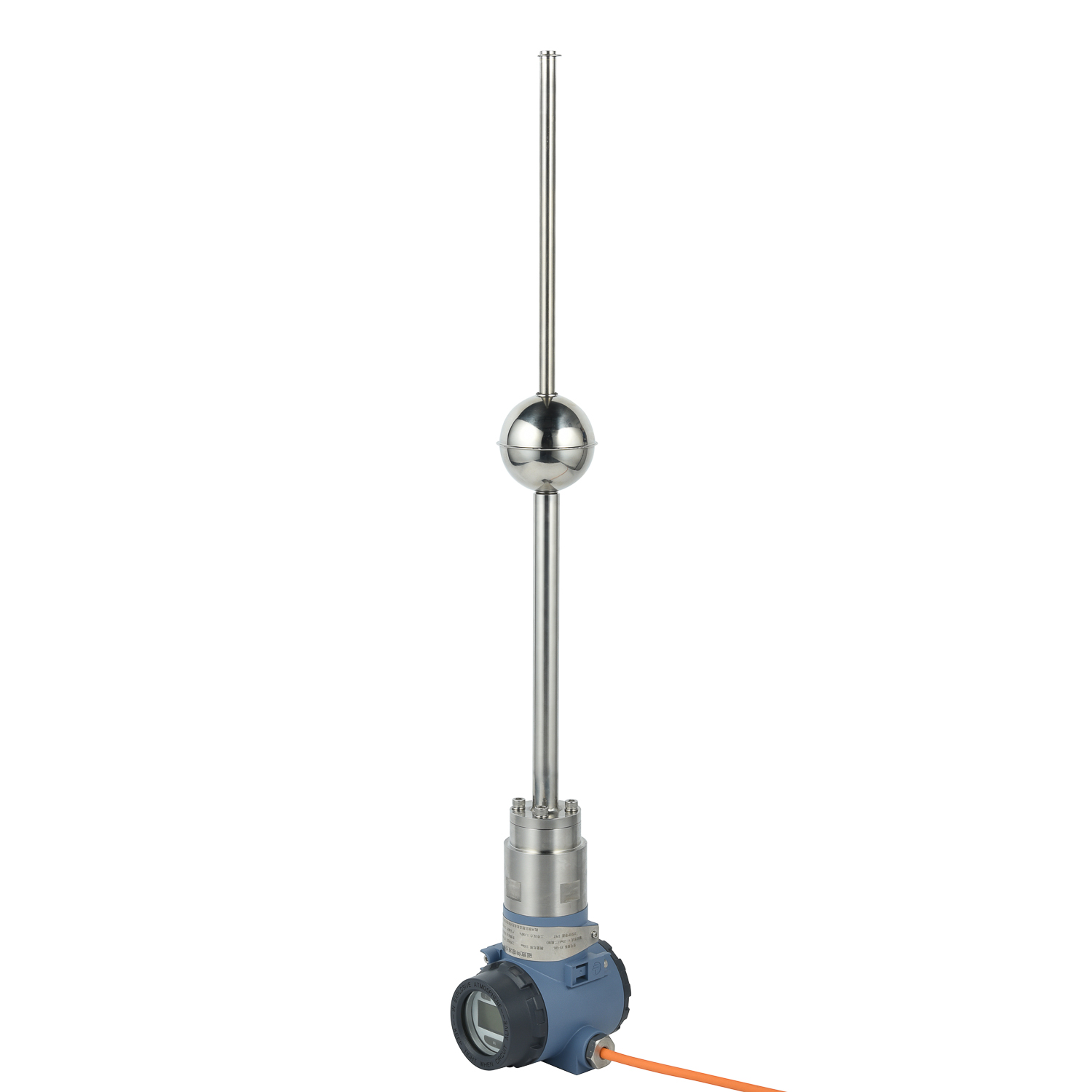 Long-distance Positioning Syst