
Long-distance Positioning System for Construction Machinery
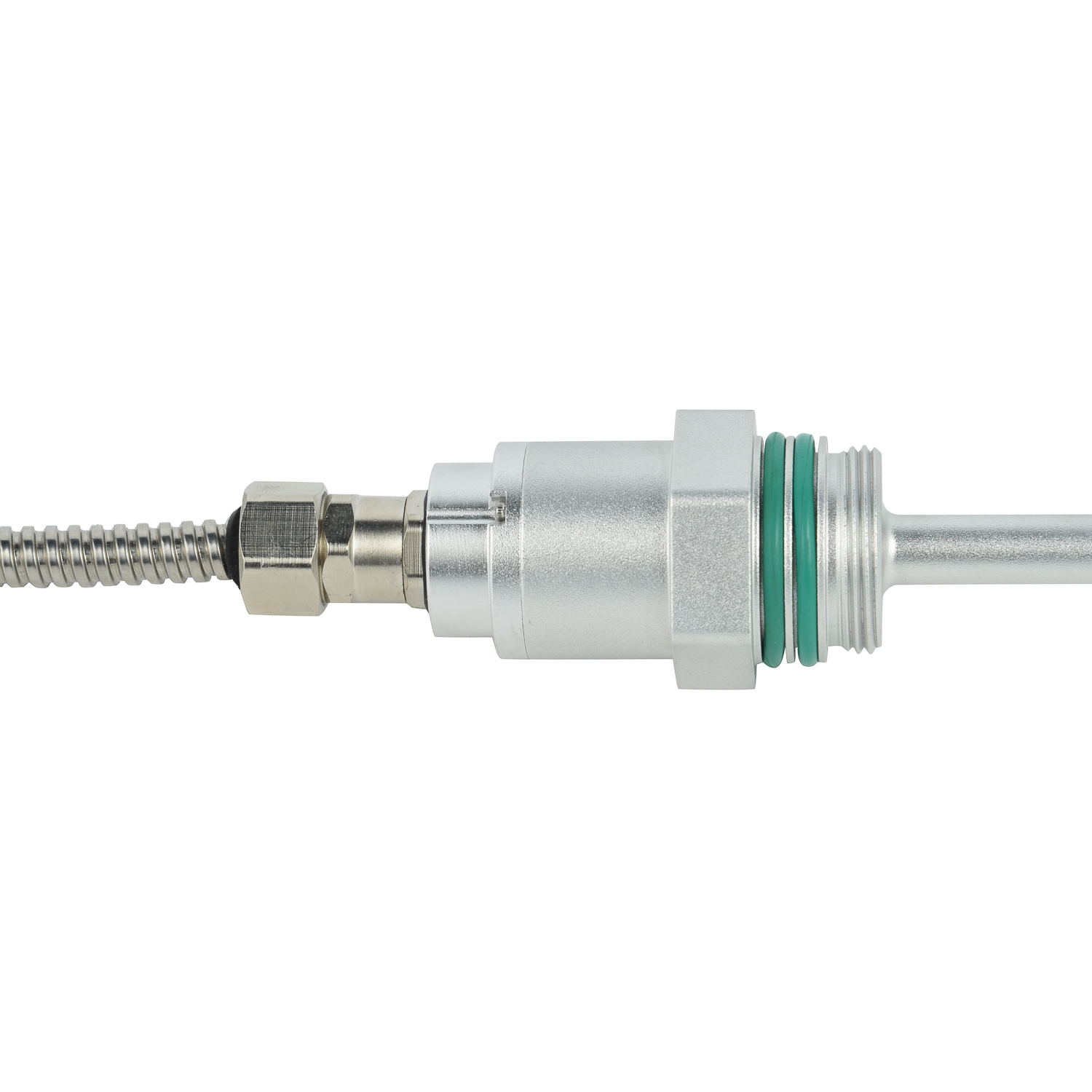
Long-distance positioning systems are becoming essential for construction machinery operating across large, dynamic jobsites. Unlike short-range indoor solutions, these systems combine GNSS/RTK, wireless communication, and sensor fusion to track excavators, bulldozers, cranes, and rollers over kilometers. RTK corrections delivered through 4G, 5G, or LoRa links provide centimeter-level accuracy, while inertial sensors maintain stable output in tunnels, under bridges, and near tall structures where satellite signals are blocked. A robust long-distance positioning system improves fleet management by giving dispatchers real-time visibility of equipment location, utilization, and idle time. Geofencing and proximity alerts reduce collision risks between machines and workers, especially in low-visibility conditions. Automated grade control also benefits from continuous position data, cutting rework and fuel use. To perform reliably, the system needs rugged hardware, redundant communication, and smart fallback among positioning sources. Cloud platforms can log routes, generate productivity reports, and support predictive maintenance. When deployed with clear site surveys and calibration, long-distance positioning helps contractors increase safety, reduce downtime, and manage equipment more efficiently across sprawling construction projects. This data integration also supports digital twins and automated reporting, helping project teams make faster decisions and keep every machine productive.
 Long-distance Positioning Syst
 Long-distance Positioning Syst
 Long-distance Positioning Syst
 Long-distance Positioning Syst