
Long-distance Positioning System for Metallurgy
Long-distance positioning systems are transforming metallurgy by delivering reliable real-time location data across large, harsh industrial sites. Unlike consumer GPS, these systems must operate indoors and outdoors amid high temperatures, dust, steam, metal reflections, and electromagnetic interference. Modern solutions combine ultra-wideband, radio frequency identification, laser ranging, millimeter-wave radar, and sensor fusion to track cranes, ladles, forklifts, workers, and raw materials with meter-level or sub-meter accuracy. This visibility supports collision avoidance, restricted-zone control, automated logistics, and better coordination between melting, casting, and rolling operations. A typical deployment uses rugged anchors, redundant gateways, edge computing, and industrial Ethernet or 5G backhaul. Real-time dashboards and APIs connect location data to MES, ERP, and safety PLCs, enabling predictive maintenance, asset utilization analysis, and faster emergency response. Engineers must plan anchor placement carefully, calibrate for multipath reflections, and protect devices from heat and vibration. Scalable architectures and open protocols keep integration costs low and support future expansion. By improving safety, reducing search time, and optimizing material flow, long-distance positioning systems help metallurgical plants increase productivity, lower energy use, and strengthen compliance. As digital twins and AI analytics mature, positioning data will become a core layer of smart steelmaking and intelligent metallurgy.
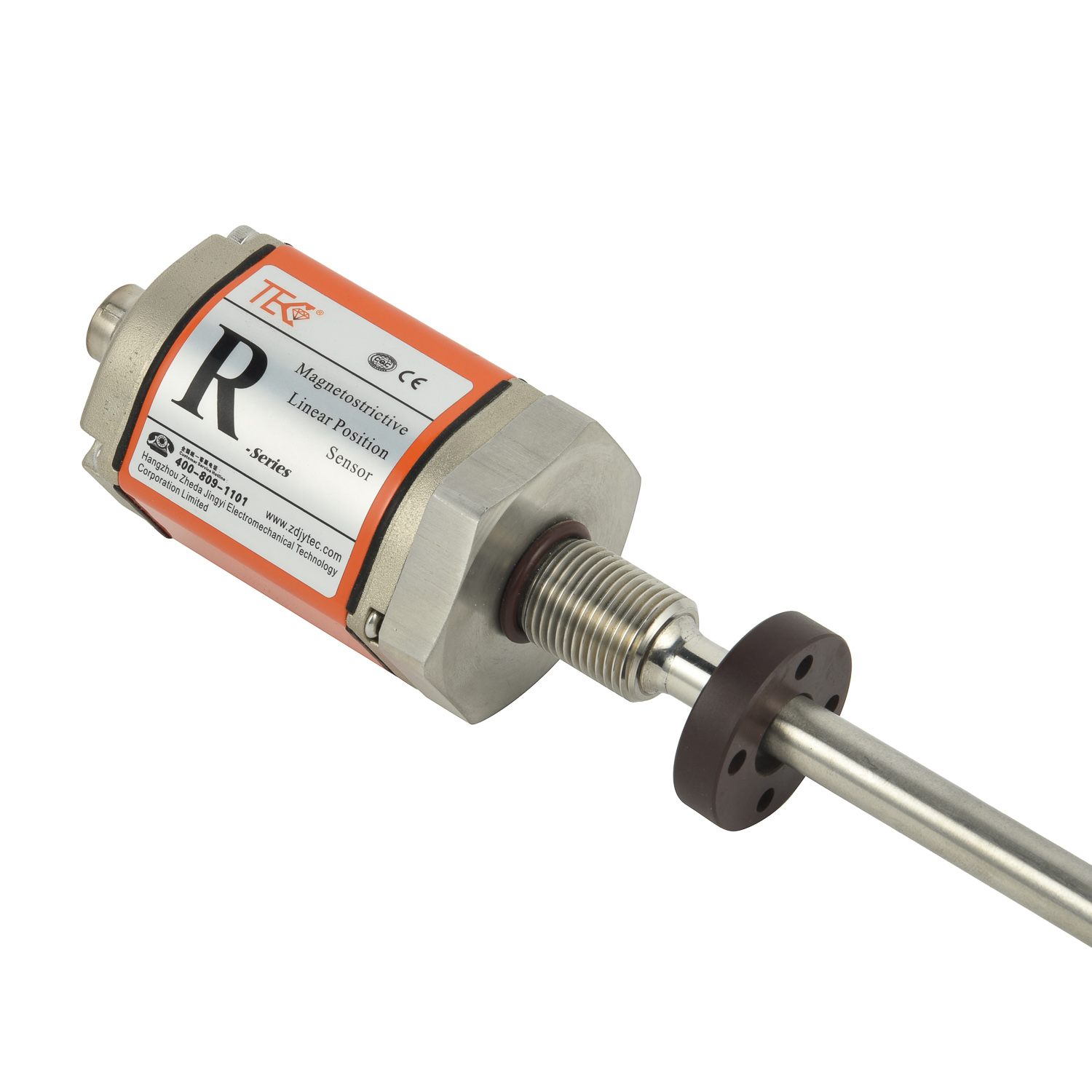
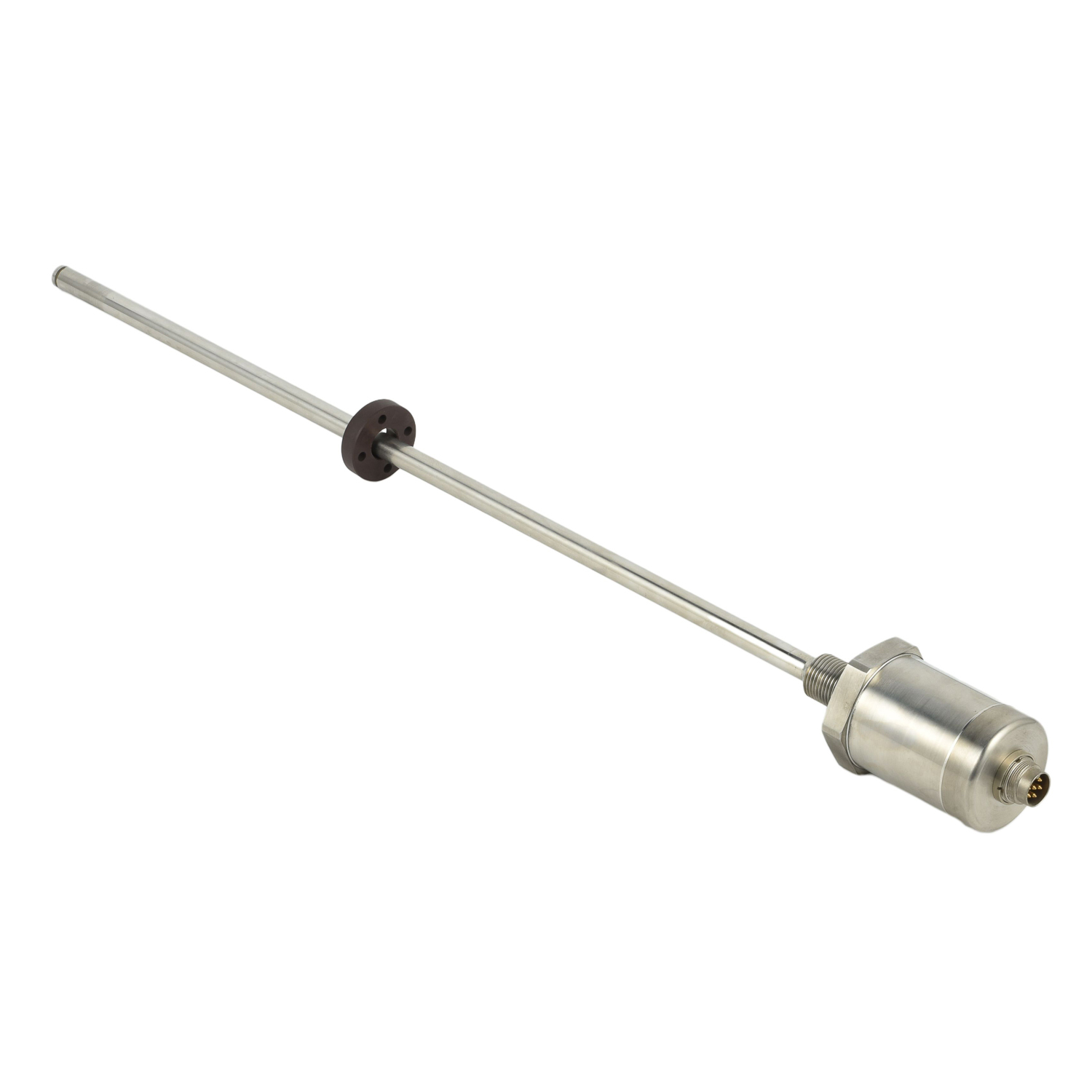 Long-distance Positioning Syst
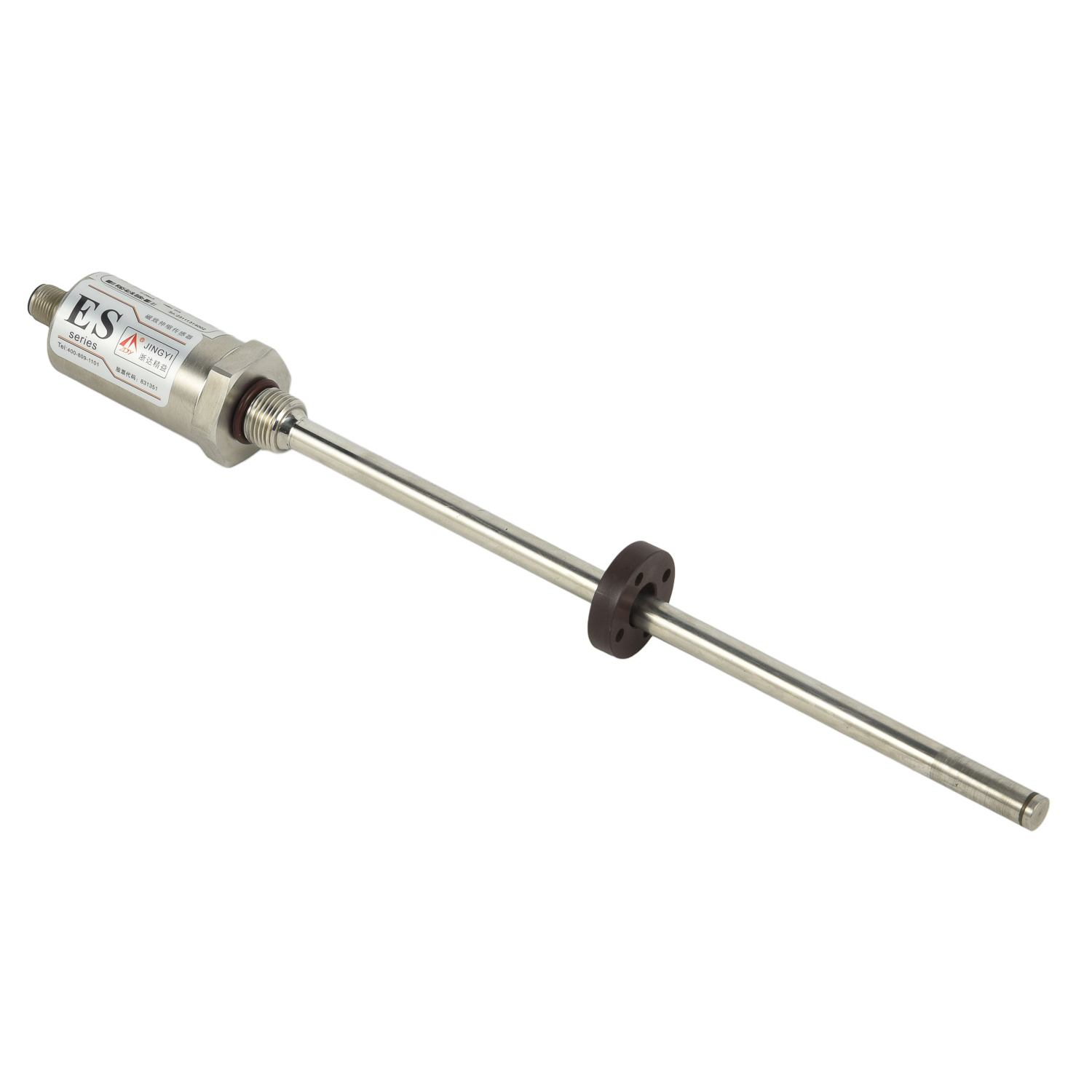 Grain and Oil Storage Tank Cor
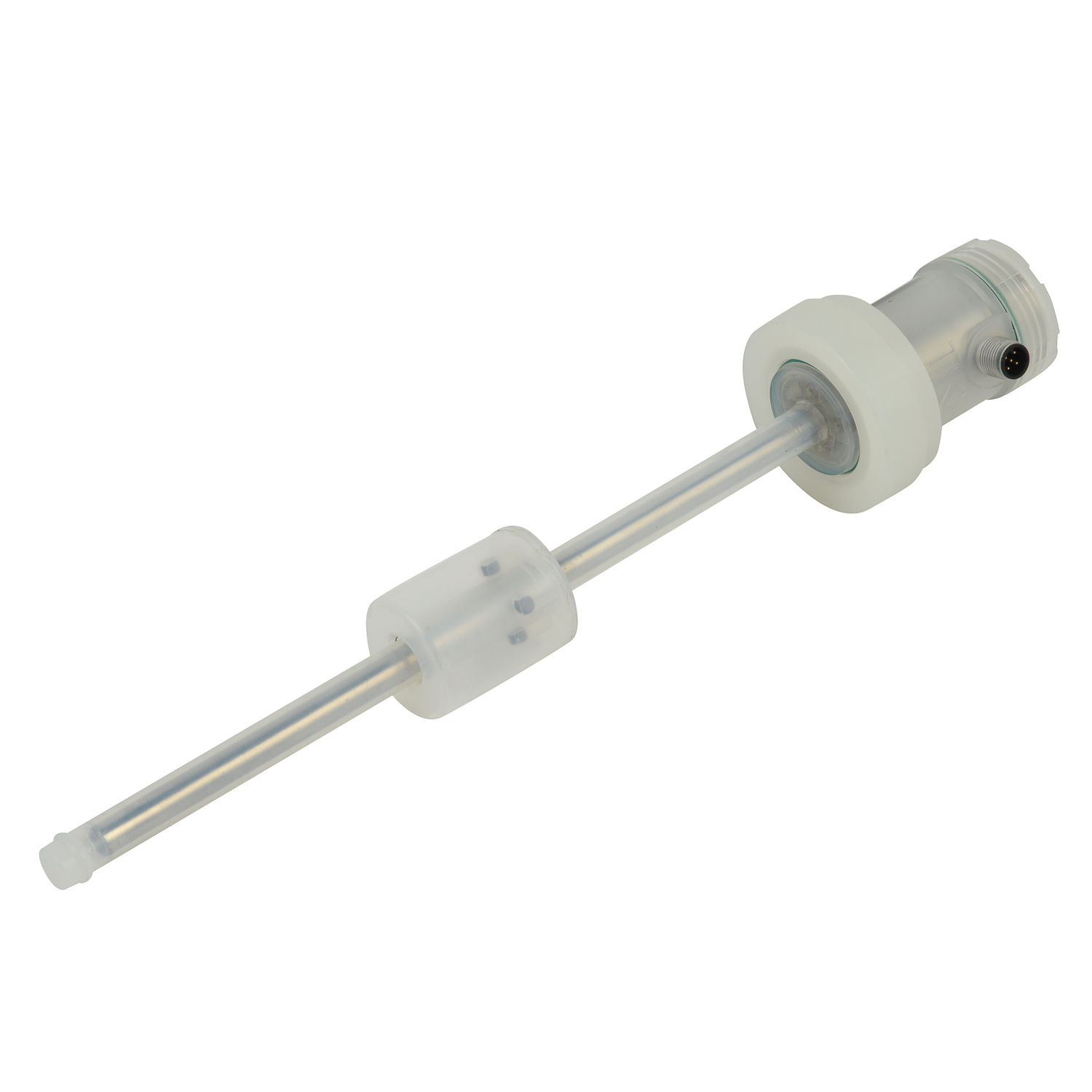 Mixing Station Explosion-proof