
Port Corrosion-resistant Graybus Cable
Ports are demanding environments where salt spray, humidity, oil, UV exposure, and constant vibration can quickly damage ordinary communication cables. A Port Corrosion-resistant Graybus Cable is engineered to keep data and power transmission stable in these harsh marine and industrial conditions. Its jacket is typically made from high-performance polymers that resist chloride attack, moisture ingress, and chemical contamination, while the shielded construction protects signals from electromagnetic interference generated by cranes, conveyors, and heavy handling equipment. The cable's flexible yet rugged design supports continuous movement and tight routing in terminal automation, ship-to-shore systems, and yard control networks. Compared with standard cables, it reduces downtime, extends service life, and lowers maintenance costs. For reliable port operations, choose a corrosion-resistant Graybus cable tested for salt spray, UV aging, and mechanical stress. A well-designed cable also uses tinned copper conductors and robust insulation to maintain low resistance and stable signal quality in wet, salty air. Flame-retardant and halogen-free options improve safety in congested terminal areas, while oil-resistant outer sheaths handle fuel, hydraulic fluid, and cleaning agents. During installation, correct bending radius, secure clamping, and sealed connectors help preserve long-term performance. Routine inspection of jacketing and terminations can identify early wear before it causes network faults.
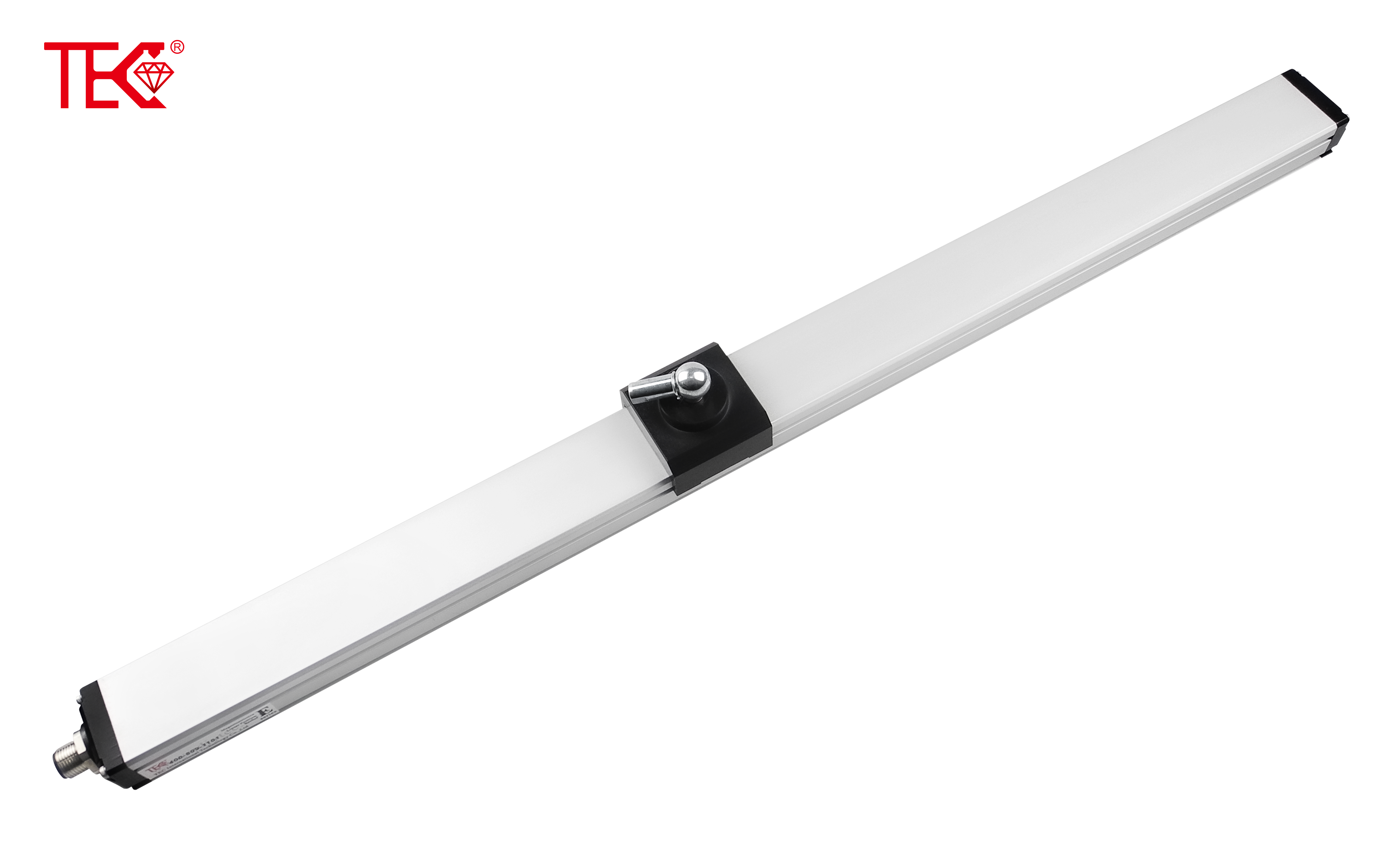 Port Corrosion-resistant Grayb
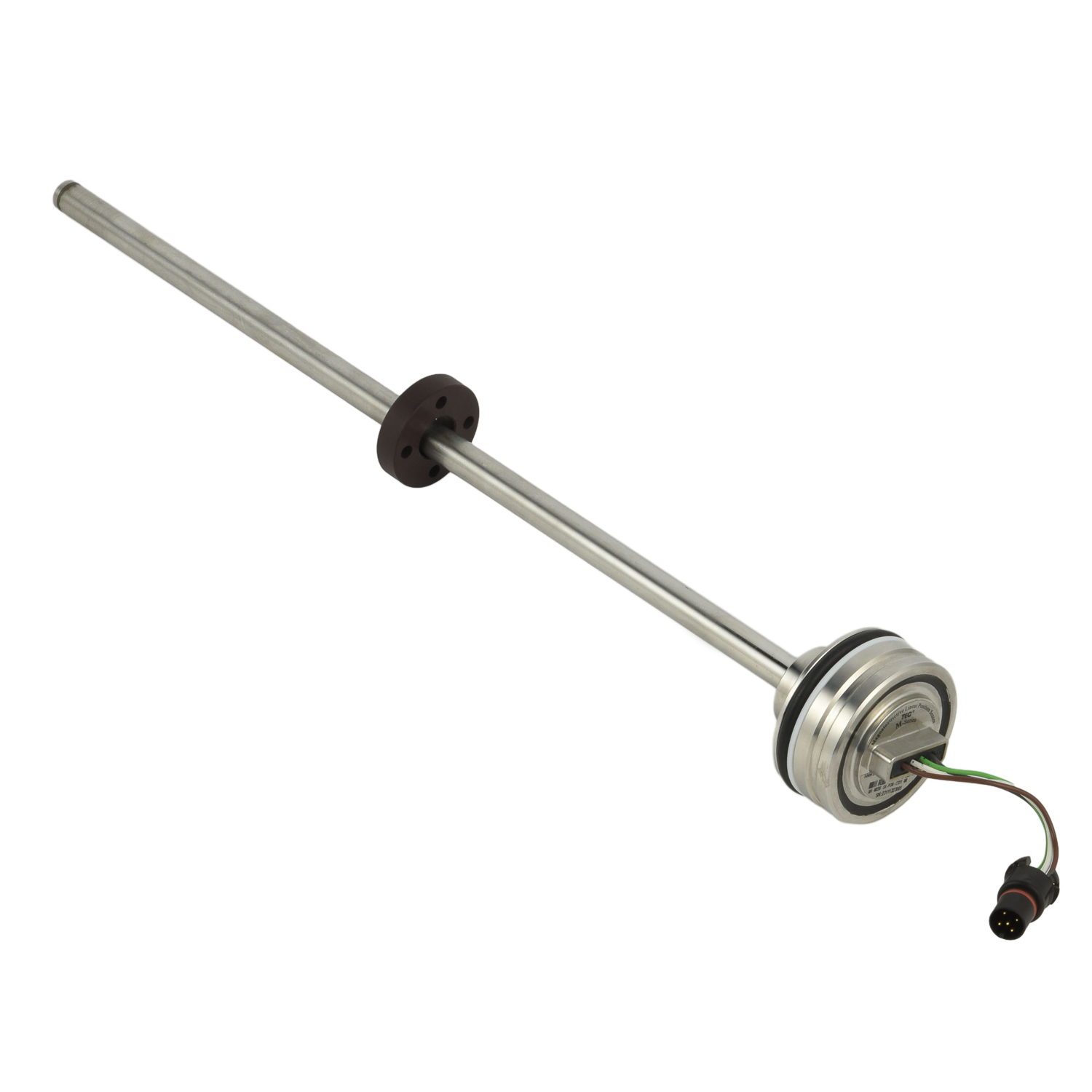 Power Plant Waterproof Graybus
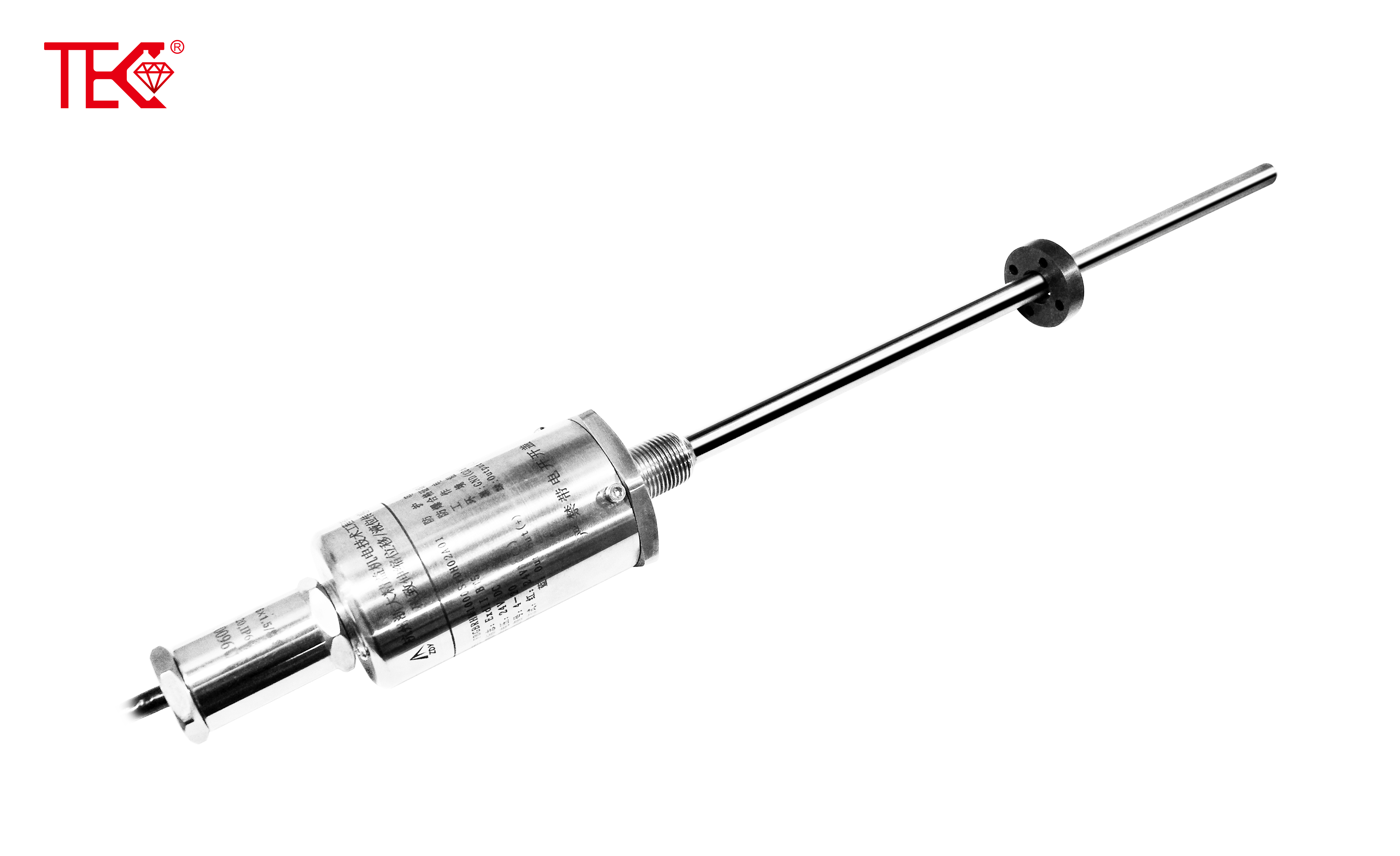 Chemical Industry High-pressur
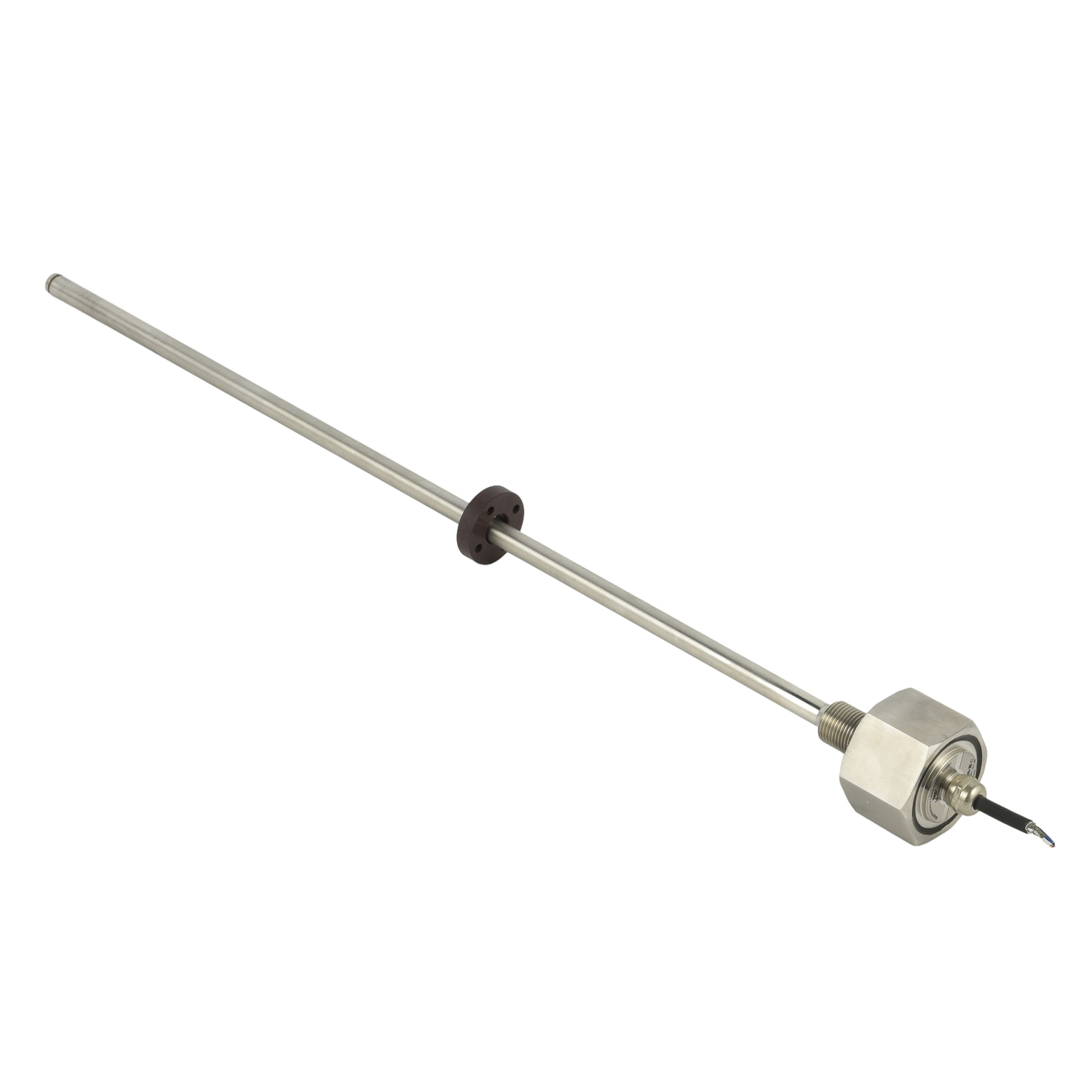 Mining High-temperature Graybu