
Installation Method of Corrosion-resistant Graybus Cable
Installing a corrosion-resistant Graybus cable requires careful preparation to protect its jacket, shield, and signal integrity. First, inspect the cable drum for damage and confirm the cable type, length, and route. Plan bends, pull points, and terminations before pulling. Use cable rollers and avoid dragging the cable over sharp edges or abrasive surfaces. Maintain the manufacturer’s minimum bending radius during and after installation.
Route the cable in dedicated trays or conduits, separated from power cables where possible. Support it at regular intervals and avoid excessive pulling tension. In corrosive areas, protect exposed sections with compatible conduit, cable glands, and sealing compounds. Do not cut or damage the outer jacket. If a gland is used, fit the correct size and tighten it evenly to maintain environmental sealing.
Terminate the cable according to the Graybus wiring diagram. Keep shield and drain wires continuous where required, and connect them to the designated grounding point at one or both ends as specified. Label conductors clearly and tighten terminals to the recommended torque. After termination, verify insulation resistance, shield continuity, and signal quality. Complete a final inspection to ensure the cable is free from kinks, gaps, and loose glands before commissioning.
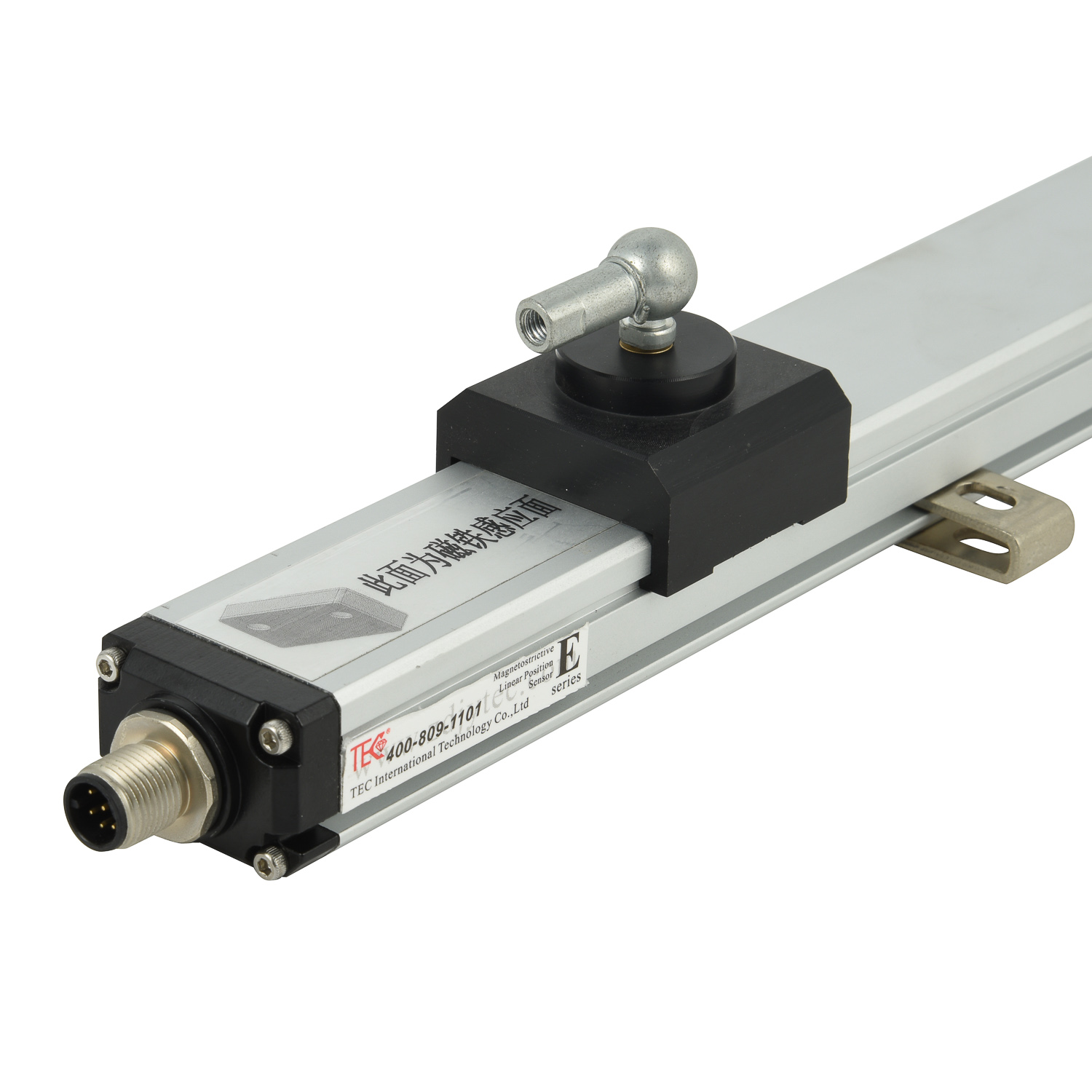
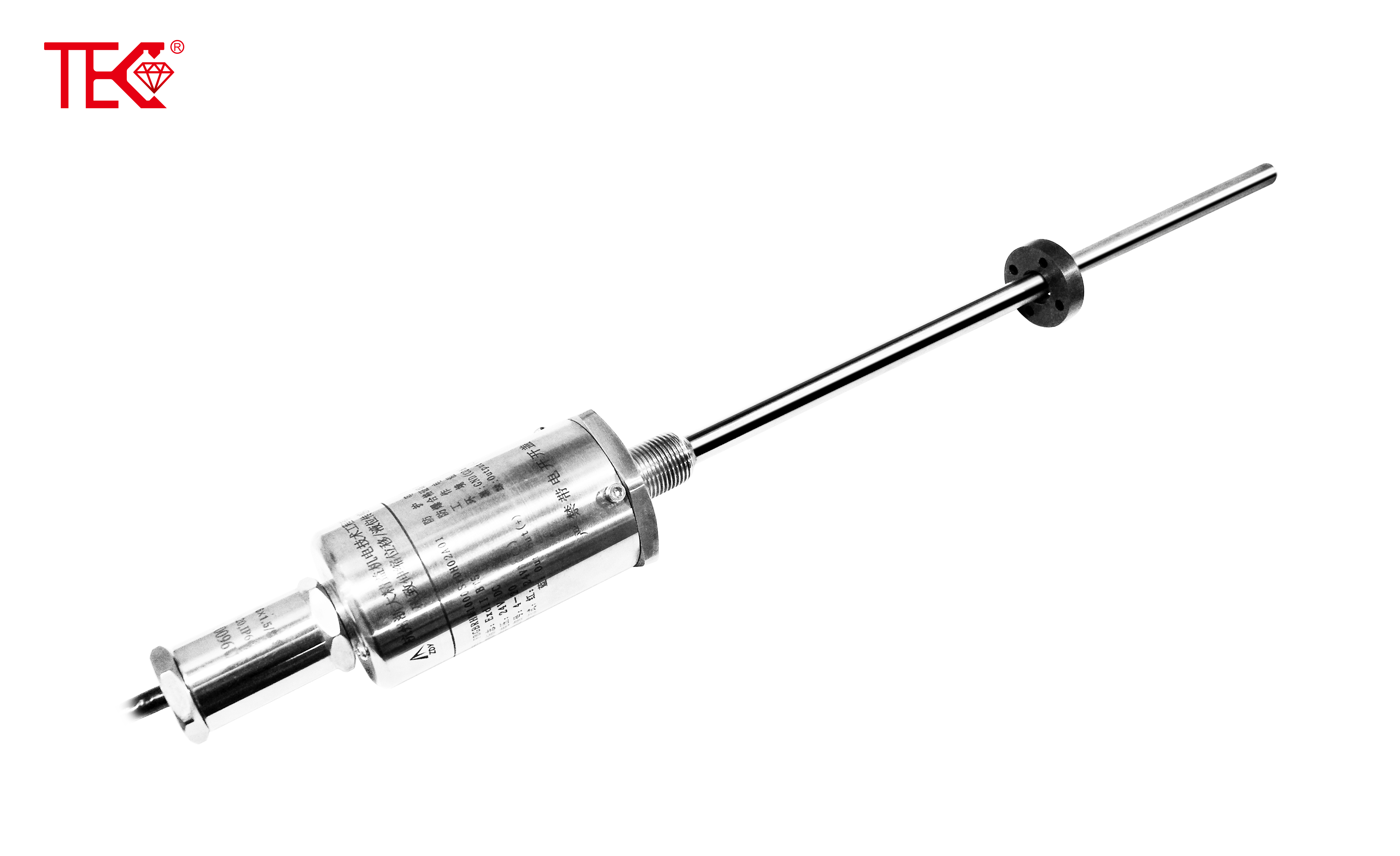 Chemical Industry High-pressur
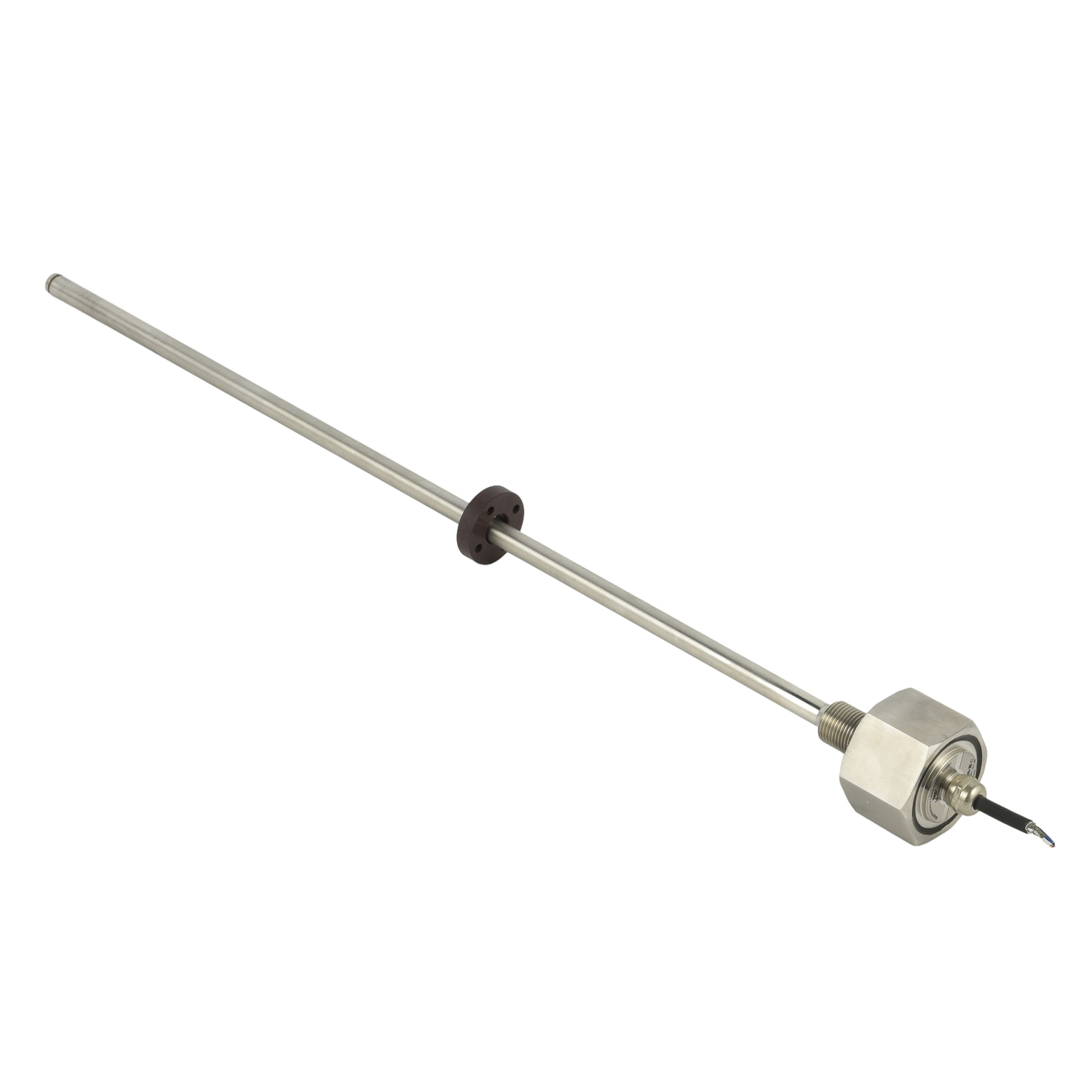 Mining High-temperature Graybu
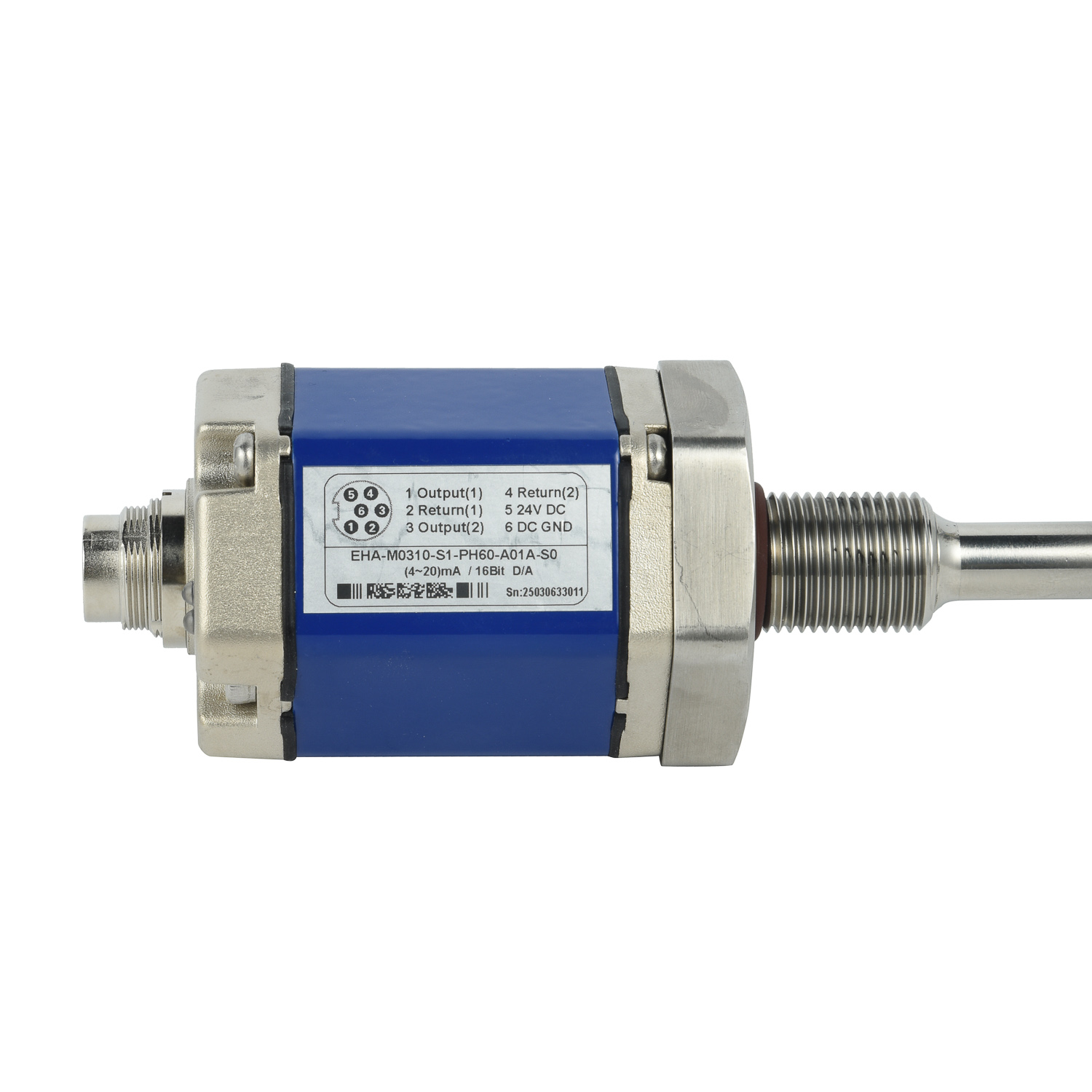 Metallurgy Explosion-proof Gra
Installation Method of Corrosi