
Graybus Cable for Hoists
Graybus cable for hoists is designed to keep lifting equipment moving safely and reliably. Unlike ordinary cables, it combines flexible conductors, strong insulation, and a tough gray outer sheath to resist repeated bending, friction, oil, and moisture. In hoists, the cable may carry control signals, power, or data between the operator, motor, and safety devices. A stable connection is essential because even a brief interruption can affect positioning, braking, or load control. The cable must also tolerate frequent winding, unwinding, and trolley movement without cracking or losing electrical performance.
The best Graybus cable for hoists uses fine-stranded copper conductors and a high-flex jacket. This construction reduces stress during constant motion and helps maintain signal quality. Shielding may be added to protect signals from electromagnetic interference in factories, warehouses, and outdoor sites. Proper strain relief and correct bend radius help extend service life. Installers should avoid sharp edges, excessive tension, and incompatible chemicals. Regular inspection for cuts, abrasion, and jacket hardening is also important, especially on high-duty hoists.
Choosing the right cable depends on travel distance, voltage, signal type, environment, and hoist duty cycle. A well-matched Graybus cable supports smooth operation, fewer downtime events, and safer lifting. For reliable hoist performance, select a cable tested for flexing and built for the real demands of industrial motion.
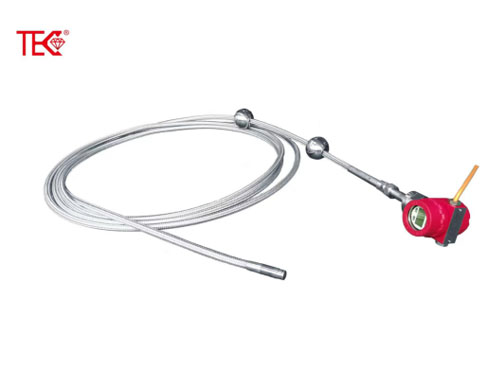
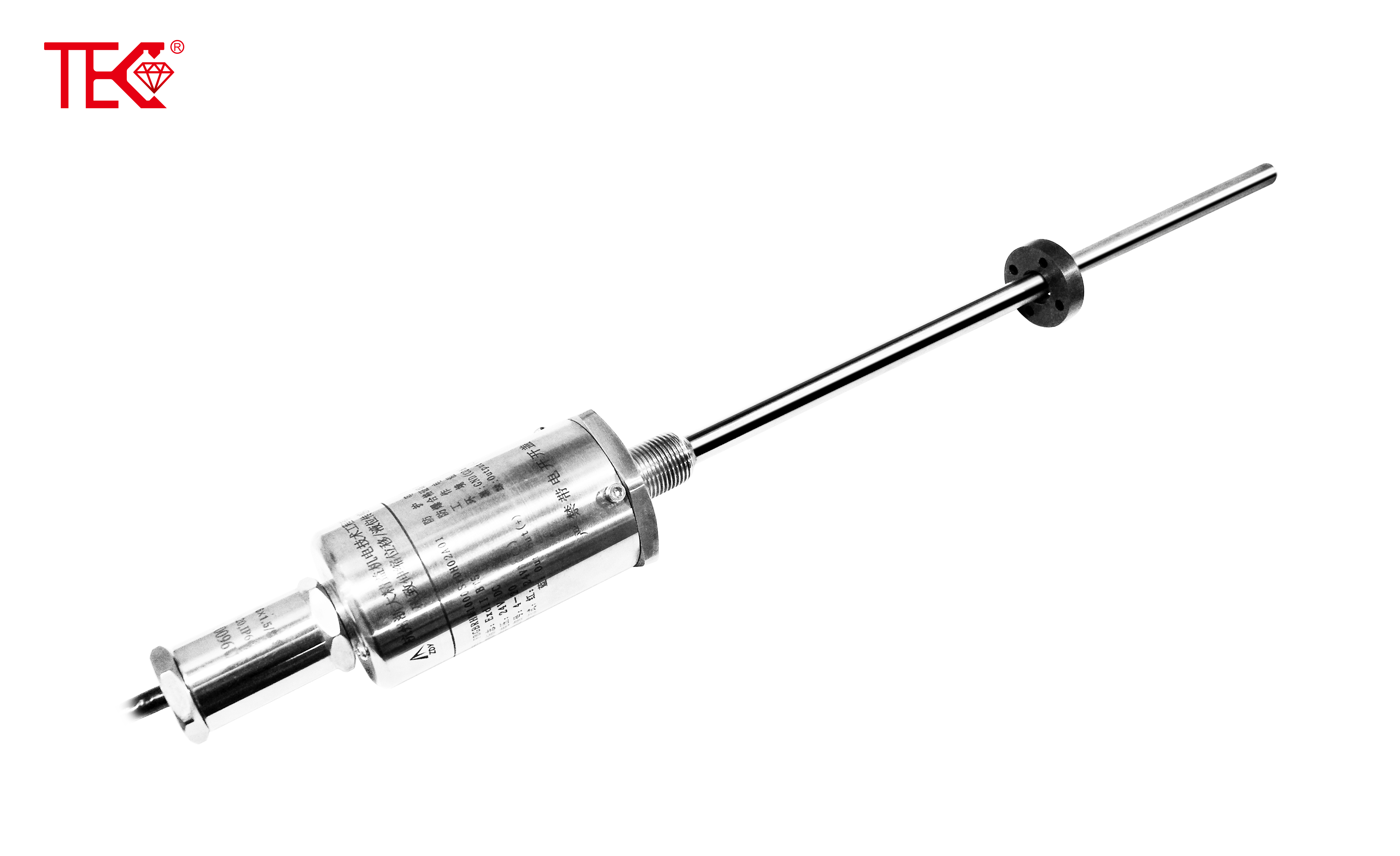 Chemical Industry High-pressur
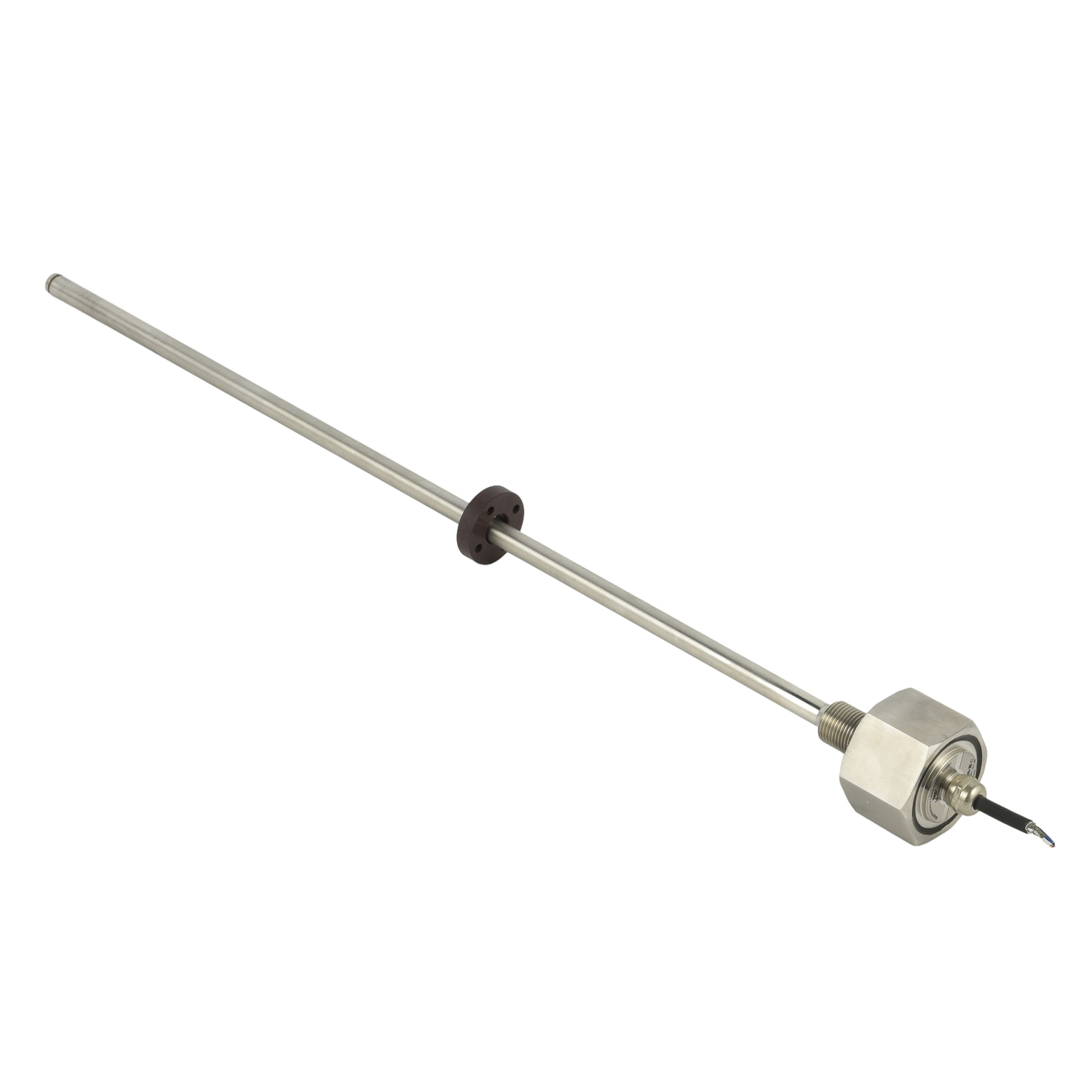 Mining High-temperature Graybu
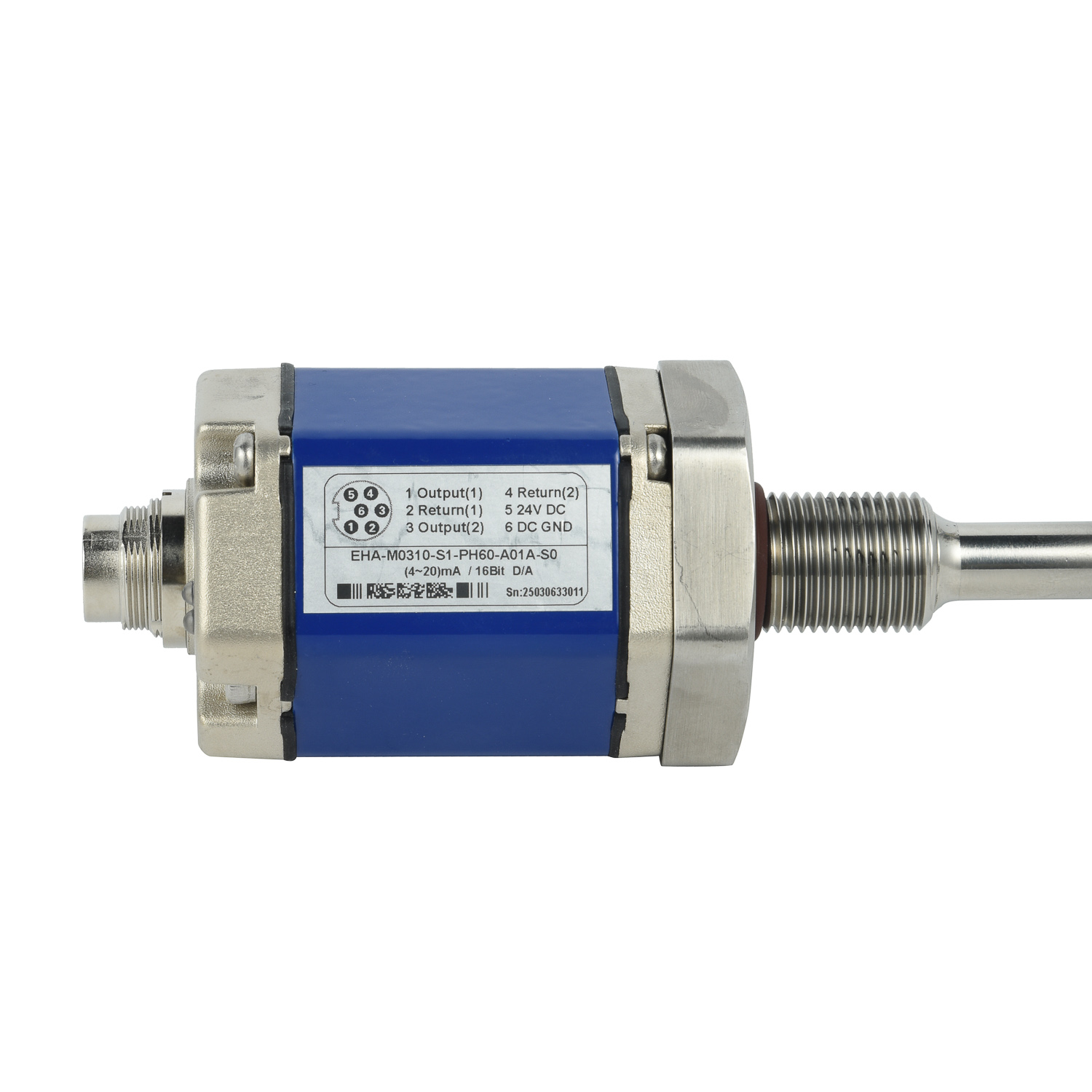 Metallurgy Explosion-proof Gra
 Installation Method of Corrosi