
Graybus Cable for Power Plant
Graybus cables are engineered to deliver reliable data communication in power plants, where heat, vibration, moisture, and electromagnetic interference can quickly degrade ordinary cabling. A quality Graybus cable typically uses shielded twisted pairs, robust insulation, and a flame-retardant outer jacket to protect signal integrity across control systems, monitoring devices, and distributed I/O networks. Stable bus communication helps operators collect accurate sensor readings, coordinate equipment, and reduce unplanned downtime in demanding generation environments. When selecting a Graybus cable for a power plant, engineers should verify impedance, conductor size, shielding coverage, temperature rating, and compliance with relevant fire and safety standards. Cable routing also matters: keep communication lines separated from high-voltage power cables, use proper grounding and bonding, and follow manufacturer bend-radius and installation guidance. In retrofit projects, flexible and durable cable designs can simplify installation in congested cable trays and harsh industrial areas. With the right Graybus cable, power plants can achieve safer, cleaner, and more consistent industrial communication while supporting long-term operational reliability. Routine inspection of connectors, shields, and jackets also helps prevent moisture ingress and insulation damage before communication faults affect plant availability. Choose tested cables for high heat and electrical noise.
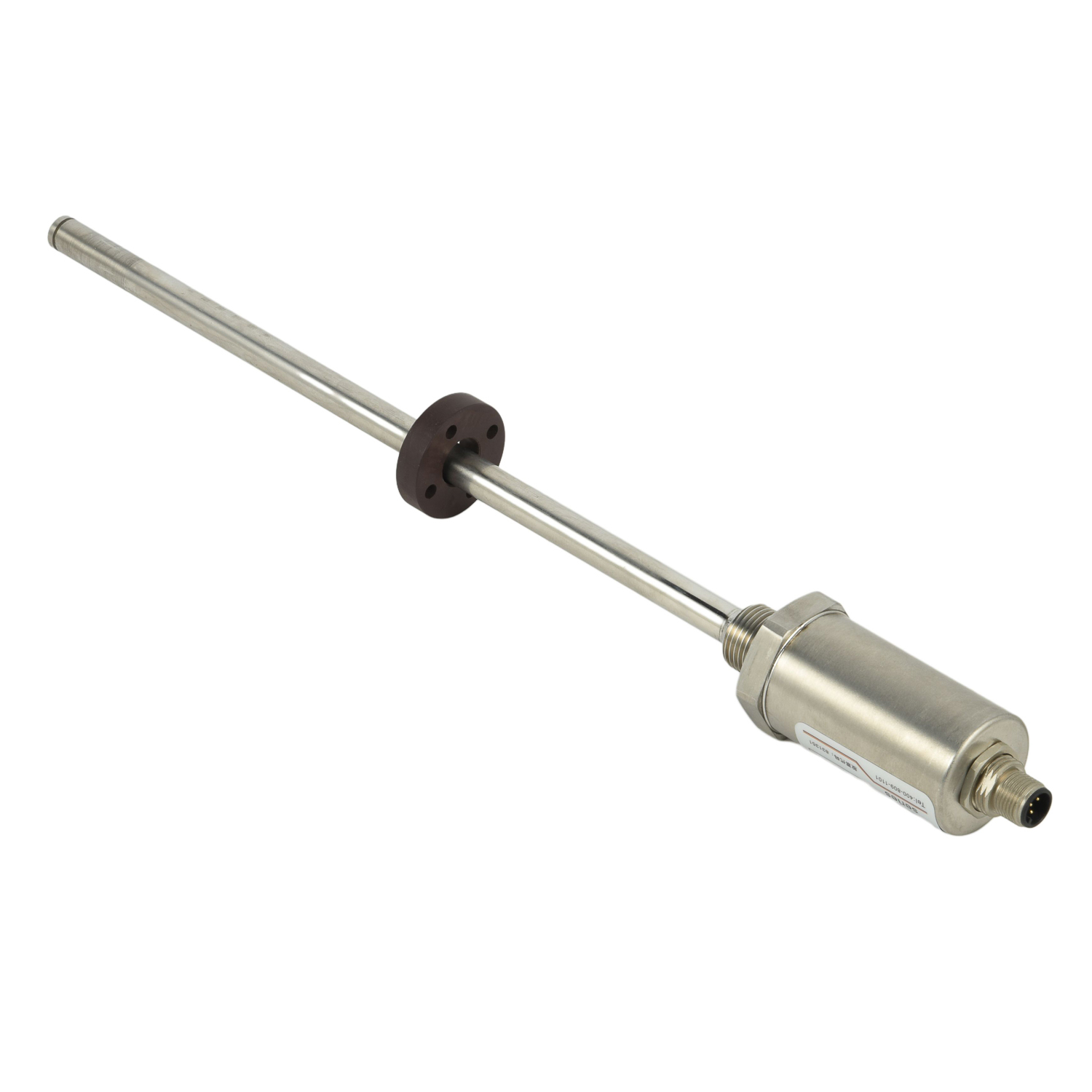 Graybus Cable for Power Plant
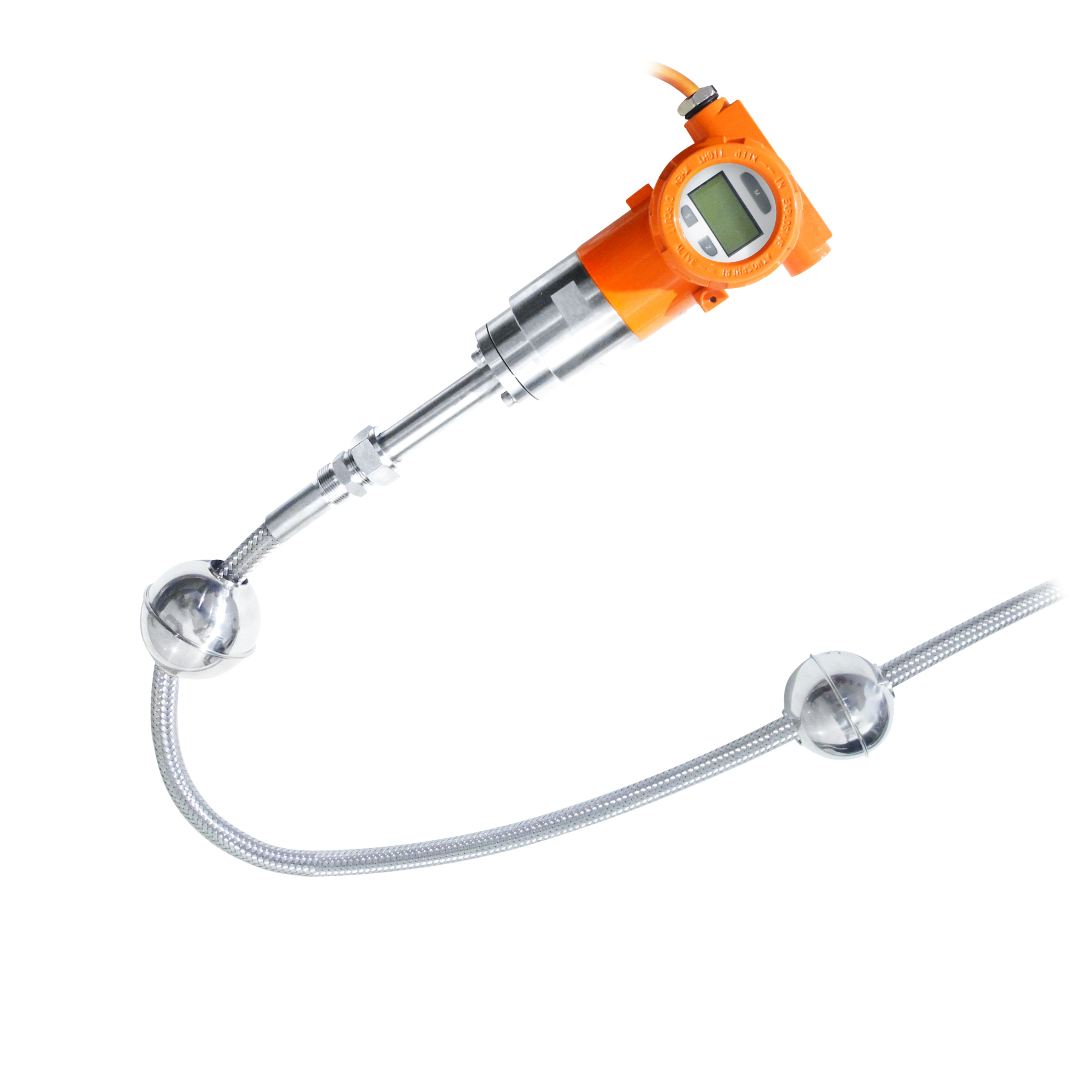 Graybus Cable for Port
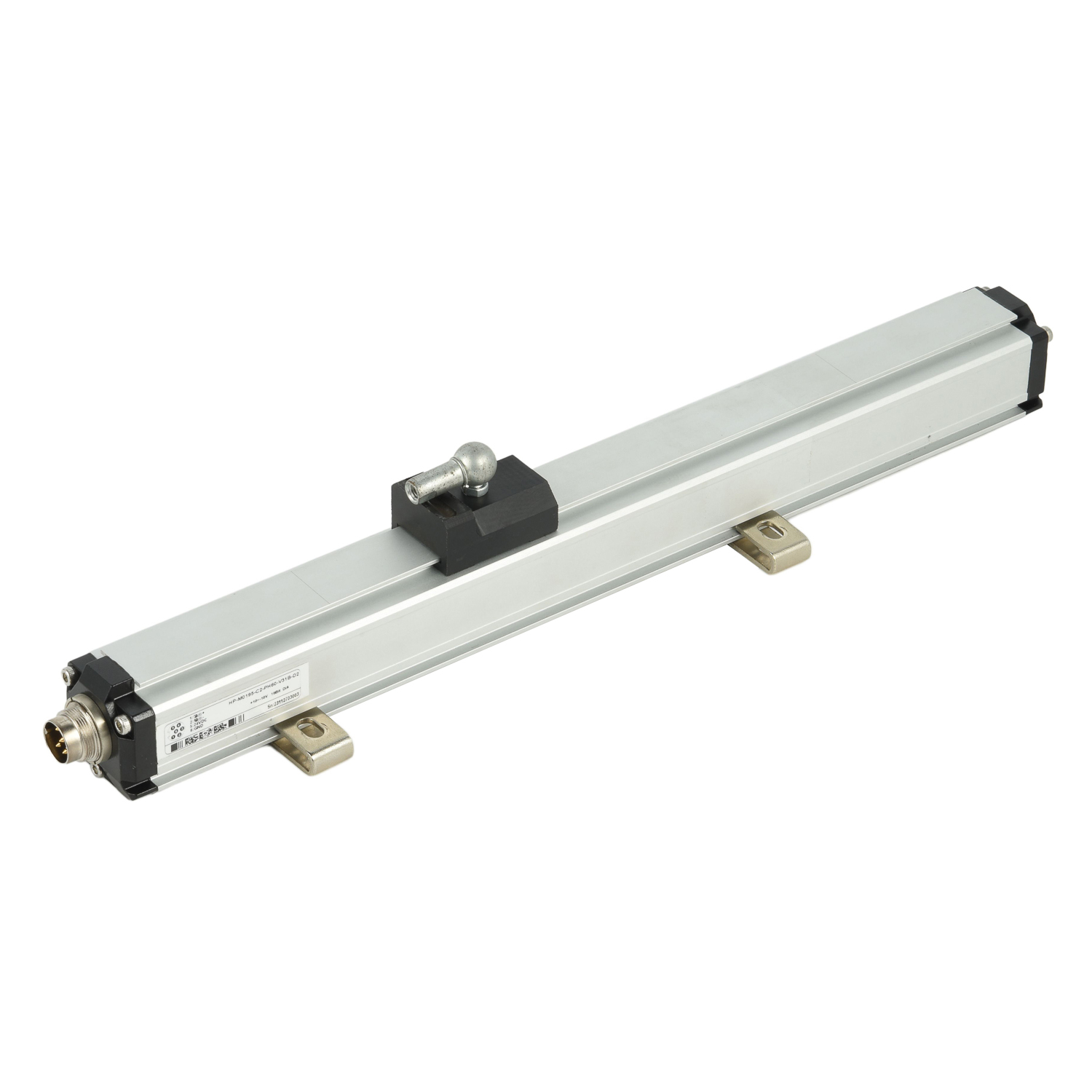 Graybus Cable for Water Conser
 Graybus Cable for Sewage Treat