
Mining High-temperature LVDT Displacement Sensor
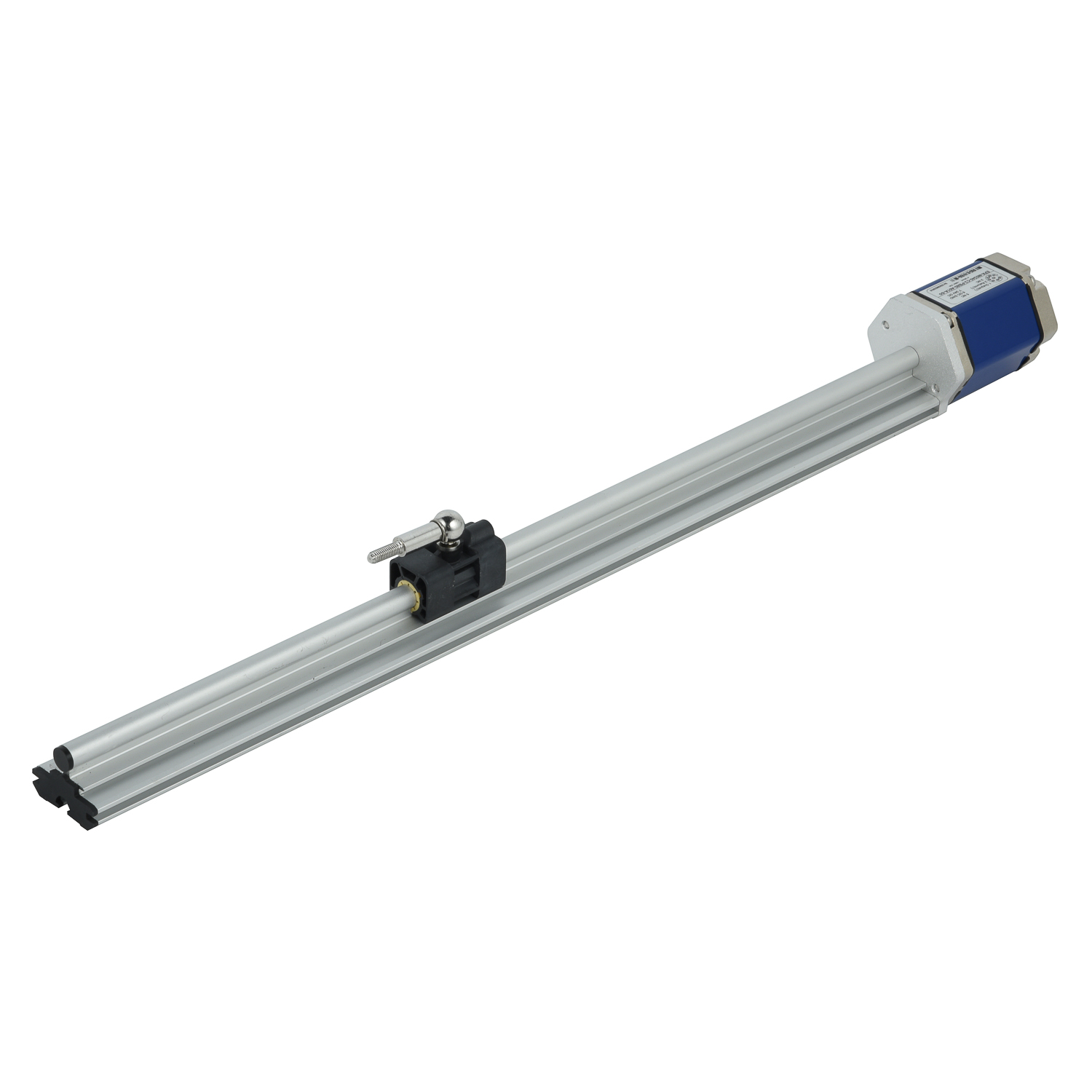
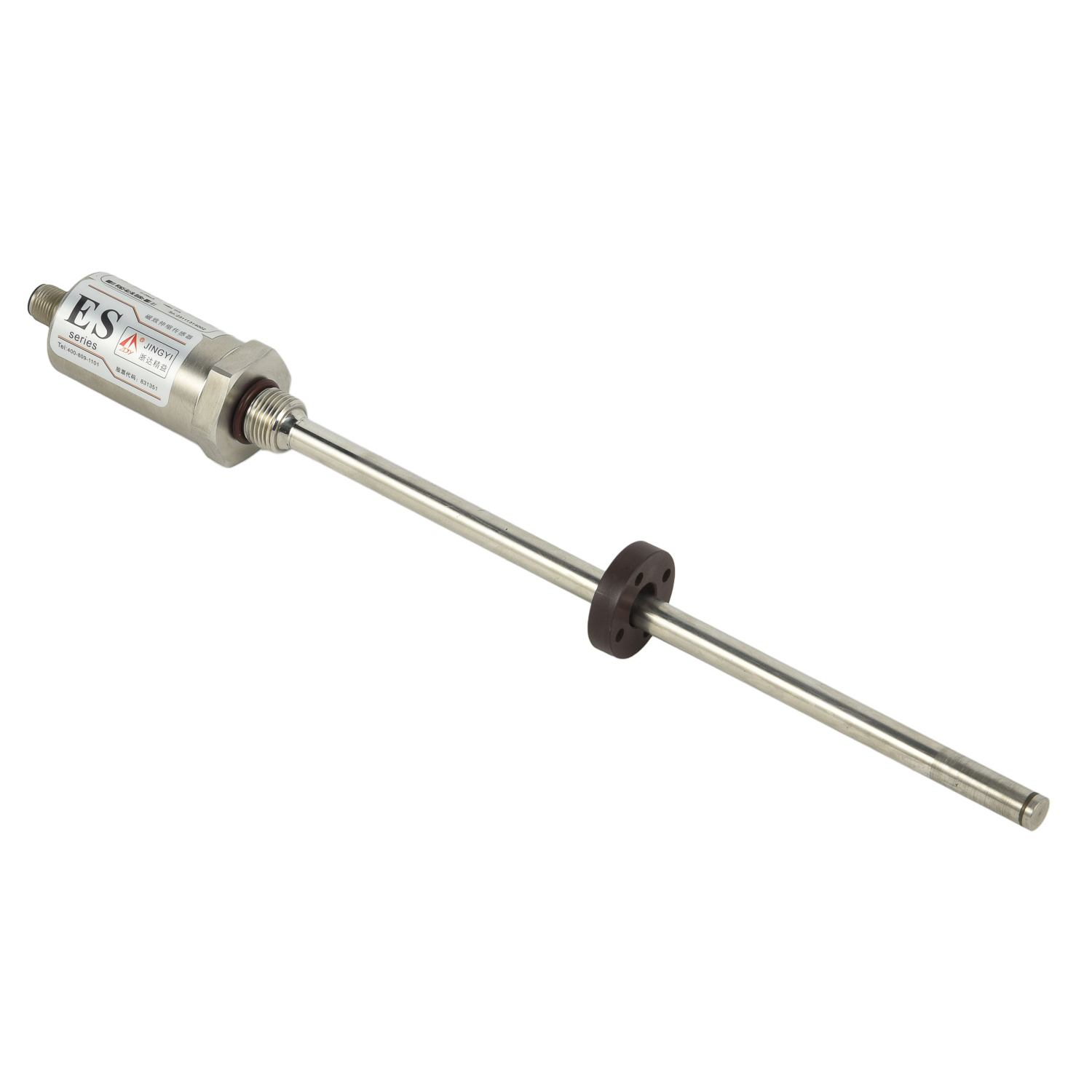
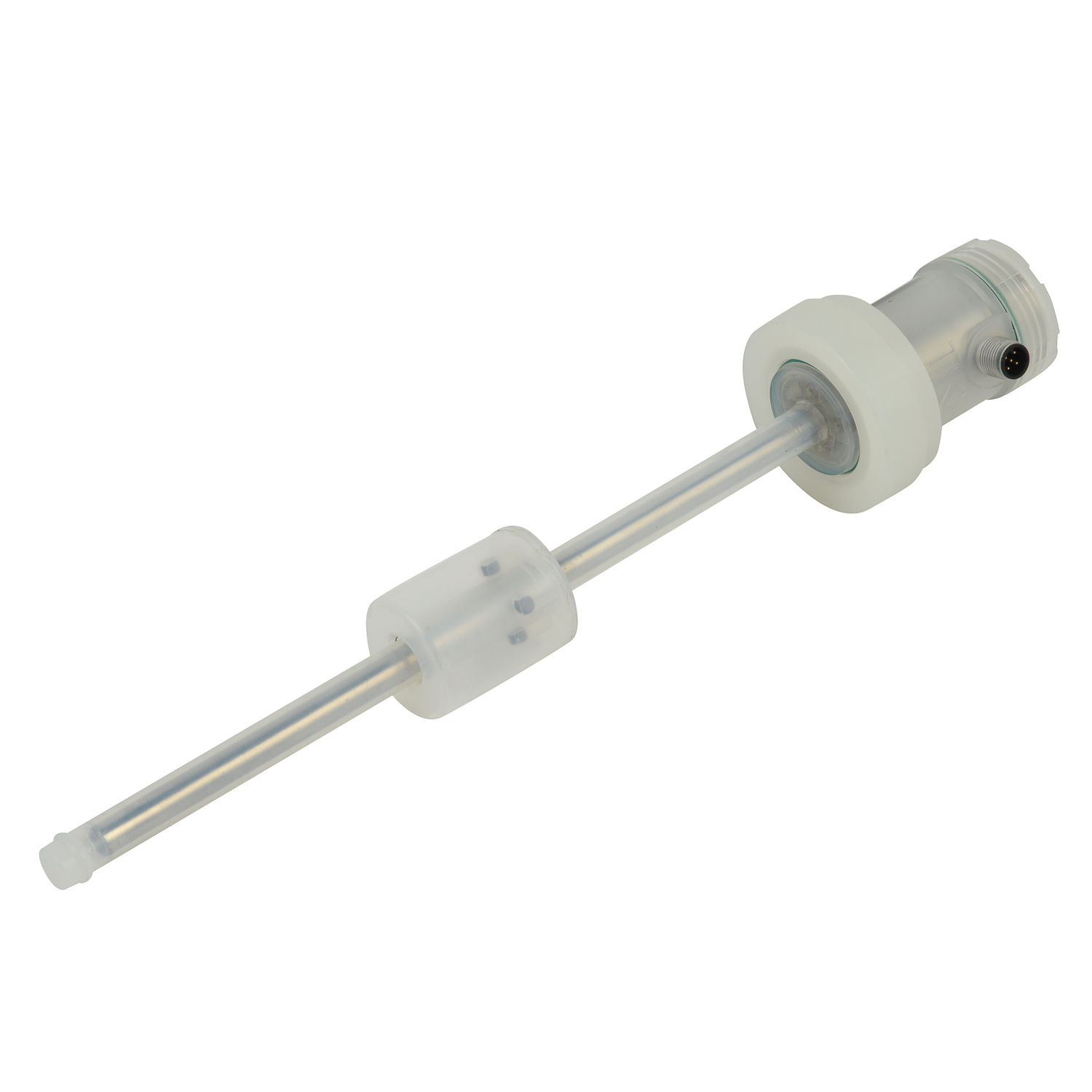
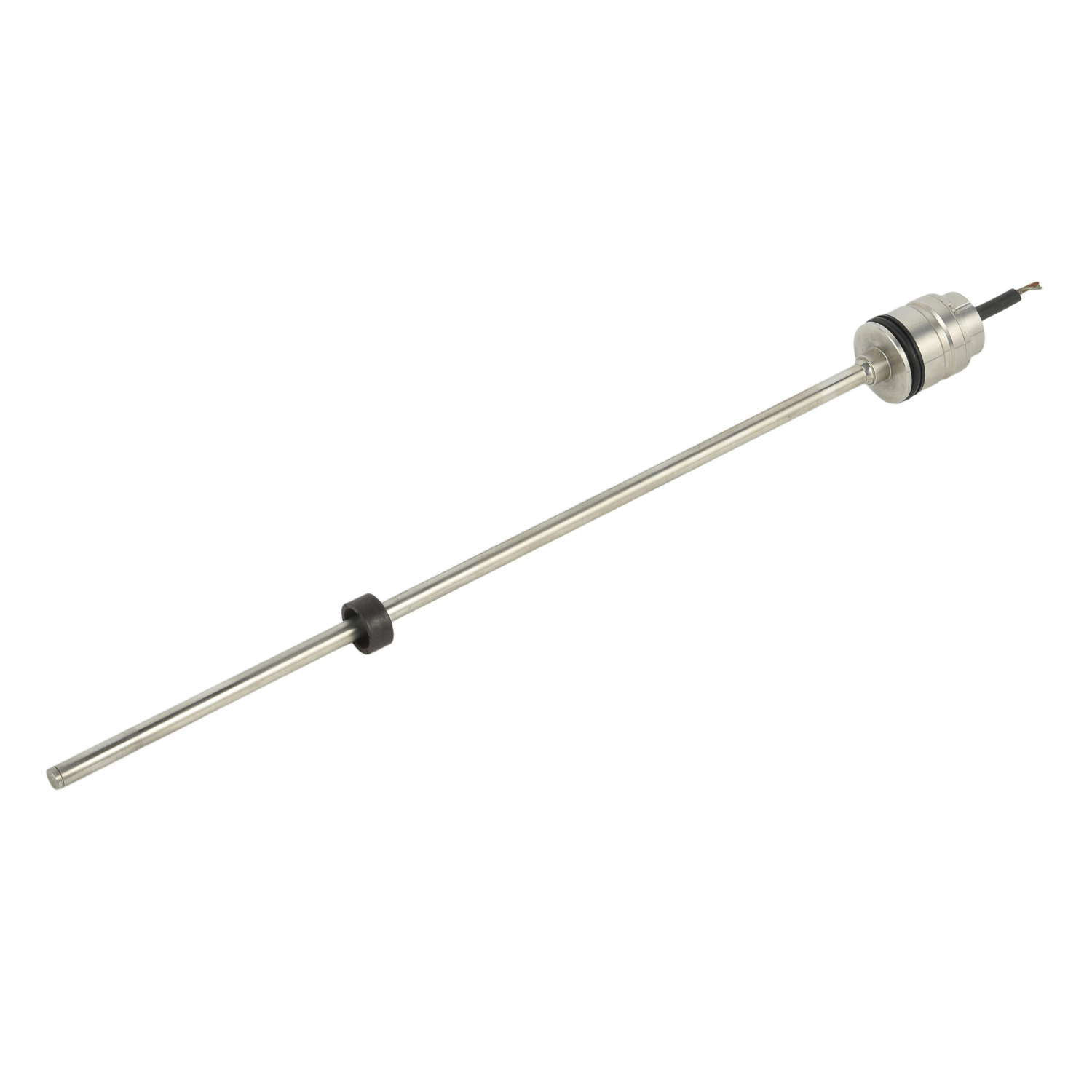
Mining operations demand displacement sensors that survive heat, dust, vibration, shock, and constant cycling. A mining high-temperature LVDT displacement sensor is designed for these conditions. Based on linear variable differential transformer technology, it converts linear motion into a precise electrical signal without sliding contacts. This contactless design reduces wear and supports long service life in hydraulic cylinders, roof supports, drilling systems, conveyors, and crushers.
High-temperature LVDTs use heat-resistant coils, stable core materials, advanced insulation, and rugged stainless-steel housings. Sealed connectors and IP-rated protection resist water, dust, and corrosive fluids. Temperature compensation maintains accuracy as underground or surface equipment heats up. The sensor can provide reliable feedback for position control, stroke monitoring, and safety interlock systems. Rugged cable glands, EMI shielding, and flexible mounting options help maintain signal integrity in electrically noisy mining zones. This support is vital for mines.
Key benefits include high linearity, repeatability, and resistance to shock and vibration. Engineers should select the correct stroke range, excitation frequency, output signal, pressure rating, and temperature class. Proper mounting and cable protection further improve performance. With the right high-temperature LVDT, mining equipment achieves safer operation, less downtime, and dependable measurement in harsh environments.
 Grain and Oil Storage Tank Cor
 Mixing Station Explosion-proof
 Shield Tunneling High-temperat
 Injection Molding Machine Wate