
Corrosion-resistant LVDT Displacement Sensor Fault
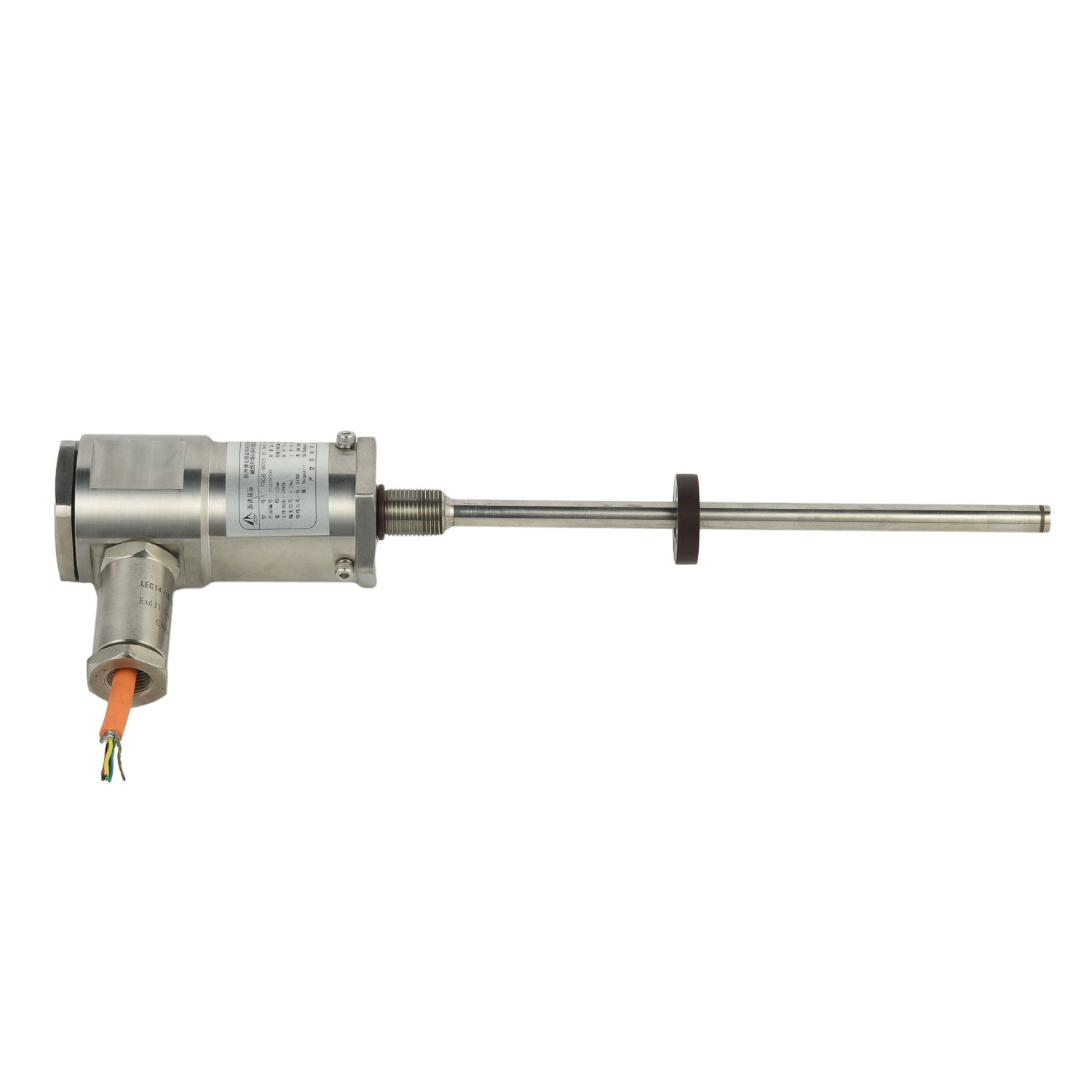
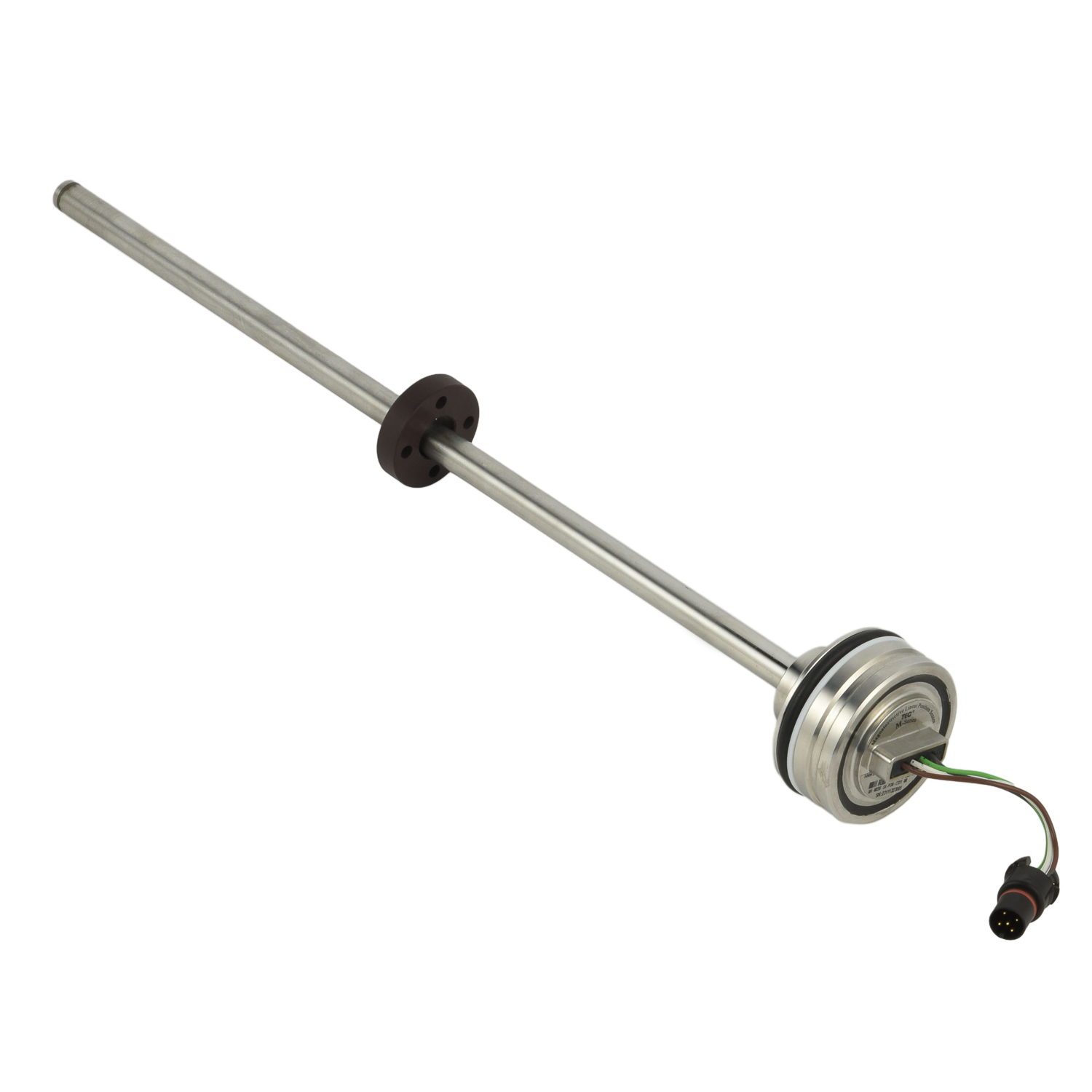
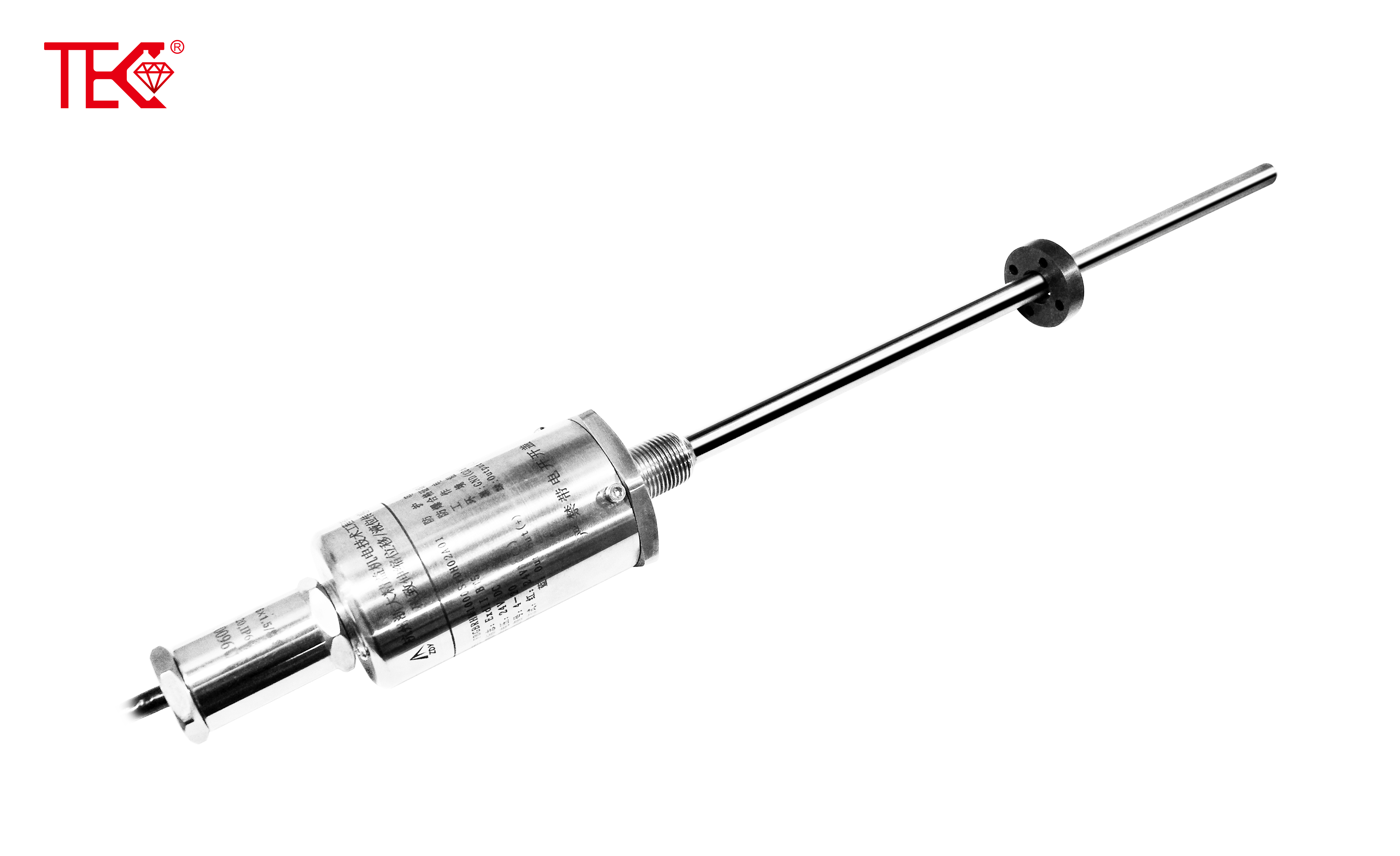
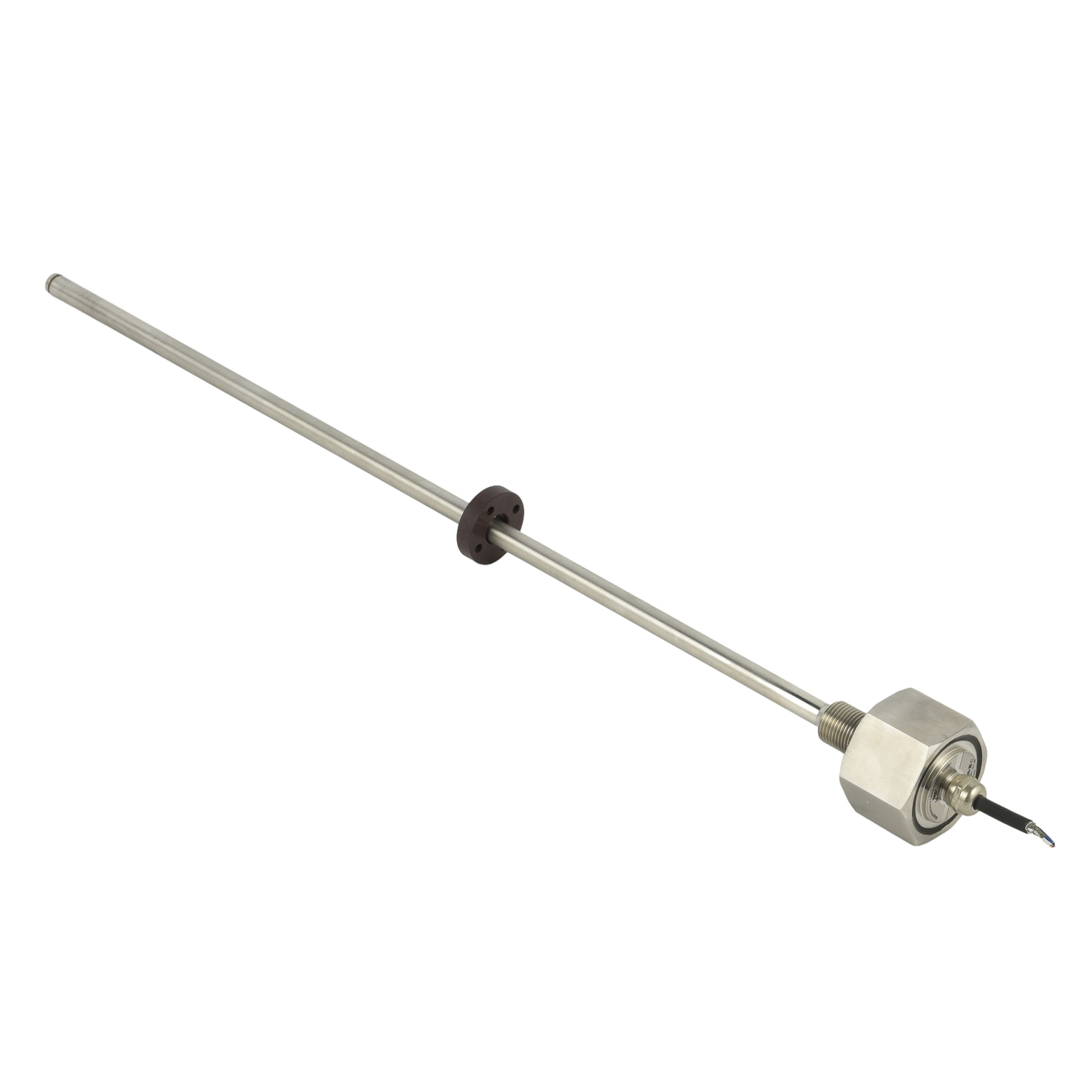
Corrosion-resistant LVDT displacement sensors are widely used in wet, chemical, and outdoor motion-control systems. Even with sealed housings and protective coils, faults can still occur and reduce measurement reliability. Common symptoms include unstable output, signal drift, zero offset, noisy readings, and complete loss of displacement feedback. These problems may be caused by moisture ingress, damaged cable jackets, connector corrosion, coil winding failure, core misalignment, or electrical interference. In aggressive environments, chemical attack can weaken seals and allow contaminated fluid to reach internal components. Vibration may also loosen mounts or damage the core assembly. To diagnose a fault, isolate the sensor and check excitation voltage, output phase, insulation resistance, and cable continuity. Compare readings across the full stroke to find dead zones or nonlinear response. Replace damaged cables and connectors, restore proper grounding, and use shielded wiring to reduce noise. If the coil or core is damaged, replacement is more reliable than field repair. Preventive maintenance should include regular seal inspection, cable protection, correct installation alignment, and a housing suited to the process fluid. A documented test routine helps separate sensor faults from controller or wiring issues. With early detection and proper protection, corrosion-resistant LVDTs can deliver stable, long-term displacement measurement in demanding industrial environments.
 Power Plant Waterproof Graybus
 Chemical Industry High-pressur
 Mining High-temperature Graybu
 Metallurgy Explosion-proof Gra