
Model and Specification of Pressure Sensor
Pressure sensors convert pressure into electrical signals for monitoring and control. Their model and specification define performance, compatibility, and application fit. A model number often encodes range, output, connection, and interface. Specifications describe measurable limits and behavior, such as range, accuracy, repeatability, stability, and temperature compensation. Key specifications include pressure type: gauge, absolute, or differential. The pressure range must cover normal operation and safe overload. Accuracy, non-linearity, hysteresis, and repeatability affect measurement quality. Output options include 4-20 mA, 0-5 V, 0-10 V, I2C, SPI, and RS485. The output must match the controller or logger. Process connection and wetted material are equally important. Threads such as G1/4, NPT, or flange mounting determine installation. Choose wetted materials for media and corrosion. Verify temperature compensation and cooling. Use IP65, IP67, or IP68 housings in washdown areas. Model selection starts with medium, range, temperature, accuracy, output, power, and environment. Then compare datasheets. A compact model may fit limited space, but it may trade off accuracy or durability. When replacing a sensor, match model code, thread, output, and calibration. Calibration and maintenance extend life. Zero and span checks detect drift; inspection prevents leakage and corrosion. With the right model and specification, a pressure sensor delivers reliable data and lower downtime.
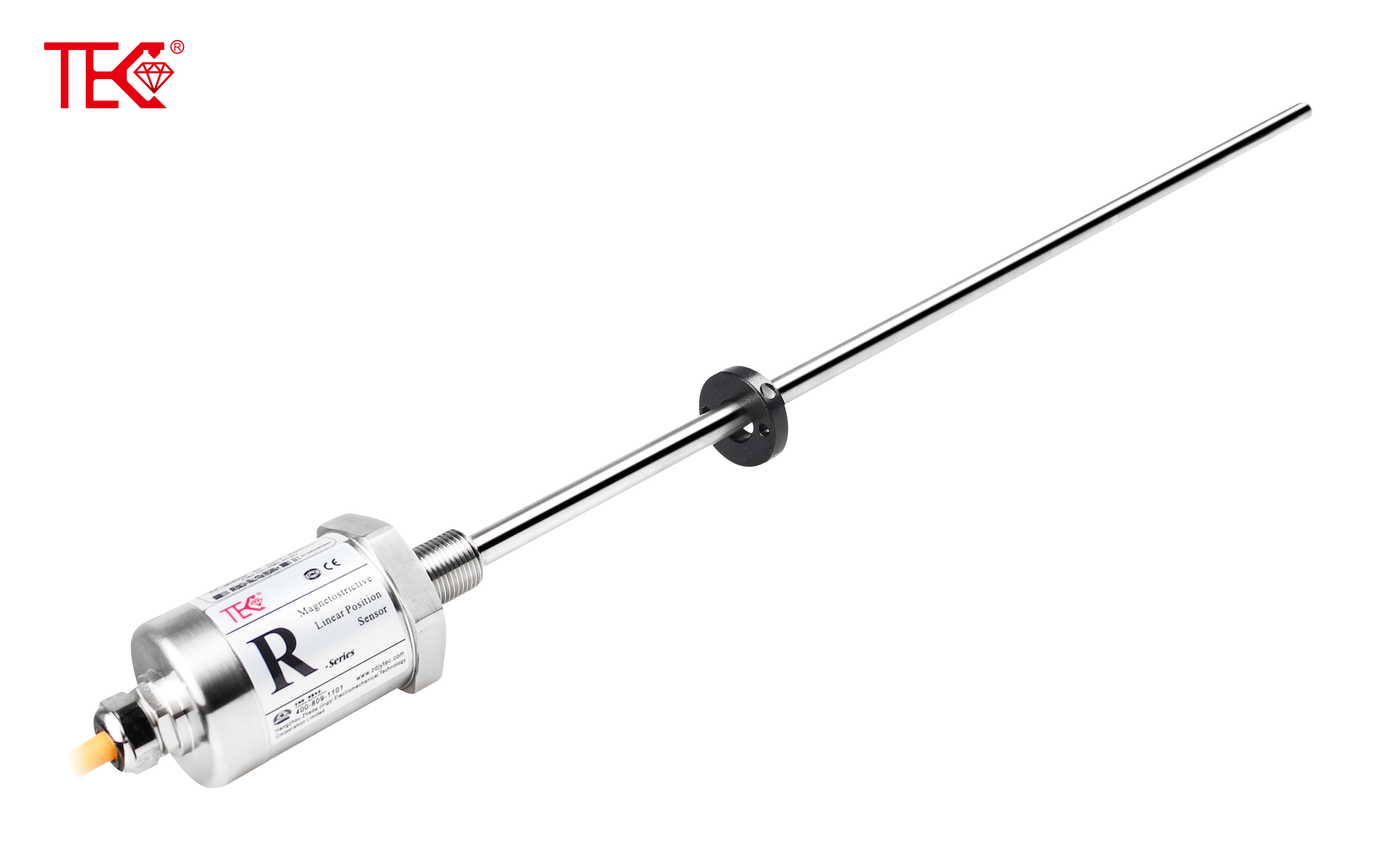
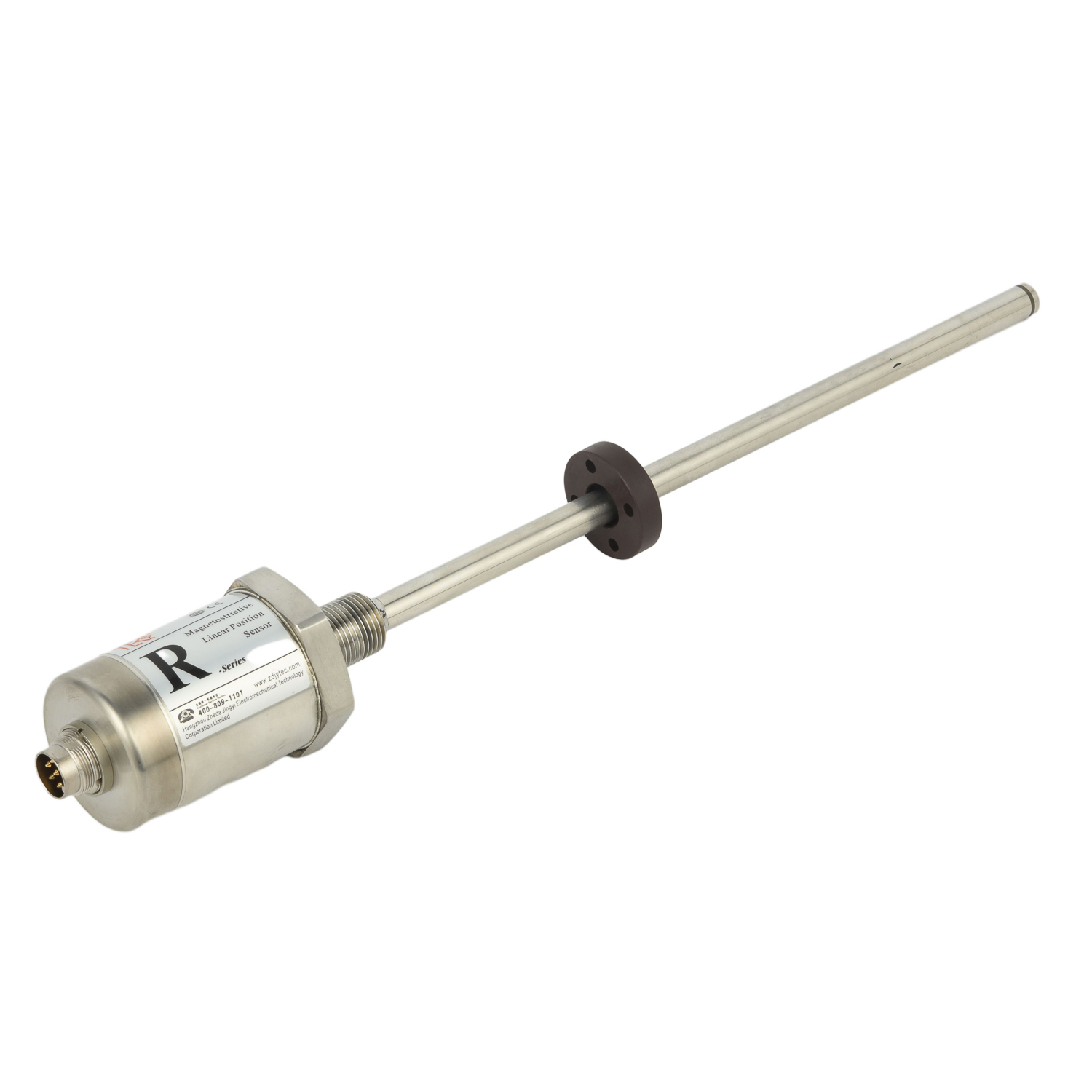 Graybus Cable for Stacker-recl
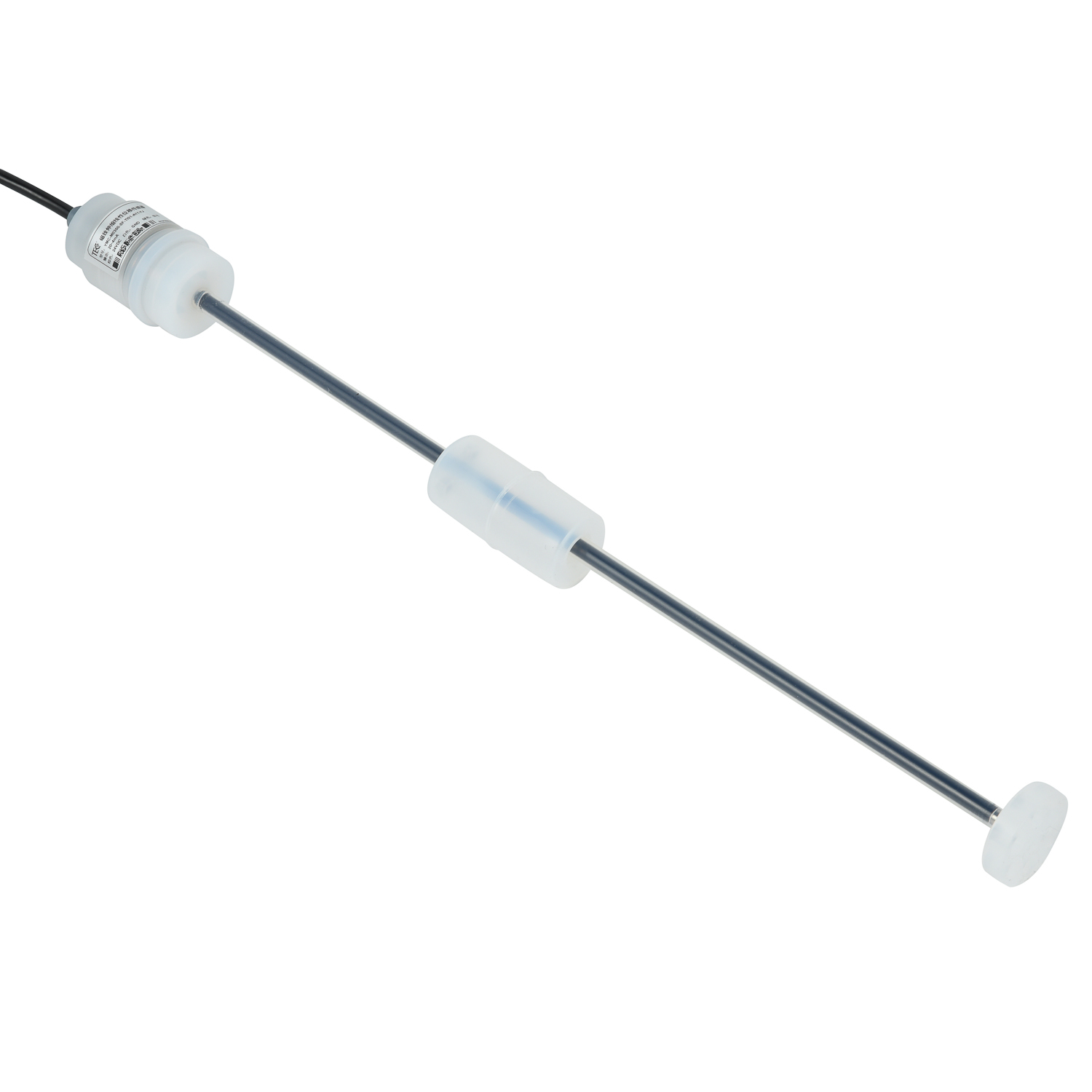 Graybus Cable for Bucket Wheel
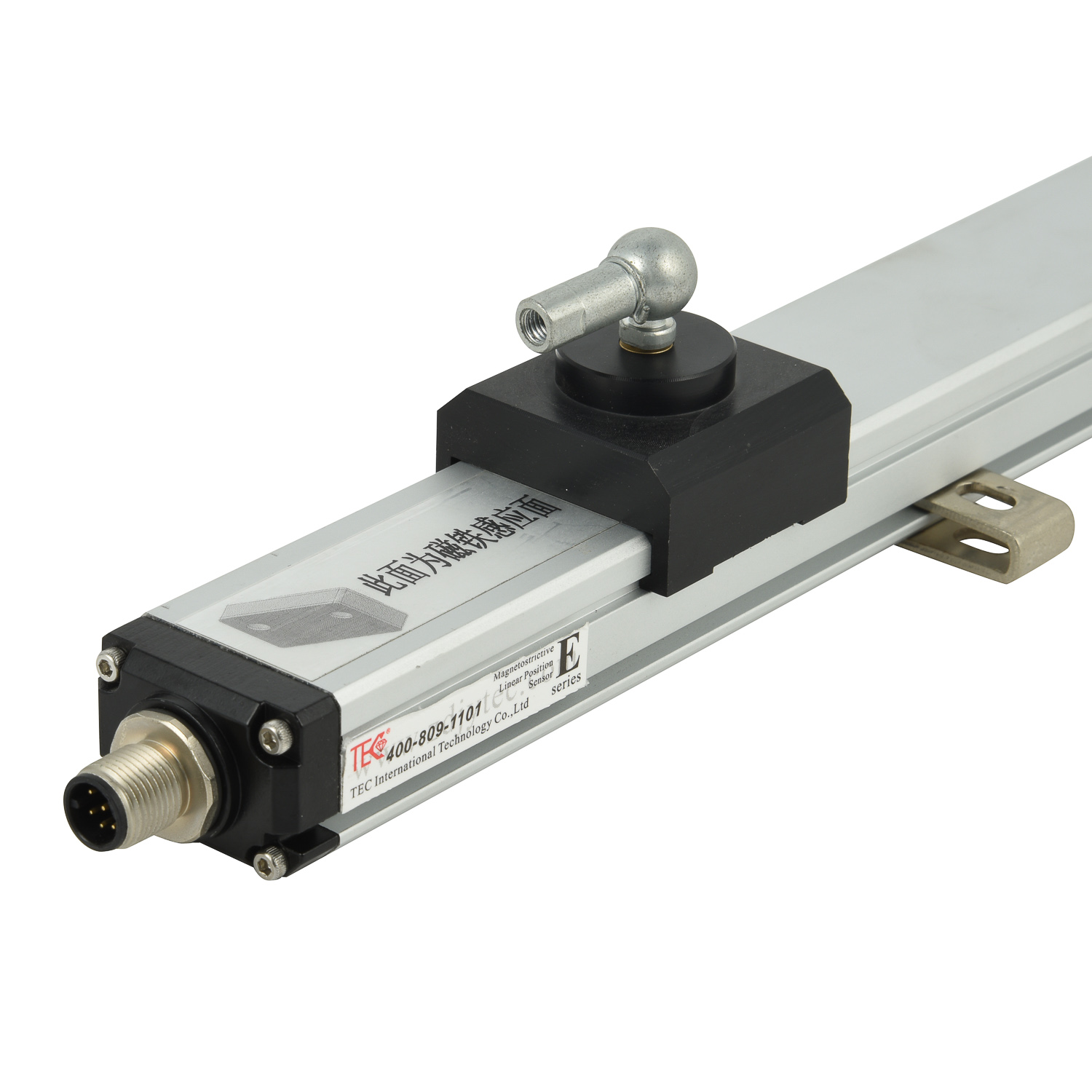 Graybus Cable for Hydraulic Cy
Graybus Cable for Grain and Oi