
Technical Parameters of Magnetostrictive Displacement Sensor
Magnetostrictive displacement sensors measure absolute position via the interaction between a movable magnet and a magnetostrictive waveguide. A torsional strain pulse is generated, and its time of flight is converted into position. Technical parameters define performance and application fit.
Measuring range: common strokes are 50 mm to 5000 mm, with custom lengths. Resolution is often 1 um or 0.001 mm. Nonlinearity is typically +/-0.01% to +/-0.05% FS. Repeatability is +/-0.001% to +/-0.01% FS, while hysteresis is very low. Accuracy combines these errors with temperature effects.
Output signal: analog 0-10 V or 4-20 mA, and digital SSI, CANopen, Profibus, EtherCAT, or RS485. Supply voltage is usually 24 VDC, with 10-30 VDC options. Current consumption is about 50-150 mA. Update rate may range from 0.5 kHz to 10 kHz. Maximum stroke speed is often 10 m/s or higher.
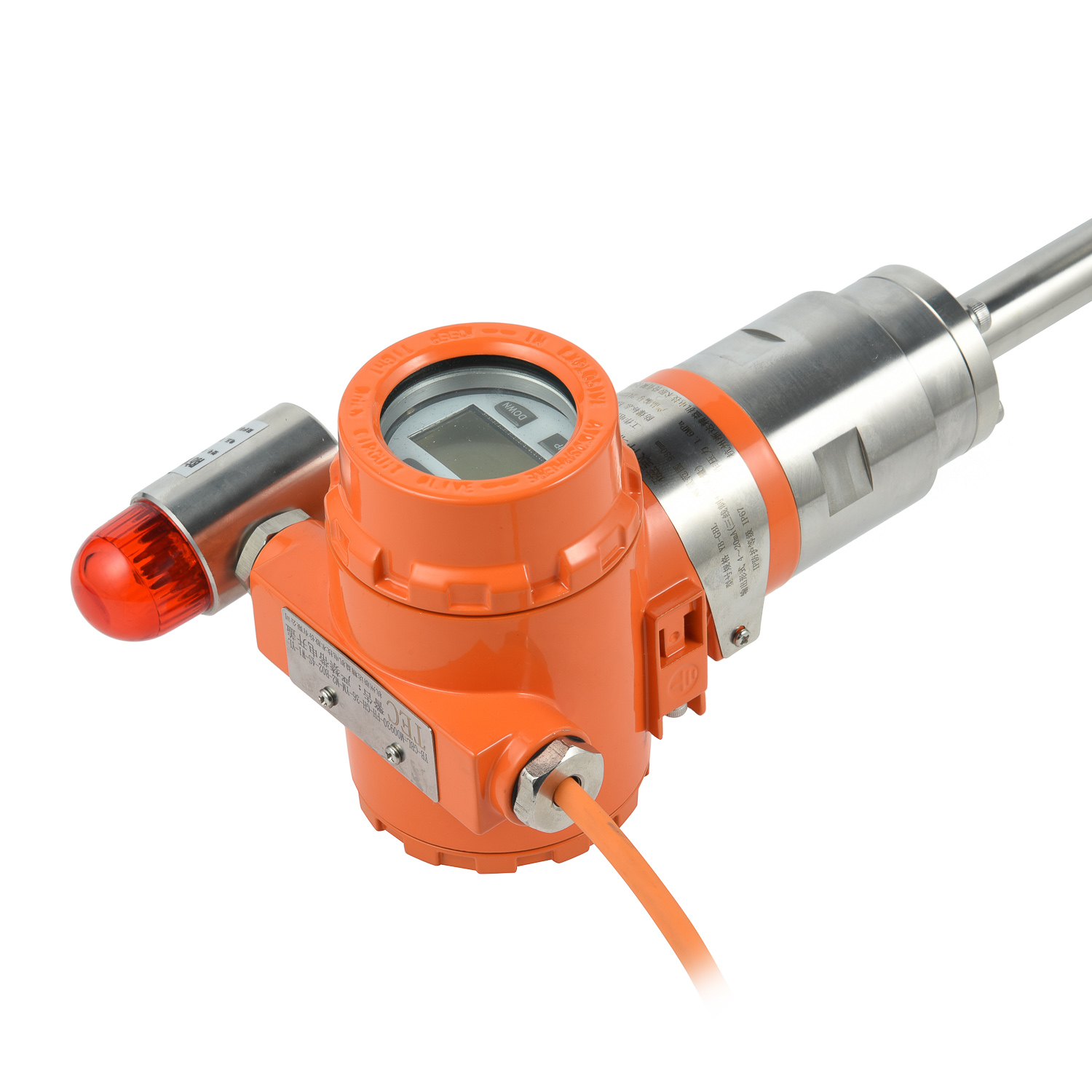
Environmental parameters include operating temperature from -40C to +85C, storage to +100C, and temperature coefficient near 15 ppm/C. Protection class is commonly IP65, IP67, or IP68. Housing materials include stainless steel and aluminum. Pressure resistance can reach 350 bar for hydraulic cylinders. Shock, vibration, EMC, insulation, and dielectric strength ratings ensure reliable operation.
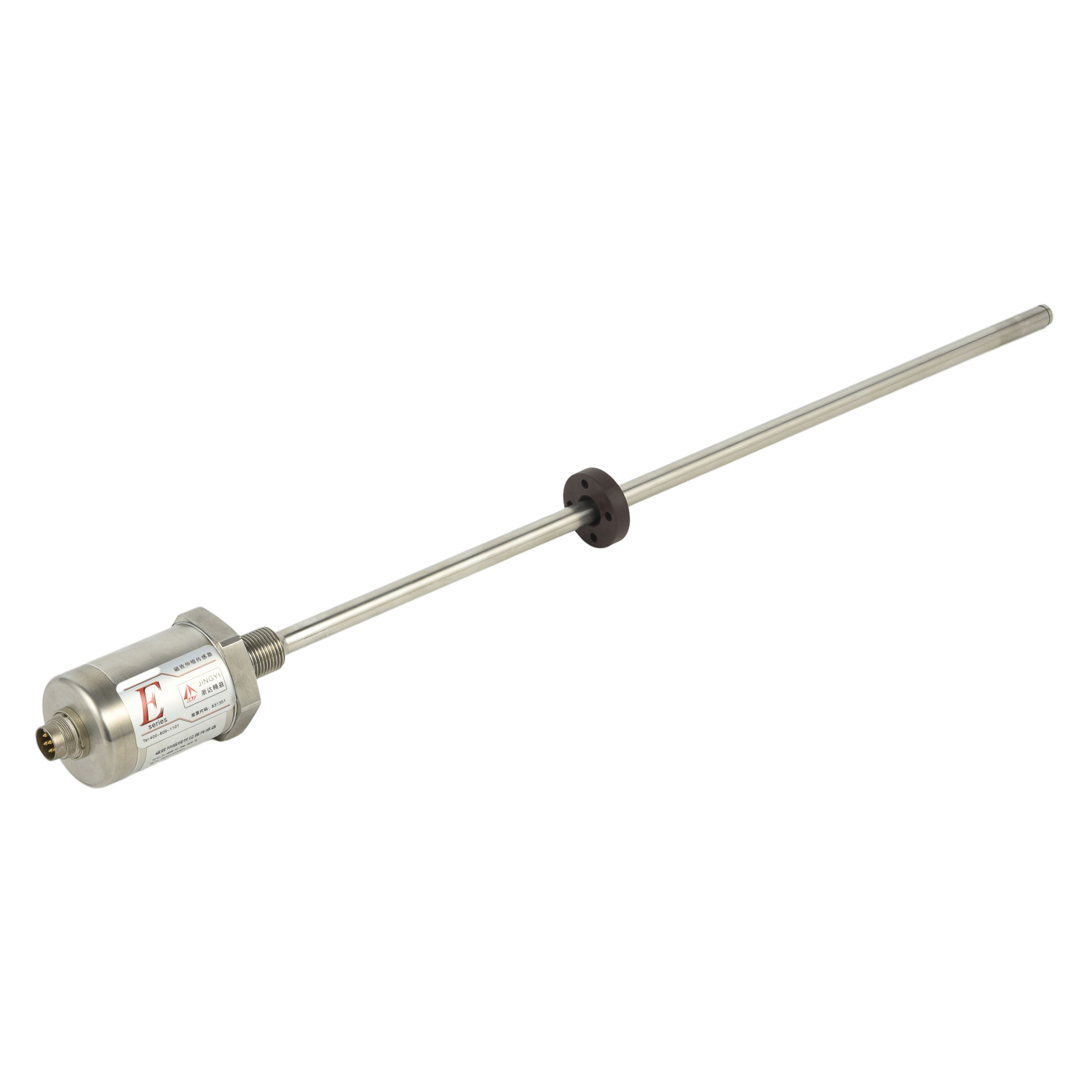
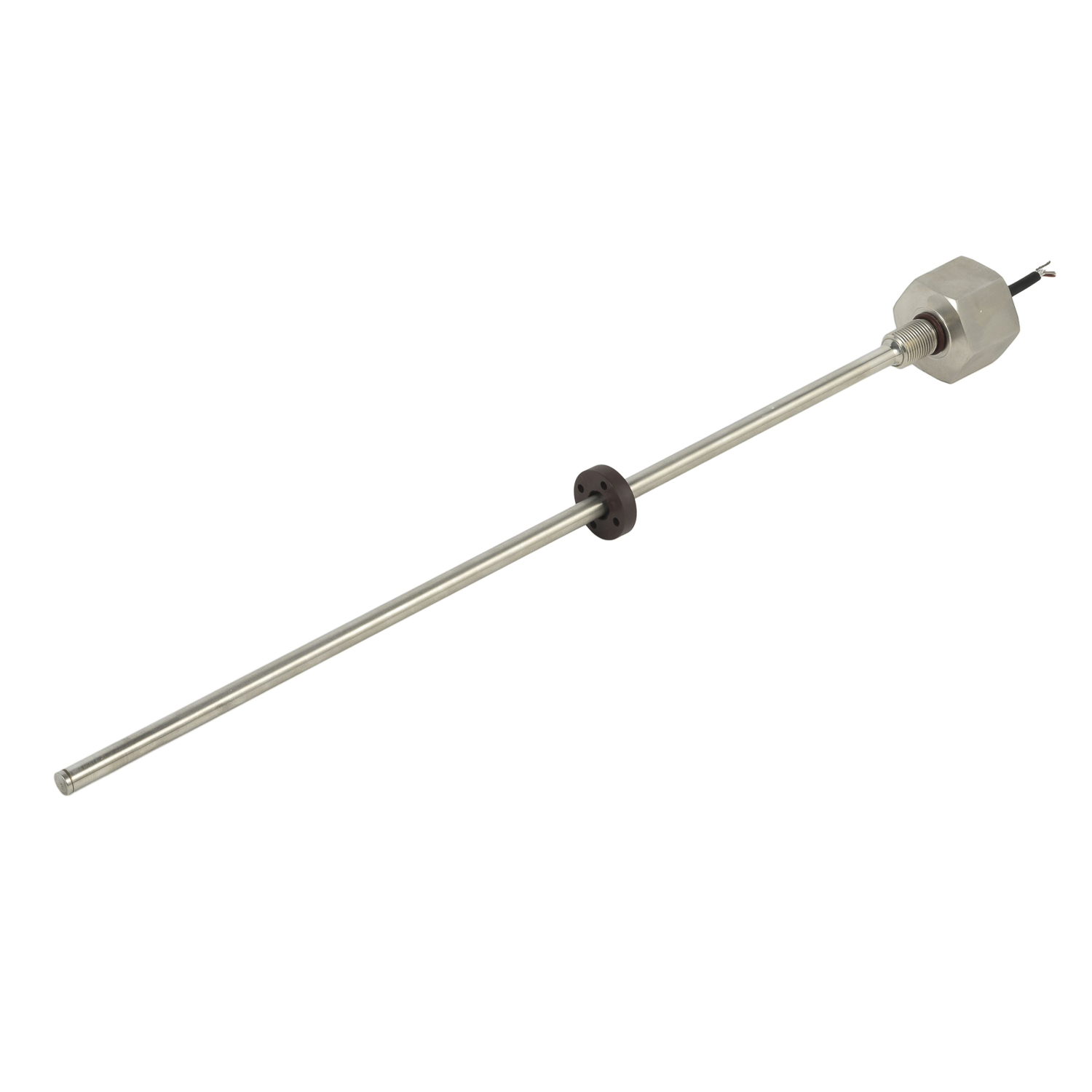
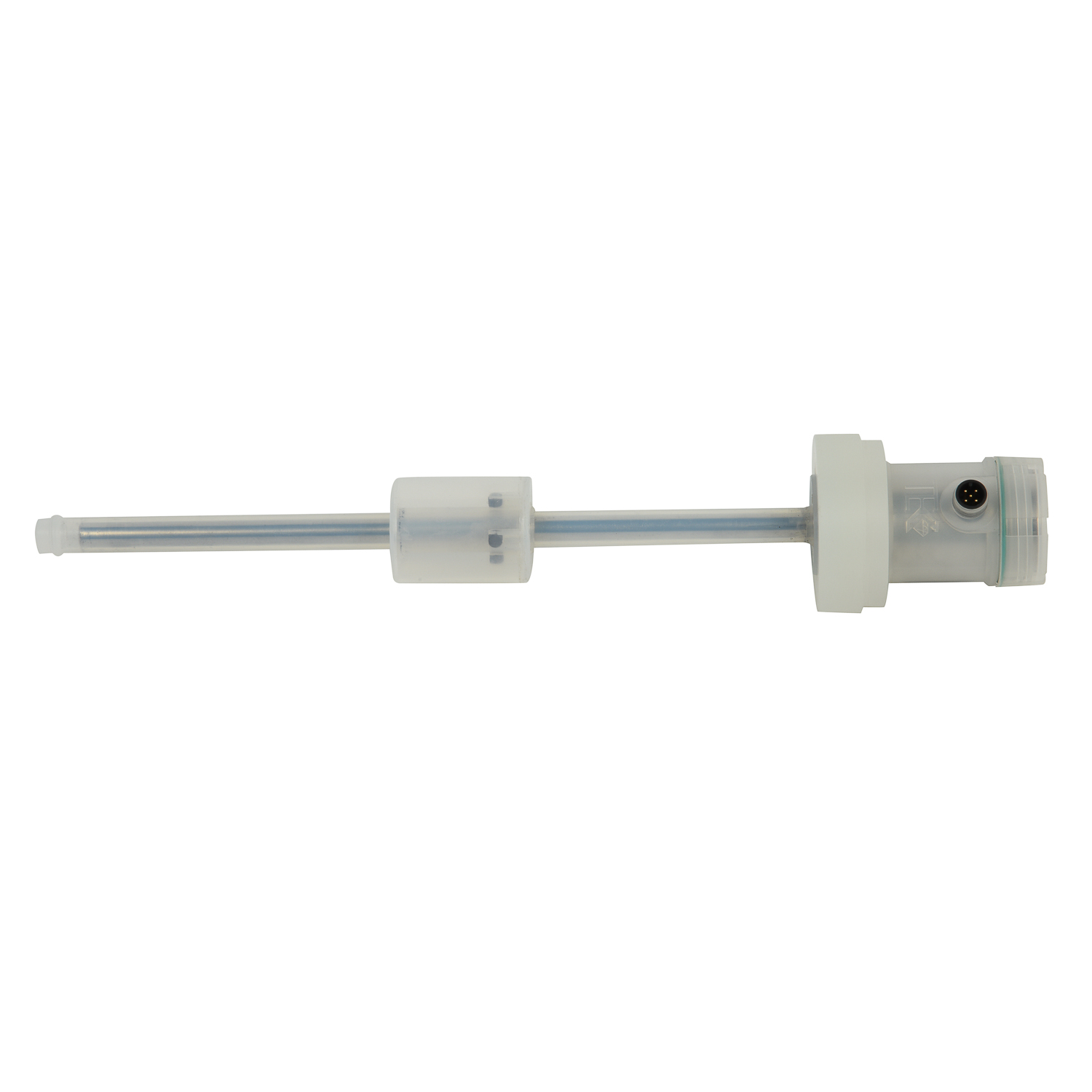
Mechanical interfaces include threaded flanges, rod ends, pressure-proof housings, M12/M16 connectors, or cable outlets. Magnet type and mounting distance affect signal stability. To select the right sensor, compare range, output, resolution, accuracy, speed, environment, and mounting.
 Working Principle of Magnetost
Technical Parameters of Magnet
Working Principle of Magnetost
Technical Parameters of Magnet
 How Much is Magnetostrictive D
 Magnetostrictive Displacement