
Magnetostrictive Displacement Sensor
A magnetostrictive displacement sensor measures linear position with high accuracy by using the magnetostrictive effect. Inside the sensor, a waveguide made of special alloy carries a short current pulse. A movable magnet attached to the target creates a local magnetic field. When the current pulse meets this field, it causes a small torsional strain wave. The wave travels along the waveguide at a known speed. The sensor measures the time between the pulse and the returning wave. This time is directly proportional to the magnet position. Because there is no mechanical contact between the magnet and the sensing element, wear is very low. The design offers long life, stable output, and excellent repeatability. These sensors are widely used in industrial automation, hydraulic cylinders, injection molding machines, metal forming, and energy equipment. They provide continuous absolute position feedback, so no homing is needed after power loss. Common outputs include analog voltage, current, SSI, CANopen, and Profibus. Users can choose rod, profile, or cylinder-integrated styles for different mounting needs. The measuring range may extend from a few millimeters to several meters. Magnetostrictive displacement sensors perform well in harsh conditions. They resist shock, vibration, dust, and moisture when properly sealed. Their non-contact operation reduces maintenance and improves reliability. With fast response and high resolution, they help machines run smoothly and safely. It is a trusted solution.
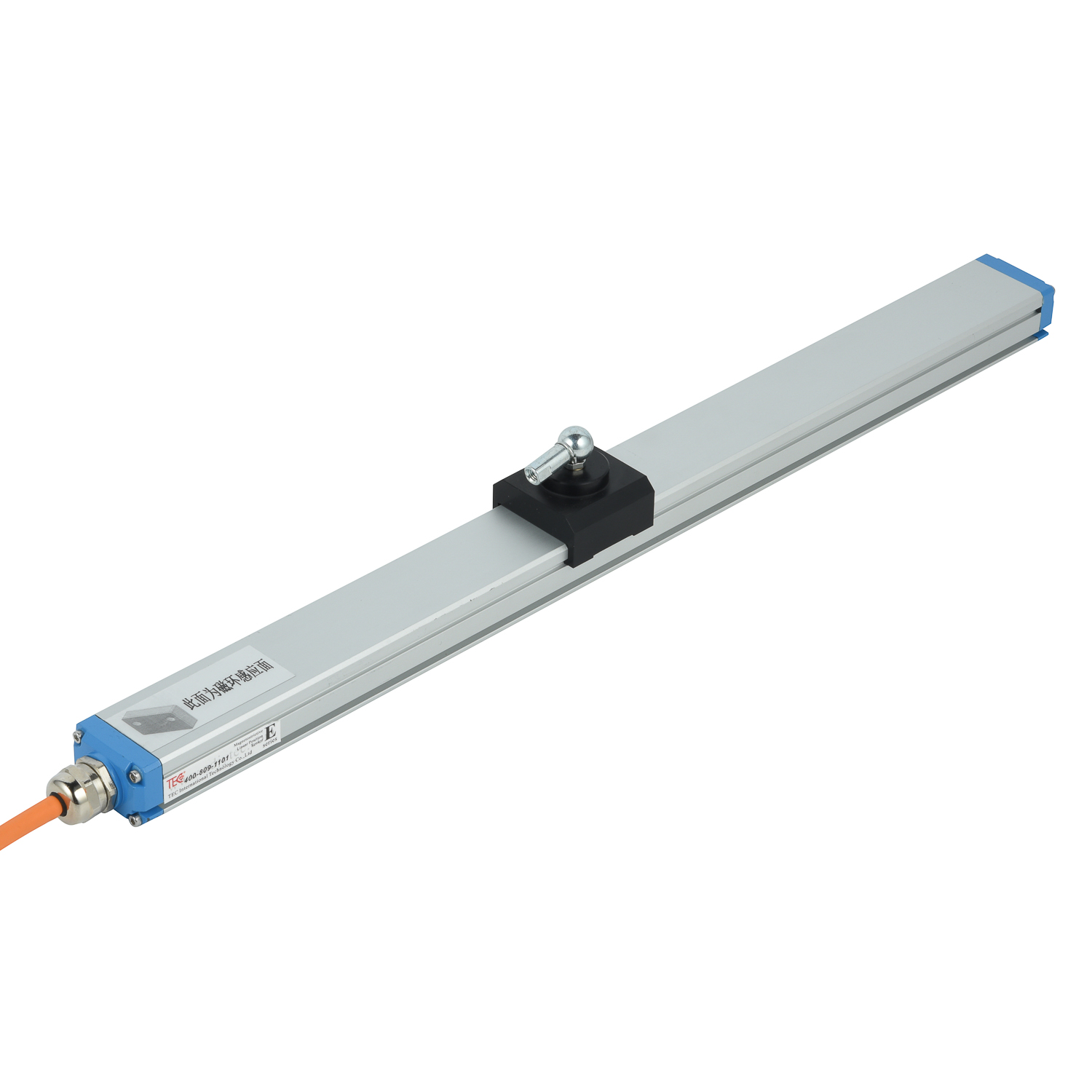
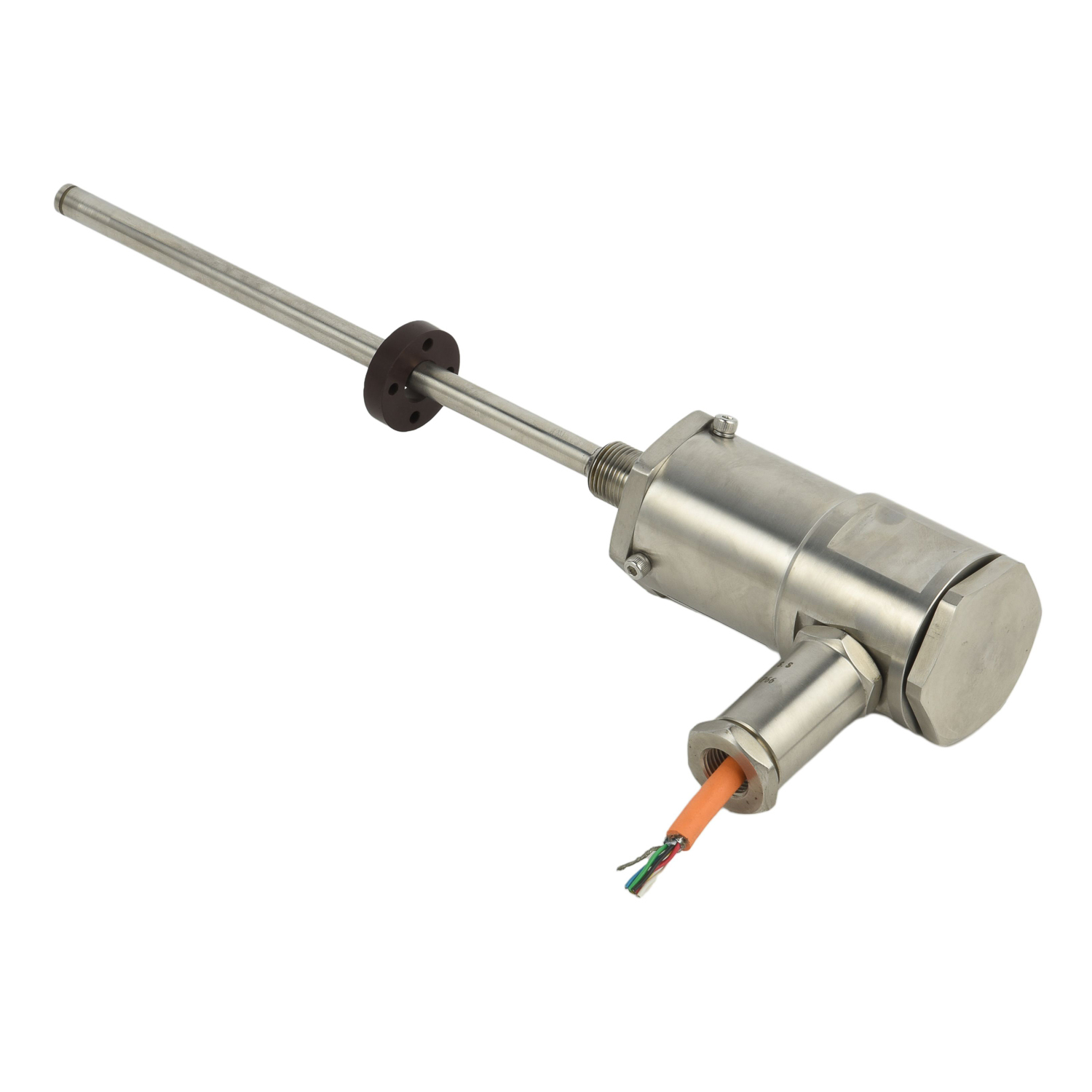 Waterproof Magnetostrictive Di
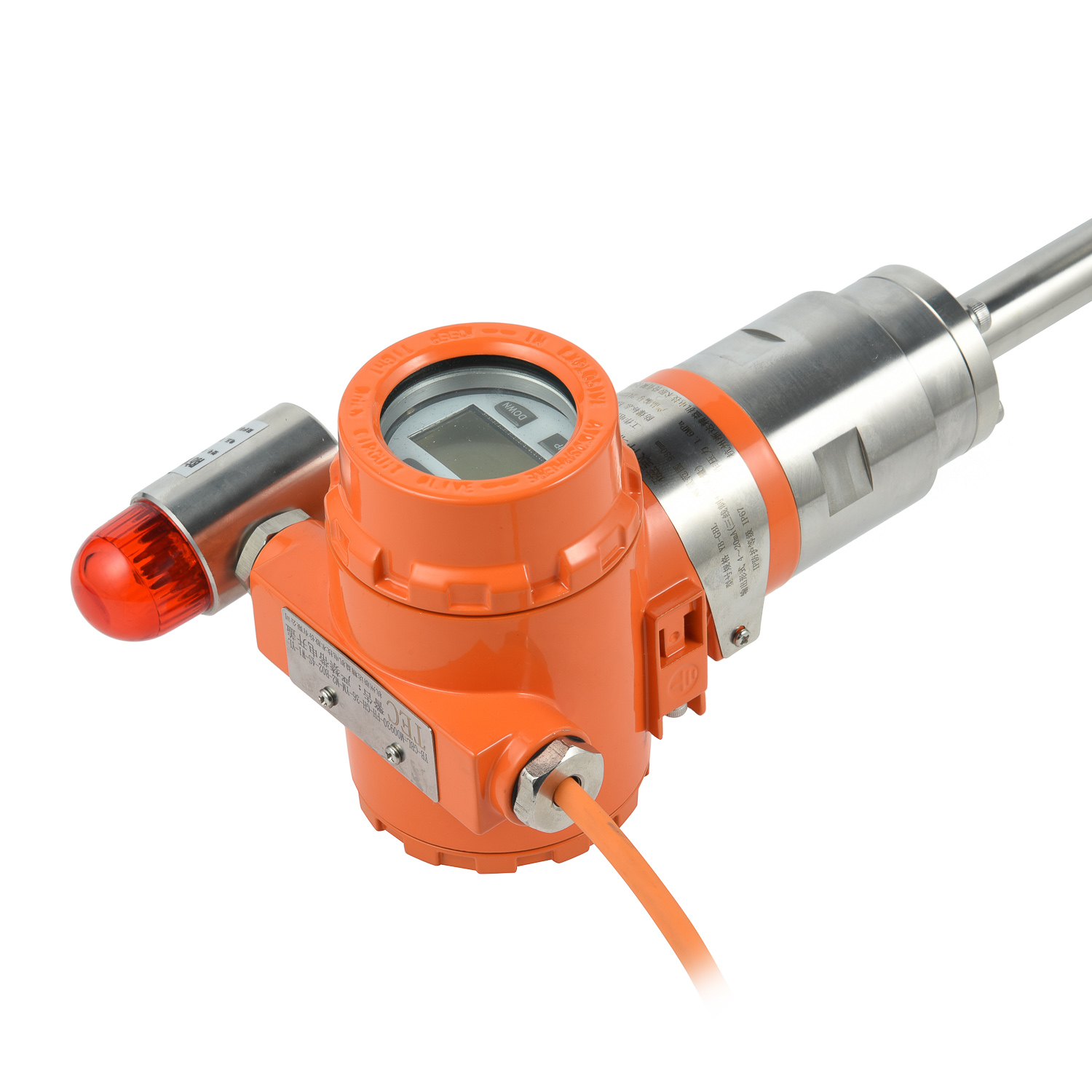 Intrinsically Safe Explosion-p
 Explosion-proof Magnetostricti
Magnetostrictive Displacement
Explosion-proof Magnetostricti
Magnetostrictive Displacement