
SealedforSuccess:IPRatingsandEnvironmentalProtectioninMagnetostrictiveSensors
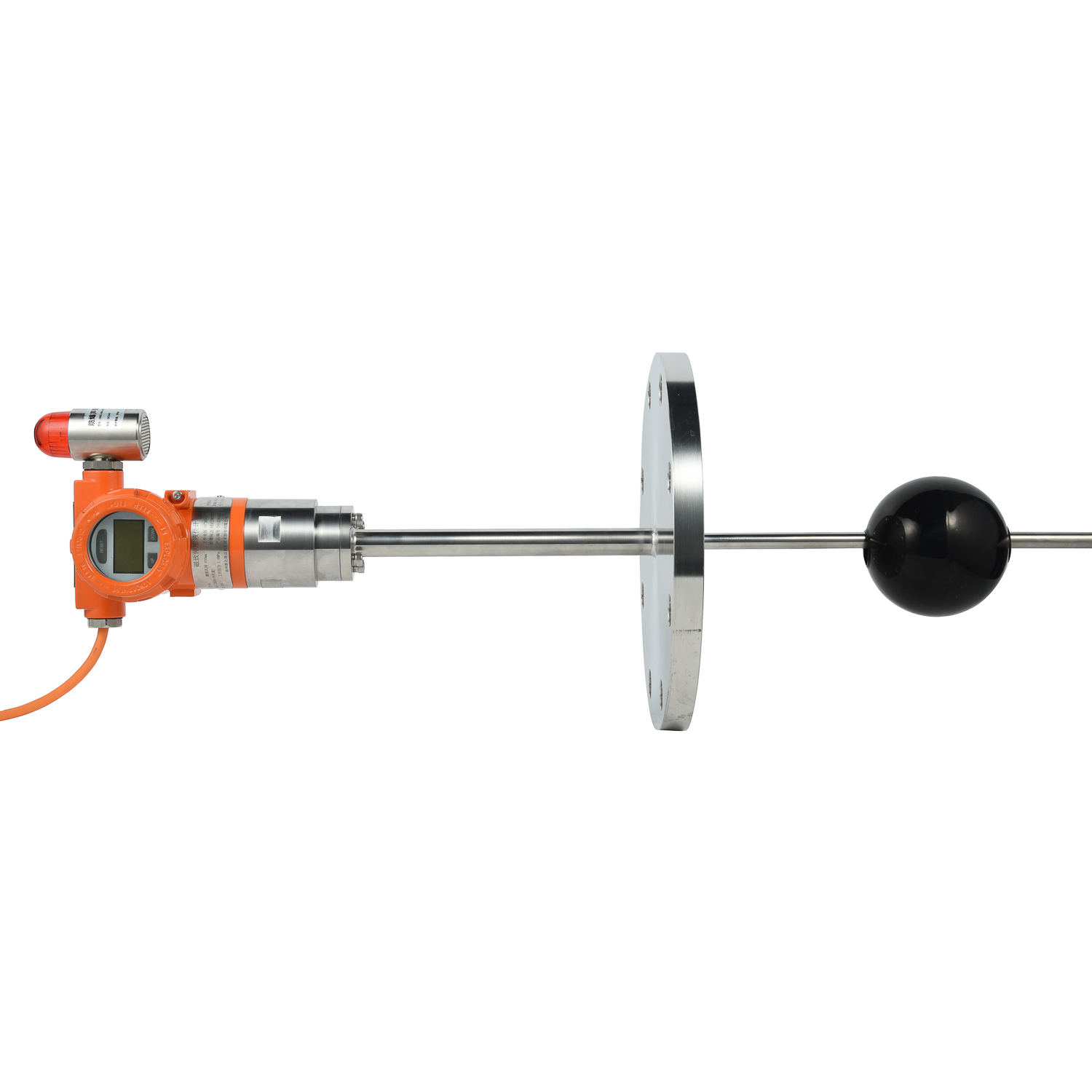
In the demanding world of industrial automation and process control, sensor reliability is non-negotiable. Magnetostrictive sensors, renowned for their precision in position and level measurement, often operate in environments that threaten their performance and longevity. This is where the Ingress Protection (IP) rating system becomes the cornerstone of success, acting as a definitive seal of durability against external elements.
Understanding the IP Code: Your Blueprint for Sensor Defense
The IP rating, established by the International Electrotechnical Commission (IEC), is a two-digit code that clearly defines a sensor's level of protection. The first digit (0-6) specifies resistance to solid particle ingress like dust and dirt. The second digit (0-9K) indicates protection against liquids, including water, oils, and high-pressure jets. For magnetostrictive sensors, a high IP rating is not a luxury but a fundamental requirement, ensuring the sensitive internal waveguide and electronics remain uncontaminated and fully functional.
Solid Particle Protection: Shielding Precision from Contaminants
The first line of defense in an IP rating guards against solids. In environments like steel mills, foundries, or grain handling facilities, abrasive dust and particulate matter are pervasive. A rating of IP6X, denoting "dust-tight" protection, is often critical. This complete seal prevents microscopic particles from entering the sensor housing, which could otherwise interfere with the magnetic field interaction or cause mechanical wear, ultimately preserving the sensor's legendary accuracy and repeatability over its entire service life.
Liquid Ingress Defense: Ensuring Operation in Wet and Corrosive Conditions
Liquid protection is equally vital. From hydraulic systems and coolant splash to high-pressure washdowns in food & beverage plants, magnetostrictive sensors face constant liquid threats. Ratings like IP67 (immersion up to 1m) or IP69K (protection against high-pressure, high-temperature jet cleaning) are common benchmarks. This robust sealing protects against short circuits, corrosion of internal components, and signal degradation, guaranteeing continuous operation and reducing downtime in the most challenging wet industrial applications.
Beyond the Rating: Material and Design Synergy for Total Environmental Protection
While the IP rating is a crucial standard, true environmental resilience is a holistic achievement. It involves the synergy of that rating with corrosion-resistant housing materials like stainless steel, the quality of shaft seals, and advanced potting compounds that protect internal electronics from humidity and thermal shock. This comprehensive approach ensures the magnetostrictive sensor can withstand not just ingress, but also temperature extremes, mechanical vibration, and chemical exposure, offering a complete package for harsh-duty success.
Selecting the Right IP Rating: A Critical Decision for Application Longevity
Selecting a magnetostrictive sensor with an inadequate IP rating is a primary cause of premature failure. Engineers must conduct a thorough assessment of the installation environment—considering the presence of dust, steam, oils, cleaning protocols, and potential temporary immersion. Specifying a sensor with an IP rating that exceeds the expected environmental challenges is a best practice, providing a safety margin that enhances system reliability, reduces maintenance costs, and ensures long-term, trouble-free performance for your critical applications.
 Graybus Cable Fault
 Field Application of Graybus C
 Model and Specification of Gra
 Import Substitute Graybus Cabl