
Magnetostrictivevs.UltrasonicLevelGauges:KeyDifferencesExplained
When selecting level measurement equipment for industrial applications, understanding the fundamental differences between magnetostrictive and ultrasonic technologies becomes crucial for optimal performance and cost-efficiency. Both technologies offer distinct advantages that make them suitable for different operating environments and measurement requirements.
Working Principle Comparison
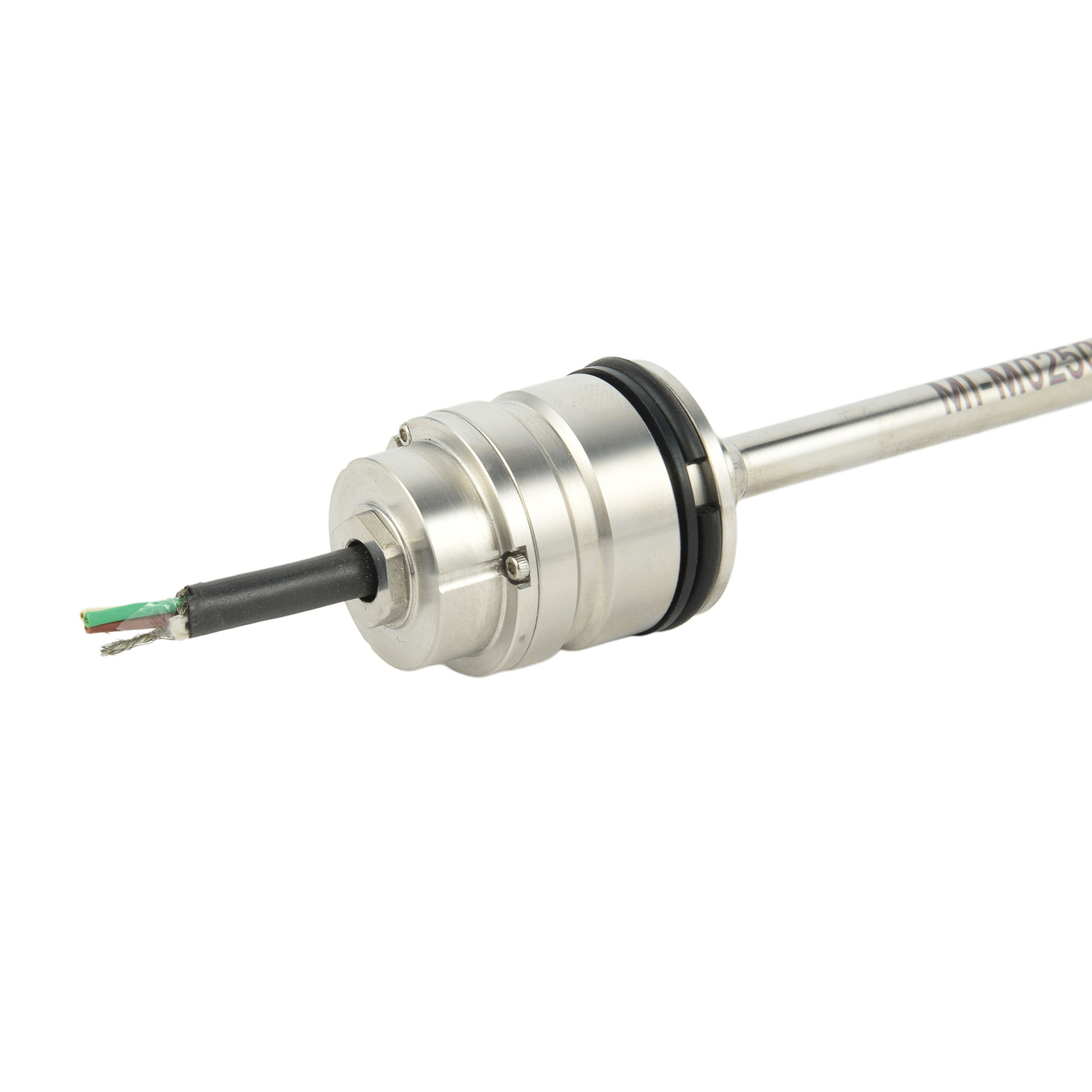
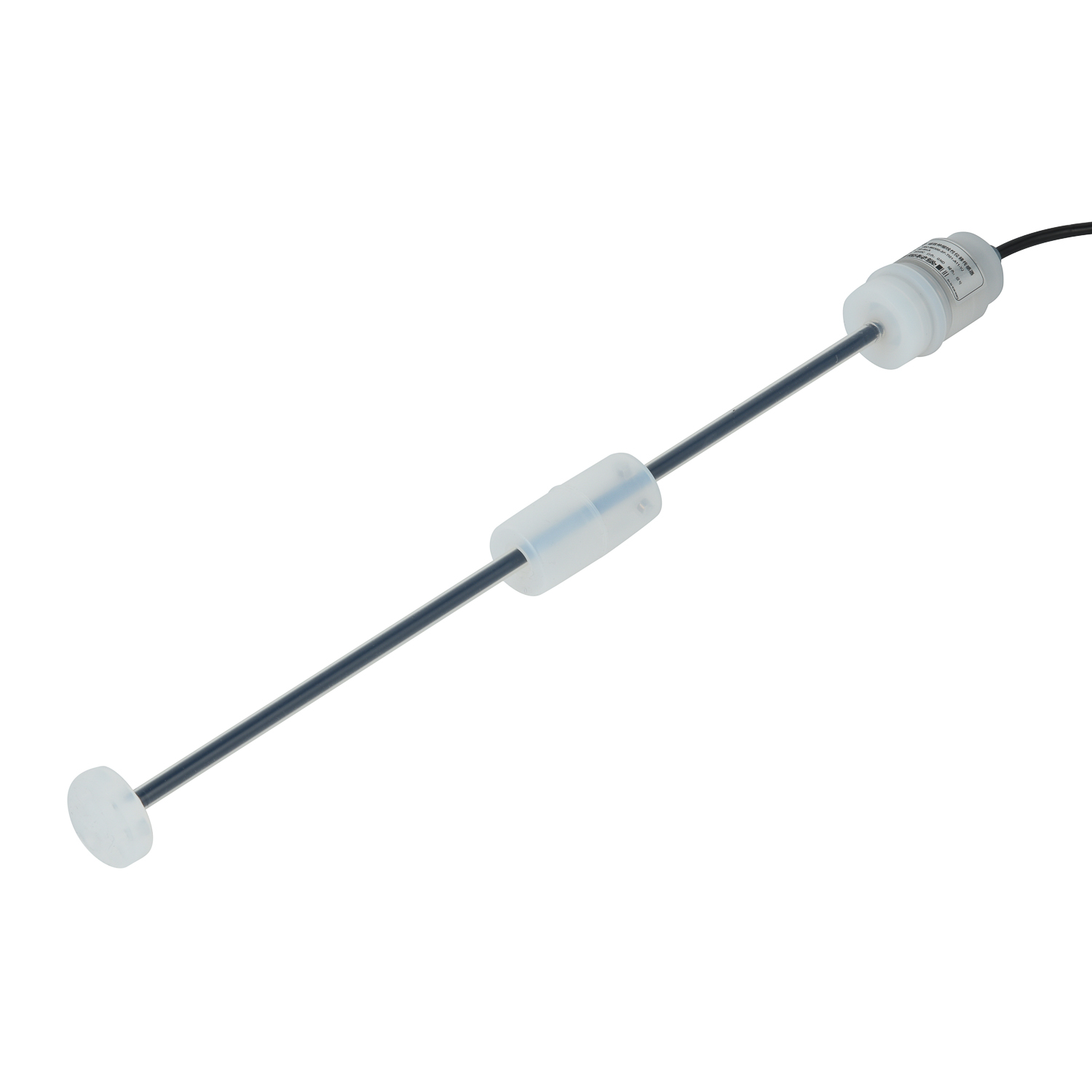
Magnetostrictive level gauges operate through a sophisticated interaction between a magnetic float and a waveguide wire. When a current pulse passes through the waveguide, it interacts with the permanent magnetic field from the float, generating a torsional stress wave that precisely identifies the liquid level position. This physical principle ensures exceptional measurement reliability under various process conditions. Ultrasonic level gauges function by emitting high-frequency sound waves from the transducer and calculating the time difference between transmission and reception of the reflected echo. This non-contact method provides versatile measurement capabilities without direct material contact.
Accuracy and Performance Analysis
The measurement accuracy of magnetostrictive technology typically reaches ±0.5mm or better, making it ideal for applications demanding precise inventory control and custody transfer operations. This high precision stems from the direct mechanical wave transmission through the waveguide. Ultrasonic level gauges generally offer accuracy within ±0.25% of the measured range, with performance significantly influenced by environmental factors including temperature variations, pressure changes, and atmospheric conditions that can affect sound wave propagation.
Application Environments
Magnetostrictive level gauges demonstrate exceptional performance in challenging industrial settings, particularly in high-temperature and high-pressure applications across chemical processing, oil and gas industries. Their robust construction allows reliable operation in aggressive media and turbulent surface conditions. Ultrasonic technology excels in open tank applications and operates effectively in atmospheric pressure conditions, though performance may degrade in environments with heavy vapor, foam, or significant dust concentrations that interfere with sound wave transmission.
Installation and Maintenance Considerations
Proper installation of ultrasonic level gauges requires careful positioning to avoid false echoes from tank obstructions and ensure accurate signal reflection. Regular maintenance involves transducer cleaning and verification of signal integrity. Magnetostrictive installations demand precise float selection matching specific gravity requirements and periodic verification of magnetic field strength. Both technologies benefit from routine calibration checks, though magnetostrictive systems generally require less frequent maintenance due to their mechanical simplicity.
Cost and Investment Evaluation
The initial investment for magnetostrictive level gauges typically exceeds ultrasonic systems due to their sophisticated sensing technology and precision components. However, this higher upfront cost often translates to reduced long-term maintenance expenses and superior measurement reliability. Ultrasonic systems present a more budget-friendly initial solution with competitive performance characteristics, though potential additional costs may arise from required maintenance activities and performance verification procedures in challenging operating environments.
Technology Selection Guidelines
Choosing between magnetostrictive and ultrasonic technologies requires comprehensive evaluation of application-specific requirements including accuracy needs, process conditions, and budget constraints. Magnetostrictive technology proves ideal for high-precision applications with challenging process conditions, while ultrasonic systems offer excellent versatility for general-purpose level measurement tasks. Understanding these fundamental differences enables engineers to select the most appropriate technology that balances performance requirements with economic considerations for long-term operational success.
 Graybus Cable Fault
 Field Application of Graybus C
 Model and Specification of Gra
 Import Substitute Graybus Cabl