
TheTruthAboutMagnetostrictiveLiquidLevelGaugesThatWillShockYou
Have you ever wondered how industries achieve pinpoint accuracy in liquid level measurement? The answer lies in a technology that might surprise you with its sophistication and reliability. Magnetostrictive liquid level gauges represent a quantum leap in measurement science, offering precision that conventional methods simply can't match.
The Hidden Science Behind Magnetostrictive Technology
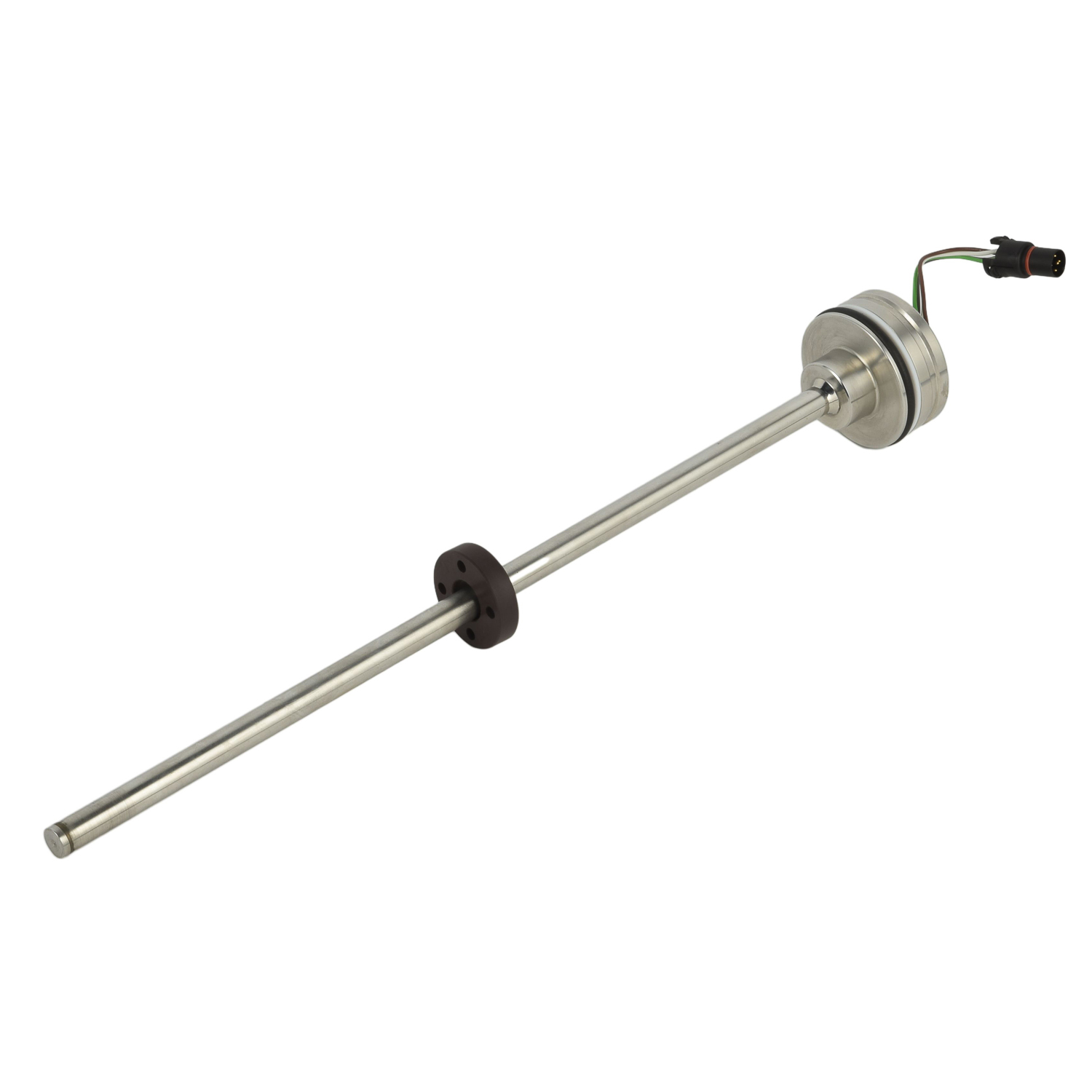
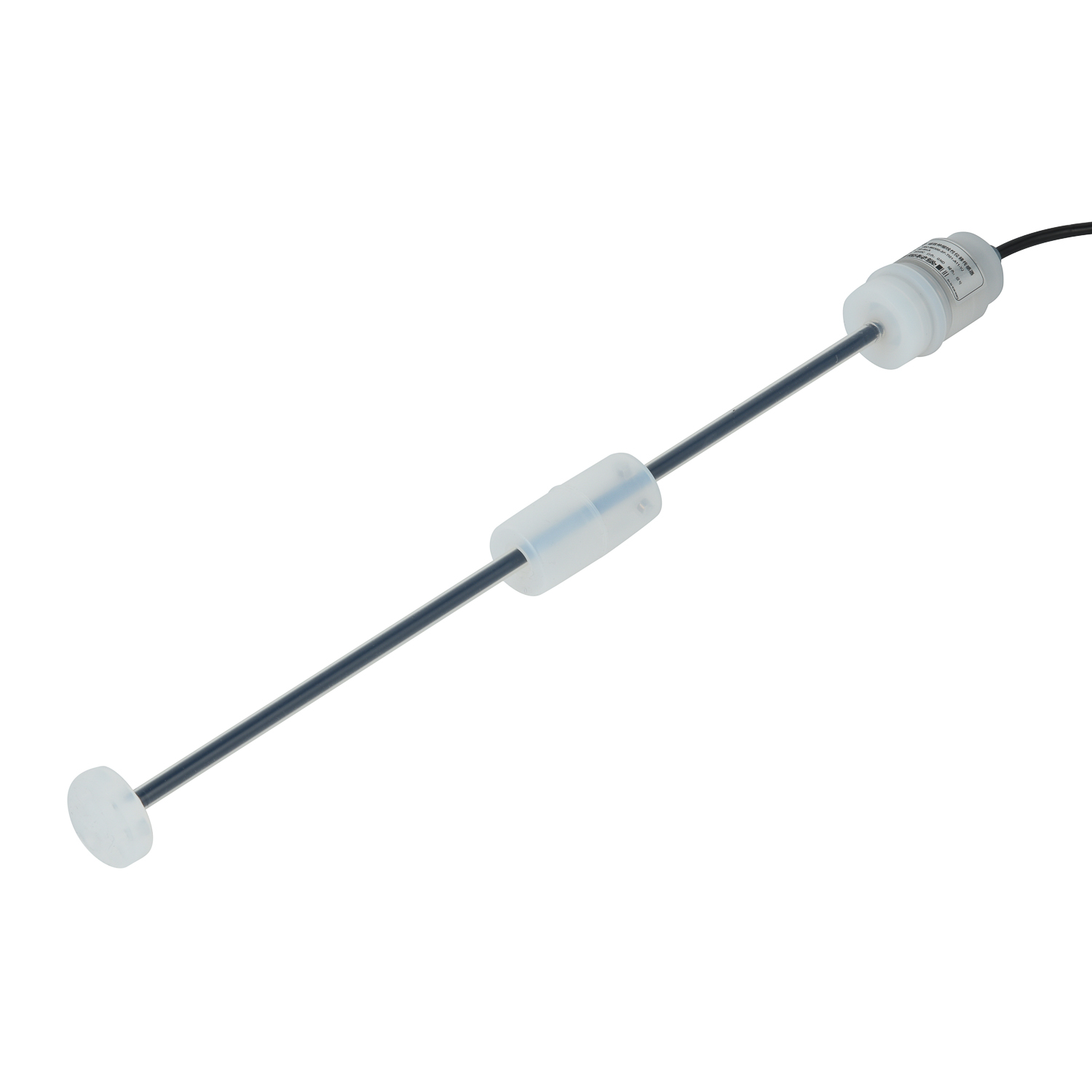
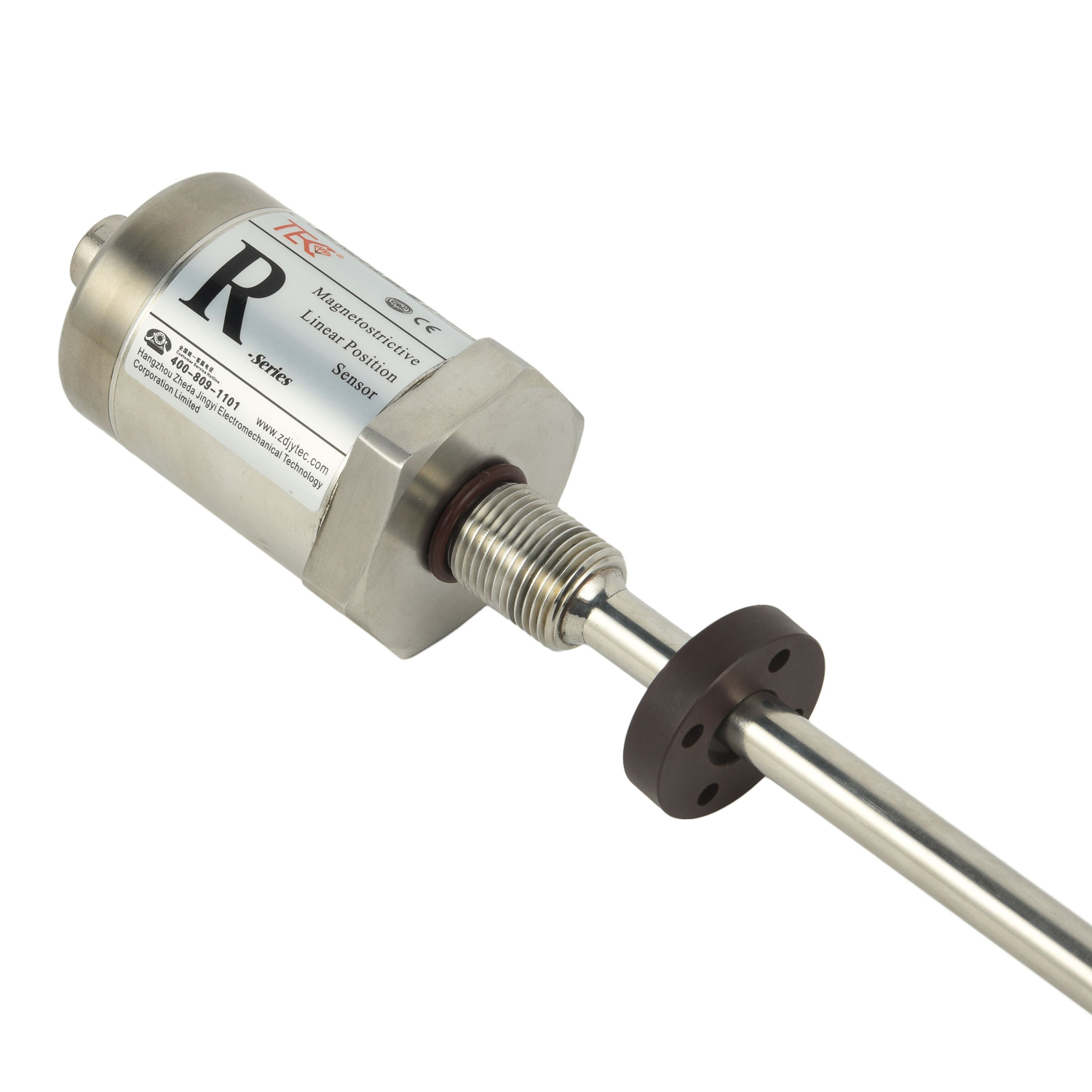
At its core, magnetostrictive technology operates on a fascinating physical principle where magnetic fields interact with specialized materials to create precise measurements. When a current pulse travels through a magnetostrictive wire, it meets a magnetic field from a float containing permanent magnets. This interaction generates a torsional stress wave that travels back along the wire at ultrasonic speeds. The system calculates liquid level by measuring the exact time between pulse transmission and wave return with astonishing accuracy.
Shocking Advantages You Never Knew About
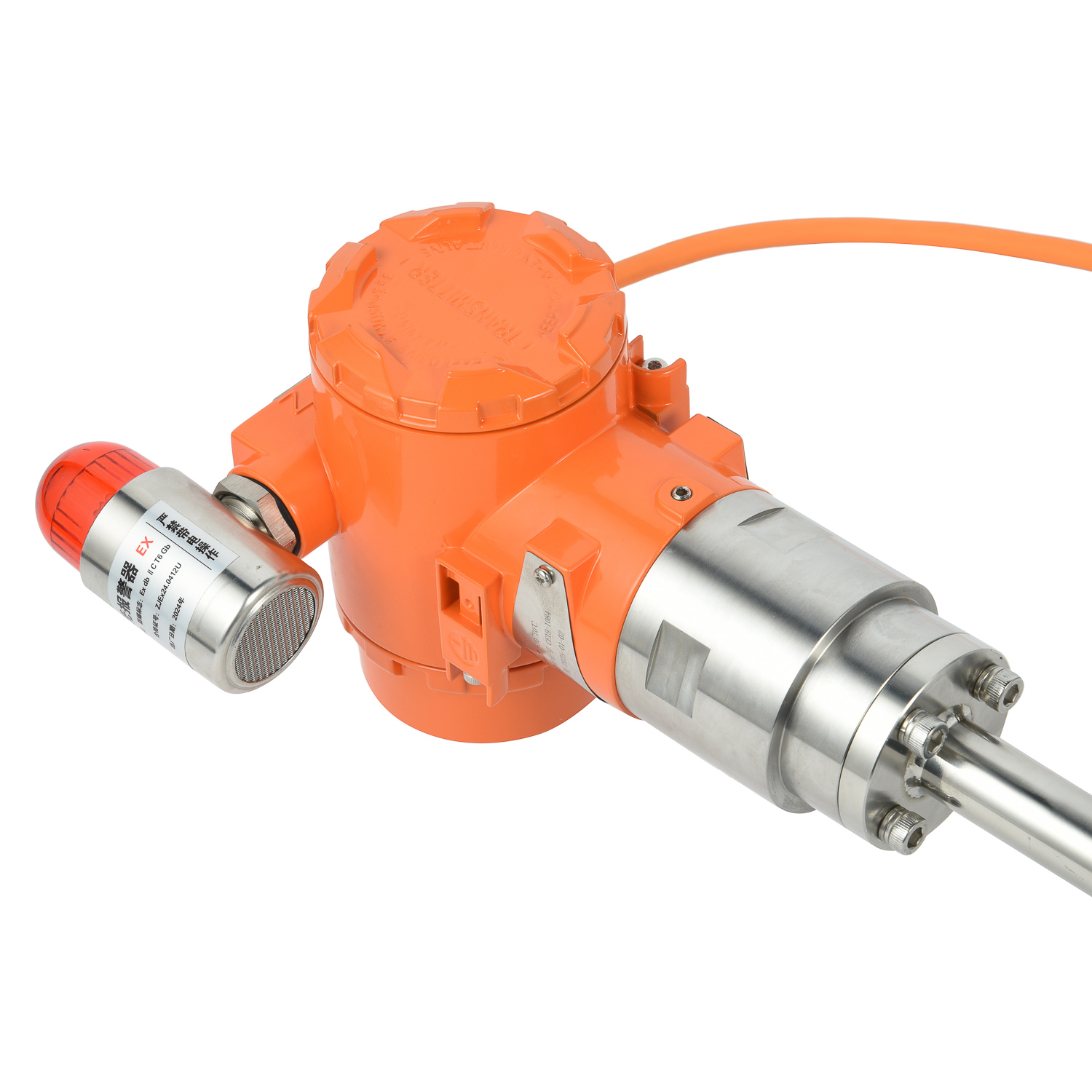
What truly sets magnetostrictive gauges apart are their incredible benefits that often go unnoticed. These devices deliver accuracy within millimeters, maintain calibration for years without drift, and function reliably across extreme temperature ranges from cryogenic to high-temperature applications. Their non-contact measurement principle eliminates mechanical wear, while robust construction ensures operation in hazardous areas and corrosive environments where other technologies fail.
Common Misconceptions That Cost Industries Millions
Many plant operators still believe traditional sight glasses or float gauges provide adequate measurement solutions. This misconception leads to costly errors in inventory management, safety compliance, and process efficiency. Unlike mechanical gauges that require frequent recalibration, magnetostrictive systems maintain their precision indefinitely. The initial investment often pays for itself through reduced maintenance, eliminated product loss, and improved process control.
Revolutionary Applications Across Multiple Industries
From chemical processing plants to oil refineries, magnetostrictive level gauges are transforming how industries monitor their liquids. They provide critical data for custody transfer in petroleum storage, ensure precise blending in pharmaceutical manufacturing, and maintain safety margins in LNG storage facilities. The technology's versatility extends to food processing, wastewater treatment, and power generation, proving its value across virtually every sector dealing with liquid storage.
Future Developments That Will Amaze You
The evolution of magnetostrictive technology continues to push boundaries. Next-generation sensors now incorporate wireless connectivity, predictive maintenance algorithms, and integration with industrial IoT platforms. Emerging innovations include multi-parameter measurement capabilities that simultaneously track level, temperature, and density, while advanced materials promise even greater durability and measurement precision for tomorrow's industrial challenges.
Why Your Current Measurement System Might Be Obsolete
If you're still relying on traditional level measurement methods, you're likely missing crucial data and operational efficiency. Modern magnetostrictive gauges offer digital communication protocols, remote monitoring capabilities, and diagnostic features that older technologies simply can't provide. The gap in performance, reliability, and total cost of ownership continues to widen, making the switch to magnetostrictive technology not just an upgrade, but a necessary evolution for competitive operations.
The installation and commissioning process has become remarkably straightforward, with many systems offering plug-and-play functionality. Modern designs incorporate self-diagnostic features that alert operators to potential issues before they affect measurements. This proactive approach to maintenance represents another significant advantage over reactive traditional systems that often fail without warning, causing costly production interruptions and potential safety hazards.
 Graybus Cable Fault
 Field Application of Graybus C
 Model and Specification of Gra
 Import Substitute Graybus Cabl