
AreYouMakingThisCriticalErrorWithYourLiquidLevelMeasurement?
In the complex world of industrial processes, accurate liquid level measurement isn't just a convenience—it's an absolute necessity for safety, efficiency, and profitability. Yet, many operations unknowingly compromise their entire system through a single, widespread oversight. This critical error doesn't just produce bad data; it creates a cascade of operational problems that can cost thousands in wasted product, energy, and downtime. Are you confident your measurement system is immune, or could you be overlooking a fundamental flaw that's hiding in plain sight?
The Overlooked Calibration Drift: A Silent Profit Killer
The most critical error in liquid level measurement is the failure to account for and manage calibration drift over time. All sensors drift; it's an inherent characteristic of measurement instrumentation. The error isn't that drift occurs, but that facilities often operate on fixed, infrequent calibration schedules that don't reflect the actual conditions the sensor endures. Factors like temperature cycling, process media composition, and mechanical stress accelerate this drift. Without a proactive drift management strategy, you are essentially making critical decisions based on increasingly inaccurate data, leading to incorrect inventory counts, off-spec products, and potential safety risks.
How Inaccurate Data Compromises Your Entire Process Control Loop
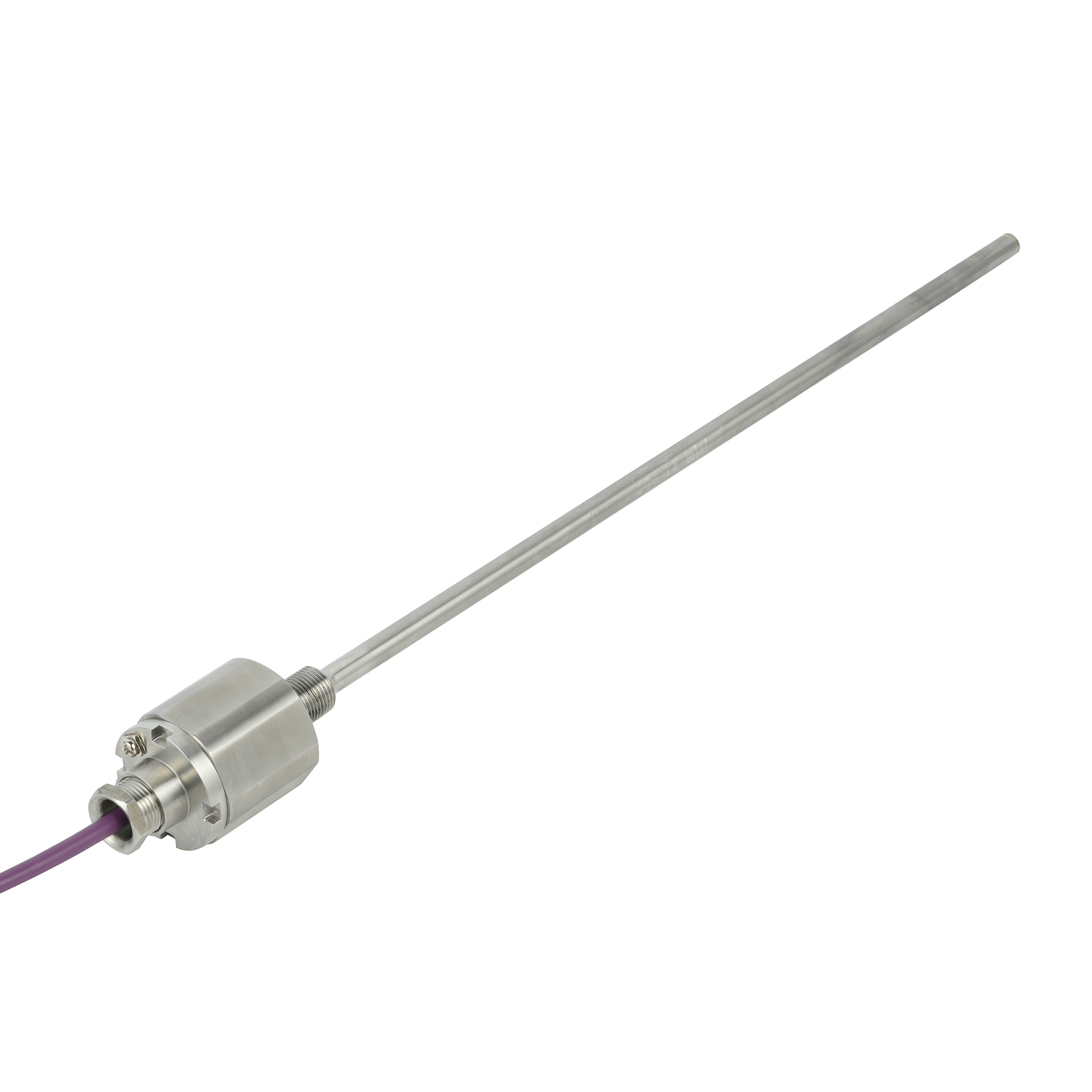
Your liquid level sensor is not an isolated instrument; it is the primary input for your entire control strategy. When its data is unreliable, the consequences ripple through your process. An inaccurate level reading can cause automated valves to open or close at the wrong times, lead to pump cavitation or run-dry conditions, and disrupt the delicate chemical balance in reactors. This doesn't just create inefficiency; it forces other equipment to work outside its intended design parameters, increasing wear-and-tear and leading to premature equipment failure and unplanned shutdowns.
Moving Beyond Basic Checks: A Proactive Maintenance Strategy
Fixing this critical error requires moving beyond a reactive "fix-it-when-it-breaks" mentality. A proactive strategy involves trend analysis of the sensor's output, comparing it with other process variables to identify subtle signs of drift before they become critical failures. Implementing a condition-based maintenance schedule, informed by the specific operating environment and historical performance of your level sensors, is key. This approach transforms your measurement system from a potential point of failure into a reliable foundation for operational excellence.
Selecting the Right Technology to Mitigate Common Failure Points
Often, the root of the error lies in selecting the wrong measurement technology for the application. A radar level sensor might be ideal for a corrosive chemical but perform poorly with heavy foam. A guided wave radar might be perfect for high-pressure tanks but struggle with material buildup. Understanding the limitations and ideal application scenarios for each technology—from ultrasonic and radar to hydrostatic and capacitive probes—is crucial. The right choice minimizes inherent error sources and builds a more resilient and accurate measurement system from the ground up.
Transforming Your Measurement from a Cost Center to a Value Generator
When you conquer this critical error, you do more than just fix a sensor. You transform your liquid level measurement from a simple cost of doing business into a genuine value generator. Accurate, reliable data empowers better decision-making, optimizes inventory management, reduces product loss, and enhances overall plant safety. It provides the clarity needed to fine-tune processes, reduce energy consumption, and ultimately, boost your bottom line. Stop letting a hidden error drain your resources and start leveraging precise measurement as a competitive advantage.
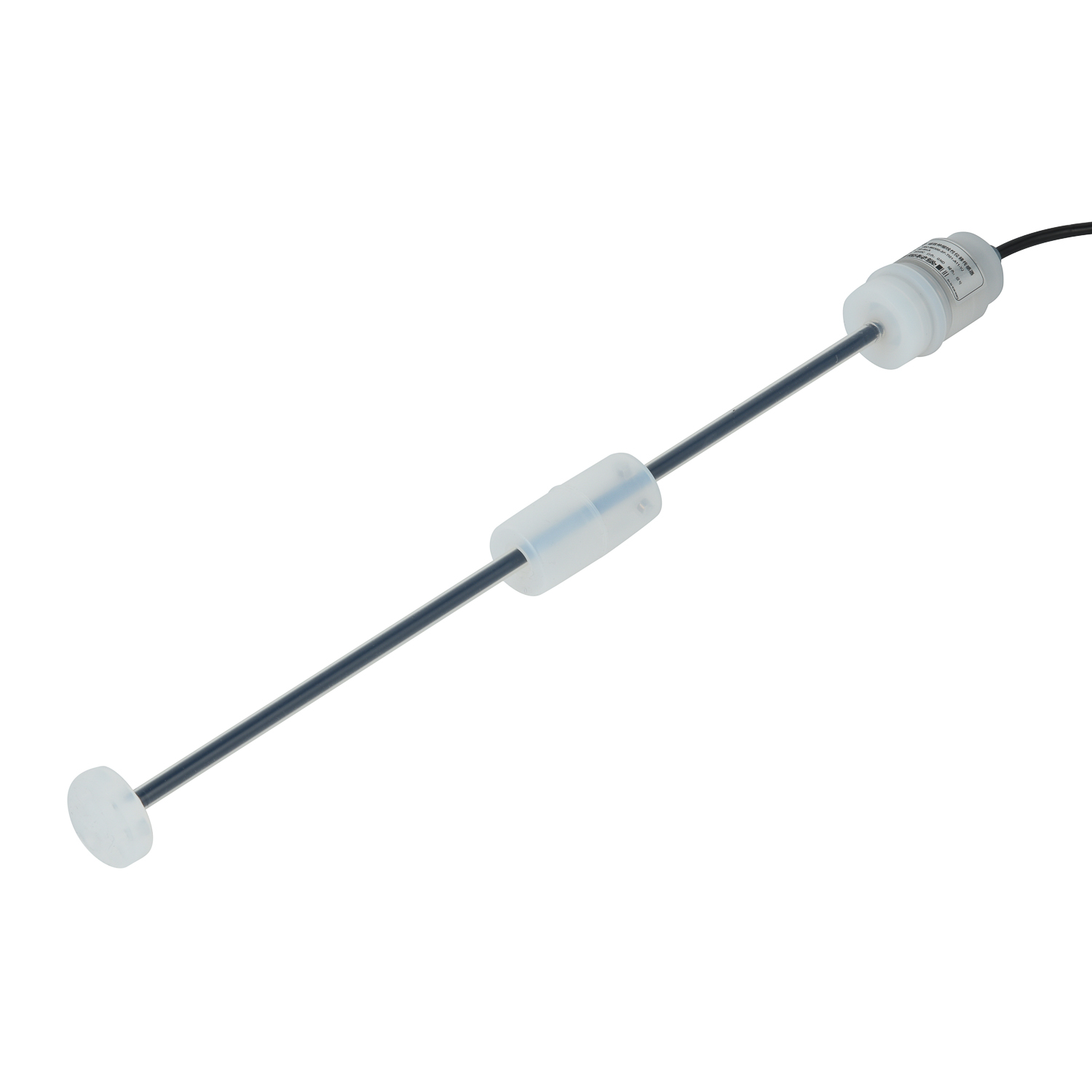 Graybus Cable Fault
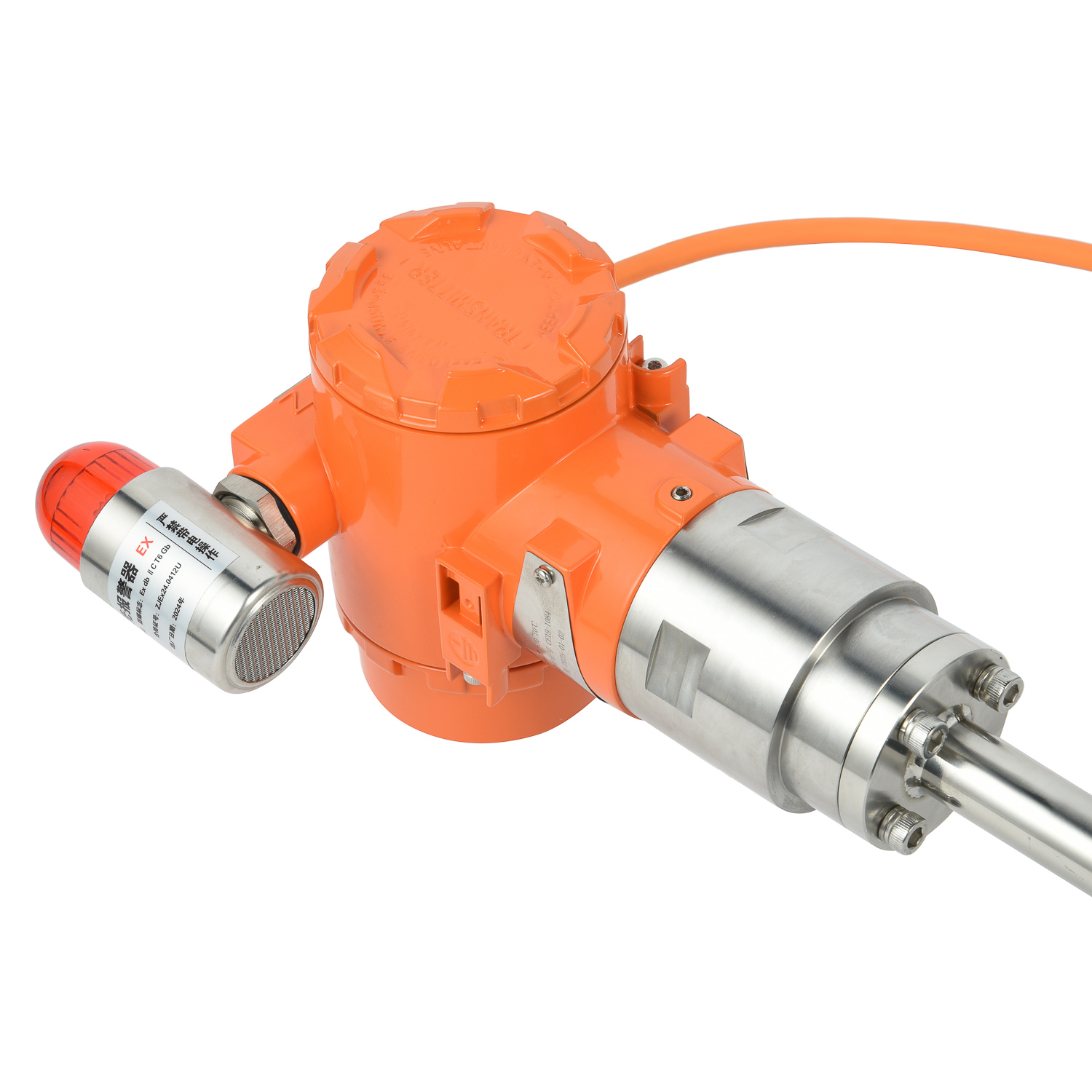 Field Application of Graybus C
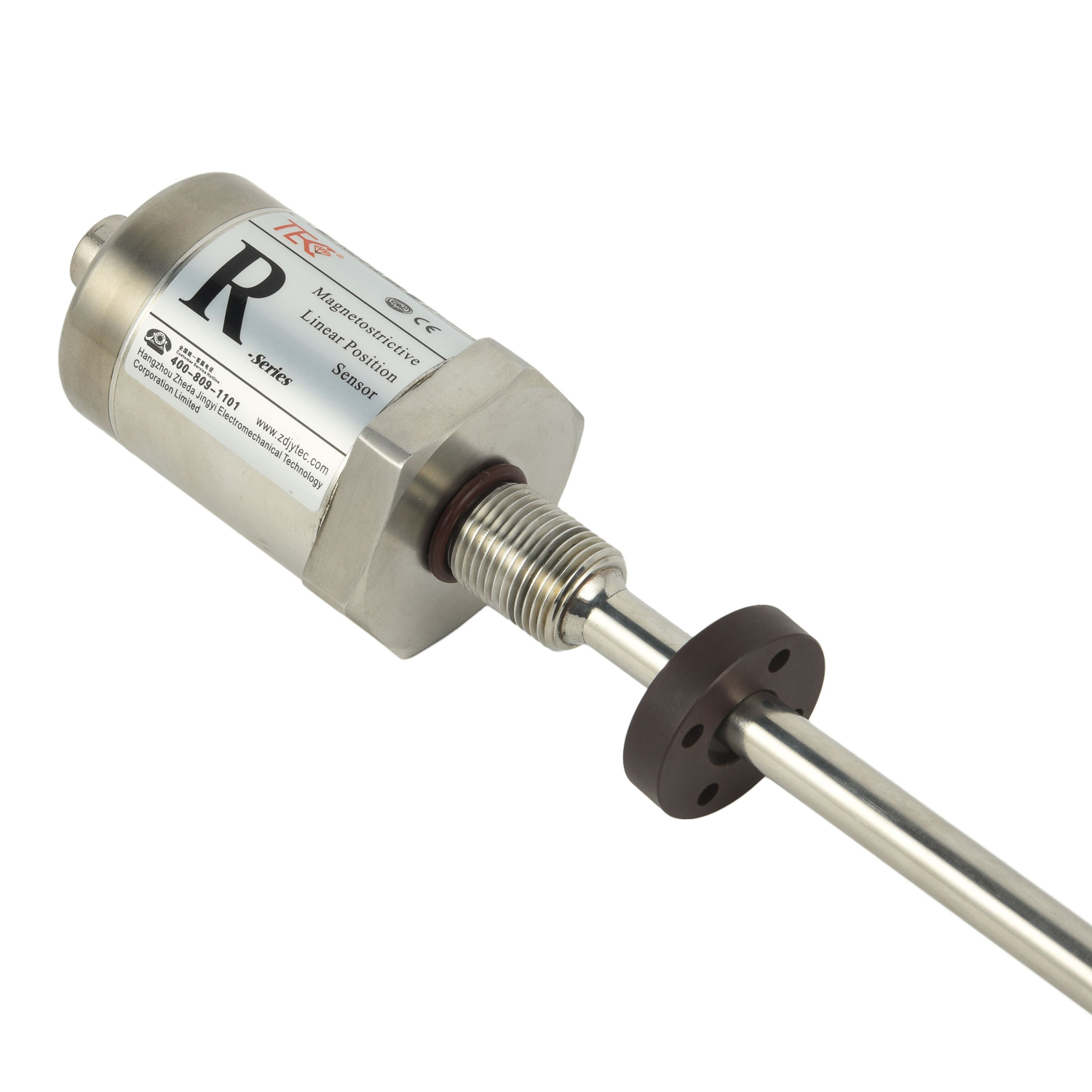 Model and Specification of Gra
 Import Substitute Graybus Cabl