
WhyYourCurrentLiquidLevelGaugeCan'tCompeteWithMagnetostrictiveTechnology
When it comes to monitoring liquid levels in industrial applications, many facilities continue to rely on traditional measurement technologies that simply can't deliver the precision and reliability demanded by modern process control systems. While these conventional gauges have served industries for decades, they're increasingly becoming obsolete in the face of advanced magnetostrictive solutions that redefine measurement accuracy and operational efficiency.
The Limitations of Conventional Level Measurement Methods
Traditional float gauges, sight glasses, and even some electronic level sensors suffer from inherent limitations that impact their performance and reliability. Mechanical wear and tear consistently plague float-based systems, leading to frequent calibration drift and eventual failure. Sight glasses present significant safety concerns with potential for leakage and breakage, while also requiring manual reading that introduces human error. Many older technologies struggle with environmental factors like temperature fluctuations, pressure changes, and fluid density variations that dramatically affect measurement accuracy. These conventional methods typically offer accuracy levels of ±3-5mm at best, which falls short for precise inventory management and critical process control applications where every millimeter matters.
Understanding Magnetostrictive Technology Fundamentals
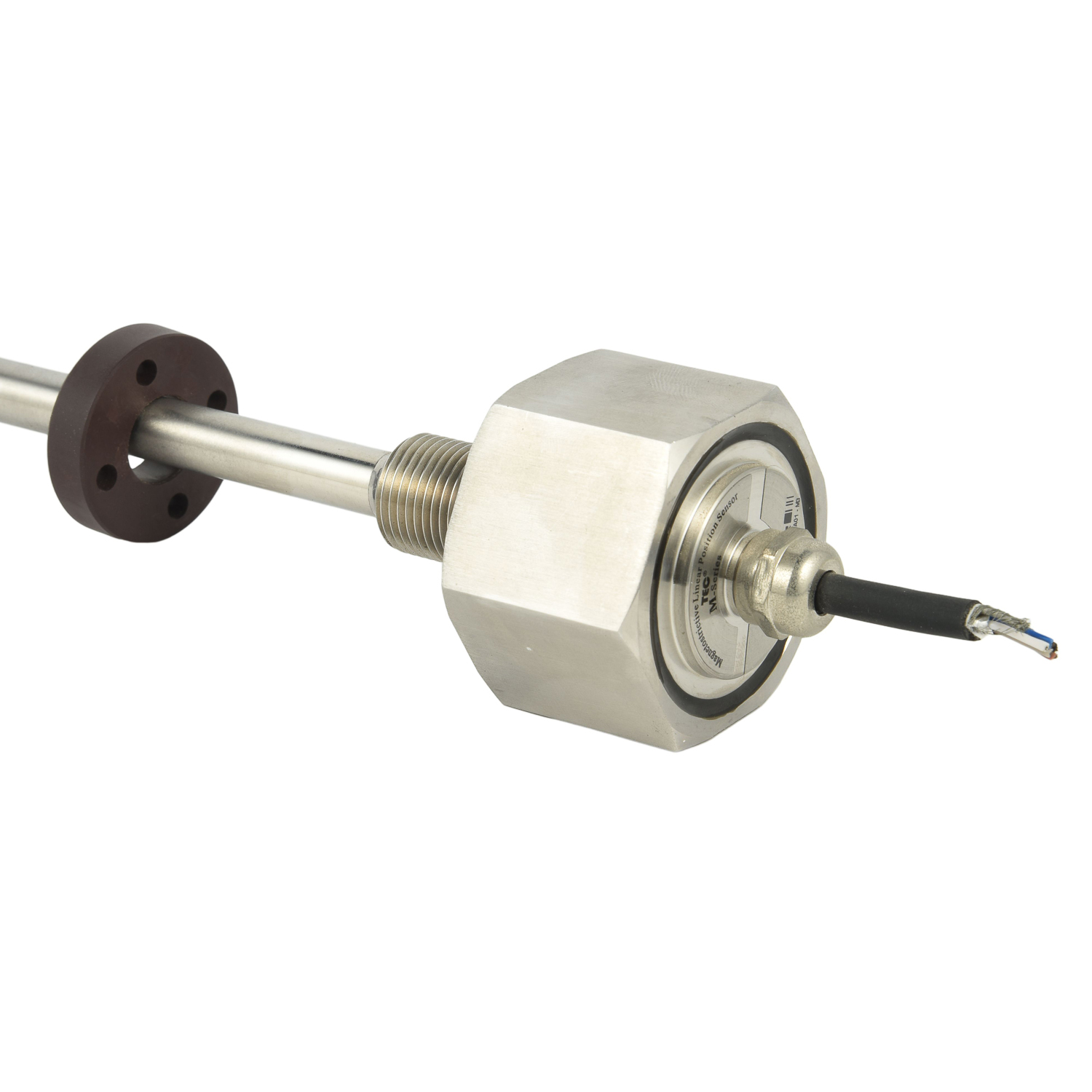
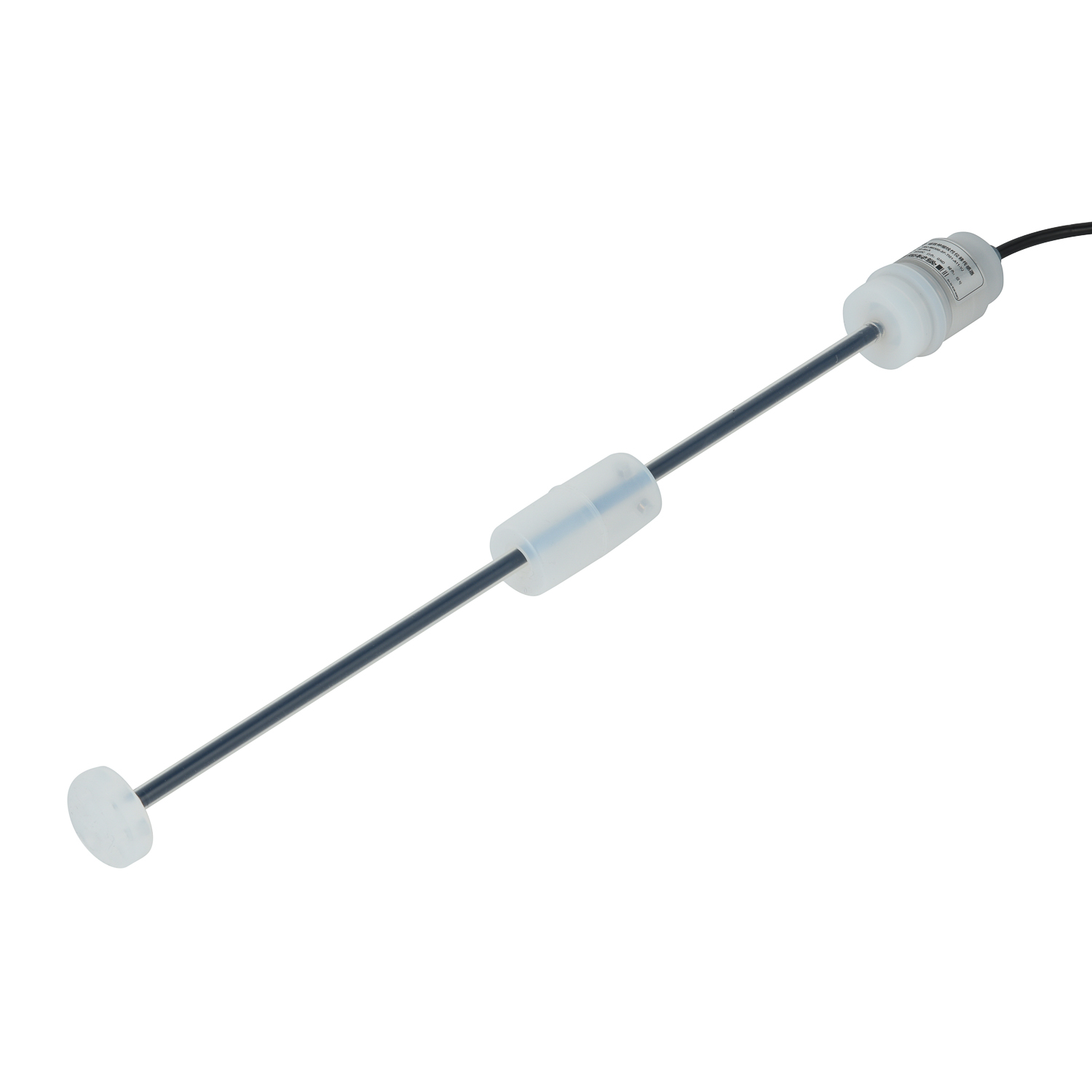
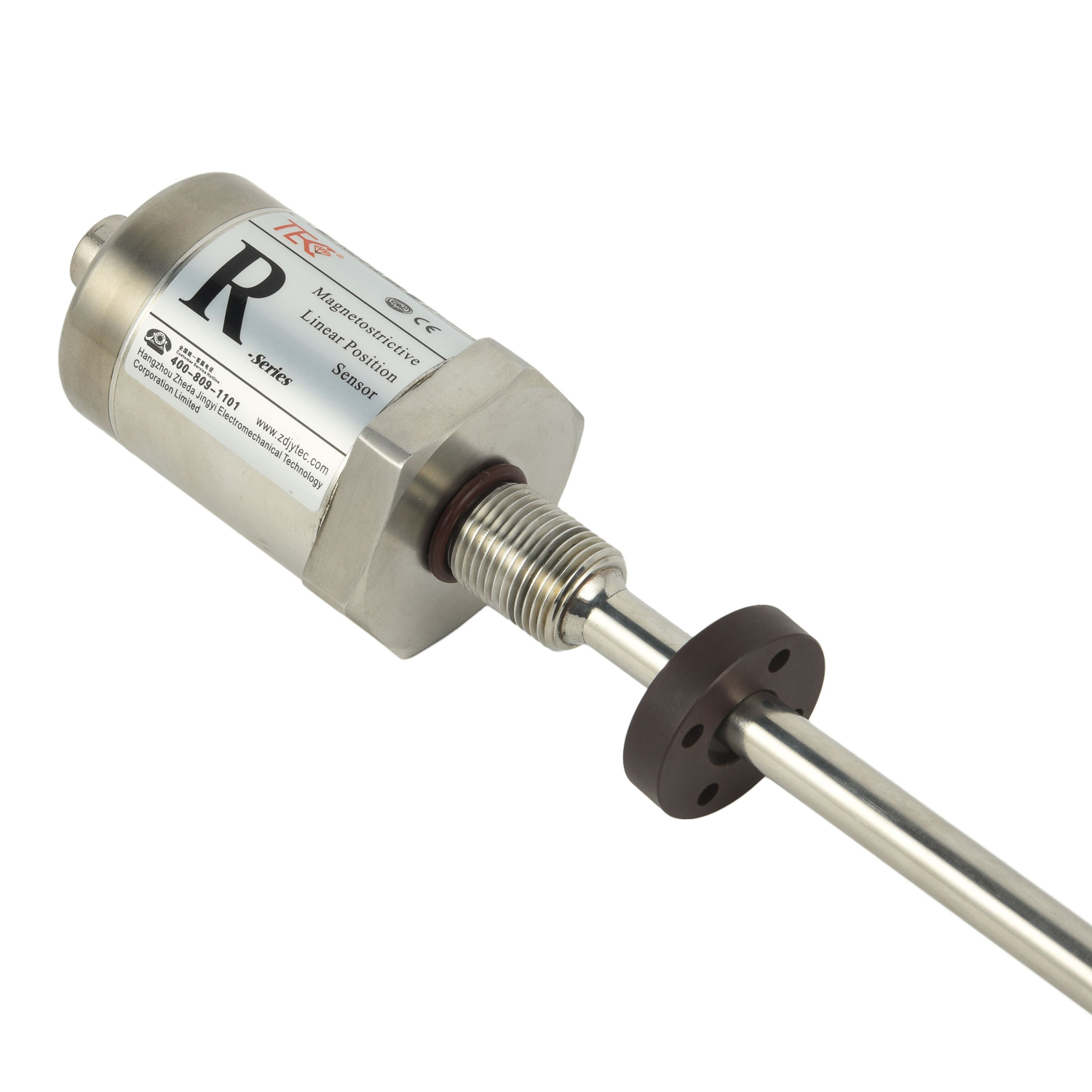
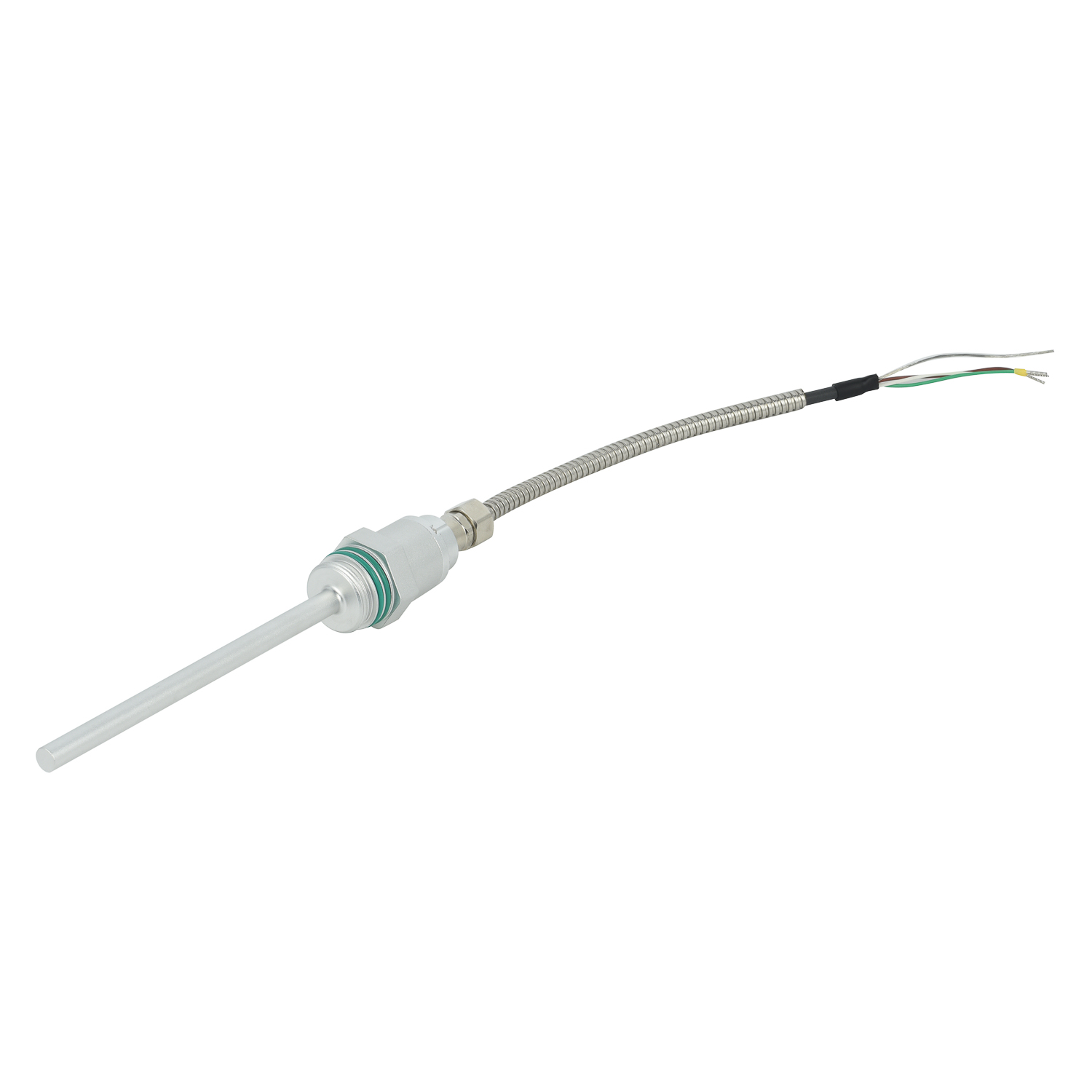
Magnetostrictive level transmitters operate on a sophisticated yet reliable physical principle that ensures exceptional measurement precision. The technology utilizes a specialized waveguide wire surrounded by a magnetic field generated by a movable float containing permanent magnets. When a current pulse is sent through the waveguide, it interacts with the magnetic field from the float, creating a torsional stress wave that travels back to the sensor head at a constant velocity. The system precisely measures the time difference between the initial current pulse and the returning wave to determine the exact float position with remarkable accuracy. This non-contact measurement principle eliminates mechanical wear points and maintains calibration stability over extended operational periods.
Superior Accuracy That Transforms Operational Efficiency
Magnetostrictive level gauges deliver unparalleled measurement precision that directly translates to operational benefits and cost savings. With typical accuracy of ±0.5mm or better, these systems provide resolution up to 0.1mm, enabling precise inventory control that can significantly reduce product loss and improve financial reporting accuracy. This exceptional precision allows for tighter process control in critical applications like chemical dosing, fuel blending, and pharmaceutical batch processing where minute variations can impact product quality. The technology's repeatability ensures consistent readings over time, eliminating the guesswork associated with traditional level measurement methods and supporting automated process optimization.
Enhanced Reliability and Reduced Maintenance Requirements
The robust design of magnetostrictive level sensors translates to exceptional operational reliability and significantly reduced maintenance demands. Without mechanical linkages, gears, or other wearing components, these sensors maintain their calibration and performance characteristics for years without adjustment. The non-contact measurement principle means there are no parts that rub, wear, or require lubrication, dramatically extending service life compared to traditional float gauges. This reliability is particularly valuable in hard-to-reach installations or hazardous environments where frequent maintenance poses safety concerns or requires production shutdowns. Many magnetostrictive sensors offer mean time between failure (MTBF) ratings exceeding 20 years, providing exceptional long-term value.
Seamless Integration With Modern Control Systems
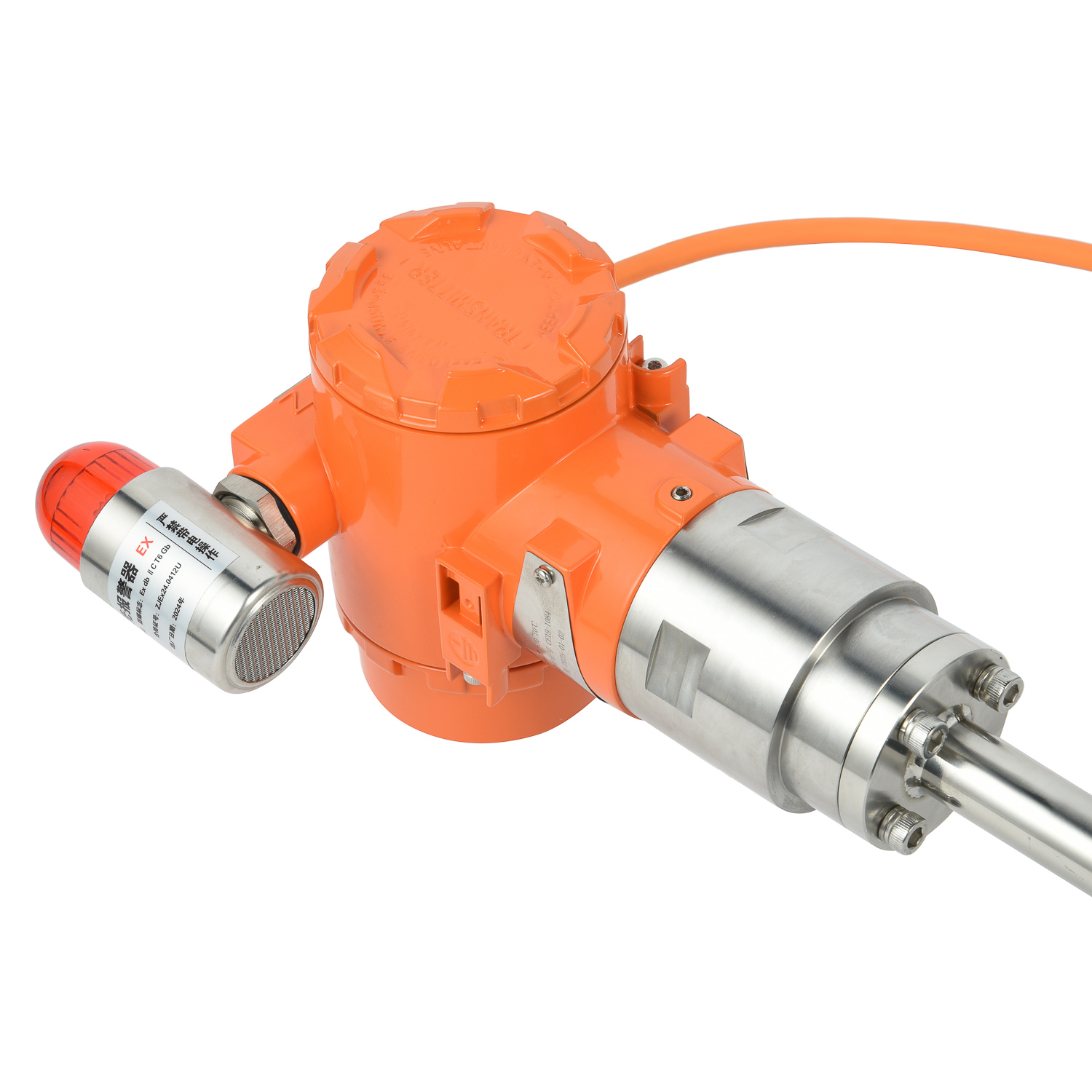
Modern magnetostrictive level transmitters are designed for straightforward integration with existing and new control architectures, supporting both analog and digital communication protocols. These devices typically feature 4-20mA analog outputs alongside HART, Profibus, Foundation Fieldbus, or other digital protocols that enable bidirectional communication for configuration, diagnostics, and advanced functionality. This compatibility eliminates the need for signal converters or special interface equipment, simplifying installation and reducing implementation costs. The digital capabilities allow for remote monitoring, configuration changes without process interruption, and advanced diagnostic functions that predict maintenance needs before they become critical issues.
Cost-Effective Performance Across Diverse Applications
While magnetostrictive technology represents a premium solution, its total cost of ownership frequently proves lower than traditional measurement methods when considering operational benefits. The reduction in calibration requirements, elimination of routine maintenance, and extended service life significantly lower long-term operational expenses. Improved measurement accuracy directly impacts bottom-line performance through reduced product loss, better inventory management, and optimized process efficiency. From chemical processing and petroleum refining to food production and pharmaceutical manufacturing, magnetostrictive sensors deliver measurable return on investment through enhanced operational performance and reduced maintenance costs across diverse industrial applications.
 Graybus Cable Fault
 Field Application of Graybus C
 Model and Specification of Gra
 Import Substitute Graybus Cabl