
ThisMagnetostrictiveLiquidLevelGaugeMistakeCouldCostYouThousands
Are you aware that a single oversight in your magnetostrictive liquid level gauge installation could trigger catastrophic financial consequences? Many industrial operators discover this truth only after experiencing substantial operational losses. These sophisticated measuring devices, while incredibly accurate when properly maintained, harbor hidden vulnerabilities that manifest through improper handling and maintenance neglect.
The Hidden Installation Error 90% of Engineers Miss
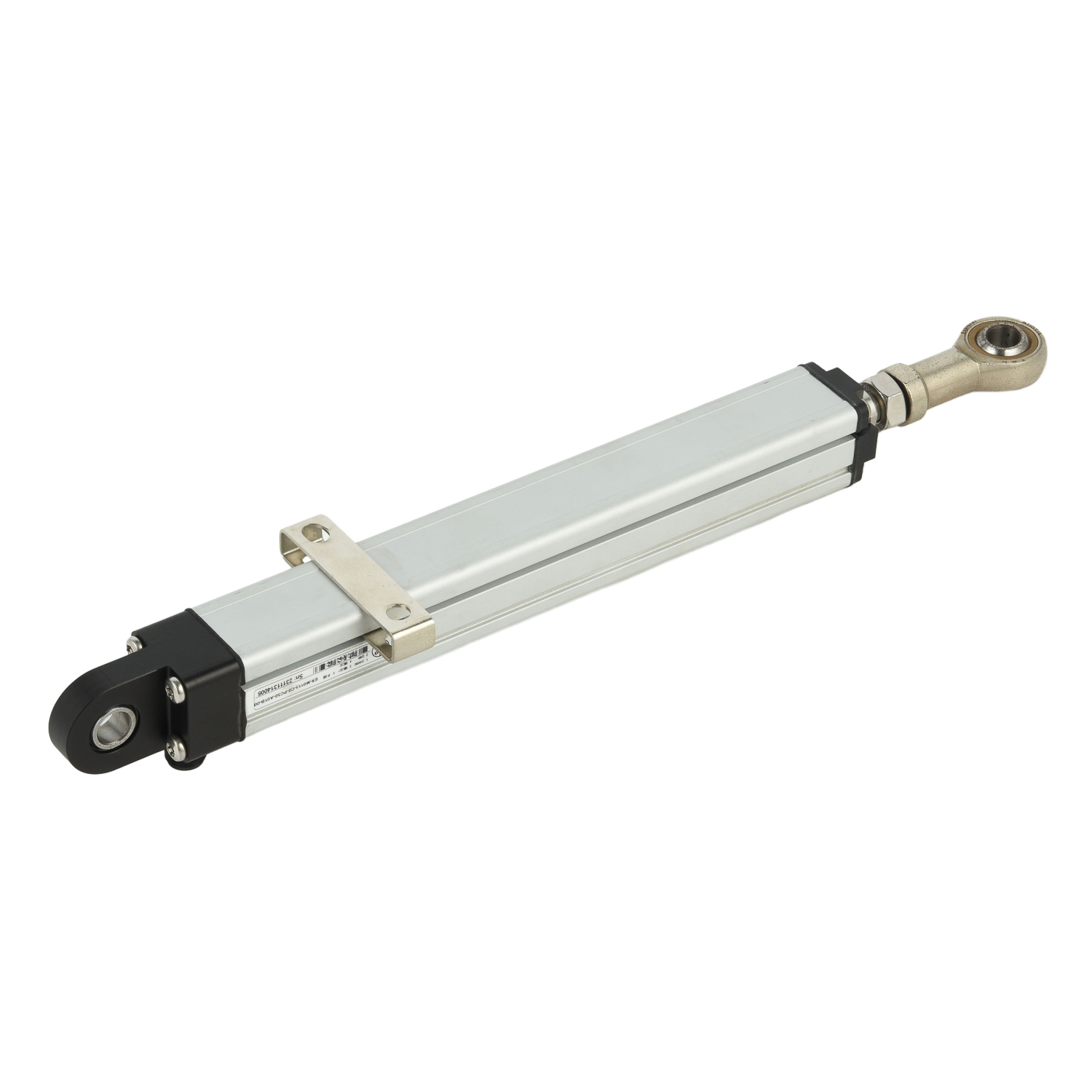
Precision alignment forms the cornerstone of magnetostrictive level gauge functionality. The internal float magnet must maintain perfect parallel orientation with the waveguide throughout its entire travel range. Even minor deviations during installation create binding points that gradually deteriorate measurement accuracy. Most troublingly, these alignment issues rarely surface during initial calibration, instead developing slowly over months of operation until critical measurement errors suddenly emerge.
How Temperature Fluctuations Destroy Your Accuracy
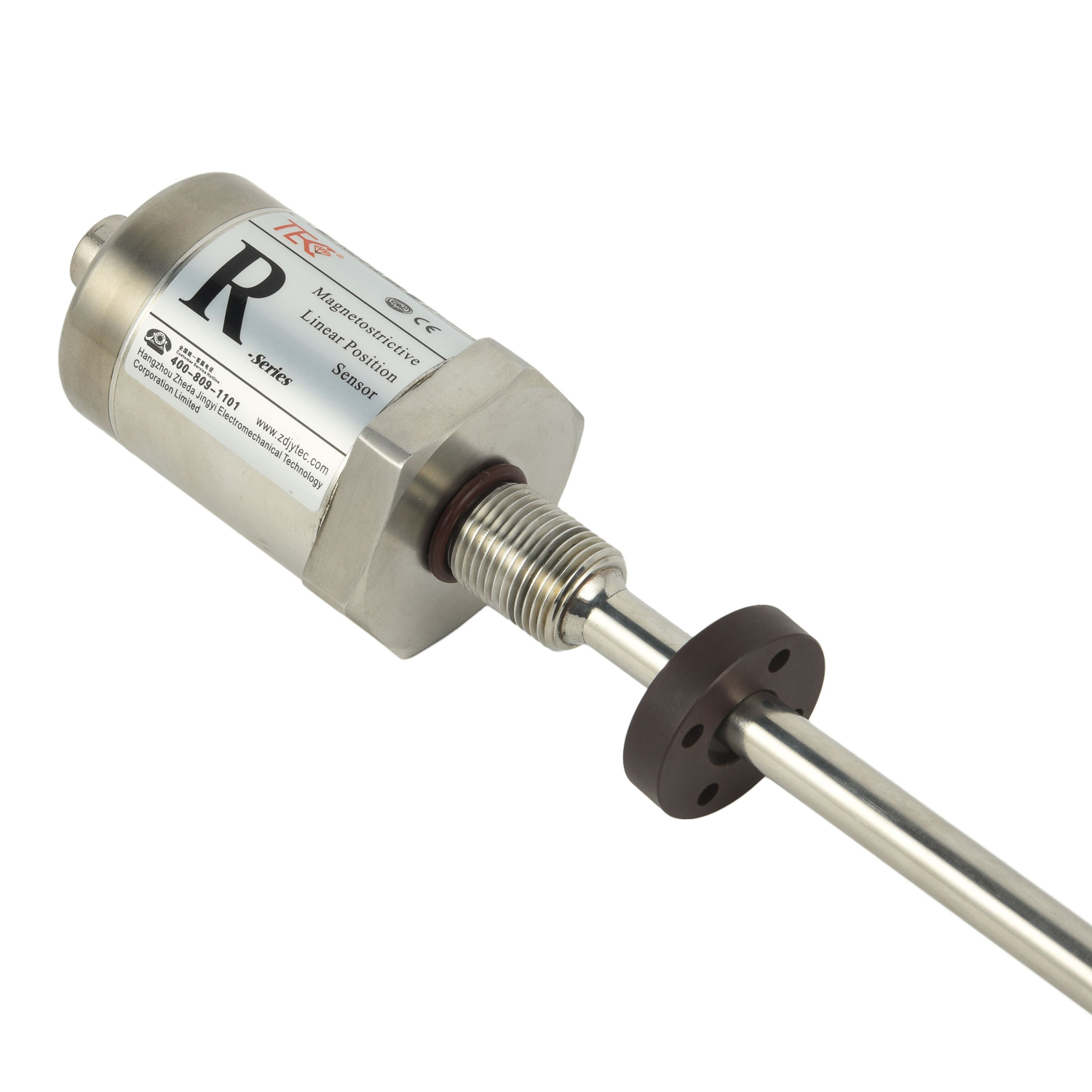
Magnetostrictive technology fundamentally relies on calculating the time difference between current pulses and torsional waves. While manufacturers account for standard thermal expansion, rapid temperature cycling creates waveguide stress that calibration protocols cannot fully compensate. Each thermal shock slightly alters the waveguide's molecular structure, cumulatively distorting the fundamental timing mechanism that determines position readings.
The Maintenance Oversight That Invites Catastrophic Failure
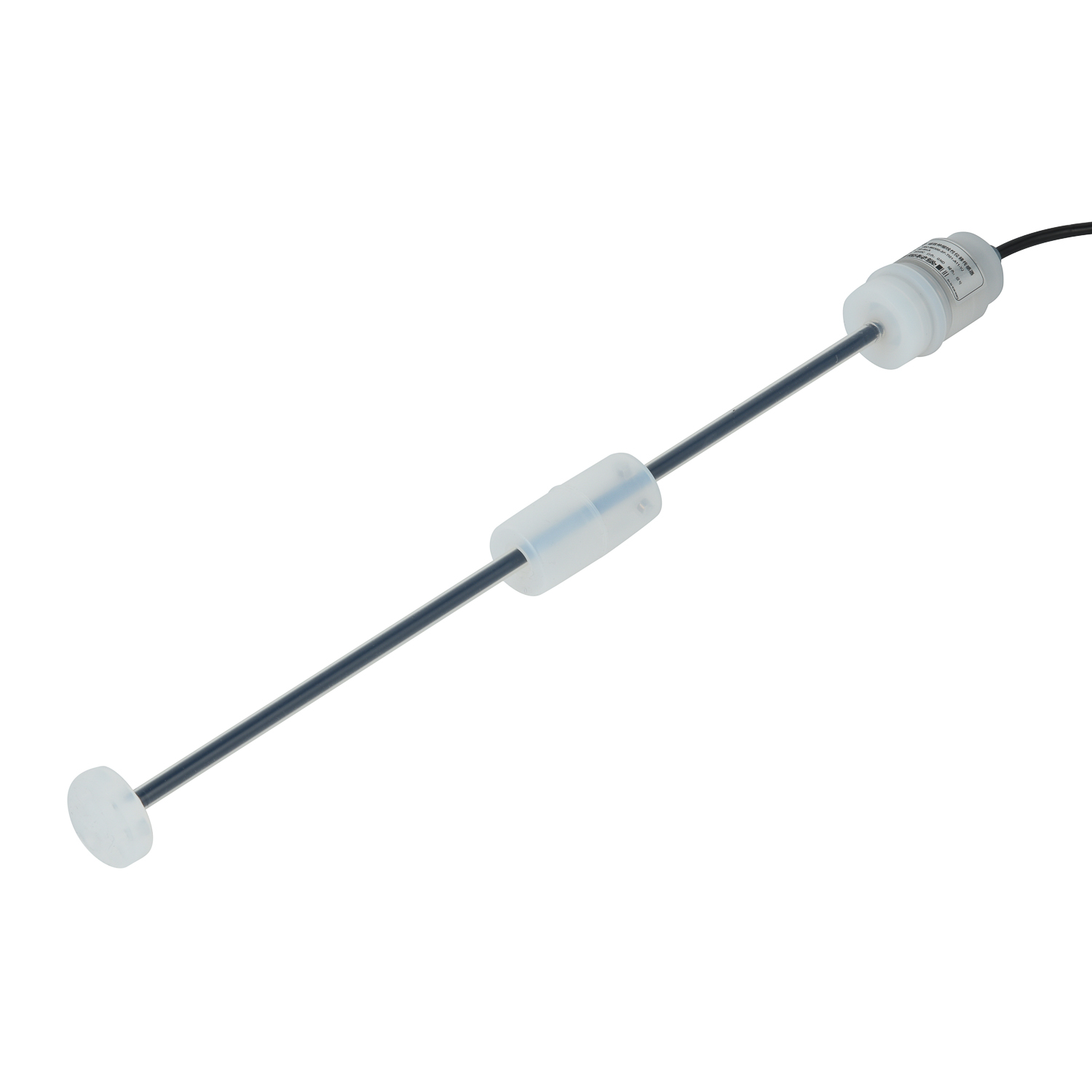
Industry professionals often overlook the critical relationship between fluid contamination and float movement. Particulate accumulation on the float assembly creates drag forces that progressively slow response times. This delayed reaction masks true liquid levels during rapid fill/drain cycles, potentially leading to overfill incidents or pump cavitation damage that costs tens of thousands in equipment replacement and production downtime.
Why Your Calibration Schedule Is Already Outdated
Standard quarterly calibration intervals provide false security for magnetostrictive gauges in dynamic applications. The conventional approach fails to account for usage intensity variations, chemical compatibility factors, and mechanical wear patterns unique to each installation. Implementing performance-based calibration triggered by usage metrics rather than time intervals represents the only reliable method for maintaining precision in demanding industrial environments.
Transforming Your Maintenance Protocol Today
Implementing predictive maintenance strategies specifically designed for magnetostrictive technology can prevent up to 92% of common failure scenarios. Begin with ultrasonic waveguide testing during routine inspections to detect microscopic stress fractures before they compromise accuracy. Combine this with magnetic strength verification of the float assembly and standardized cleaning protocols for float surfaces based on your specific medium characteristics.
The Financial Impact of Proactive Gauge Management
Contrast the substantial investment in comprehensive magnetostrictive gauge maintenance against the staggering costs of unplanned downtime. A single overfill incident in chemical processing can generate cleanup expenses exceeding $50,000, while inaccurate inventory measurements often create six-figure discrepancies in raw material accounting. Implementing robust maintenance protocols typically represents less than 3% of potential loss scenarios, delivering exceptional ROI through risk mitigation.
 Graybus Cable Fault
 Field Application of Graybus C
 Model and Specification of Gra
 Import Substitute Graybus Cabl