
TheForbiddenKnowledgeAboutMagnetostrictiveLiquidLevelGaugesExposed
The Hidden Truth About Measurement Accuracy
While manufacturers often advertise impressive accuracy specifications for magnetostrictive liquid level gauges, the reality is more complex. The stated accuracy of ±0.5mm or ±1mm typically applies only under ideal laboratory conditions with perfectly calibrated systems. In real-world industrial environments, numerous factors degrade this performance. Temperature fluctuations cause the waveguide to expand and contract, introducing measurement errors. Fluid density changes alter buoyancy forces on the float, while mechanical wear on the float itself creates additional inaccuracies. Vibration from nearby equipment can cause signal interference, and electrical noise in industrial settings further compromises reliability. The actual in-service accuracy often falls to ±3mm or worse, depending on application conditions.
What Manufacturers Don't Tell You About Reliability
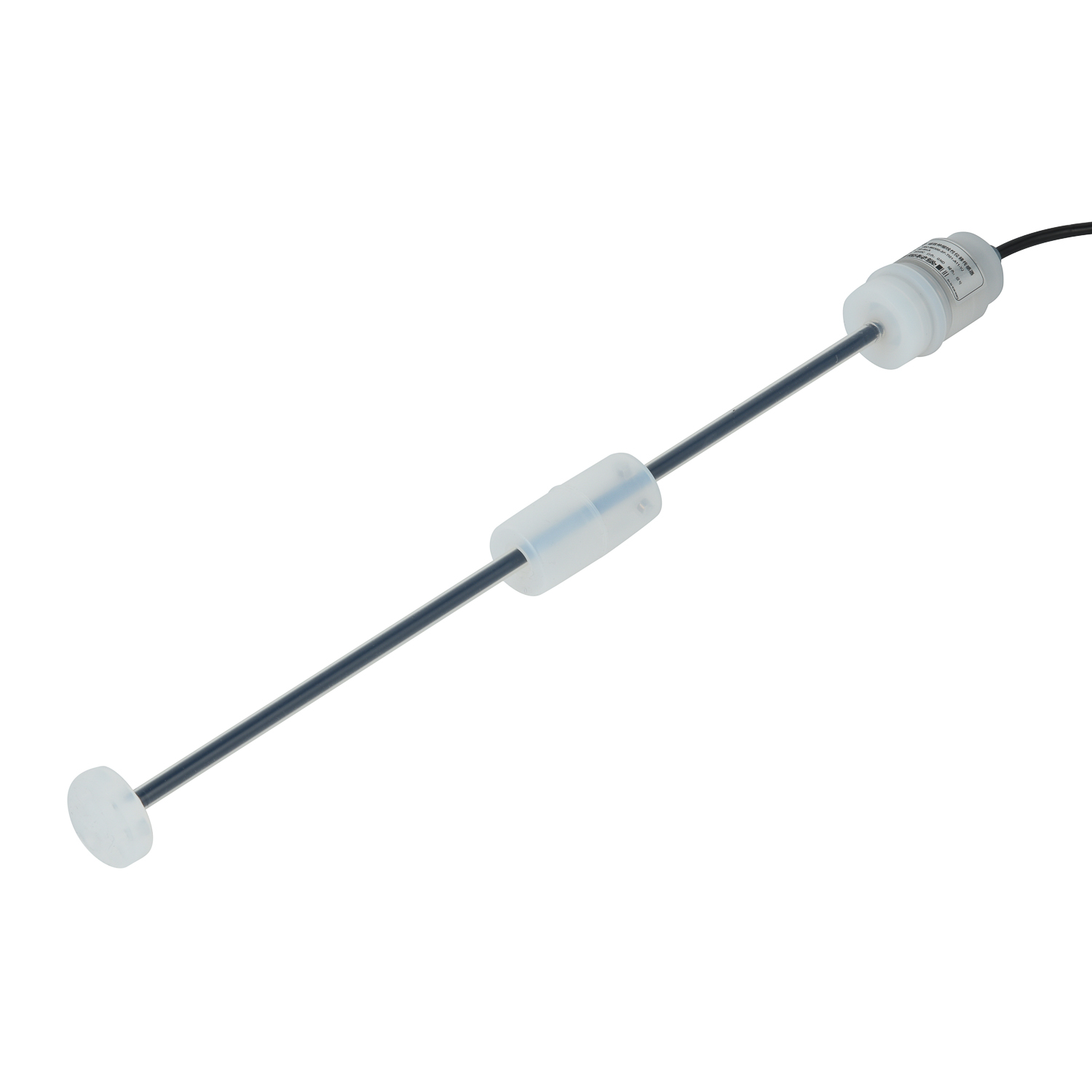
The Achilles' heel of magnetostrictive level gauges lies in their moving parts - specifically the float mechanism that must move freely along the waveguide. In applications with viscous fluids, solids content, or tendency for coating buildup, the float can become stuck, leading to complete measurement failure. The electronic components are also vulnerable to extreme temperatures beyond their specified operating range. Many users discover too late that these devices perform poorly in applications with rapid level changes or significant turbulence, as the float cannot track level movements accurately under dynamic conditions. Furthermore, the initial cost represents just part of the expense - frequent recalibration and potential downtime from float issues create significant hidden costs over the instrument's lifetime.
The Installation Pitfalls Nobody Warns You About
Proper installation of magnetostrictive level gauges requires far more consideration than most suppliers acknowledge. The gauge must be mounted perfectly vertical, as even a slight deviation of 1-2 degrees can introduce substantial measurement errors. In tall tanks, thermal expansion effects must be carefully calculated and compensated for during installation. The location must avoid areas with significant turbulence near inlet nozzles or mixers, which can cause erratic float behavior. Electrical grounding must be impeccable to prevent signal interference, and proper shielding is essential in areas with electromagnetic interference. Many installation failures occur because these critical requirements aren't adequately addressed during planning and implementation.
Maintenance Secrets That Extend Service Life
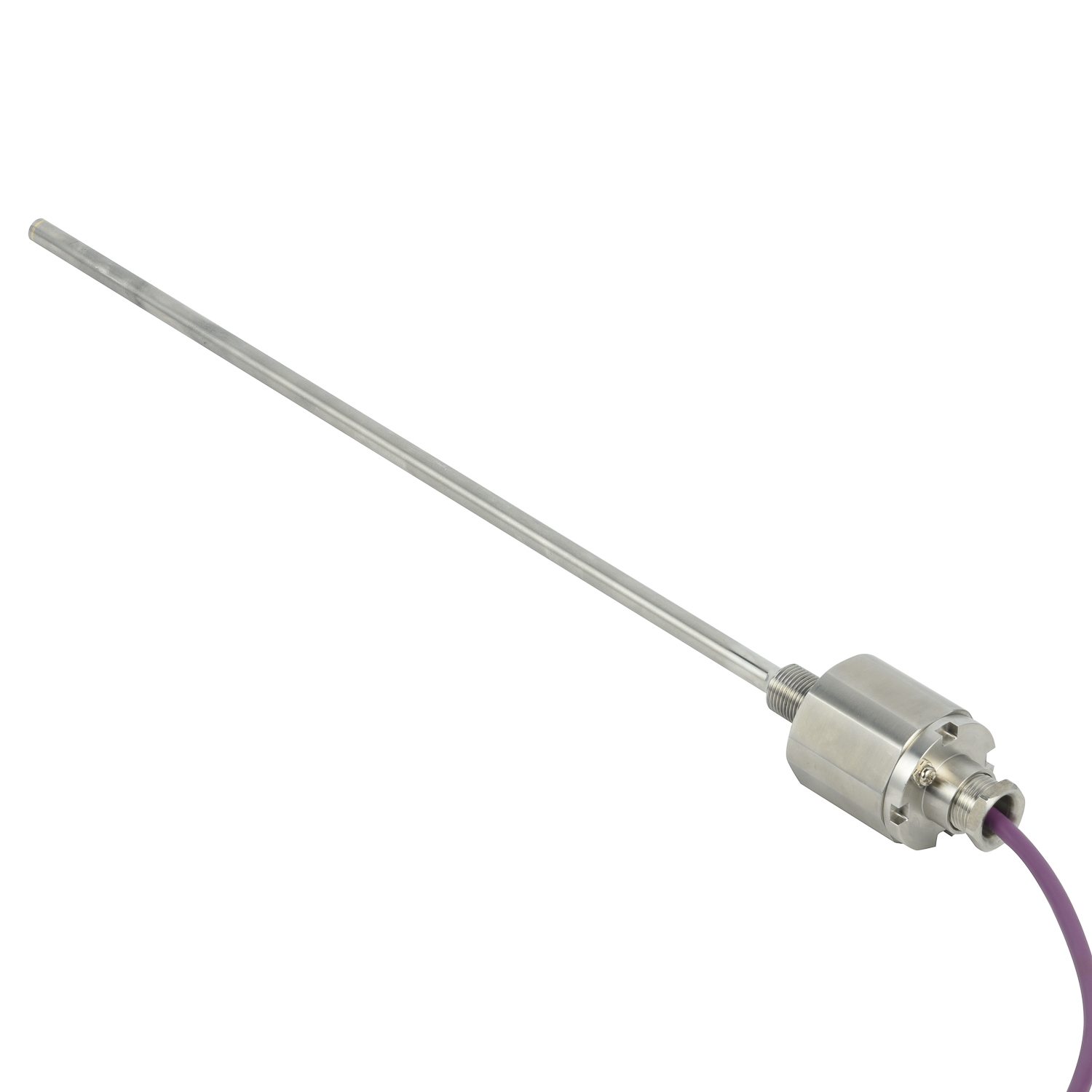
Proactive maintenance dramatically extends magnetostrictive gauge lifespan, yet comprehensive maintenance protocols are rarely provided. Regular float inspection is crucial - checking for erosion, corrosion, or coating buildup that affects performance. The waveguide requires periodic cleaning to remove accumulated contaminants that interfere with the magnetic pulse detection. Electronic components need verification of proper signal strength and noise levels at least quarterly. Smart diagnostic features available in advanced models can predict impending failures by tracking changes in signal characteristics over time. Establishing a calibration schedule that accounts for application severity prevents gradual accuracy drift. Proper documentation of maintenance activities creates valuable historical data for troubleshooting and life-cycle planning.
When Magnetostrictive Technology Isn't the Right Choice
Despite their popularity, magnetostrictive level gauges are unsuitable for many applications. In processes involving high viscosity fluids, slurries, or materials that coat surfaces, alternative technologies provide better performance. Applications with extreme temperature variations exceeding the gauge's compensation capabilities warrant different solutions. Environments with strong vibration or electrical interference often prove challenging for reliable magnetostrictive operation. For safety-critical applications where failure could have severe consequences, the mechanical float represents an unacceptable single point of failure. Understanding these limitations prevents costly misapplications and guides selection toward more appropriate technologies like radar, guided wave radar, or servo gauges for specific challenging conditions.
Selecting the Right Alternative Technologies
When magnetostrictive technology isn't optimal, several alternatives offer superior performance for specific applications. Radar level transmitters excel in applications with temperature extremes, vapor spaces, and coating tendencies. Guided wave radar provides excellent performance in low dielectric fluids and turbulent conditions where non-contact radar struggles. Servo gauges deliver exceptional accuracy for custody transfer applications despite their higher mechanical complexity. Ultrasonic sensors offer cost-effective solutions for non-contact measurement where temperature and vapor conditions permit. Each technology carries distinct advantages and limitations that must be evaluated against specific process conditions, accuracy requirements, and reliability expectations to ensure optimal selection.
 Graybus Cable Fault
 Field Application of Graybus C
 Model and Specification of Gra
 Import Substitute Graybus Cabl