
How to implement multi-level synchronization with magnetostrictive technology?
Multi-level synchronization represents a critical advancement in industrial automation systems, enabling precise coordination between multiple moving components. Magnetostrictive technology serves as the foundation for this synchronization, offering unparalleled accuracy in position sensing and control. This comprehensive guide explores the implementation process while highlighting the unique advantages of magnetostrictive solutions.
Understanding Magnetostrictive Position Sensing Technology
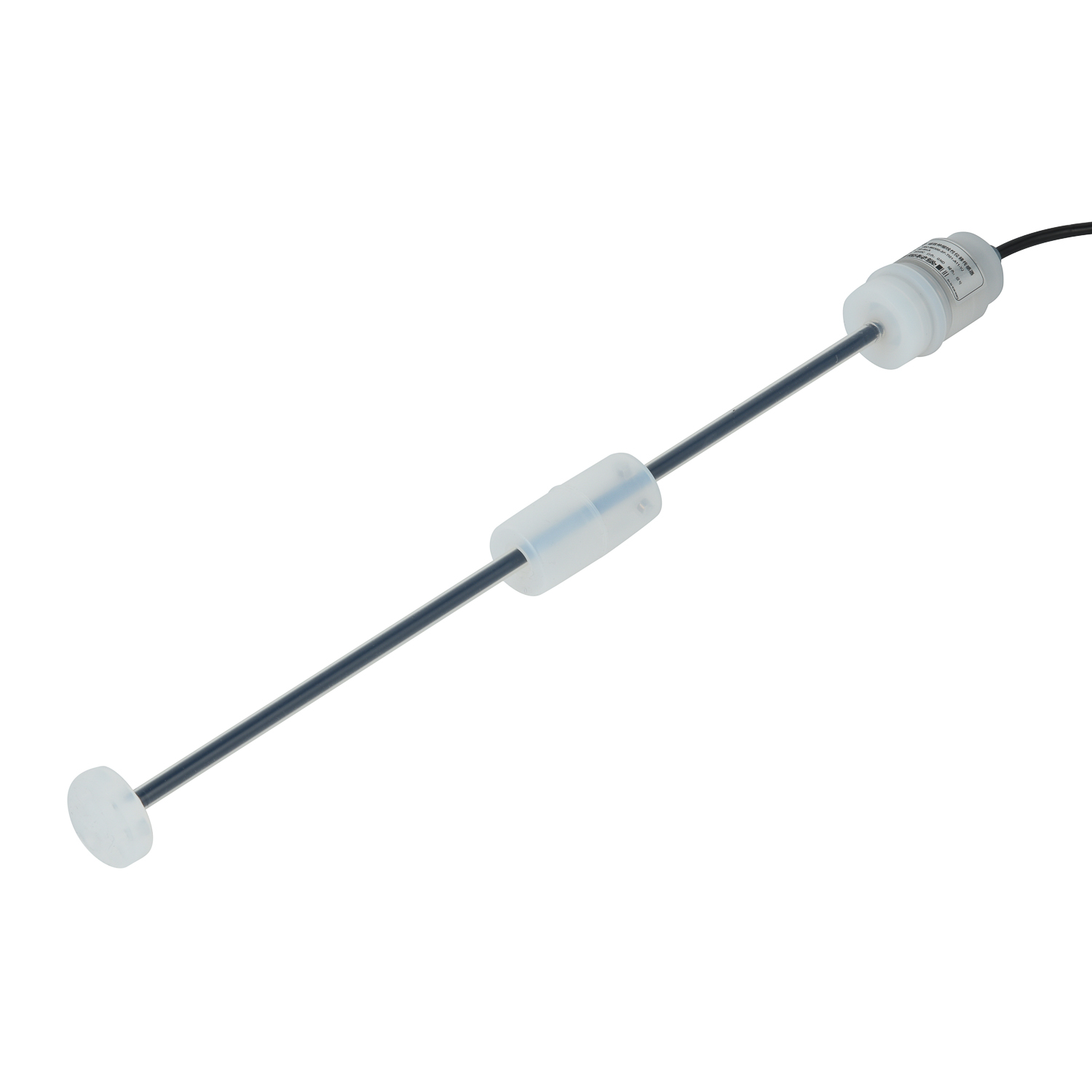
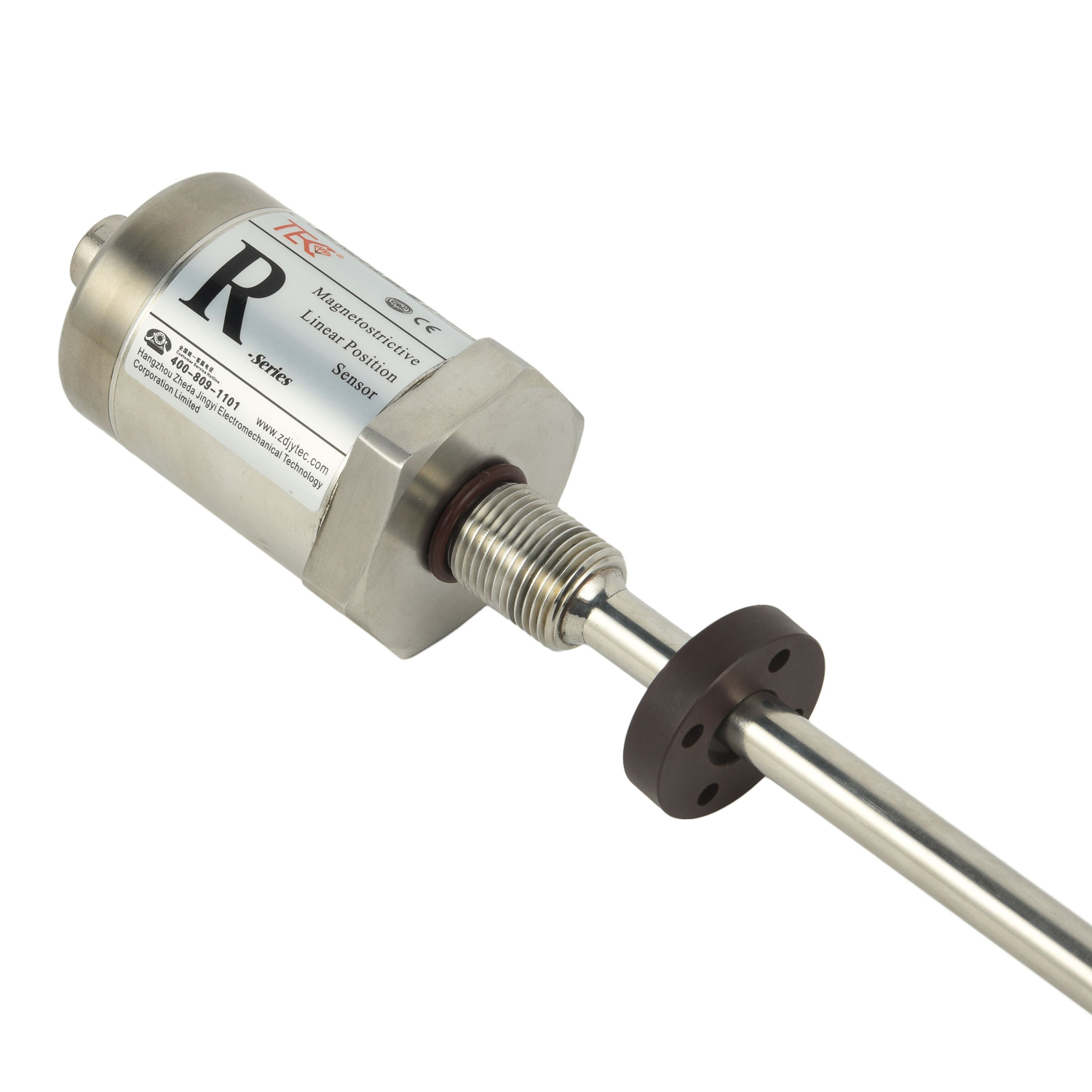
Magnetostrictive position sensors operate based on the magnetostrictive effect, where ferromagnetic materials change their shape when exposed to magnetic fields. The technology utilizes a waveguide made of magnetostrictive material and a movable permanent magnet positioned along the measurement length. When a current pulse interacts with the magnetic field from the position magnet, it generates a torsional strain wave that travels along the waveguide at ultrasonic speed. The system precisely measures the time interval between pulse transmission and wave detection to determine exact magnet positions with micron-level accuracy. This fundamental principle enables reliable non-contact position measurement even in harsh industrial environments.
System Architecture Design for Multi-Level Synchronization
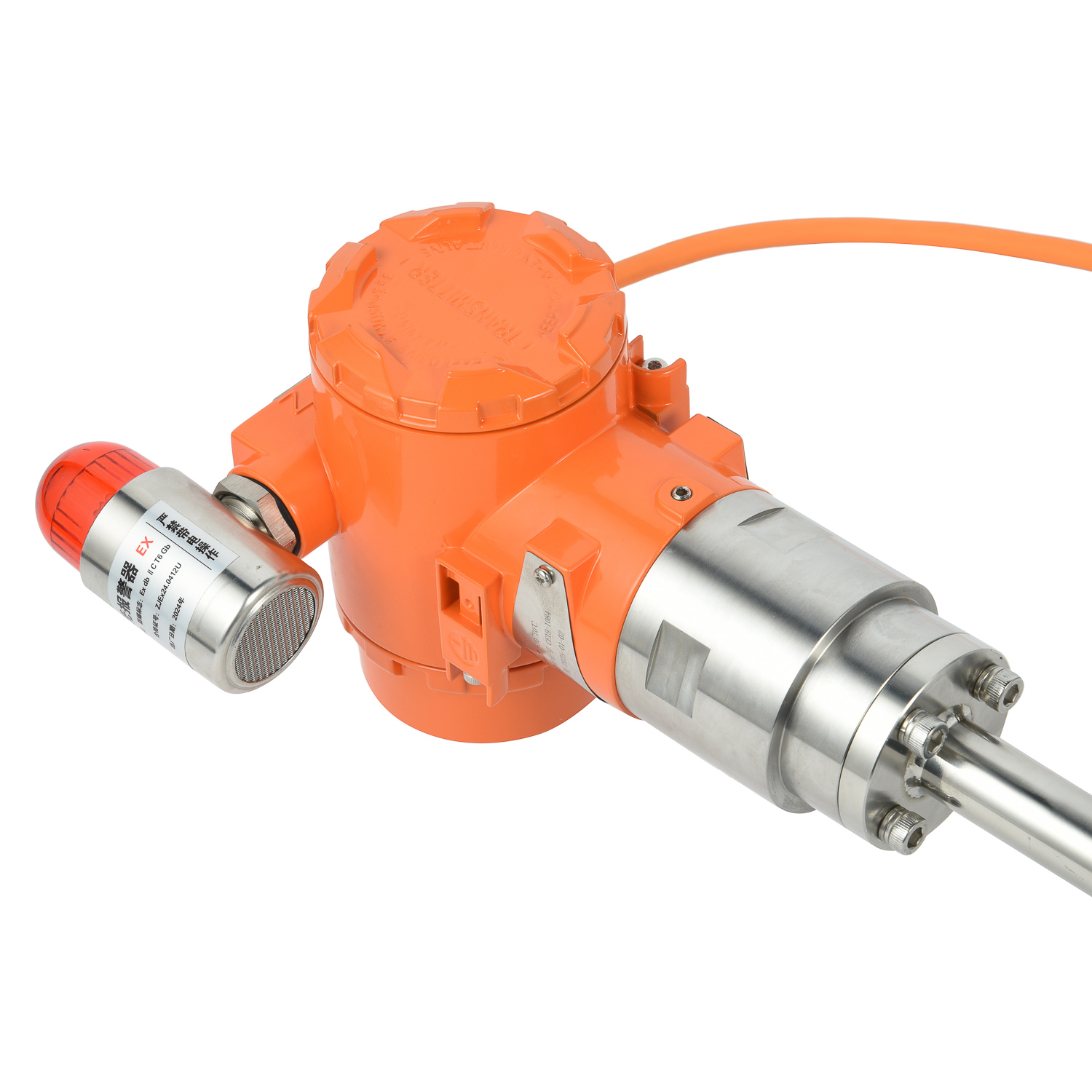
Designing an effective multi-level synchronization system requires careful consideration of both hardware and software components. The architecture typically includes multiple magnetostrictive position sensors strategically placed at different machine levels, connected to a central processing unit through industrial-grade communication protocols. Each sensor continuously monitors the position of its assigned actuator or moving component, transmitting real-time data to the master controller. The system architecture must incorporate redundancy measures and fault-tolerant design principles to ensure operational reliability. Proper signal conditioning and noise immunity features are essential components, particularly in electrically noisy industrial settings where electromagnetic interference can compromise measurement accuracy.

Integration Methods and Communication Protocols
Successful implementation depends on selecting appropriate integration methods and communication protocols that match your specific application requirements. Common industrial networks like PROFIBUS, EtherCAT, or EtherNet/IP provide the necessary bandwidth and determinism for multi-level synchronization tasks. The integration process involves configuring each magnetostrictive sensor with unique network identifiers and establishing precise timing synchronization across all connected devices. Advanced systems employ distributed clock mechanisms to minimize communication latency and ensure simultaneous position data acquisition from all levels. Implementation should include comprehensive testing protocols to verify synchronization accuracy under various operating conditions and load scenarios.
Calibration and Optimization Techniques
Proper calibration forms the cornerstone of effective multi-level synchronization implementation. The calibration process begins with establishing reference points for each magnetostrictive sensor and verifying measurement consistency across the entire operating range. System optimization involves fine-tuning control parameters to minimize response time while maintaining stability. Advanced optimization techniques include implementing adaptive control algorithms that automatically adjust synchronization parameters based on operating conditions and load variations. Regular maintenance calibration ensures long-term accuracy, compensating for potential mechanical wear or environmental factors that might affect synchronization performance over time.
Troubleshooting Common Implementation Challenges
Even with careful planning, implementation teams may encounter specific challenges that require systematic troubleshooting approaches. Common issues include signal interference between adjacent sensors, mechanical alignment inaccuracies, and communication timing discrepancies. Effective troubleshooting begins with isolating problematic system components and verifying individual sensor performance before examining interaction effects. Implementation best practices recommend establishing comprehensive documentation procedures that record calibration data, configuration settings, and performance metrics for future reference. Proactive monitoring systems can detect emerging synchronization issues before they impact production quality, allowing for preventive maintenance and system adjustments.
 Graybus Cable Fault
 Field Application of Graybus C
 Model and Specification of Gra
 Import Substitute Graybus Cabl