
How do magnetostrictive gauges outperform guided wave radar systems?
When selecting level measurement technology for industrial applications, engineers increasingly recognize magnetostrictive gauges as the premium choice over guided wave radar systems. While both technologies serve similar purposes, fundamental differences in their operating principles and performance characteristics make magnetostrictive technology particularly advantageous in demanding process environments.
Unmatched Measurement Precision
Magnetostrictive level gauges deliver exceptional accuracy that consistently surpasses guided wave radar capabilities. Utilizing magnetostrictive principles with a floating magnet, these systems achieve remarkable precision levels, typically within ±0.5% of full scale. This superior accuracy stems from the direct measurement approach where the position of the permanent magnet mounted on the float is precisely detected through the magnetostrictive effect. Unlike guided wave radar, which relies on microwave signals and dielectric constants, magnetostrictive technology remains unaffected by changes in media properties, ensuring reliable readings across varying process conditions.
Superior Reliability in Challenging Conditions
The robust design of magnetostrictive gauges provides outstanding performance where guided wave radar systems often struggle. These gauges maintain operational integrity in applications involving foam, vapor, turbulence, and low dielectric constants – conditions that frequently compromise guided wave radar accuracy. The straightforward mechanical operation combined with advanced electronics creates a system less susceptible to environmental interference. This reliability translates to reduced maintenance requirements and fewer false readings, ultimately enhancing process safety and efficiency.
Enhanced Process Integration Capabilities

Magnetostrictive technology offers superior flexibility for comprehensive process monitoring beyond basic level measurement. Modern magnetostrictive transmitters can simultaneously track level, temperature, and interface between two liquids – capabilities that guided wave radar systems typically cannot match in a single instrument. This multi-parameter measurement capacity eliminates the need for additional sensors, simplifying system architecture while providing richer process data. The technology's compatibility with various float materials and process connections further enhances its adaptability to specific application requirements.
Optimized Performance Across Diverse Media
Unlike guided wave radar systems that depend on consistent dielectric constants, magnetostrictive gauges perform exceptionally well with both conductive and non-conductive liquids. This media independence makes them ideal for applications involving hydrocarbons, chemicals, water, and interface detection. The technology's immunity to changes in density, viscosity, and conductivity ensures stable operation where guided wave radar might require frequent recalibration. This consistent performance across diverse media types significantly reduces commissioning time and ongoing maintenance efforts.
Cost-Efficiency Through Reduced Maintenance
The long-term operational advantages of magnetostrictive gauges create substantial cost savings compared to guided wave radar alternatives. With no moving mechanical parts in contact with the electronics and minimal calibration requirements, magnetostrictive systems demonstrate exceptional longevity with minimal maintenance interventions. The technology's inherent stability means fewer process interruptions for recalibration or troubleshooting, maximizing production uptime. Additionally, the simplified installation process and reduced need for configuration adjustments contribute to lower total cost of ownership throughout the instrument lifecycle.
Future-Ready Technology Platform
Magnetostrictive gauge technology continues evolving with advanced diagnostics and communication capabilities that enhance its competitive position against guided wave radar. Modern implementations feature sophisticated self-monitoring functions, detailed diagnostic information, and seamless integration with digital communication protocols. These developments position magnetostrictive technology as a forward-looking solution capable of meeting increasingly demanding industrial requirements for smart instrumentation and Industry 4.0 implementations, ensuring long-term relevance in evolving process automation landscapes.
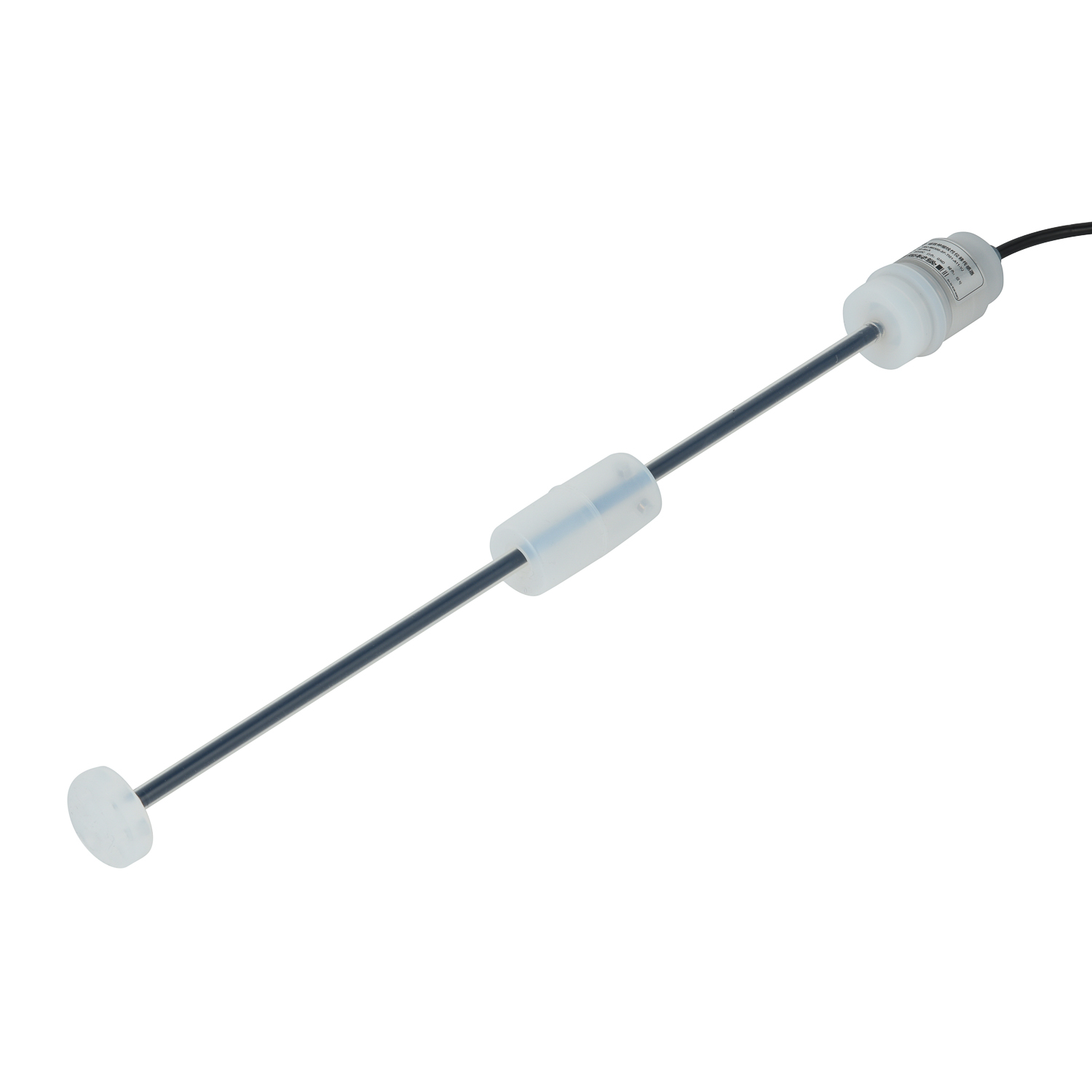 Graybus Cable Fault
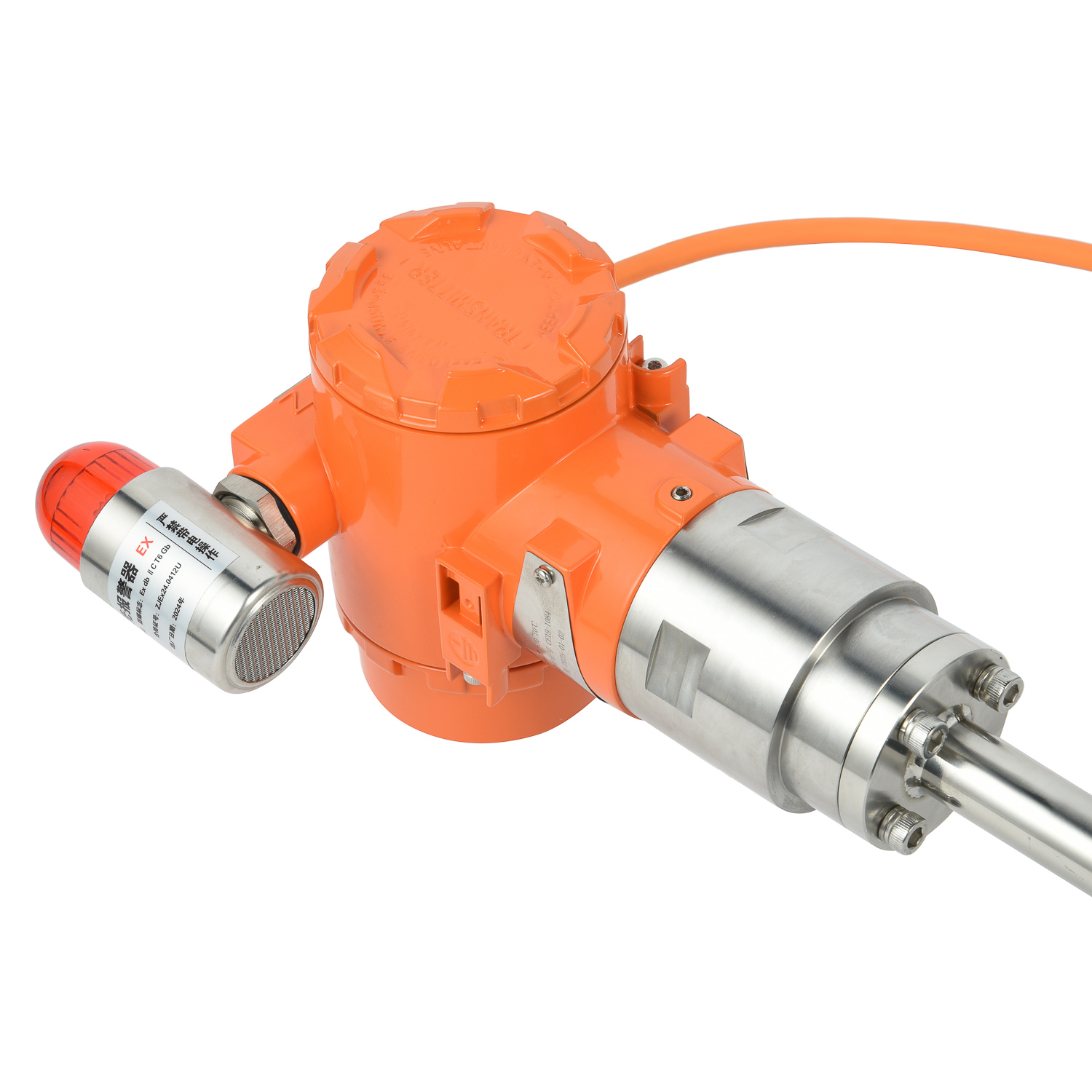 Field Application of Graybus C
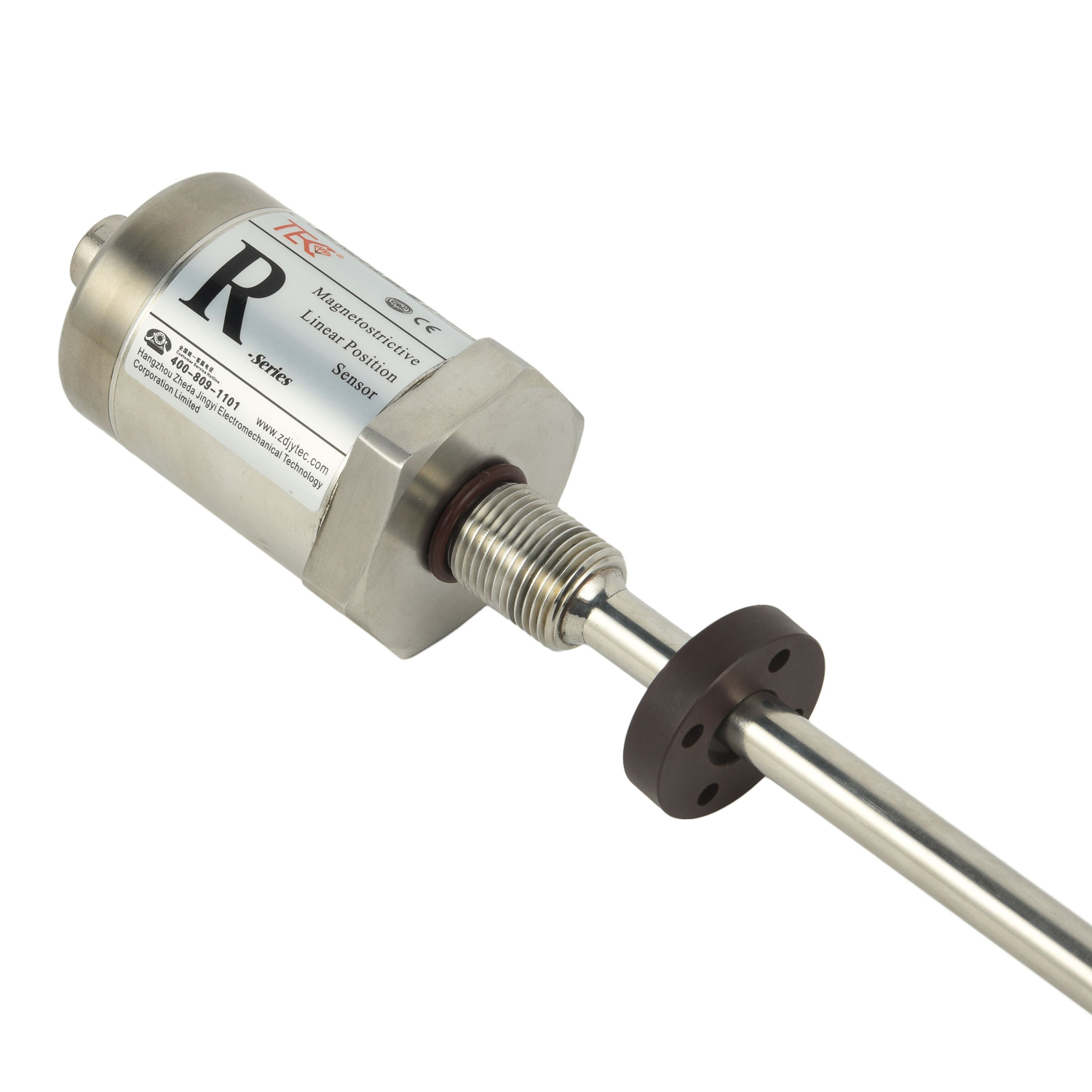 Model and Specification of Gra
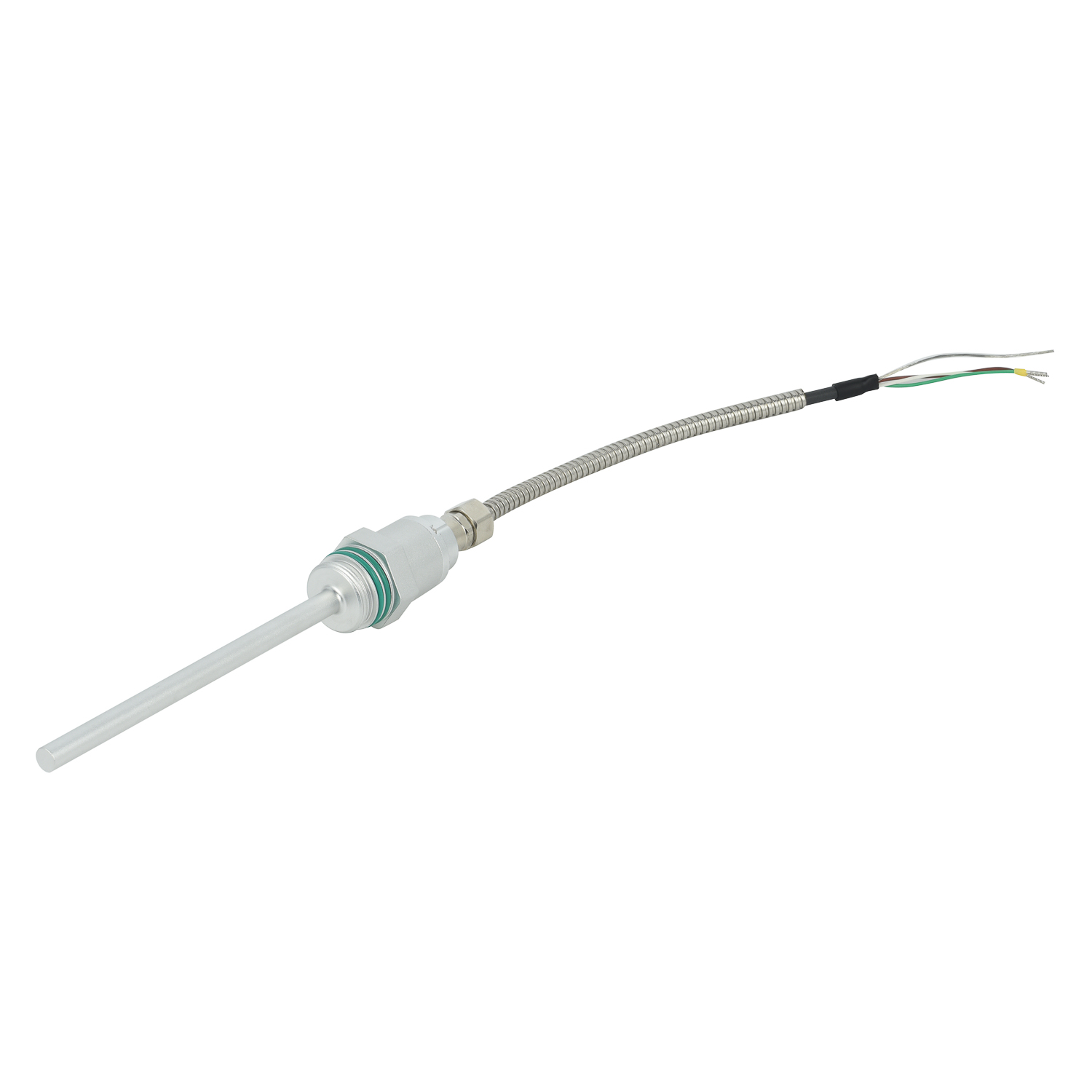 Import Substitute Graybus Cabl