
What quick-installation options exist for magnetostrictive level gauges?
When it comes to monitoring liquid levels in industrial tanks and process vessels, speed and reliability of installation are paramount. Magnetostrictive level gauges offer exceptional accuracy and durability, but their installation methods can significantly impact project timelines and operational efficiency. Understanding the available quick-installation options ensures you can maintain production schedules while achieving precise level measurement capabilities. These installation solutions cater to various tank configurations and process requirements, providing flexibility for both new installations and retrofit projects.
Top-Entry Installation Methods
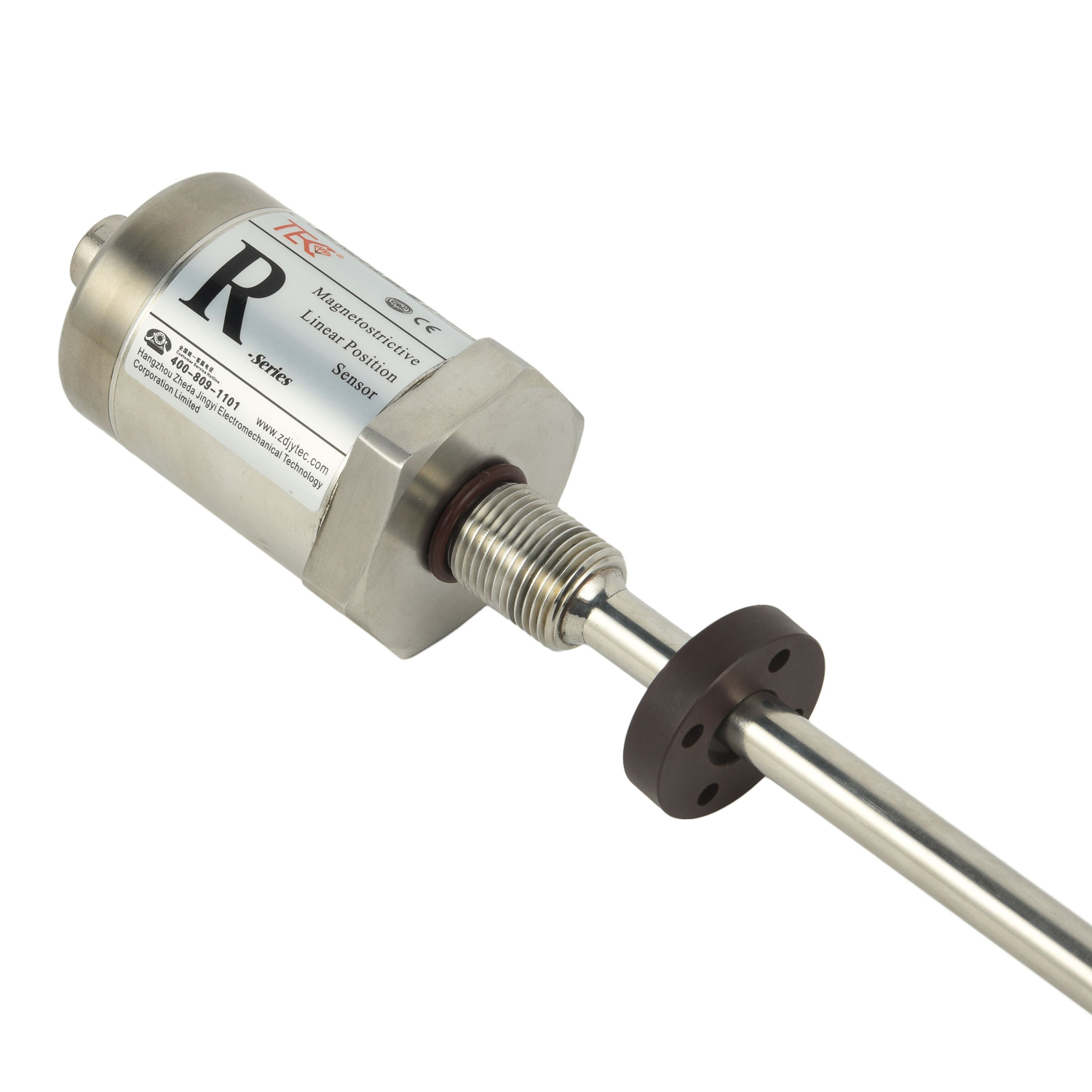
Top-entry installation represents the most common and straightforward method for deploying magnetostrictive level gauges. This approach involves mounting the gauge through the tank's top opening, typically using threaded or flange connections. The primary advantage of top-mounted configurations lies in their simplicity - technicians can complete the installation without entering the vessel or draining its contents in many cases. Most manufacturers provide standardized mounting kits that include appropriate seals and gaskets for pressure-tight connections. For pressurized tanks, quick-connect flanges with pre-installed gaskets significantly reduce installation time while ensuring leak-proof performance. The probe assembly slides directly into the vessel, with the electronics housing remaining accessible for maintenance and calibration.
Side-Mounted Configurations
In scenarios where top access is limited or unavailable, side-mounted magnetostrictive gauges present an effective alternative. These installations utilize tank nozzles on the side of the vessel, employing specialized mounting arrangements that maintain measurement accuracy. Side-mounted units often incorporate guide tubes or stilling wells to protect the probe and ensure stable operation in turbulent media. The installation process typically involves welding or bolting a mounting chamber to the tank nozzle, then inserting the probe assembly through this chamber. Modern side-mount designs feature split-range configurations that allow for easy probe removal without process shutdown. This approach proves particularly valuable in applications involving large storage tanks or reactors where top access presents safety concerns or physical constraints.
Flange-Mounted Solutions
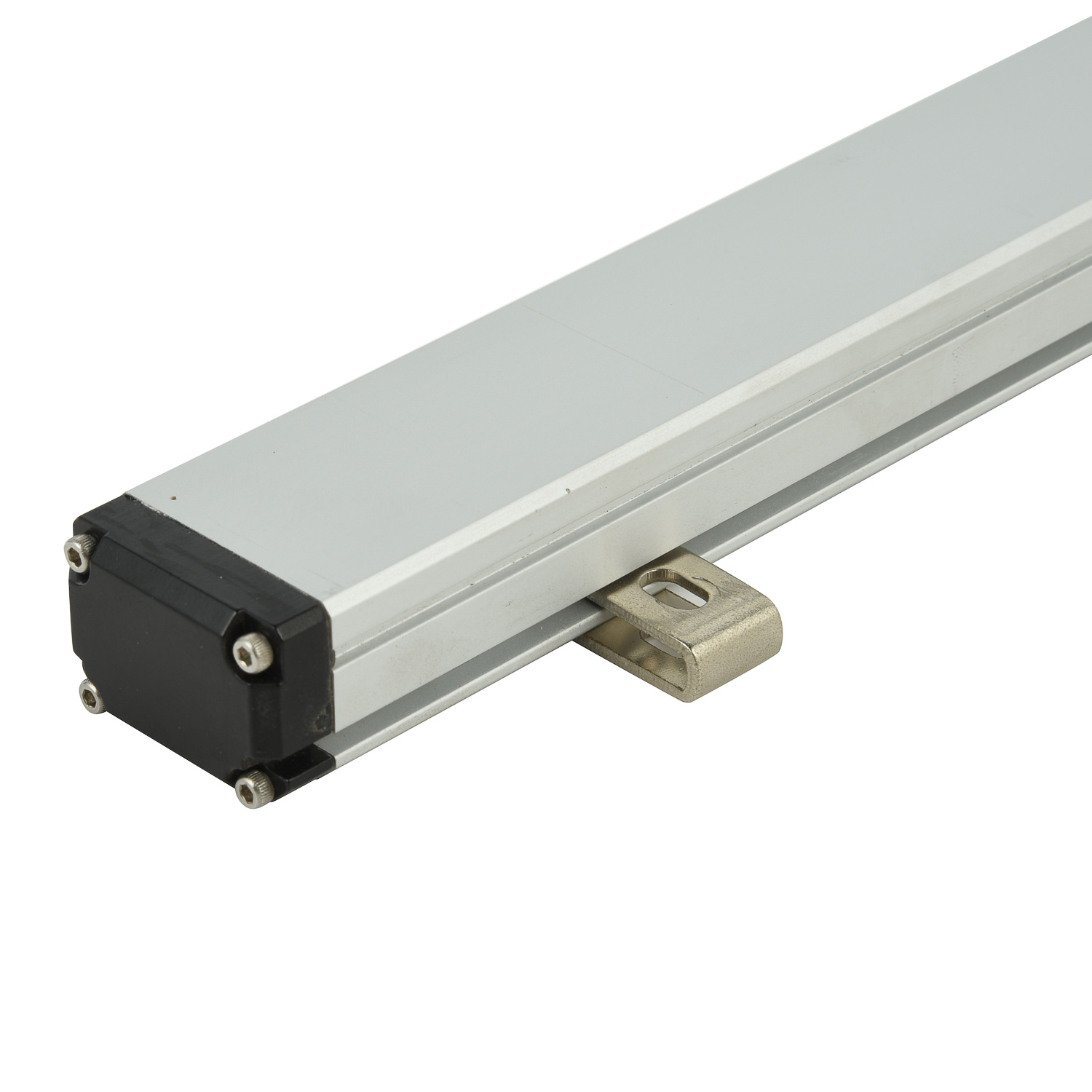
Flange-mounted magnetostrictive level gauges deliver the ultimate in installation speed and reliability for demanding process conditions. These units come pre-assembled with industry-standard flanges (ANSI, DIN, or JIS) that match common tank connections. The installation simply involves bolting the flange between the tank nozzle and matching process connection, dramatically reducing field labor time. High-performance gaskets and proper bolt torque ensure immediate leak-free operation. Flange-mounted gauges excel in high-pressure and high-temperature applications where connection integrity is critical. Many manufacturers offer custom flange options to match existing tank configurations, making them ideal for retrofit projects where modification to tank structures isn't feasible. The robust construction of flange-mounted units provides additional protection against process vibrations and thermal cycling.
Retrofit Installation Kits
For facilities upgrading from older level measurement technologies, retrofit installation kits provide a streamlined path to magnetostrictive accuracy. These comprehensive kits include all necessary components - mounting adapters, signal converters, and connection cables - specifically designed to fit existing installations. The kits accommodate common legacy mounting arrangements, allowing direct replacement of mechanical floats, displacers, or other level sensors without tank modification. Specialized retrofit collars and adapters enable quick transition from outdated mounting patterns to modern magnetostrictive technology. This approach minimizes installation downtime while delivering immediate improvements in measurement accuracy and reliability. Many kits include template-matched mounting hardware that eliminates the need for custom fabrication or welding operations.
Commissioning and Calibration
The final phase of quick installation involves commissioning and calibration, where modern magnetostrictive gauges demonstrate significant advantages. Most contemporary units feature automatic configuration and calibration routines that verify proper installation and measurement accuracy. Digital interfaces allow technicians to complete commissioning remotely using handheld configurators or plant control systems. The non-contact measurement principle of magnetostrictive technology means calibration typically involves simple verification rather than complex adjustments. Quick-connect electrical connections and standardized wiring schemes further accelerate the commissioning process. Many advanced models include self-diagnostic capabilities that automatically verify installation integrity and signal quality, ensuring reliable operation from the moment they're brought online.
 Graybus Cable Fault
 Field Application of Graybus C
 Model and Specification of Gra
 Import Substitute Graybus Cabl