
What's the application of magnetostrictive technology in smart honey tank control?
In the evolving landscape of agricultural technology, magnetostrictive technology has emerged as a game-changer for smart honey tank control systems. This innovative approach leverages the principles of magnetostriction to deliver unparalleled accuracy and reliability in monitoring liquid levels, transforming how beekeepers and honey processors manage their precious resources. By integrating this advanced sensing method, stakeholders can achieve precise, real-time data that enhances operational efficiency and product quality.
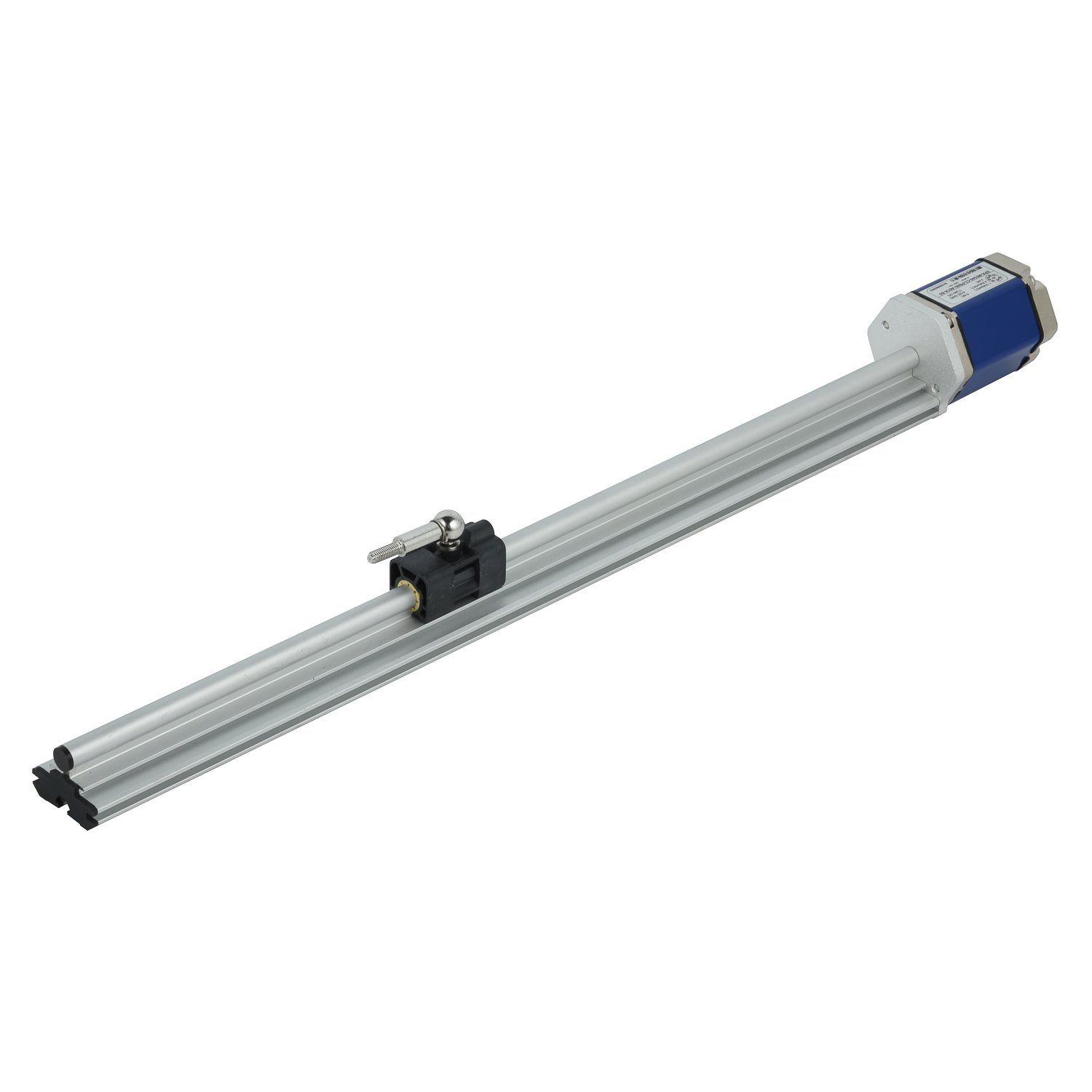
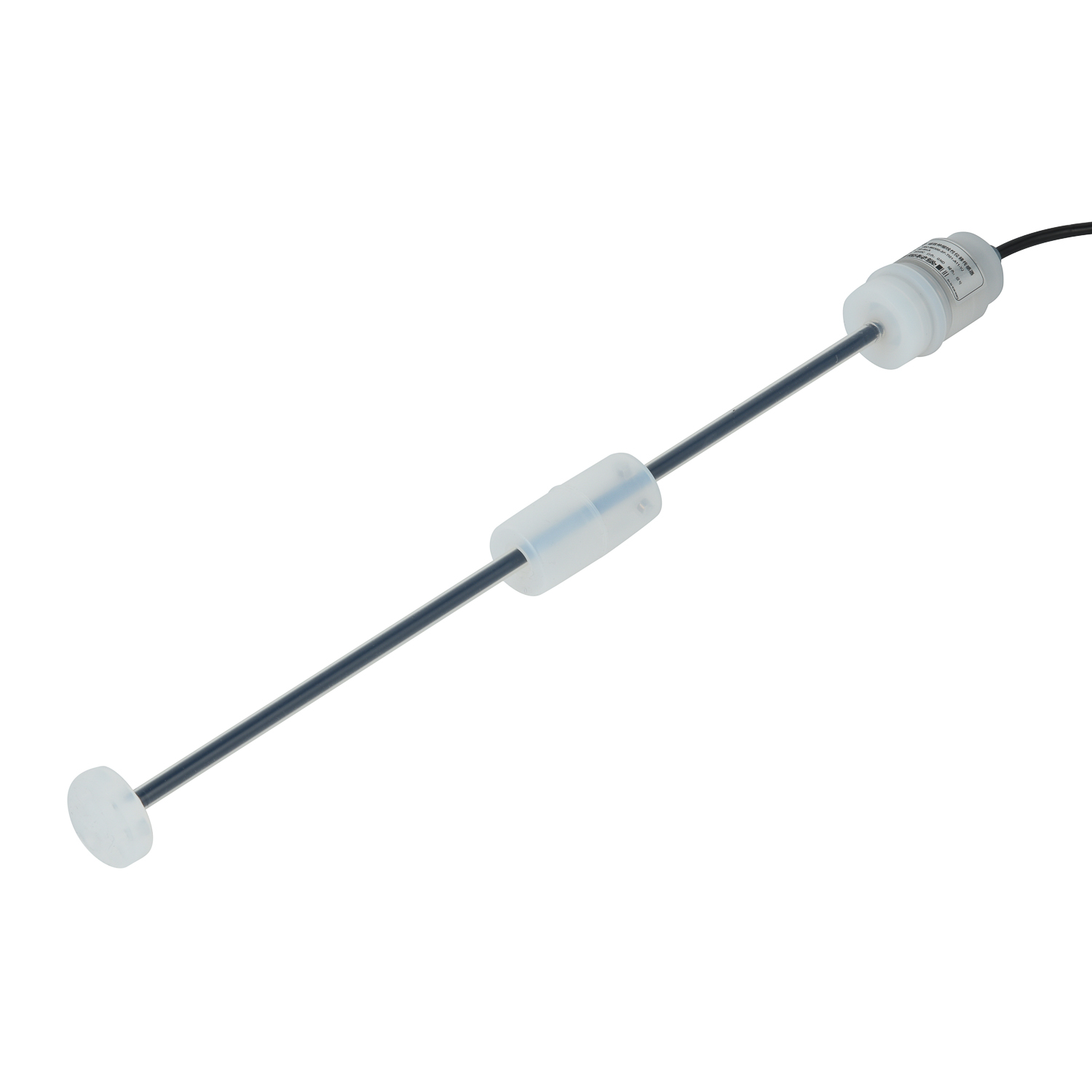
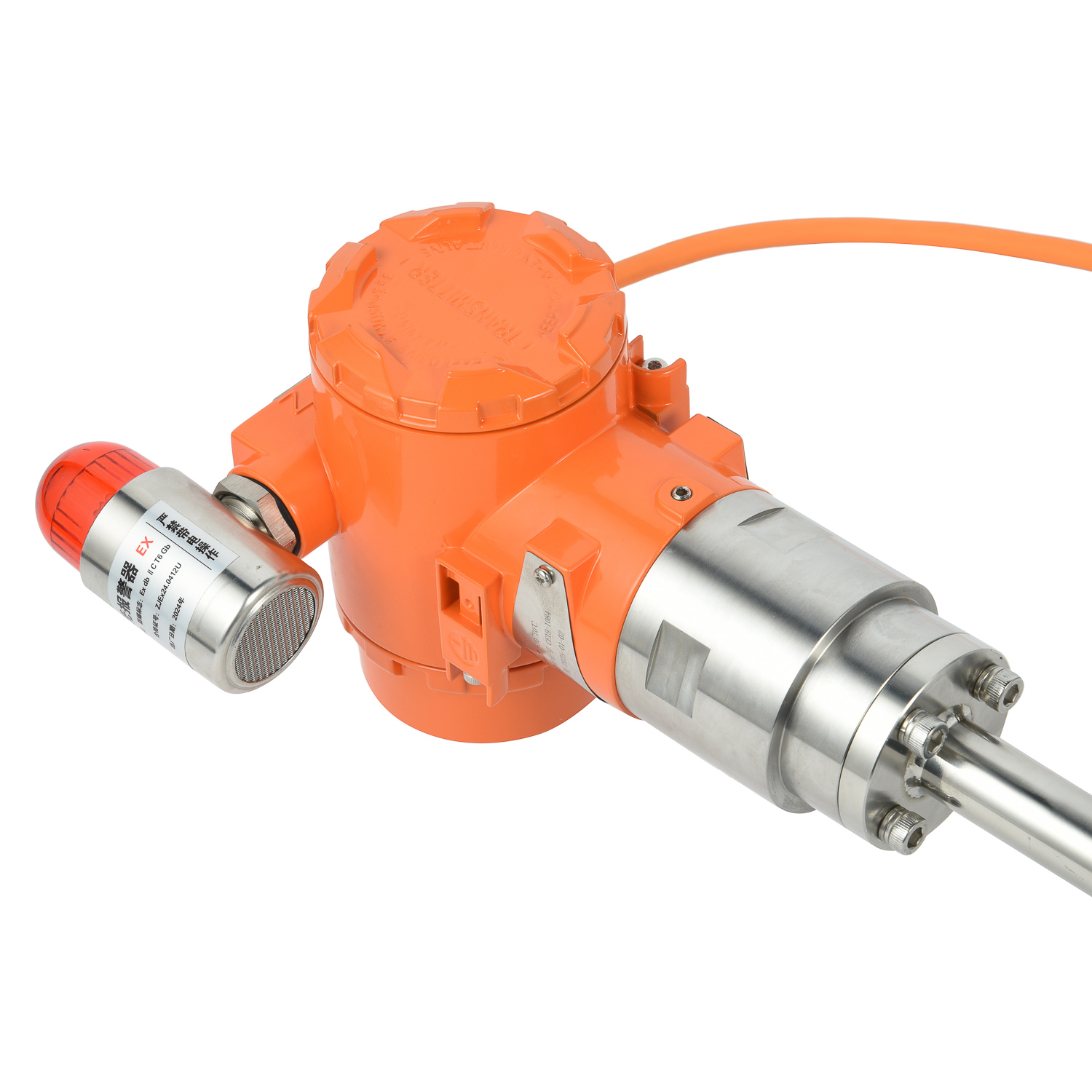
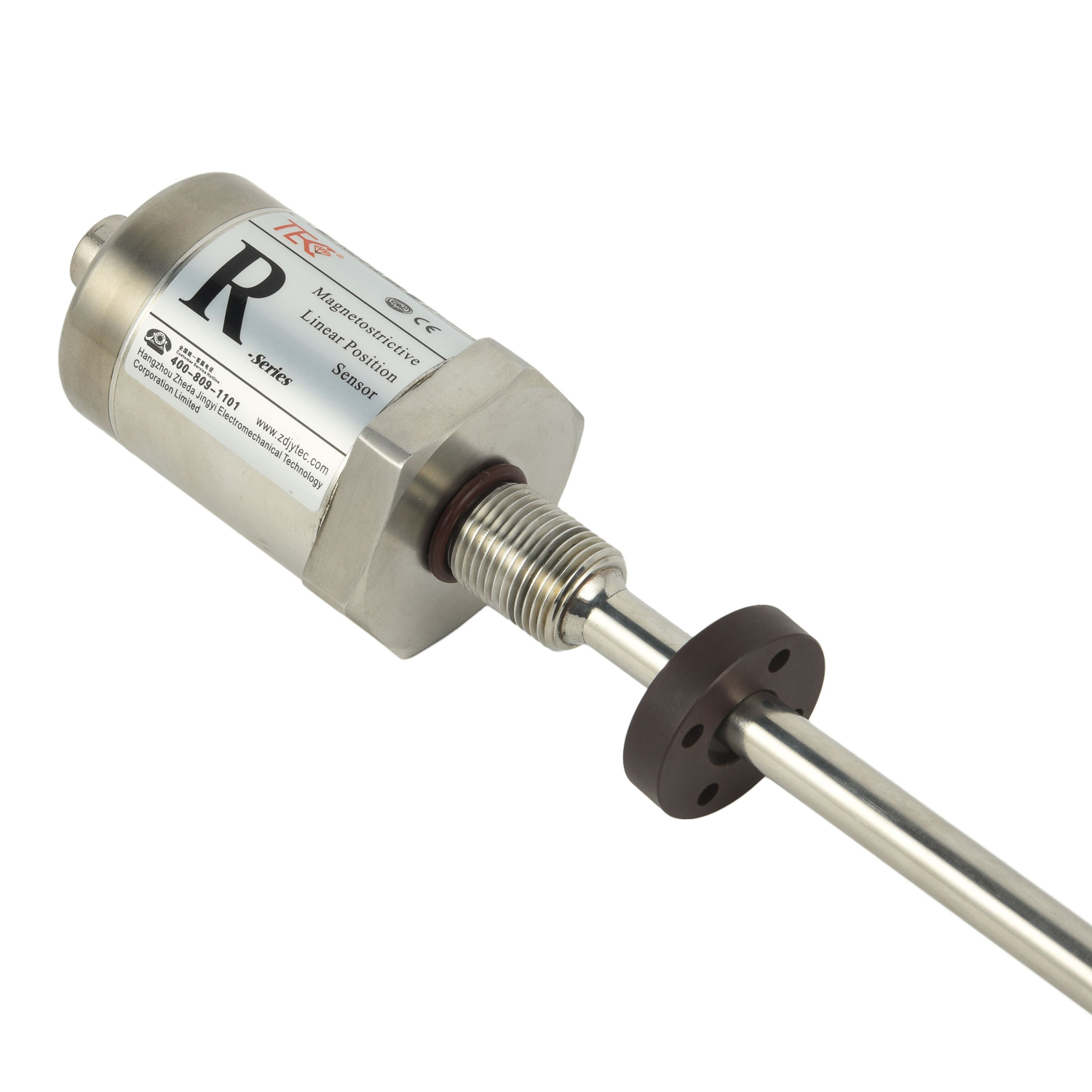
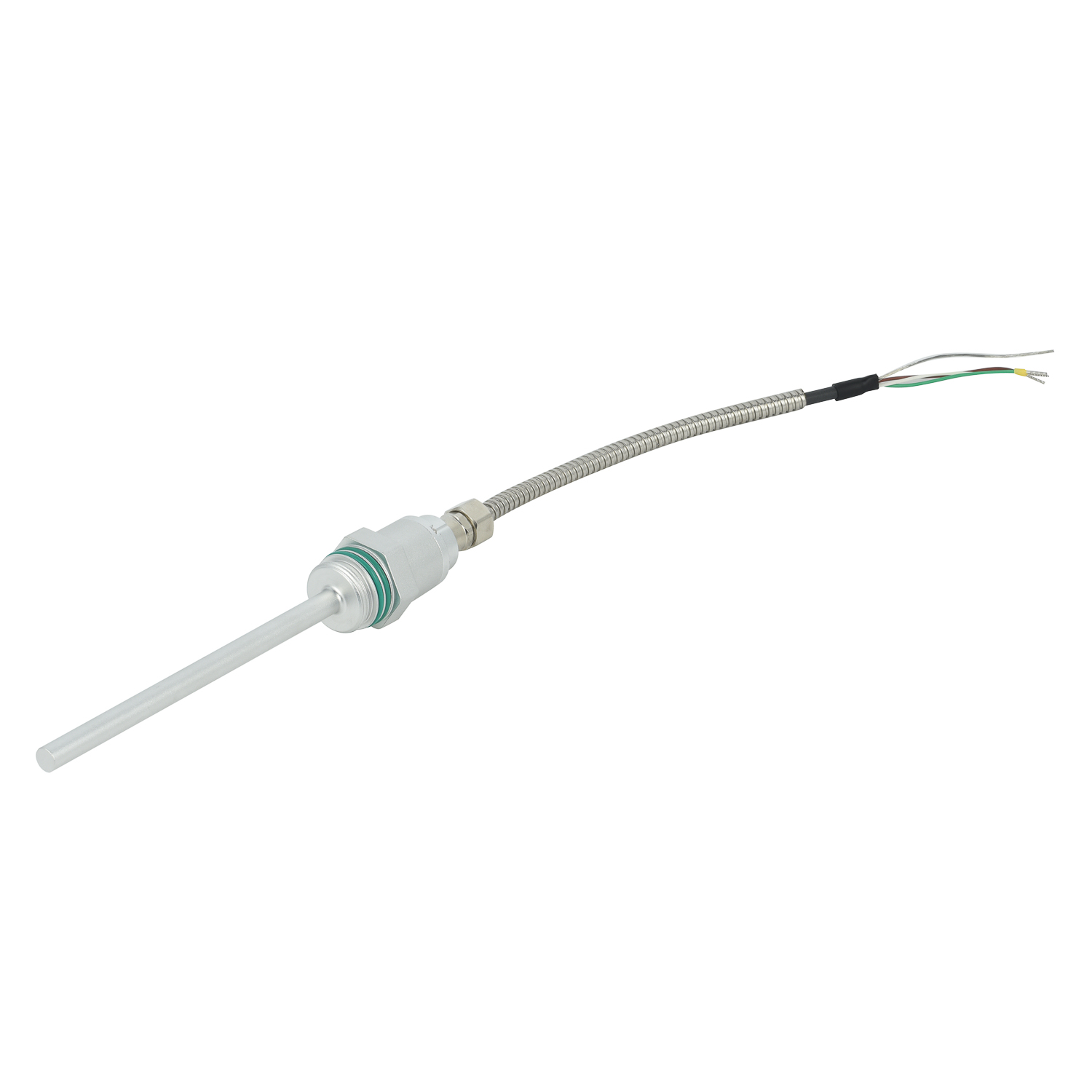
At its core, magnetostrictive technology operates through the interaction between magnetic fields and ferromagnetic materials. When an electrical pulse is sent through a waveguide wire inside a sensor, it interacts with a permanent magnet mounted on a float that moves with the honey level. This generates a torsional stress wave, whose travel time is measured to determine the exact position of the float. The result is highly accurate, non-contact level detection that minimizes maintenance and maximizes durability, making it ideal for the viscous and often challenging environment of honey storage.
The application of magnetostrictive sensors in smart honey tanks brings numerous benefits to the beekeeping industry. These systems provide continuous, real-time monitoring of honey levels, enabling beekeepers to track inventory with precision and plan harvesting schedules effectively. With integration into IoT platforms, data from these sensors can be accessed remotely via smartphones or computers, allowing for proactive management and reducing the risk of overflow or shortages. This not only streamlines operations but also supports sustainable practices by optimizing resource use and minimizing waste.
Moreover, magnetostrictive technology enhances automation in honey processing facilities. By connecting to control systems, these sensors can trigger automated valves, pumps, and alerts based on predefined honey level thresholds. This automation reduces manual labor, cuts operational costs, and ensures consistent honey quality by maintaining optimal storage conditions. For instance, in large-scale apiaries, this technology helps prevent contamination and spoilage by enabling timely transfers and processing, ultimately boosting productivity and profitability.
In conclusion, the adoption of magnetostrictive technology in smart honey tank control represents a significant advancement in precision agriculture. Its ability to deliver reliable, real-time data and support automated workflows makes it indispensable for modern beekeeping. As the industry continues to embrace digital transformation, this technology will play a crucial role in driving efficiency, sustainability, and innovation, paving the way for smarter honey management solutions that benefit both producers and consumers alike.
 Graybus Cable Fault
 Field Application of Graybus C
 Model and Specification of Gra
 Import Substitute Graybus Cabl