
How do magnetostrictive level gauges solve clogging issues of traditional pressure types?
In industrial environments where precise liquid level measurement is critical, traditional pressure-based level gauges often face significant operational challenges. These conventional devices typically rely on pressure sensors that require direct contact with process media through small openings or diaphragms. Unfortunately, this fundamental design characteristic creates inherent vulnerabilities to clogging and material buildup that can compromise measurement accuracy and system reliability.
Understanding Traditional Pressure Gauge Limitations
Pressure level gauges operate by measuring the hydrostatic pressure exerted by a liquid column, converting this pressure reading into a corresponding level measurement. The problem emerges when viscous, slurry, or contaminated media interact with the pressure sensing components. Particulate matter gradually accumulates within narrow passages, while sticky substances adhere to diaphragm surfaces. This progressive clogging distorts pressure readings and eventually leads to complete sensor failure, requiring costly maintenance interventions and production downtime that impact overall operational efficiency.
The Magnetostrictive Technology Advantage
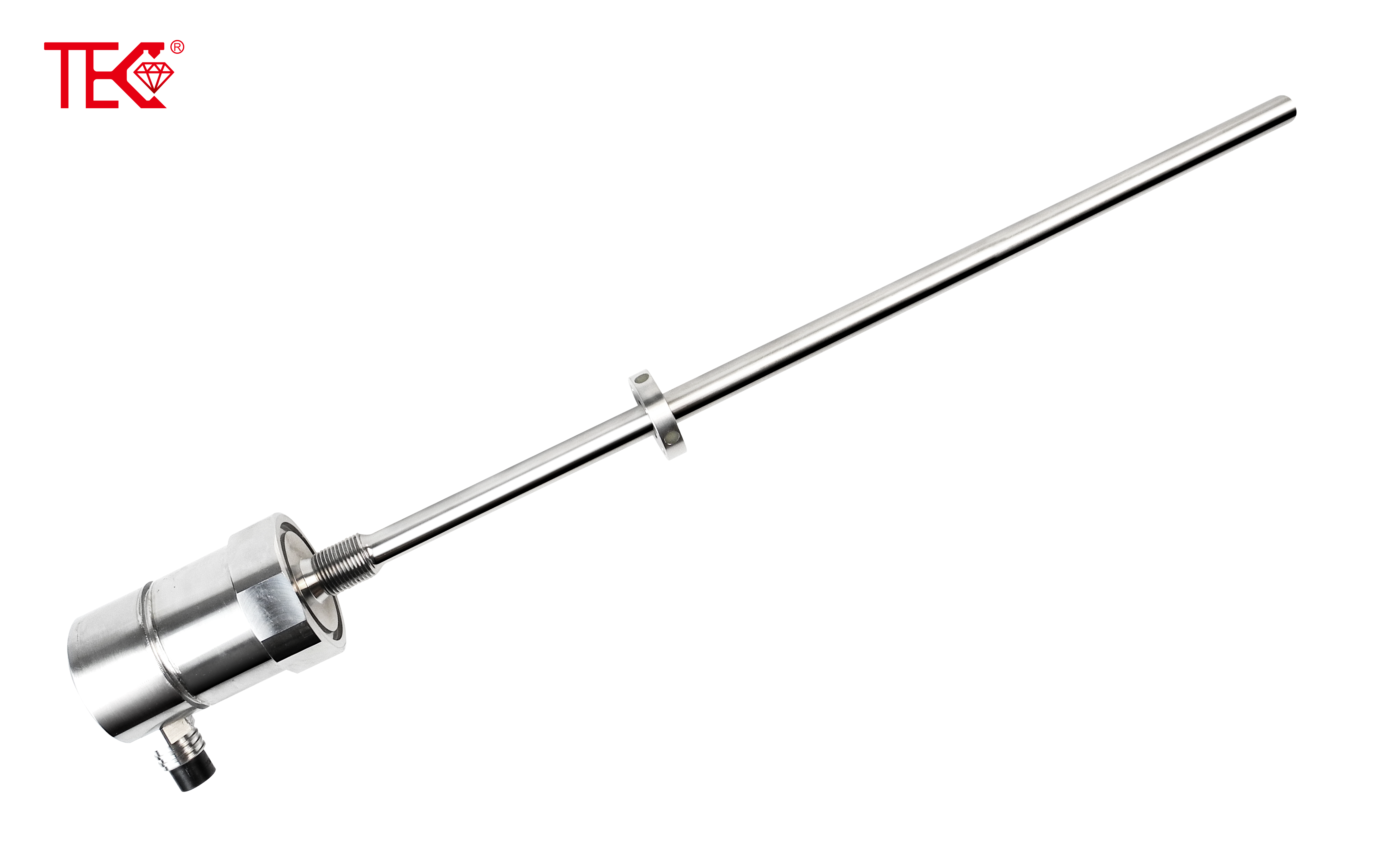
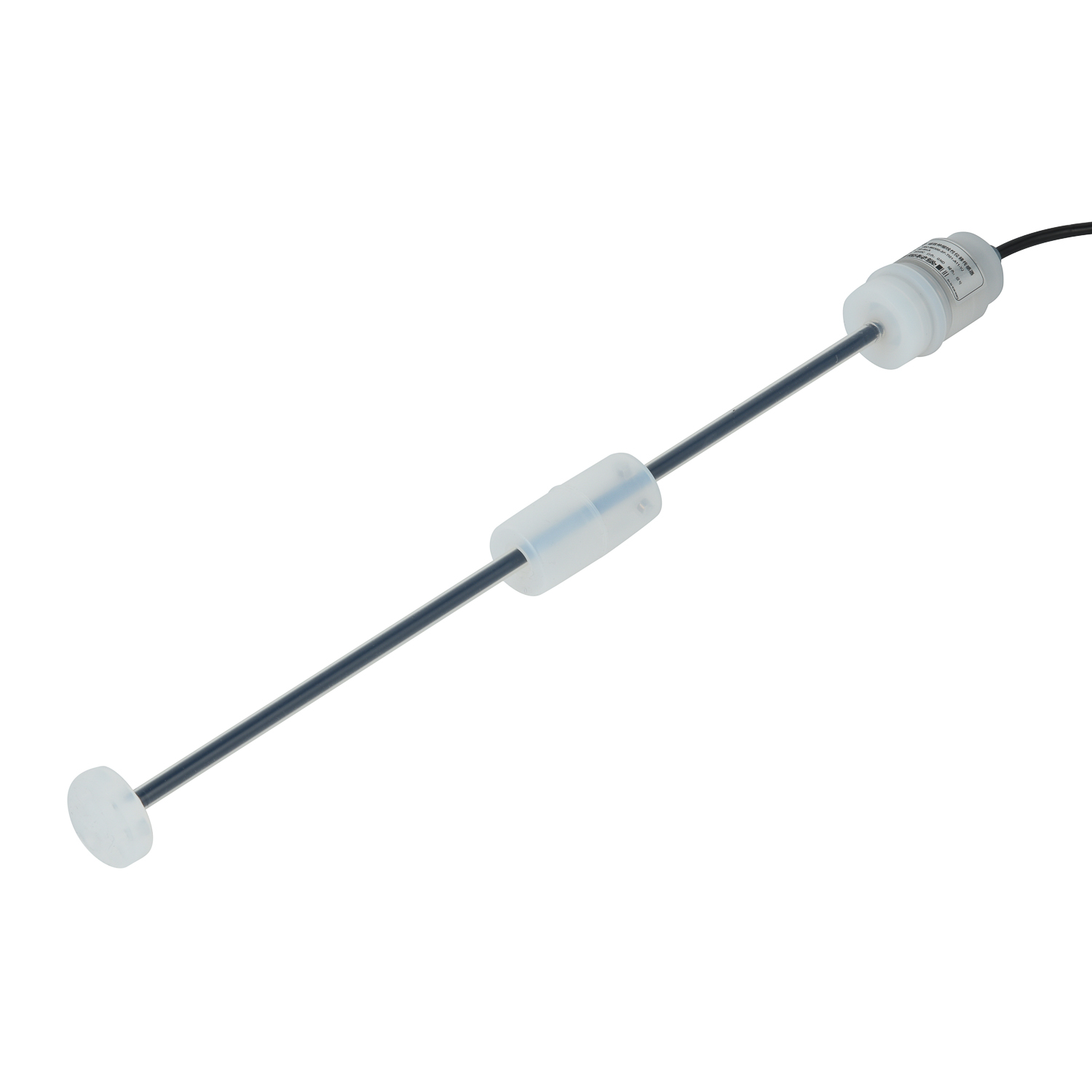
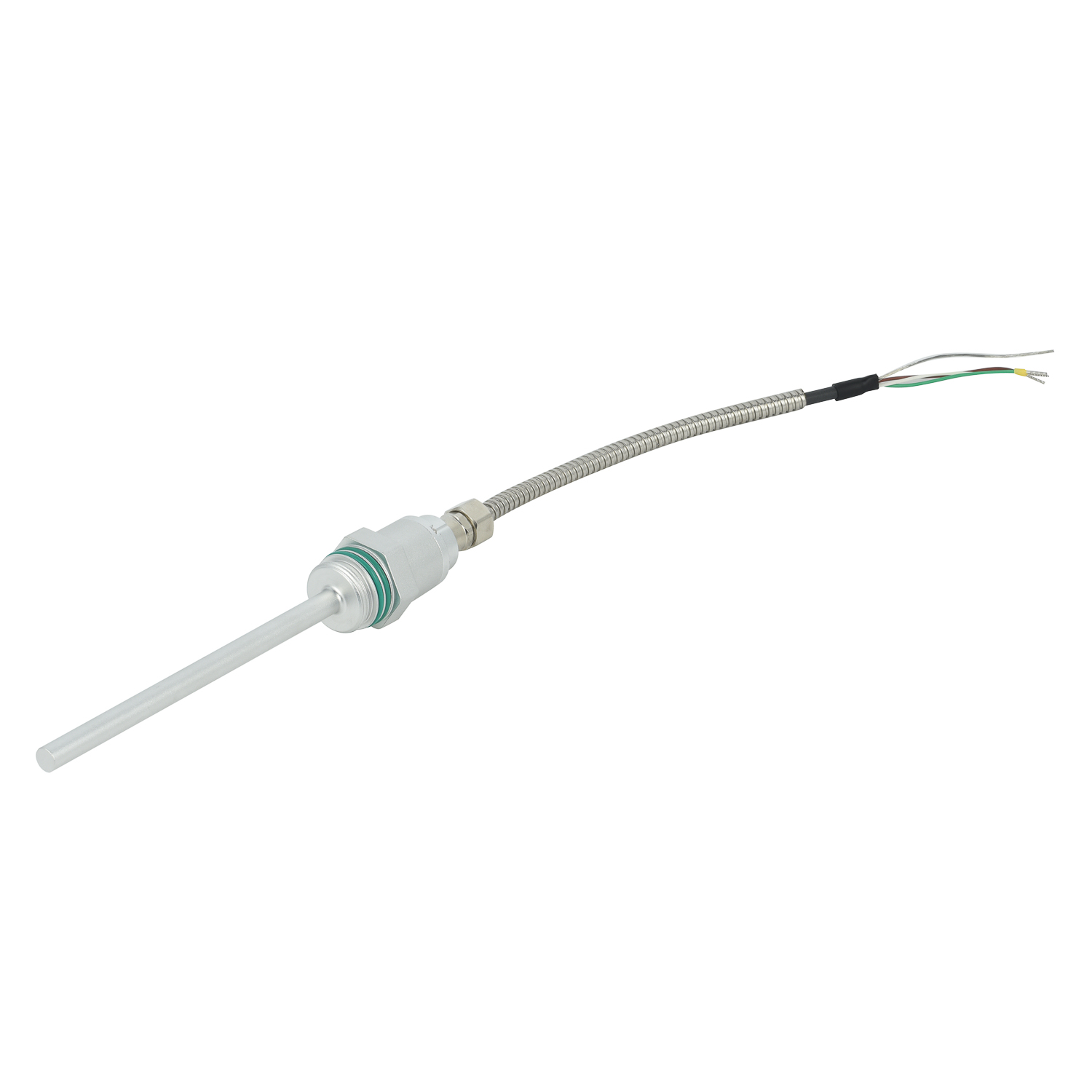
Magnetostrictive level gauges employ an entirely different measurement principle that eliminates the need for direct media contact through small openings. These sophisticated devices utilize a magnetic float that moves freely along a sealed probe containing a magnetostrictive wire. When current pulses interact with the float's magnetic field, the system precisely calculates the float position through precise time-interval measurements. This contactless measurement approach fundamentally removes the clogging mechanism that plagues traditional pressure-based systems, ensuring consistent performance even with challenging media.
Direct Comparison: Pressure vs. Magnetostrictive Performance
When evaluating pressure level gauges against magnetostrictive alternatives, the performance differences become strikingly apparent. Pressure gauges demonstrate particular vulnerability in applications involving high-viscosity oils, wastewater slurries, chemical suspensions, and food products containing particulate matter. Conversely, magnetostrictive gauges maintain reliable operation across these challenging conditions because their sensing mechanism remains completely isolated from the process media. The magnetic float moves unobstructed along the smooth probe surface, preventing material accumulation while delivering continuous, accurate level data without maintenance-intensive cleaning cycles.
Implementation Benefits Across Industries
The transition to magnetostrictive level measurement technology brings substantial operational advantages to numerous industrial sectors. Chemical processing plants benefit from reliable measurement of corrosive liquids without sensor degradation. Water treatment facilities achieve consistent level monitoring in sludge and sediment-rich environments. Food and pharmaceutical manufacturers maintain hygienic level control with minimal maintenance requirements. These applications demonstrate how magnetostrictive technology not only solves clogging issues but also enhances overall measurement reliability, reduces maintenance costs, and improves process safety through dependable level monitoring.
Future Outlook for Level Measurement Technology
As industrial processes increasingly demand higher reliability and lower maintenance requirements, magnetostrictive level gauges represent the evolving standard for challenging applications. Their inherent resistance to clogging, combined with precision measurement capabilities, positions this technology as the superior solution for modern industrial environments. While traditional pressure gauges may still serve adequately in clean, non-problematic applications, magnetostrictive systems clearly outperform them in real-world conditions where media characteristics and operational reliability determine measurement system success.
 Graybus Cable Fault
 Field Application of Graybus C
 Model and Specification of Gra
 Import Substitute Graybus Cabl