
How do magnetostrictive level gauges solve sticking issues of traditional float types?
Traditional float-type level gauges have long been the standard for liquid level measurement across various industries. These mechanical devices operate on a simple principle where a magnetic float moves up and down with the liquid level, transmitting this position to an indicator. While this design has served industries for decades, it comes with significant limitations that can compromise measurement accuracy and reliability. The mechanical nature of these gauges makes them vulnerable to numerous operational challenges that affect performance over time.
The Persistent Problem of Float Gauge Sticking
Float level gauges frequently experience sticking issues that severely impact their functionality. The magnetic float can become lodged against the chamber wall due to minor misalignments or accumulated debris. In applications involving viscous fluids like oils, syrups, or chemical slurries, the float often gets stuck in position, failing to move with actual level changes. Temperature fluctuations cause expansion and contraction of materials, creating additional binding points. Mineral deposits, crystallization, and particulate buildup further restrict float movement. These sticking problems lead to inaccurate readings that can continue undetected until visible discrepancies appear in process operations.
How Magnetostrictive Technology Eliminates Mechanical Issues
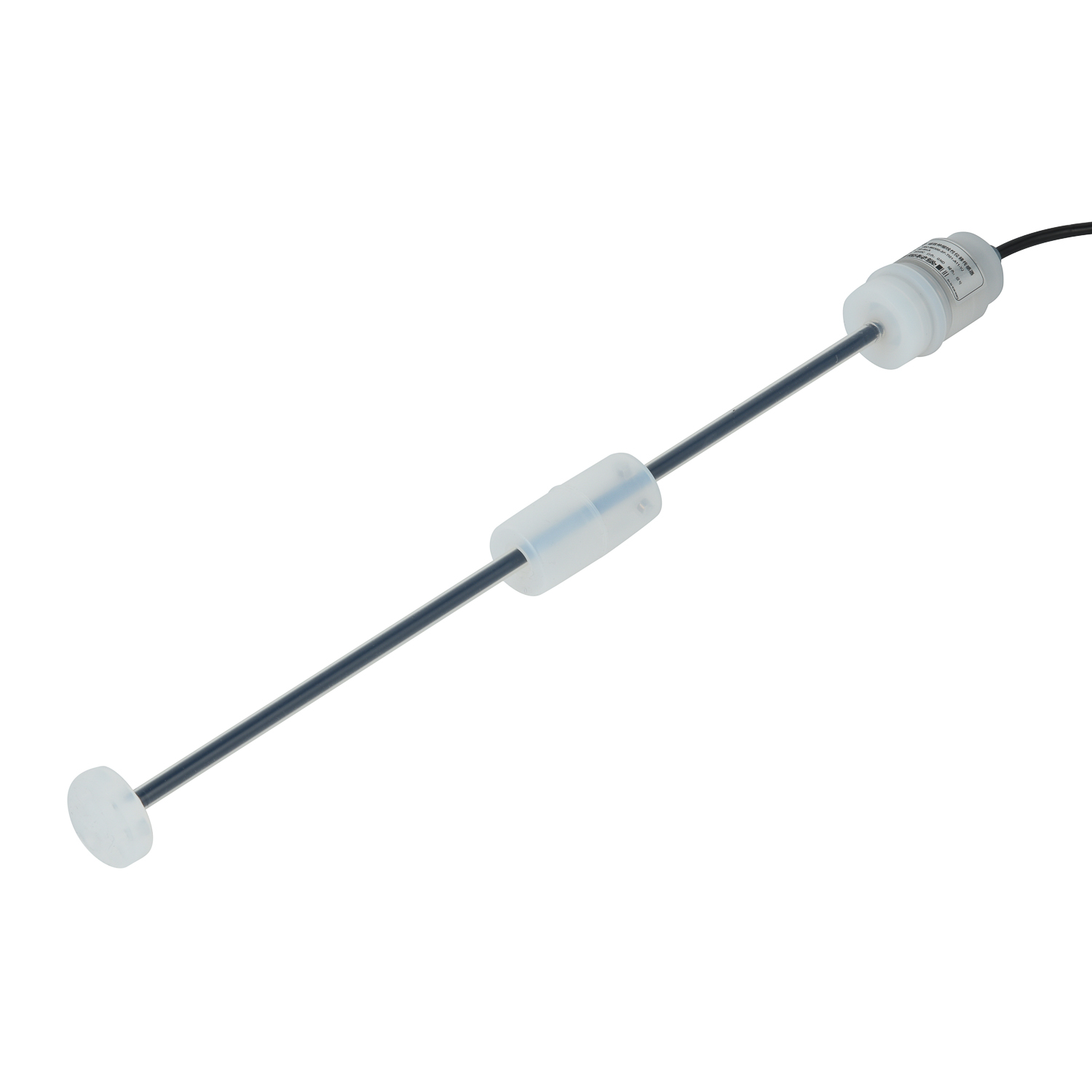
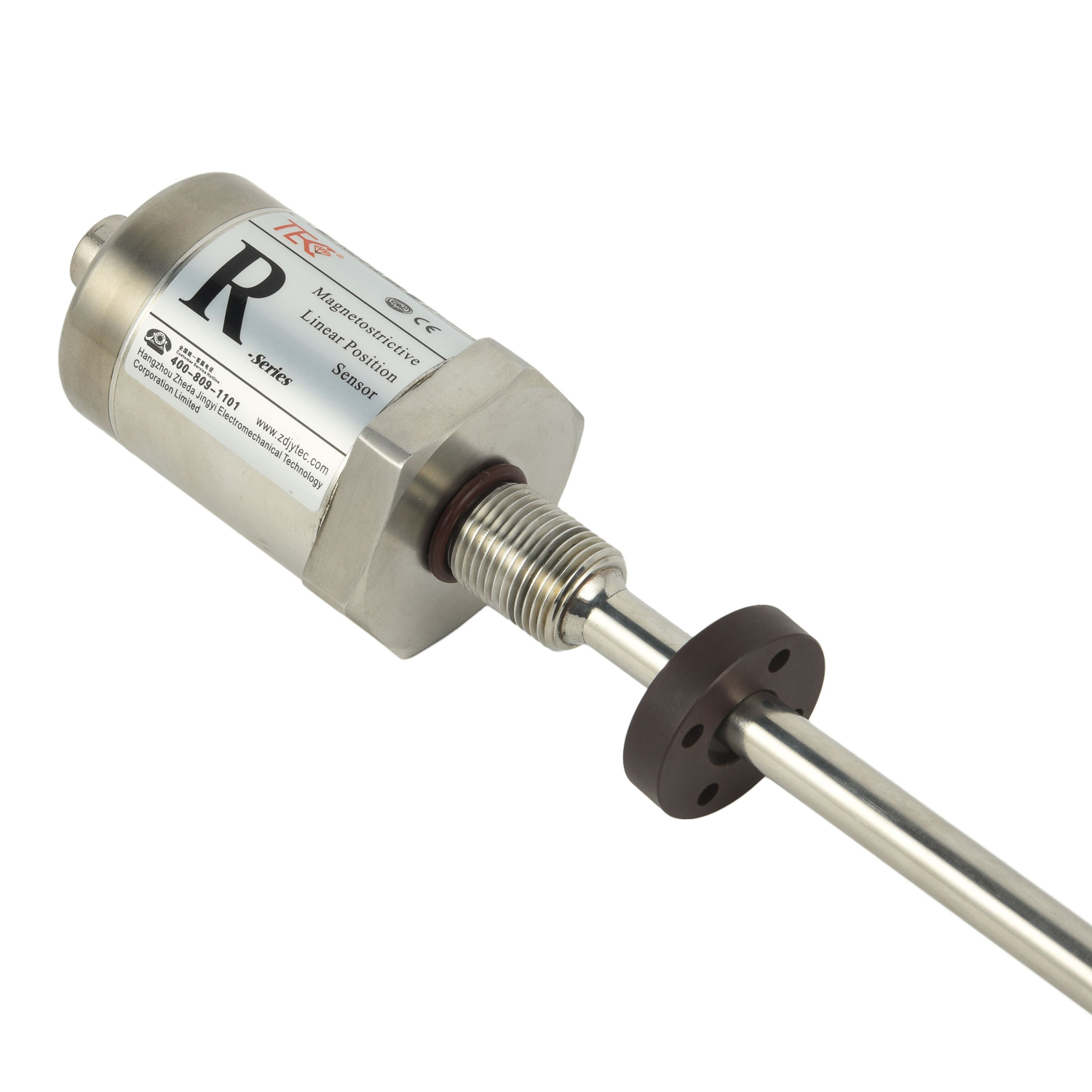
Magnetostrictive level gauges employ fundamentally different operating principles that bypass mechanical limitations entirely. These advanced sensors utilize a sophisticated system where a waveguide wire is enclosed within a protective probe. A magnetic float moves freely along the probe's exterior, completely isolated from the internal components. The technology works by generating an electrical current pulse that travels along the waveguide. When this pulse intersects the magnetic field created by the float, it generates a torsional wave that is precisely timed to calculate the exact float position. This non-contact measurement approach completely eliminates the mechanical linkages that cause traditional gauges to fail.
Superior Performance in Challenging Applications
The advantages of magnetostrictive level gauges become particularly evident in demanding industrial environments. These sensors maintain exceptional accuracy even when measuring aggressive chemicals, sanitary products, or high-temperature liquids. Unlike float gauges that require regular maintenance to prevent sticking, magnetostrictive designs operate for years without intervention. Their robust construction withstands vibration, pressure variations, and temperature extremes that would compromise mechanical float systems. The technology provides reliable data for critical processes including inventory management, custody transfer, and process control where measurement integrity directly impacts operational efficiency and safety.
Cost Benefits Beyond Initial Investment
While magnetostrictive level gauges typically involve higher initial costs compared to traditional float gauges, they deliver substantial long-term value through reduced maintenance and improved reliability. The elimination of sticking issues means no production downtime for gauge cleaning or float replacement. More accurate level data prevents overfilling incidents and enables better inventory management. Many facilities discover that the technology pays for itself within the first year of operation through avoided maintenance costs and process improvements. The extended service life of these systems, often exceeding ten years without major servicing, further enhances their economic advantage over traditional alternatives.

Implementation Considerations for System Upgrades
Transitioning from float-type to magnetostrictive level gauges requires careful planning but presents minimal technical barriers. Most modern magnetostrictive gauges feature standardized mounting arrangements compatible with existing tank connections. The electronic output signals integrate seamlessly with modern control systems, providing digital communication capabilities beyond simple level indication. Installation typically involves straightforward probe mounting and electrical connection, with many manufacturers offering comprehensive technical support. The selection process should consider factors including process temperature, pressure, fluid characteristics, and required accuracy to ensure optimal performance in specific application conditions.
 Graybus Cable Fault
 Field Application of Graybus C
 Model and Specification of Gra
 Import Substitute Graybus Cabl